







RAT REMOVAL PROCESS

Assess and Remove
Our Markham technicians investigate where rats are active, how they move through the structure, and which openings they are using. We then develop a customized humane removal strategy suited to the property, without relying on trapping or relocation.

Clear and Clean
Once rat activity has been addressed, we focus on the spaces they leave behind. Contaminated nesting materials and damaged insulation can be removed when necessary, with restoration services available to help improve affected attics and other areas.

Prevent and Protect
Our prevention work targets both confirmed entry points and other vulnerable areas rats could exploit. Using durable exclusion materials and property-specific recommendations, we help strengthen Markham homes against future activity, with qualifying work supported by a lifetime guarantee.
Markham’s mix of established neighbourhoods, newer developments, commercial districts, parks, and natural corridors gives rats plenty of opportunities to find food and shelter. Once these adaptable animals discover a weakness around a foundation, garage, roofline, or utility opening, they can move into concealed areas of a home.
From Unionville and Cornell to Thornhill, Milliken Mills, Markham Village, and neighbourhoods near Toogood Pond and Rouge National Urban Park, rat problems can develop in many different settings. Founded in 1989, Skedaddle Humane Wildlife Control brings over 30 years of experience to humane rat removal, professional exclusion, cleanup, restoration, and prevention.
A Prevention-First Solution for Rat Activity
Skedaddle takes a comprehensive approach to rat infestations by combining professional inspections, humane removal, exclusion, and restoration. Each Markham property receives a customized removal plan and written quote based on its specific conditions. Many wildlife removals can be completed in one day, although the exact timeline depends on the extent of activity, number of entry points, and restoration requirements.

How Markham’s Changing Seasons Influence Rats
Fall: Rats Seek Indoor Shelter Across Markham
As temperatures fall in Markham, rats look for protected indoor spaces and may enter through gaps around foundations, siding, vents, utility penetrations, garage doors and roof components. Townhouses and semi-detached homes in Unionville, Cornell, Milliken Mills and Markham Village can be especially exposed, since rats can move along shared walls. Properties near Toogood Pond and Rouge National Urban Park often see activity rise as the weather turns. Common signs include droppings, gnaw marks and scratching in walls or ceilings at night.
Once indoors, rats can settle into wall voids, basements and attic insulation, contaminate stored food and chew wiring through the winter. Skedaddle’s humane rat control in Markham focuses on finding how rats are getting in, removing them, cleaning contaminated areas and sealing entry points so your home stays protected before cold weather sets in.

Winter: Hidden Activity Can Continue
Rats remain active throughout Markham’s winter and do not hibernate. Heated structures provide stable temperatures and protection from snow, wind, and freezing conditions. Once inside, rats can remain concealed in basements, attics, crawl spaces, garages, and wall voids. Indoor populations may continue nesting and reproducing even when homeowners notice very little wildlife activity outside.
Spring: Rats Search for New Nesting Areas
Warmer weather brings increased rat movement throughout Markham. Spring rain can disrupt outdoor burrows, while growing vegetation creates additional cover along travel routes. Breeding activity can also increase local populations. Rats searching for dry, protected nesting locations may investigate garages, sheds, crawl spaces, wall cavities, and other sheltered areas, especially when reliable food and water are available nearby.
Summer: Abundant Resources Support Activity
Summer creates favourable conditions for rats. Gardens, outdoor dining areas, garbage storage, bird feeders, compost, pet food, and fallen produce can provide reliable sources of food. Vegetation also gives rats cover as they travel around residential properties.
As populations expand, younger rats may leave established nesting areas and explore new territory. This movement can bring activity closer to foundations, decks, garages, sheds, and rooflines, where structural weaknesses may provide opportunities to enter a home.
Why Some Markham Properties Appeal to Rats
Rats are opportunistic, so they tend to settle where food, water, cover, and shelter are easy to access. Markham’s combination of residential areas, green spaces, commercial properties, and ongoing development can create many potential resources.
Common attractants include:
- Accessible garbage and recycling
- Bird seed beneath feeders
- Outdoor pet food
- Compost and fallen produce
- Dense shrubs near foundations
- Standing water or drainage issues
- Stored lumber and firewood
- Cluttered garages or sheds
- Gaps around utilities, vents, and doors
Attractants can encourage rats to explore a property, but structural vulnerabilities are what may ultimately allow them indoors. Professional inspection and exclusion address both sides of the problem.
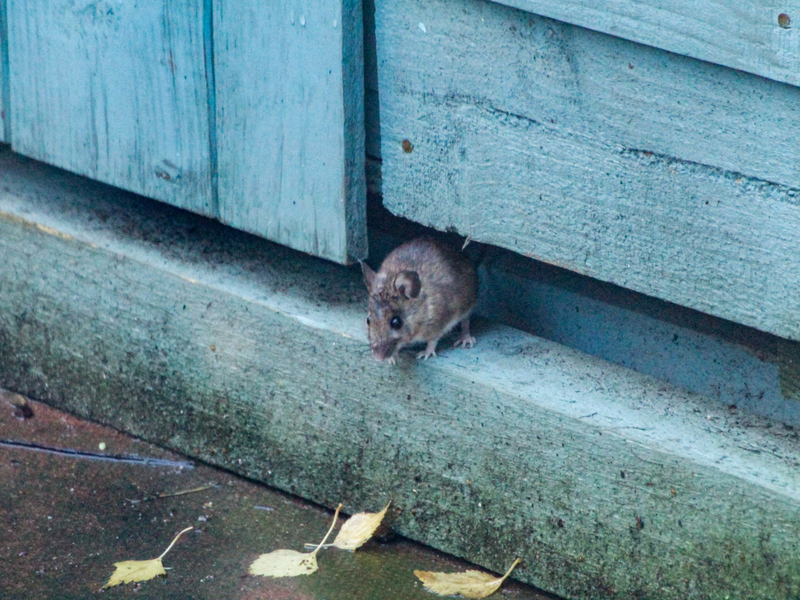
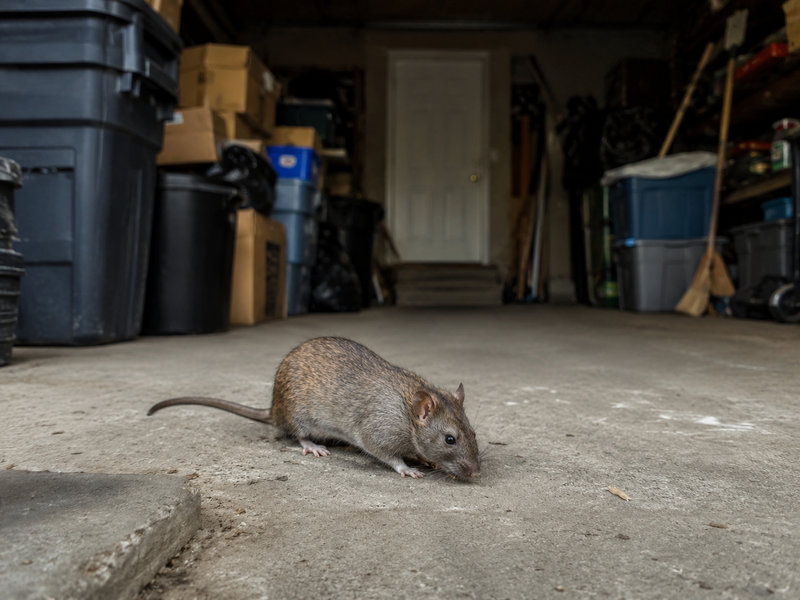
Signs Rats Could Be Active Inside Your Home
Rats are skilled at staying out of sight. Homeowners may notice evidence of an infestation long before seeing an animal.
Warning signs can include:
- Scratching or scurrying after dark
- Gnawing sounds behind walls
- Droppings in concealed spaces
- Greasy markings along travel routes
- Damaged insulation
- Gnaw marks on wood, plastic, or wiring
- Shredded nesting materials
- Persistent unexplained odours
- Burrows near foundations or structures
The location of these signs can provide useful information, but it does not always reveal where rats entered or established their nest. A professional inspection evaluates the entire property to determine the scope of activity and identify vulnerabilities that require attention.
Skedaddle’s Humane Approach to Resolving Rat Activity
Rat removal should address more than the animals currently inside. Our process considers how rats entered, where they are active, what damage they have caused, and what needs to change to reduce the likelihood of another infestation.
Step 1: Building a Complete Picture of the Infestation
Our technicians inspect the interior and exterior of the Markham property for signs of rat activity. We examine attics, basements, garages, crawl spaces, foundations, rooflines, and other relevant areas to identify nesting locations, travel patterns, contamination, damage, and possible access points.
Step 2: Uncovering How Rats Are Getting Inside
Rats can take advantage of small structural openings that are easy to overlook. Our technicians examine vents, siding transitions, utility penetrations, foundation gaps, roof intersections, garage areas, and other potential vulnerabilities. Identifying these access routes gives us the information needed to develop a more complete solution.
Step 3: Creating the Right Humane Removal Strategy
Inspection findings guide a customized removal plan based on the conditions at the property. Skedaddle does not rely on trapping, relocation, or inhumane control methods. Instead, our technicians use humane techniques to resolve active rat problems while preparing the structure for professional exclusion and long-term protection.
Step 4: Making Re-Entry More Difficult
Once the removal process is underway, identified access points are professionally secured with durable exclusion materials. We also consider additional areas that rats could potentially exploit. This prevention-focused approach helps stop new animals from simply taking advantage of another weakness after the original infestation has been resolved.
Step 5: Restoring Areas Affected by Rats
Rats may leave nesting debris, droppings, contaminated insulation, and damaged materials behind. Depending on the condition of the home, cleanup and attic restoration services may be recommended. We also provide property-specific prevention recommendations, and qualifying exclusion work may be supported by a lifetime guarantee for added peace of mind.
The Damage Rats Can Cause When They Move Indoors
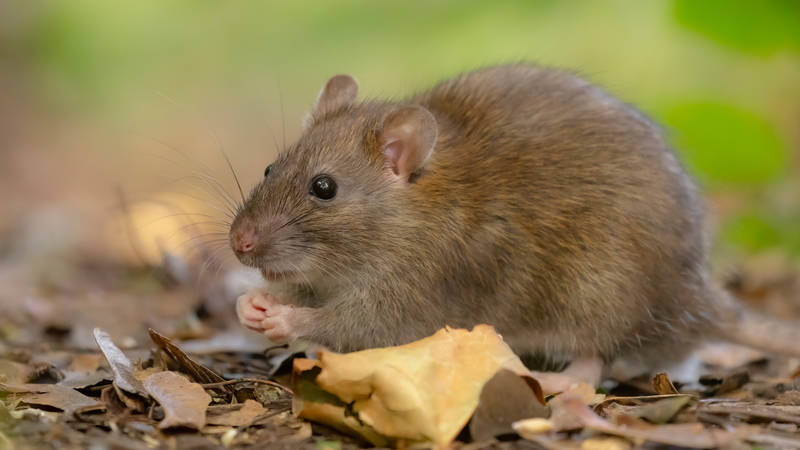
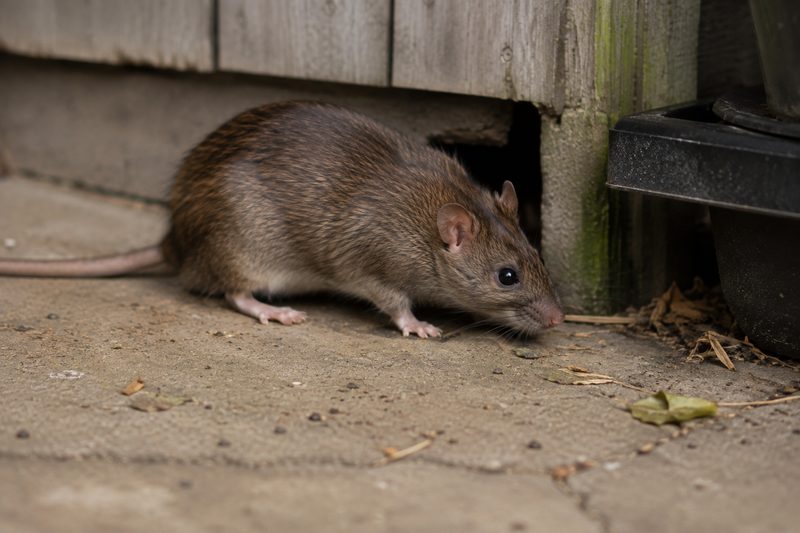
Rat activity can spread beyond a single nesting area. As rats travel through a home, they may gnaw on wood, plastic, insulation, drywall, and electrical wiring, potentially creating damage in several concealed locations.
Nesting activity can compress insulation, while droppings, urine, and debris may accumulate in attics, wall cavities, crawl spaces, and other difficult-to-reach areas.
Because rats are often most active when the home is quiet, infestations can remain unnoticed while damage continues behind the scenes.
Addressing the animals, contaminated areas, and entry points together provides a more complete solution and helps limit the potential for escalating repair and restoration needs.
Keep Your Markham Home Protected for the Long Term
A rat infestation does not end when the noises stop. Lasting protection means understanding how rats gained access, resolving current activity humanely, addressing affected spaces, and reinforcing vulnerable areas to make another intrusion less likely.
Since 1989, Skedaddle Humane Wildlife Control has helped homeowners resolve wildlife problems with humane, prevention-focused solutions. Contact our Markham team today to schedule a professional rat inspection and receive a customized written quote for your property.