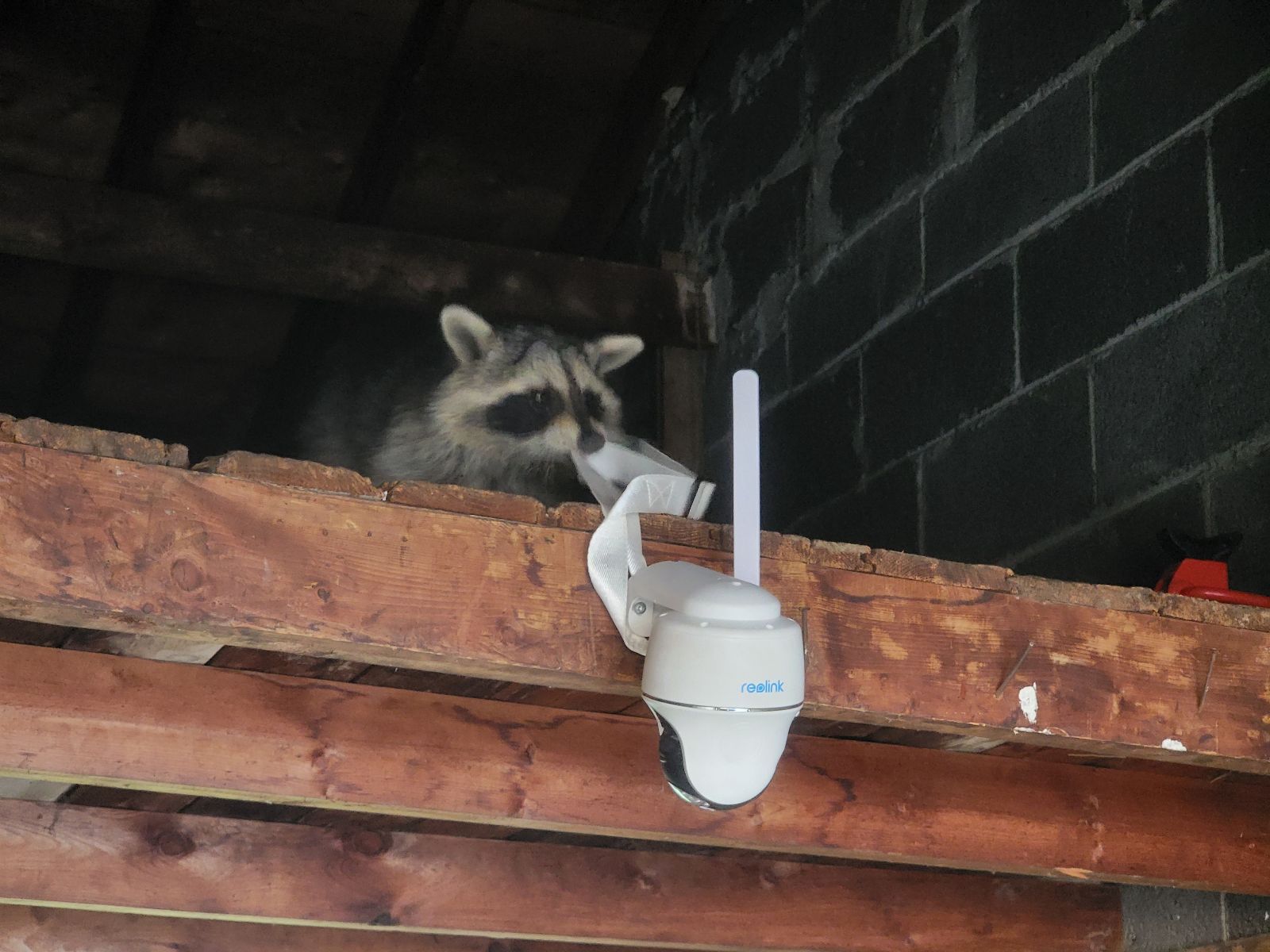
Garages across Minneapolis often become an easy target for wildlife, especially when food smells, shelter, and warmth are involved. Raccoons in garage spaces are more common than many homeowners realize, and once they find a way in, they tend to return again and again.
At Skedaddle Humane Wildlife Control in Minneapolis, we see firsthand how quickly a small garage issue can turn into property damage, health concerns, and ongoing frustration. Understanding why raccoons enter garages and how professional prevention works is the first step toward protecting your home for the long term.
Raccoon Behavior Around Homes
Raccoons are highly adaptable animals. According to wildlife studies, raccoons can thrive in urban environments at densities up to 10 times higher than in rural areas. Minneapolis neighborhoods offer easy access to food, water, and shelter, making garages an appealing stop.
Garages provide:
- Protection from harsh weather
- Easy access to stored food, garbage, or pet supplies
- Quiet spaces with limited human activity
Once raccoons discover a garage that meets these needs, they can become persistent. This is why early intervention and prevention are so important.
Common Ways Raccoons Get Into Garages
Raccoons are strong, intelligent, and surprisingly dexterous. Research shows they can lift objects weighing up to 20 pounds and manipulate simple latches with ease.
Some of the most common garage entry points include:
- Worn or bent garage doors that don’t seal properly
- Gaps along door frames or weather stripping
- Uncovered vents or utility openings
- Windows with weak screens or damaged seals
What may look like a minor opening to a homeowner can be more than enough for a raccoon to squeeze through.
Why Raccoons Choose Garages Over Other Spaces
Garages often serve as a transition zone between the outdoors and the home. Compared to attics or basements, garages are usually quieter and easier to access.
Garages are especially attractive because:
- Trash bins and recycling are often stored inside
- Bird seed, grass seed, or pet food may be present
- Vehicles provide warmth after being driven, especially in winter
Studies suggest raccoons rely heavily on human-related food sources, with urban raccoon diets made up of up to 65% food waste. This makes garages a prime target if attractants are present.
The Risks of Raccoons in Your Garage
Having raccoons in garage areas isn’t just inconvenient—it can create real problems for homeowners.
Potential risks include:
- Damage to insulation, wiring, and stored items
- Contamination from droppings and urine
- Increased risk of disease exposure, including leptospirosis and roundworm
- Structural damage from repeated entry attempts
The longer raccoons remain active in a garage, the more likely damage will spread to nearby parts of the home.
Why Professional Assessment Makes a Difference
Many homeowners don’t realize how many access points exist until a professional inspection is done. At Skedaddle, we take a full-property approach, looking beyond the obvious.
Our process includes:
- Identifying current and potential entry points
- Assessing structural weaknesses raccoons may exploit
- Evaluating attractants that encourage repeated visits
This level of assessment is critical, as raccoons are known to remember successful entry points and will test them repeatedly over time.
Humane and Effective Garage Wildlife Prevention
When it comes to how to keep raccoons out, long-term prevention is key. Temporary solutions or partial fixes often fail because raccoons quickly adapt.
Our prevention-focused approach emphasizes:
- Reinforcing garage doors and frames
- Securing vents and openings with wildlife-proof materials
- Sealing gaps that may expand over time due to weather or wear
By focusing on exclusion and reinforcement, we help ensure raccoons cannot regain access once the issue is resolved.
The Importance of Long-Term Raccoon Prevention Tips
Effective raccoon prevention isn’t just about addressing one entry point—it’s about eliminating patterns that invite wildlife back. Studies show raccoons can remember food locations for up to three years, which explains why repeat activity is so common.
Key raccoon prevention tips include:
- Keeping all food sources sealed and inaccessible
- Ensuring garage doors close fully every time
- Scheduling regular professional inspections
When these measures are combined with expert wildlife-proofing, the chances of repeat issues drop significantly.

Seasonal Factors That Increase Garage Activity
Raccoon activity changes with the seasons. In Minneapolis, garage intrusions often spike during:
- Late fall, as raccoons seek warmer shelter
- Winter cold snaps, when food is harder to find
- Early spring, during increased foraging activity
Data from urban wildlife studies shows winter shelter-seeking behavior increases raccoon contact with homes by nearly 30%, making garages a frequent entry point during colder months.
Why Experience Matters in Wildlife Control
Raccoons are not only persistent, but also incredibly resourceful. Without proper knowledge of their behavior, prevention efforts can fall short.
At Skedaddle, we rely on:
- Decades of wildlife behavior expertise
- Humane, science-backed exclusion methods
- Proven materials designed for long-term durability
Our experience allows us to address the root causes of garage intrusions rather than just the symptoms.
Protecting More Than Just the Garage
Once raccoons become comfortable around a property, garages are often just the beginning. Nearby attics, sheds, and rooflines can also become targets.
A comprehensive approach helps:
- Reduce wildlife pressure on the entire structure
- Prevent new access points from forming
- Maintain the value and safety of your home
This broader strategy is one of the most effective raccoon prevention tips homeowners can rely on.
A Smarter Way to Keep Raccoons Out for Good
Dealing with raccoons in garage spaces can feel overwhelming, but the right professional support makes all the difference. By addressing access points, attractants, and structural weaknesses together, long-term prevention becomes achievable.
At Skedaddle Humane Wildlife Control in Minneapolis, we believe protecting your home should never come at the expense of animal welfare. Our humane, prevention-focused methods are designed to keep raccoons out while giving homeowners lasting peace of mind. If your garage has become a target, we’re here to help safeguard your home—today and into the future.

 Loading...