
You turn on your bathroom fan and hear chirping, scratching, or flapping. It may surprise you, but those sounds often mean there are birds in bathroom vents. While it may seem like a small problem, the truth is that vents make easy nesting spots and can lead to health risks, fire hazards, and costly repairs.
So, what should you do if you hear birds in your bathroom vent? The answer is simple—call professionals like Skedaddle Humane Wildlife Control in Minneapolis. Experts handle removing birds from vents safely and set up prevention steps to make sure it doesn’t happen again. The focus is on solving the problem without harming the animals while protecting your home.
This guide explains what happens when you hear birds in vents, what trained teams do to fix it, and how bird-proofing home vents gives you long-term peace of mind.
Step 1: Confirming the Problem
The first thing a professional team does is confirm what’s really happening. Sometimes noises in vents come from small animals like mice or squirrels. Other times, it’s clearly birds. With the right training and tools, experts can check without causing more damage.
Here’s what pros look for:
- Chirping or fluttering that continues at different times of day.
- Twigs, feathers, or droppings around the outside vent.
- Weaker airflow when the fan is on.
- A vent cover that looks broken or loose.
By confirming the issue early, you prevent bigger damage from building up inside.
Step 2: Removing Birds From Vents Safely
Once the problem is identified, the next step is removing birds from vents. This must be done with care. Vents are narrow, fragile spaces, and forcing removal can hurt both the animals and your home.
Professionals know how to:
- Use safe tools to guide the animals out.
- Protect young birds if nests are involved.
- Keep the vent system from breaking during removal.
At Skedaddle, we use one-way doors that allow birds to exit but not return. This method is humane, safe, and prevents repeat problems.
Step 3: Cleaning and Restoring the Vent
After the animals leave, the vent can’t just be left as it is. Nesting materials, feathers, and droppings stay behind. These can block airflow and spread bacteria. That’s why professional teams take time to clean and restore the vent.
Restoration work often includes:
- Clearing out all nesting debris.
- Checking the vent fan to make sure it works.
- Replacing damaged duct parts if needed.
- Making sure no droppings or waste remain in the airflow path.
This step makes your bathroom safe again and ensures the vent works properly.
Step 4: Repairing Vent Covers
One of the main reasons birds in bathroom vents happen is because covers are weak or broken. Once birds break through, the cover can’t do its job anymore. Professionals know how to replace or repair these covers so they stay secure.
A new, strong cover prevents animals from finding their way back in. Pros make sure the cover is fitted tightly and cannot be pushed open. They may also check other vents around the home—like dryer or kitchen vents—since they’re common targets too.
Step 5: Sealing Entry Points Around the Home
Birds don’t only get inside through bathroom vents. Once they are in the area, they often look for other weak spots around the house. That’s why professionals take time to seal every possible entry point. They close gaps in siding, reinforce loose shingles or soffits, and repair any damaged screens or louvers.
By securing the whole house instead of just one vent, experts make sure the problem doesn’t shift to another area. This step is especially important because once birds find a way in, they tend to return year after year. Sealing the home properly makes it much harder for them to settle inside again, protecting both your vents and the rest of your house.
Step 6: Bird-Proofing Home Vents
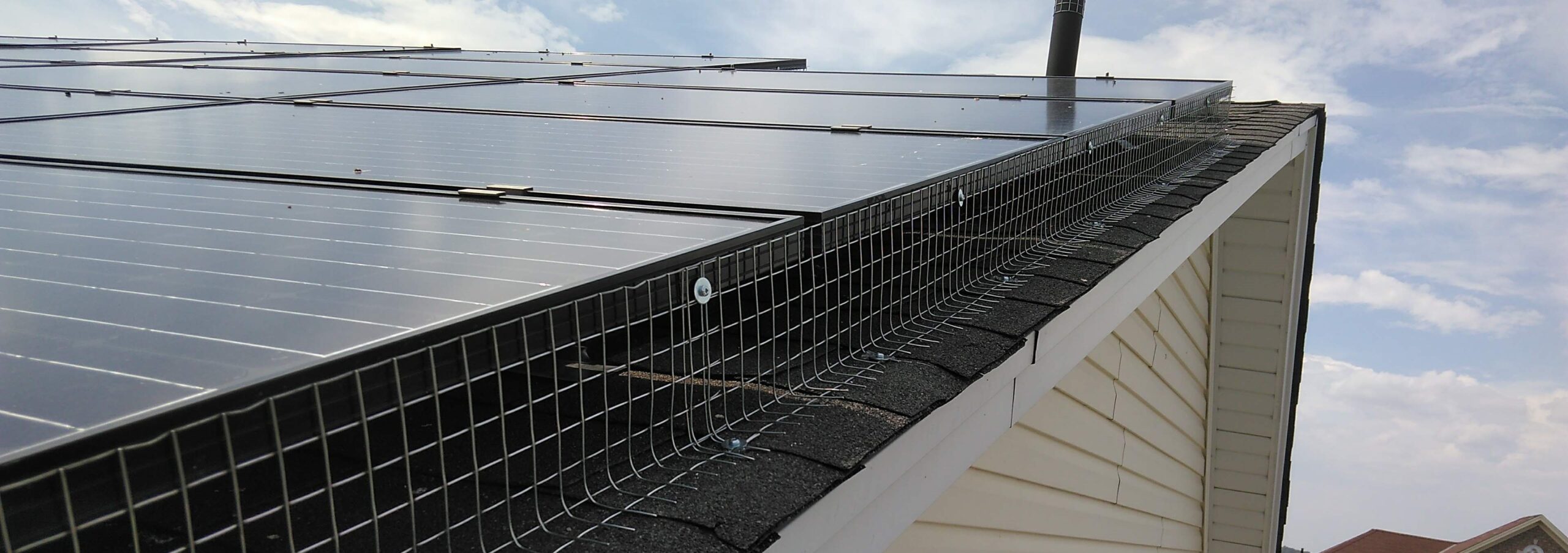
Prevention is the key to making sure the issue doesn’t return. After the immediate problem is solved, professionals focus on bird-proofing home vents to keep your home safe in the long run. They install vent guards that can resist pulling and pecking, use materials that won’t rust or wear down, and make sure guards allow proper airflow while blocking entry.
Bird-proofing is a one-time step that saves you from repeat visits, costly damage, and constant repairs. It’s also a smart investment, since protecting your vents now helps you avoid expensive problems later. By making sure vents are both secure and functional, you can enjoy peace of mind knowing the issue is handled for good.
Step 7: Checking for Hidden Damage
Birds inside vents can cause more than just clogs. Their activity often creates hidden damage that homeowners don’t see right away. Professionals always look for these risks:
- Mold or moisture problems from blocked airflow.
- Fire hazards from dry nesting materials.
- Weak ductwork or wiring damage.
- Stains or odors spreading into the bathroom.
Catching these early helps avoid big repair bills later. It also gives you peace of mind that your bathroom is safe.
Step 8: Monitoring and Follow-Up
Sometimes, the best solution is not just a one-time visit. Professional teams may return to check that the problem is fully solved. Follow-up visits confirm that:
- The one-way doors worked as planned.
- No new birds have entered.
- Vent covers and seals are still secure.
This kind of monitoring keeps your home protected for the long term.
What Happens If You Wait Too Long?
Delaying action leads to bigger issues. The longer birds stay inside vents, the more costly the problem becomes. Risks include:
- A completely blocked vent, leaving your fan useless.
- More droppings, increasing odor and bacteria.
- Nesting year after year in the same spot.
- Expensive repairs from hidden damage.
That’s why calling for removing birds from vents as soon as you hear noises is the best choice.
Bird-Proofing Home Vents
Once the birds are out, prevention is the next step. Bird-proofing home vents means closing off the weak spots that made entry possible in the first place. This step matters because birds are likely to return to the same vent year after year if it stays open.
Prevention includes:
- Installing secure vent covers that resist pecking and pulling.
- Sealing gaps around vents and siding.
- Checking other vents, like dryer or kitchen vents, for signs of damage.
By focusing on bird-proofing home vents, you keep problems from repeating and save yourself from ongoing repairs.
The Role of Skedaddle in Minneapolis
At Skedaddle Humane Wildlife Control, we’ve seen the impact of birds in bathroom vents across Minneapolis homes. Our process is built around safety and prevention. We use one-way doors that let animals leave but not re-enter, replace broken vent covers, and seal weak spots across the home.
You can trust us to handle every step so you don’t have to. We focus on protecting your bathroom, your family, and your peace of mind.
Protect Your Bathroom Vents
Hearing birds in bathroom vents is a clear sign something needs attention. With help from professionals, you can focus on the right steps: confirming the problem, removing birds from vents, cleaning and repairing, and finally bird-proofing home vents for good.
At Skedaddle Humane Wildlife Control in Minneapolis, we’re ready to help. Request an estimate to learn more about keeping your home safe and your vents clear vents. With our proven process, you can relax knowing the job is done right.

 Loading...