
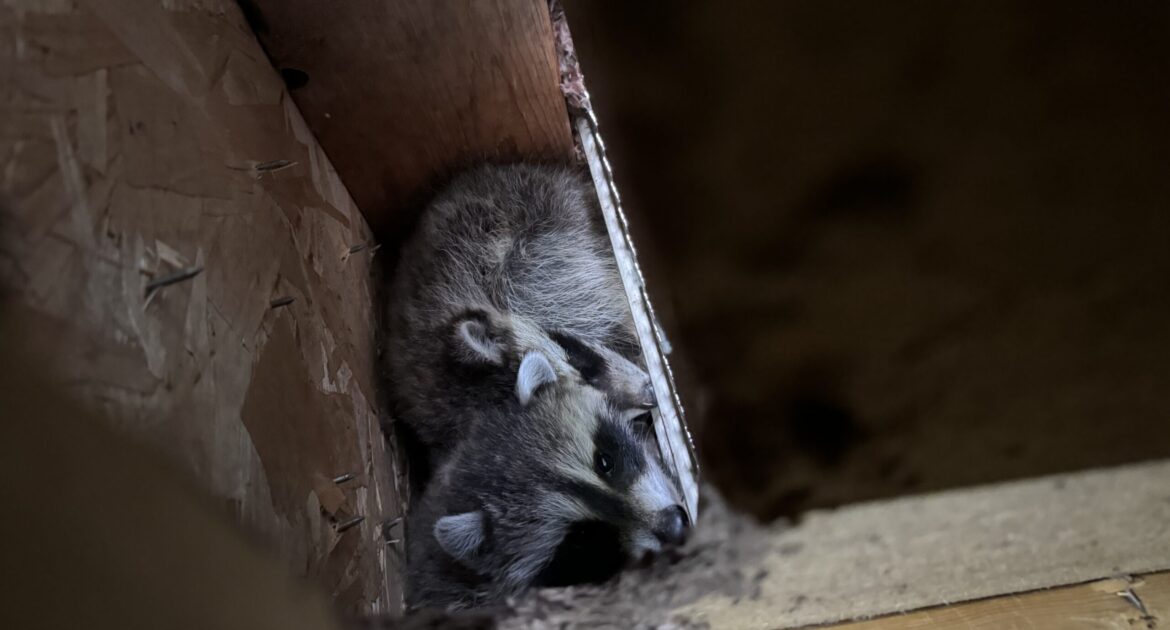
Many homeowners don’t realize that the choices they make around their property can have a big impact on local wildlife. Something as simple as a clogged gutter, a poorly maintained roof, or dense shrubs near the foundation can create opportunities for animals to seek shelter or food. At Skedaddle Humane Wildlife Control in Minneapolis, we see these situations often and help homeowners understand how to reduce risks while keeping wildlife safe.
Making wildlife-friendly maintenance decisions doesn’t have to be complicated. Small, informed adjustments to how you maintain your home can prevent unwanted animal activity and protect your property. In this blog, we’ll explore common maintenance decisions, their effects on local wildlife, and how we guide homeowners toward solutions that are both safe and humane.
Roof and Gutter Maintenance
Roofs and gutters play a bigger role in wildlife activity than many homeowners realize. Loose shingles, damaged tiles, or clogged gutters can create hidden spaces for animals to explore or nest.
- Debris-filled gutters attract birds, small mammals, and even bats.
- Loose shingles or roof edges provide entry points for nesting.
- Damaged or unsealed vents can allow animals into attics or eaves.
Statistics show that more than 40% of wildlife access points in homes come from improperly maintained roofs and gutters. Proper inspection and upkeep help reduce these opportunities and keep wildlife from entering your home.
Landscaping and Yard Choices
Your yard design and plant choices can influence how animals move around your property. Dense shrubs, tree placement, and mulch can all create shelter or attract food sources.
- Thick shrubs along the foundation provide cover for small mammals.
- Trees near roofs or eaves can create easy travel paths for squirrels or bats.
- Fruit-bearing plants or fallen fruit can increase wildlife activity near your home.
For example, homeowners who plant fruit trees close to the house may unintentionally attract more rodents or birds. Awareness of these choices allows homeowners to make decisions that balance landscaping goals with minimizing wildlife conflicts.
Exterior Lighting Decisions
Outdoor lighting affects nocturnal wildlife, including bats, raccoons, and owls. Bright or poorly placed lights can disrupt natural behaviors and attract animals to areas they wouldn’t normally visit.
- Continuous bright lighting can interfere with bat feeding patterns, pushing them closer to residential areas.
- Motion-activated lights can sometimes startle animals and create repeated activity near doors or windows.
- Strategic lighting placement can reduce wildlife intrusion while maintaining safety for homeowners.
Studies have shown that artificial lighting can reduce natural insect populations, which indirectly impacts animals that rely on those insects for food. Careful consideration of exterior lighting can help maintain ecological balance.
Structural Maintenance Choices
How you maintain doors, vents, and foundations affects the potential for wildlife access. Small gaps, holes, or damaged screens can create easy entry points for animals seeking shelter.
- Attic vents without proper screens can allow bats or birds to roost.
- Chimney caps that are missing or damaged can provide openings for birds or small mammals.
- Basement windows or crawl space gaps can attract rodents looking for warmth and shelter.
Statistics indicate that over 50% of wildlife-related home damage results from structural vulnerabilities. By addressing these areas, homeowners reduce the risk of repeated activity and property damage.
Water Features and Drainage
Water sources naturally attract local wildlife. Even a simple water feature or poor drainage can draw animals closer to homes.
- Standing water can attract amphibians, small mammals, and birds.
- Drains or leaky hoses near foundations can create travel paths for animals.
- Outdoor fountains or pet water dishes can encourage repeated visits.
Proper water management and mindful placement of water sources help reduce unnecessary wildlife activity near sensitive areas. At Skedaddle, we advise homeowners on how to manage water safely while keeping animals protected.
Seasonal Maintenance Decisions
Seasonal maintenance also affects wildlife. Snow removal, leaf cleanup, and pruning can either reduce or create shelter opportunities depending on timing and technique.
- Removing debris carefully can eliminate nesting sites for small mammals without harming animals.
- Pruning trees or shrubs away from roofs reduces access points for birds and squirrels.
- Timing yard cleanup outside of nesting season helps protect wildlife while maintaining property safety.
By planning maintenance around seasonal wildlife behavior, homeowners can minimize conflicts and maintain a healthy yard.
How We Help Homeowners Make Wildlife-Friendly Decisions
At Skedaddle Humane Wildlife Control in Minneapolis, we work with homeowners to ensure maintenance decisions reduce conflicts with local wildlife. Our approach is professional, humane, and proactive.
We provide:
- Hotspot Assessments: Identifying areas where wildlife activity is likely or recurring.
- Structural Guidance: Advising on doors, vents, foundations, and roof maintenance to limit access.
- Property Management Advice: Recommendations on landscaping, water features, and lighting to reduce attractants.
- Educational Support: Teaching homeowners about seasonal maintenance and wildlife behavior to make informed decisions.
By combining professional insight with practical advice, we help homeowners make decisions that protect both their property and local wildlife.

Small Decisions Make a Big Difference
Everyday home maintenance decisions have a bigger impact than most homeowners realize. From roof inspections to landscaping choices, water management, and lighting decisions, simple adjustments can help prevent wildlife conflicts. Understanding how these choices affect local wildlife allows homeowners to protect their property while supporting safe, humane coexistence.
At Skedaddle Humane Wildlife Control in Minneapolis, we focus on proactive, humane solutions for homeowners. By assessing your property, providing expert guidance, and educating you on wildlife-friendly practices, we help ensure your home is safe, protected, and wildlife-conscious. Small, informed decisions today can prevent repeated activity tomorrow and create a home environment that respects both people and animals.
Contact Skedaddle today to learn more about how we help homeowners make wildlife-friendly maintenance choices while keeping their properties safe.

 Loading...







