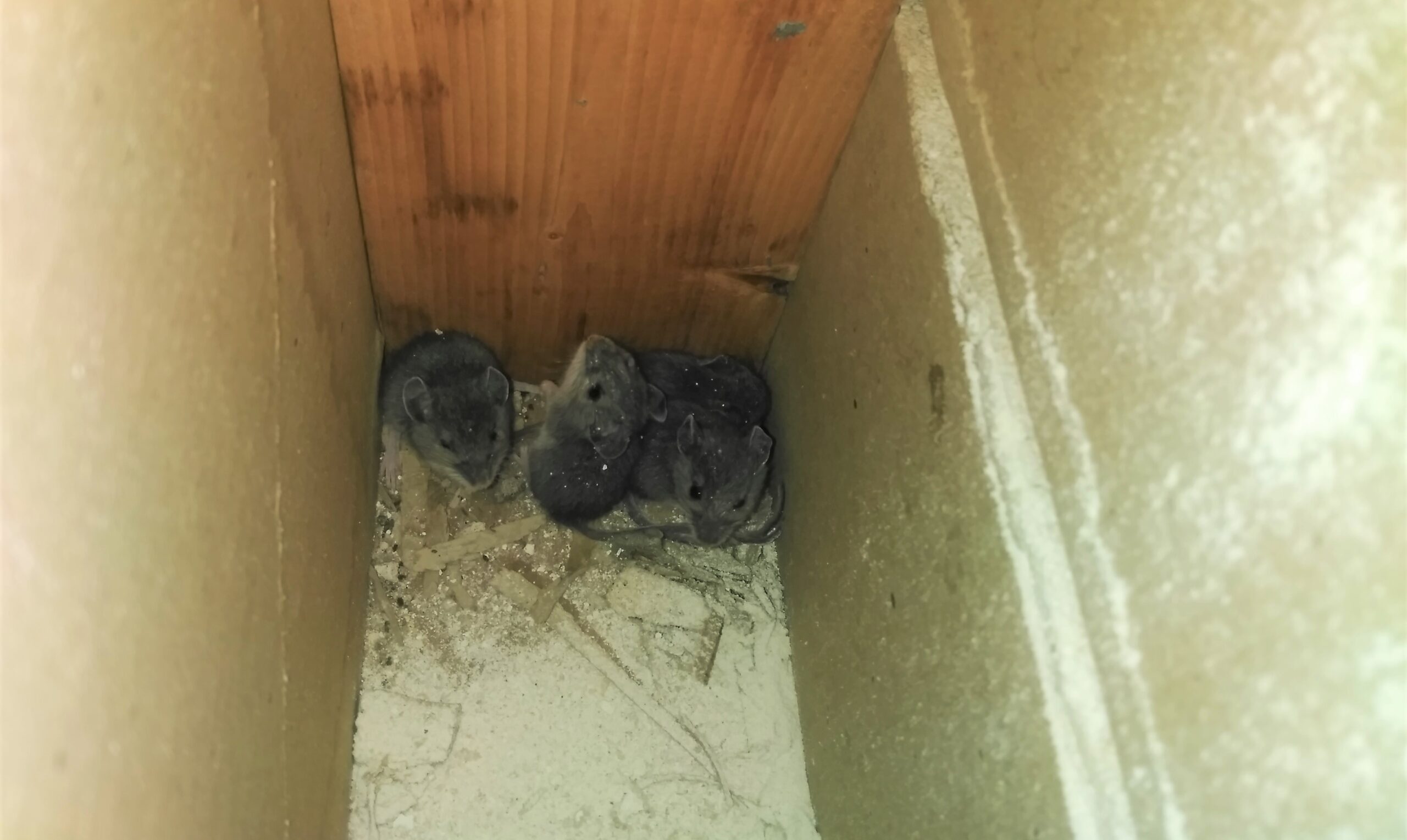
Understanding the mouse reproduction rate is crucial for every Minneapolis homeowner and business owner looking to protect their property. Appreciating how swiftly mice multiply can help prevent an unwanted invasion of these tiny visitors on your premises. Mice are notorious for their ability to squeeze through holes as small as a dime and breed at astonishing rates—if left unchecked, a single sighting can rapidly become a larger infestation.
This article explores how mice multiply quickly, what drives these population booms in the Minneapolis area, and the steps you can take to prevent a small problem from becoming a much larger one.
The Science Behind Mouse Reproduction Rate
The mouse reproduction rate is truly astounding. Female mice can become pregnant again within just days of giving birth, and a typical pregnancy lasts only about 19 to 21 days. Under the right conditions, a single female and her offspring can produce hundreds of new mice within months.
Let’s break down what makes this possible:
- Mice reach sexual maturity as early as six weeks old.
- Females can birth 5-10 pups per litter.
- A single female can have between 5 and 10 litters per year.
- Breeding occurs year-round in indoor environments.
- Offspring from the first litter will start breeding within six weeks of birth.
These rapid breeding habits mean that even if you notice just one or two mice in your home or business, many more could be hiding away, already multiplying behind the scenes.
Understanding these fundamentals of breeding habits helps explain why infestations escalate quickly. Next, we’ll examine the factors that cause mouse populations to surge, particularly in Minneapolis homes as the seasons change.
How Mice Infestations Grow: Environmental Factors at Play
In Minneapolis, changes in weather—particularly as fall sets in—play a significant role in how mouse infestations grow. Cold temperatures and dwindling outdoor food supplies drive mice to seek warmth and nourishment indoors. There, they find a safer, more stable environment conducive to even faster breeding and population growth.
The pace at which a small group of mice can turn into an infestation depends on several key environmental factors:
- Access to steady food sources, such as stored grains or crumbs in kitchens.
- Availability of shelter in undisturbed areas like attics, basements, or wall cavities.
- Consistent warmth, removing the need for nesting or hibernation.
- Fewer predators inside compared to outdoors.
- Readily available nesting materials such as shredded paper, insulation, or fabric.
Within Minneapolis properties, our heated homes and businesses create the ideal setting for these rodents to thrive year-round. This is one core reason why indoor mouse populations escalate far faster than their outdoor counterparts. Transitioning from why mice thrive indoors, it’s equally important to understand how their breeding habits play a significant role in this problem.
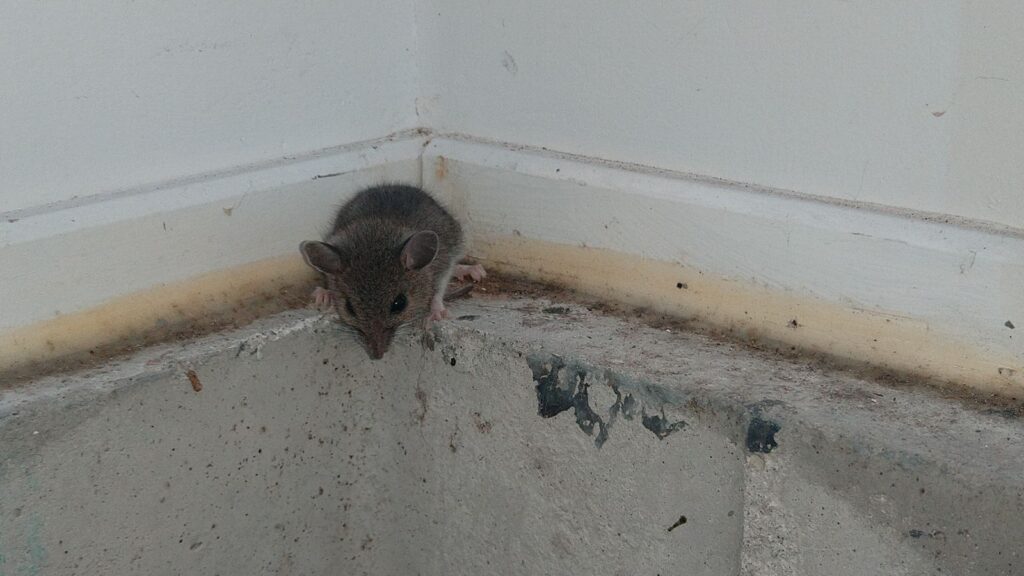
Mice Breeding Habits Explained
At the heart of every mouse infestation is the biology of the animals themselves. Mice breeding habits are designed to ensure survival and rapid expansion, especially in settings where food, water, and protection from the elements are plentiful.
The main characteristics that fuel their explosive growth include:
- Females are almost always either pregnant or nursing, with only short interruptions between pregnancies.
- Mice breed all year indoors, unaffected by the season.
- One female can give birth to around sixty pups per year under ideal indoor conditions.
- Males play a role by regularly searching for new mates and defending nesting territories.
- The young are ready to leave the nest and start breeding themselves at a very young age.
In Minneapolis, this means that mice discovered in a home or business during the fall may already have an established network of tunnels, multiple nests, and several generations hidden within walls or ceilings by winter’s peak. Now that we understand the biological drivers of infestations, let’s address the influence of the living environment—specifically how indoor conditions can tip the balance in favor of mice.
Indoor Versus Outdoor: Why Infestations Escalate Faster Indoors
While mouse populations do exist outdoors, their growth is naturally limited by changing temperatures, predators, and sporadic food supplies. Indoor spaces, by contrast, create an environment in which all these natural limits are removed.
Indoor spaces in Minneapolis provide mice with numerous advantages. Climate-controlled temperatures allow breeding cycles to continue year-round, while abundant food sources—including pet food, pantry items, and garbage—ensure steady nourishment. The reduced presence of predators like owls, snakes, or outdoor cats makes indoor environments safer, and human homes offer countless hiding spots such as wall voids, insulation, and unused storage areas. Additionally, the many unnoticed entryways in households make re-infestation likely without professional intervention.
Minneapolis homes, often with aging infrastructure or seasonal repairs, are especially vulnerable. Gaps near utility lines, basement cracks, or attic vents become easy openings.
This indoor safety net creates the ideal breeding ground, allowing mouse populations to escalate quickly and making professional intervention even more important. With these unique Minneapolis challenges, understanding prevention and rapid identification strategies becomes a necessity.
Identifying and Preventing Mouse Infestations in Minneapolis
The first sign of a mouse rarely means you only have one on your property. Understanding how mice infestations grow highlights why quick action is vital. Spotting early warning signs and acting immediately can mean the difference between a manageable issue and significant property damage.
Signs of a growing mouse infestation are often easy to detect. Homeowners may hear scratching or chewing sounds, particularly at night, and notice droppings in cupboards, basements, or attics. Chewed wires, food packaging, or insulation are also common indicators, along with unpleasant ammonia-like odors in unused rooms. Visible nests made from shredded materials further confirm the presence of these unwelcome visitors.
Each of these signs signals an active, rapidly multiplying population. Homeowners and business owners should also be aware that mice often stay hidden in unoccupied spaces, making early detection more difficult.
The best long-term solution is prevention, beginning with a detailed inspection. Key preventative measures include:
- Sealing all cracks, holes, and gaps larger than 6 millimeters.
- Storing food in sealed, mouse-proof containers.
- Cleaning up crumbs, spills, and pet food daily.
- Regularly inspecting unused or seldom-accessed spaces.
- Maintaining outdoor landscaping to reduce shelter opportunities near foundations.
If signs of mice are detected, prompt action is critical. Skedaddle’s customized mouse-proofing and exclusion process involves:
- Conducting a thorough property assessment to pinpoint all entryways.
- Identifying signs of contamination and educating homeowners about the issue’s full scope.
- Humane removal of all mice to prevent them from dying inside your walls or attic.
- Professionally sealing your home or business with durable materials designed for Minneapolis weather and mouse persistence.
- Cleaning up hazardous droppings and contaminated materials to ensure family or staff safety.
Our approach is based on decades of research and crafted to address the specific risks and construction styles common throughout the Minneapolis area.
Stay Ahead of Rapid Infestations with Skedaddle’s Expert Help
Mice are relentless breeders, capable of transforming a single unnoticed entry into a widespread infestation within weeks. Their ability to exploit even the smallest gaps, coupled with the cozy, food-rich environments of Minneapolis homes, accelerates their population growth and amplifies potential property damage and health risks.
The key to truly protecting your property isn’t just reacting to obvious signs—it’s preventing mouse access and catching issues before they escalate. Skedaddle’s comprehensive approach combines meticulous inspections, humane removal, and durable exclusion methods designed for the unique challenges of Minneapolis living. Don’t let a minor problem become a costly nuisance. Contact Skedaddle Humane Wildlife Control today and let our experienced team secure your home or business for good, ensuring you remain mouse-free through every season.

 Loading...







