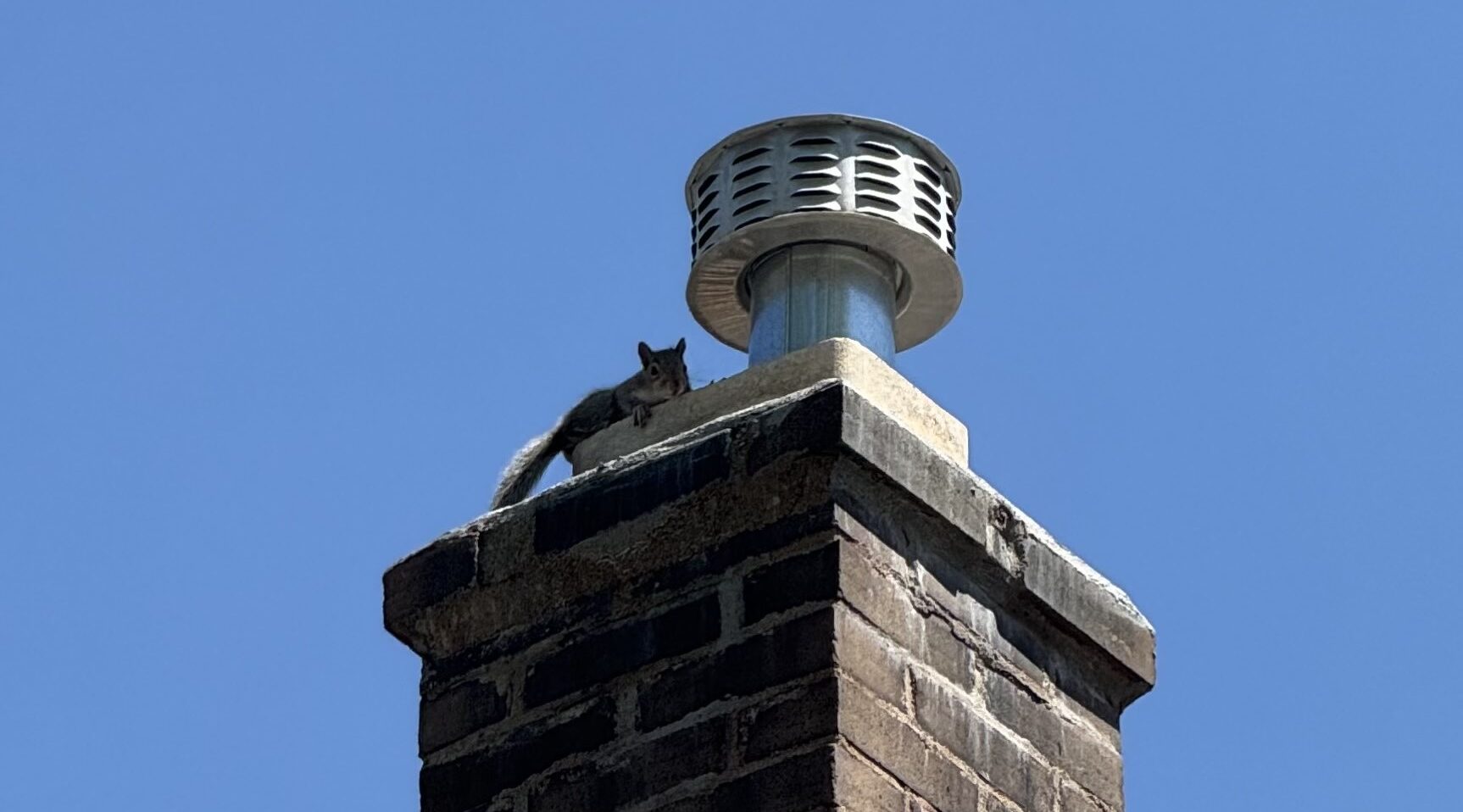
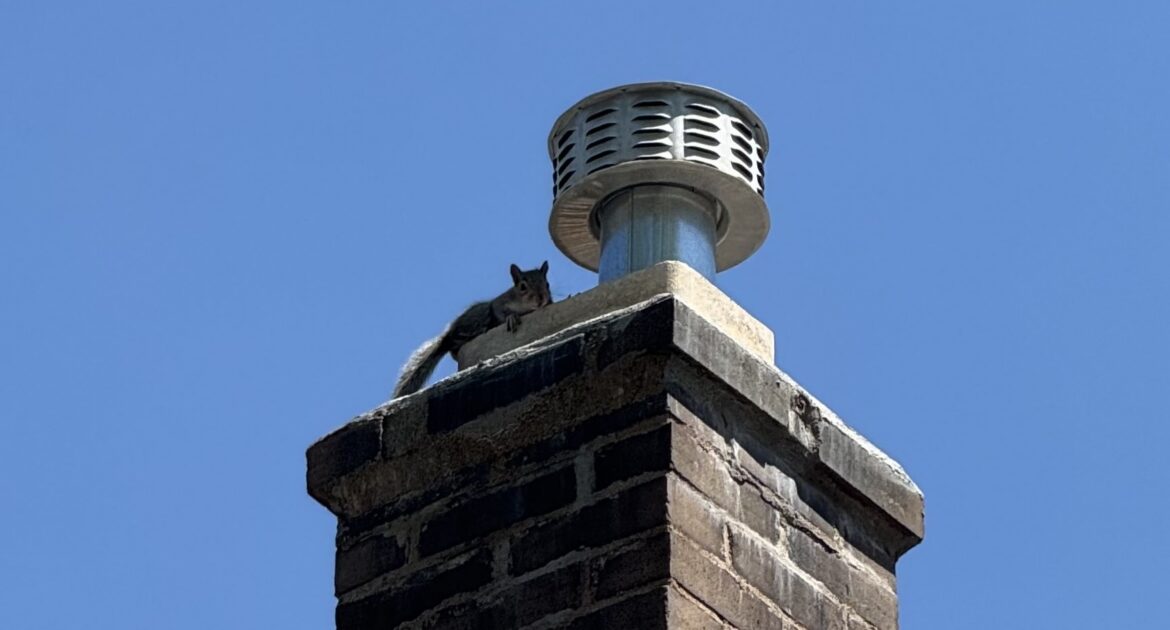
Hearing noises in chimney spaces can be unsettling, especially when your home should feel quiet and safe. Scratching, thumping, or chirping sounds often point to wildlife activity that shouldn’t be ignored.
At Skedaddle Humane Wildlife Control in Minneapolis, we help homeowners identify what’s causing these sounds and protect their homes using humane, professional solutions. Chimneys may look solid, but to wildlife, they can feel like the perfect shelter.
Why Chimneys Attract Wildlife
Chimneys closely resemble hollow trees, which are natural nesting and shelter spaces for many animals. They offer warmth, protection from predators, and minimal human activity—especially during colder months in Minnesota.
Wildlife activity in chimneys tends to increase:
- In fall, when animals look for warmth
- In winter, during extreme cold snaps
- In spring, when nesting behavior increases
Studies show that urban wildlife activity can increase by up to 40% during colder seasons as animals search for shelter near homes.
Common Wildlife Found in Chimneys
Chimneys present an ideal shelter for various wildlife species due to their warmth and relative seclusion. Understanding which animals are most commonly found in chimneys is crucial for homeowners aiming to prevent potential issues, protect their homes, and promote safe coexistence with urban wildlife.
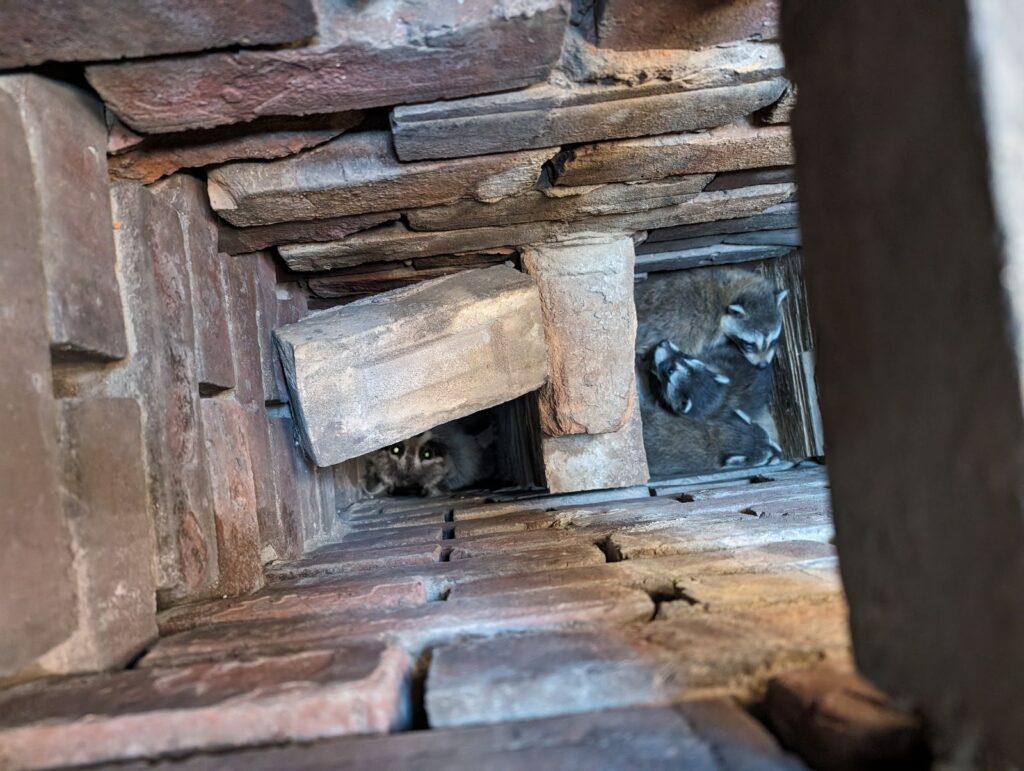
Raccoons
Raccoons are one of the most common causes of chimney disturbances. They are strong climbers and often access roofs with ease.
Signs of raccoons in a chimney include:
- Heavy thumping sounds
- Noises mainly at night
- Strong odors from nesting materials
Raccoons are known to cause structural damage if chimney access isn’t addressed quickly.
Squirrels
Squirrels are active and fast-moving, which leads to constant scratching or scampering sounds. They often explore chimneys while moving along rooflines.
Their presence can result in:
- Debris buildup
- Blocked airflow
- Damage to chimney liners
Wildlife researchers estimate squirrels can fit through openings as small as 2 inches, making chimneys vulnerable if unprotected.
Birds
Birds frequently enter chimneys during nesting season. Homeowners may hear:
- Chirping
- Fluttering wings
- Sudden bursts of movement
Bird nests can restrict airflow and increase fire risks. According to fire safety data, chimney blockages are a contributing factor in over 25% of fireplace-related issues.
Bats
Bats may roost near chimney openings or nearby gaps. While they are quieter than other wildlife, faint scratching or rustling may be noticeable at dusk or dawn.
Because bats often return to the same roosting sites annually, professional assessment is essential to prevent repeat activity.
Signs You May Have Animals in Your Chimney
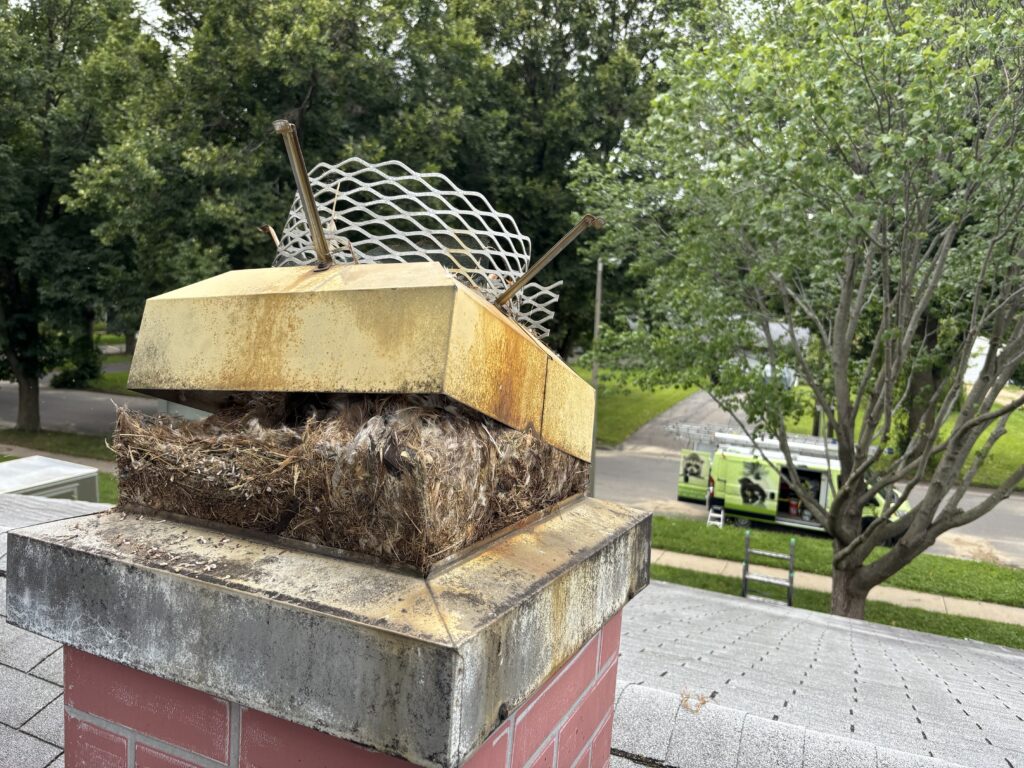
Wildlife isn’t always heard before it’s noticed. Some common warning signs include:
- Scratching, chirping, or thumping sounds
- Debris falling into the fireplace
- Smoke backing up when using the fireplace
- Unusual odors inside the home
If you suspect animals in chimney spaces, it’s important to act quickly to avoid safety risks.
Why Chimney Wildlife Should Never Be Ignored
Ignoring chimney activity can lead to serious problems. Blocked chimneys increase the risk of:
- Smoke inhalation
- Carbon monoxide exposure
- Chimney fires
The CDC reports that carbon monoxide exposure causes over 400 deaths annually in the U.S., making chimney safety a top priority.
Wildlife activity can also lead to long-term structural damage if access points remain open.
How We Identify the Source of Chimney Noises
At Skedaddle, we start with a thorough inspection. We don’t guess—we identify the species, access points, and contributing factors.
Our assessment includes:
- Chimney structure evaluation
- Roofline and vent inspection
- Identifying nesting materials or blockages
Understanding wildlife behavior allows us to provide solutions that protect both your home and the animals involved.
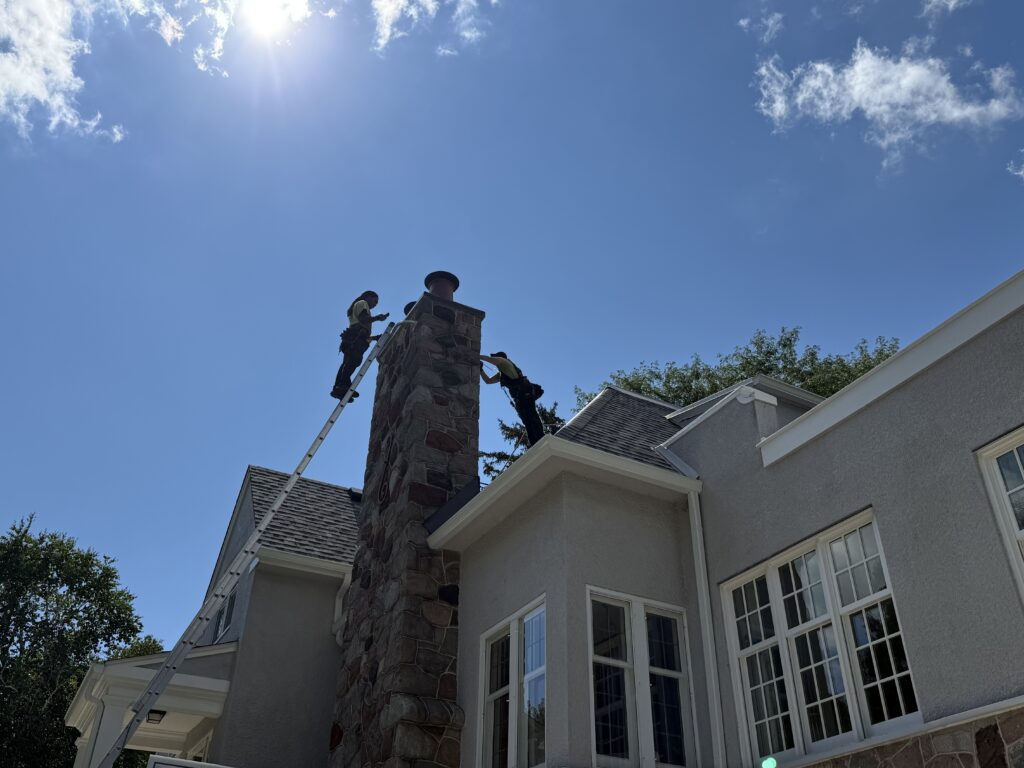
Humane Solutions for Chimney Protection
Effective chimney wildlife removal focuses on prevention rather than short-term fixes. Our approach prioritizes long-lasting exclusion methods designed to keep wildlife out permanently.
We use:
- Professionally installed chimney caps
- Reinforced barriers built for durability
- Repairs that prevent re-entry
These measures help ensure wildlife cannot regain access once the issue is resolved.
Preventing Future Chimney Wildlife Issues
Prevention is always easier than repeated repairs. Homes with professional chimney protection experience significantly fewer wildlife issues over time.
Key prevention strategies include:
- Securing chimney openings with wildlife-proof materials
- Addressing roofline vulnerabilities
- Scheduling regular professional inspections
Data from wildlife control studies shows that proper exclusion reduces repeat chimney activity by over 90%.
Why Professional Experience Matters
Wildlife behavior is complex. Without the right knowledge, temporary fixes often fail and lead to recurring issues.
At Skedaddle, we combine:
- Decades of experience
- Humane, science-backed methods
- Property-wide prevention strategies
Our expertise ensures your home stays protected long after the initial issue is resolved.
Addressing Noises In Chimney Areas the Right Way
When noises in chimney spaces appear, they are a clear sign that action is needed. Wildlife activity should always be taken seriously to protect both your home and your family.
At Skedaddle Humane Wildlife Control in Minneapolis, we specialize in humane, professional chimney wildlife removal that keeps homes safe without causing harm. If you’re dealing with ongoing sounds or suspect animals in chimney areas, our team is here to help provide peace of mind and long-term protection.

 Loading...







