
You should have your Minneapolis home inspected before fall temperatures begin to drop. Cooler weather can push rats toward buildings that offer steady warmth, food, water, and shelter. If your foundation, garage, vents, or basement windows have weak spots, your home may not be ready for the seasonal increase in activity.
Minneapolis ranked ninth on a 2025 list of America’s “rattiest” cities. The ranking was based on new residential rodent-control services recorded from August 20, 2024, through August 21, 2025. Minneapolis also moved two places higher than it ranked the year before, showing that local problems remain common. CBS News Minnesota reported that it was the only Minnesota city in the top 50.
You do not need to inspect unsafe spaces or search for hidden nests yourself. At Skedaddle Humane Wildlife Control in Minneapolis, we handle the inspection, removal, cleanup, and prevention work for you. In this blog, we explain why September matters, where these animals enter, which signs point to hidden activity, and how professional exclusion offers longer-term protection.
Do Rats Only Live in Dirty Homes?
No, rats do not only live in dirty homes. They can enter any building that gives them food, water, warmth, and a protected place to nest. Even a clean house can have a foundation crack, worn garage seal, damaged vent, or small utility gap.
Poor sanitation can make a problem worse because it provides steady food. However, access is just as important. Garbage, compost, birdseed, and pet food may draw these animals close, but an opening is what allows them to move indoors.
You cannot judge the risk by how tidy your home looks. Our professional inspection considers the outside of the building, hidden indoor spaces, food sources, and signs of movement. This helps find the cause instead of placing blame on the homeowner.
Why September Matters for Minneapolis Homes
September brings cooler nights to Minneapolis. These animals may begin searching for protected spaces before the coldest weather arrives. Basements, walls, garages, storage rooms, and crawl spaces can offer the shelter they need.
Outdoor food may also become less dependable as the season changes. Once they find food and warmth inside a building, they may remain active through winter. Rats do not need to wait for snow before moving indoors.
The city’s high ranking shows why early attention matters. A professional fall inspection can find weak areas before activity becomes harder to manage. Our technicians can also determine whether warning signs point to an active indoor problem.
Entry Points Around Minneapolis Homes
Rats can enter through openings that may be hard to notice from the yard. Many gaps sit near ground level, behind exterior materials, or around lines that pass through a wall. Our team checks the whole structure because the most obvious opening may not be the only one.
- Foundation Gaps: Cracks may form where concrete, brick, siding, and other materials meet. These spaces can lead into a basement, crawl space, or wall. Our technicians inspect the full foundation for active routes and weak areas.
- Utility Openings: Pipes, wires, gas lines, and cables must pass through exterior walls. Small spaces around them can provide hidden access. Once inside, these animals may follow the lines through several parts of the home.
- Exterior Vents: Damaged covers and loose screens can leave space around an attic, dryer, or exhaust vent. The opening may look secure from the ground while its edges remain loose. Our professional inspection can find damage without asking you to climb or remove anything.
- Garage-Door Seals: A worn or uneven seal may leave a gap beside or beneath the door. After reaching the garage, they may enter storage areas or nearby walls. Our team checks the full door frame and the connection between the garage and house.
- Basement Windows: Older frames, broken screens, and damaged materials can create access near the ground. Moisture may weaken the area around a window over time. We inspect both the window and the nearby foundation for connected gaps.
Fall Attractants Around the Property
Food and shelter outside can bring rats close to your home. If the building also has an opening, a yard problem may become an indoor one. Our assessment connects attractants with nearby travel routes and entry points.
- Garbage: Loose lids, torn bags, and spilled waste can provide regular meals. Strong food smells may draw activity from nearby areas. Shared collection spaces can also affect several homes.
- Compost: Food scraps and strong odors may attract these animals. A compost area near a garage, deck, or foundation can place them close to the building. Our team can determine whether signs around it connect to indoor activity.
- Birdseed: Fallen seed can create a steady food source on the ground. Bags stored in a garage or basement may also be damaged. We check nearby routes to see whether activity has reached the structure.
- Pet Food: Food kept in a garage, basement, or storage room may support a hidden problem. Small spills can provide many meals. Chewed bags or containers may be an early warning sign.
- Protected Yard Spaces: Thick growth and spaces under decks or steps can provide cover close to the home. These locations may sit beside foundation gaps or basement windows. Our inspection looks at both the building and its surroundings.
Signs of Hidden Activity
You may notice damage or waste before you see a rat. These animals often move behind walls, above ceilings, or beneath floors. You should leave the affected area alone and call a professional when you find these signs.
- Droppings and Stains: Waste may appear beside walls, in cabinets, or near stored belongings. Even a small amount can point to activity in a hidden space. Do not touch, sweep, or vacuum the material.
- Gnaw Marks: Chewed packages, wood, drywall, plastic, or insulation may signal an indoor problem. Electrical wires can also be damaged. This may increase the risk of power trouble or fire.
- Sounds Behind Walls: Scratching, squeaking, chewing, or quick movement may come from a wall or ceiling. You may notice these sounds more often at night. Our technicians can trace the source without opening random parts of your home.
- Rub Marks and Odors: Dark, greasy marks can form along routes used many times. Urine, waste, and nesting material may also produce strong smells. These signs help our team map hidden travel paths.
- Outdoor Burrows: Holes beneath steps, decks, or thick ground cover may point to nesting near the home. A burrow can place activity close to an indoor entry point. It should be professionally assessed before work begins.
Why Removal Alone Can Lead to Another Problem
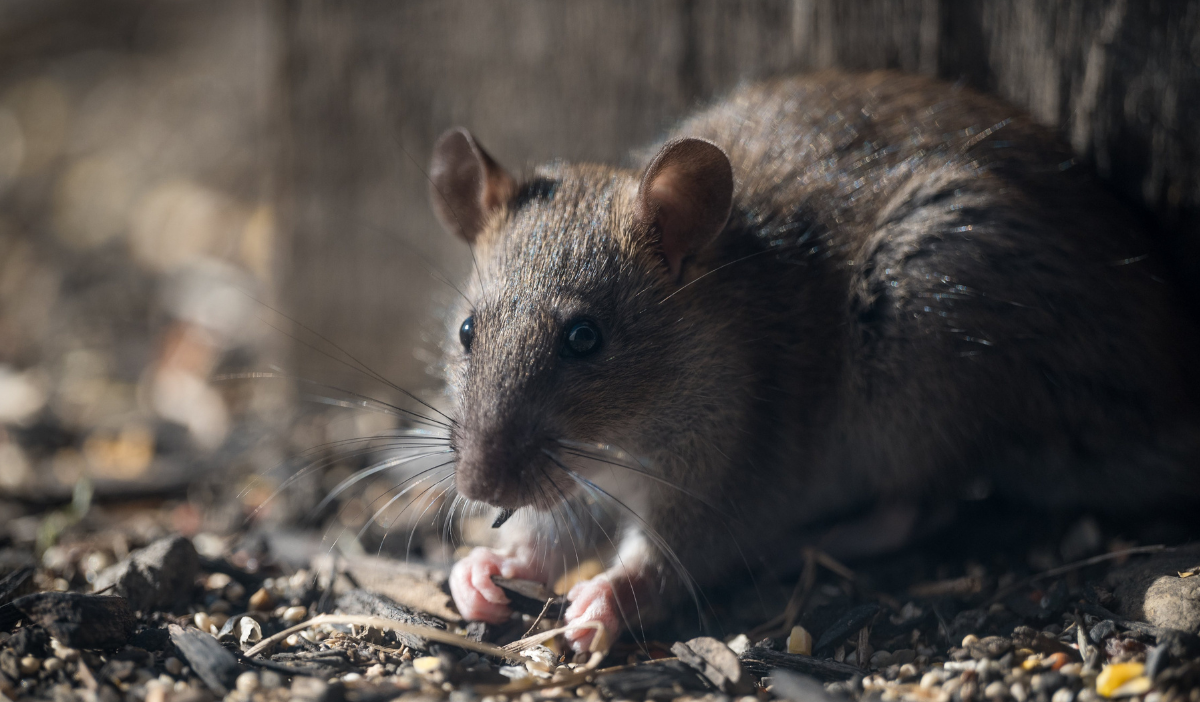
Removing one visible rat does not explain how it entered. Others may still be behind walls, above ceilings, or beneath floors. The original route may also remain open after the visible activity stops.
Poison does not repair a foundation gap or damaged vent. It may also leave a dead rat in a wall or another space that is hard to reach. This can cause lasting odors and add contamination to the home.
A complete response must deal with the current activity and the conditions that allowed it to begin. That means finding every entry point, assessing hidden nesting areas, and checking for contaminated material. The work must address the whole property rather than one room.
How Professional Inspection Finds the Full Problem
Our professional wildlife team checks the inside and outside of your Minneapolis home. We examine foundations, vents, utility lines, garage doors, basement windows, storage spaces, walls, and other possible routes. This provides a fuller picture than a single sighting can offer.
Droppings, odors, rub marks, gnawing, nesting material, and sounds can reveal where rats travel. The room where you saw one may be far from the main entry point. It may also be far from the area where they rest or nest.
Our findings guide a plan made for your property. We determine which areas require humane removal, professional sanitation, restoration, or exclusion. You do not need to enter contaminated spaces or search for the nest yourself.
How Humane Removal, Cleanup, and Exclusion Work Together
A longer-term solution deals with both the animals and the building. Each part of the service has a clear purpose. When they work together, the risk of recurring activity becomes much lower.
- Humane Removal: Our team selects a removal method based on the structure and the signs we find. When appropriate, we install one-way doors that let wildlife leave but prevent re-entry. We confirm that the affected space is clear before closing it.
- Professional Cleanup: Waste, urine, nesting material, and damaged insulation may remain after removal. Our technicians address contaminated areas using professional equipment and safety procedures. You should never handle or clean these materials yourself.
- Building Restoration: Nesting and chewing may damage insulation or other parts of the home. We assess the affected materials and complete needed restoration work. This helps return the space to a safer condition.
- Exclusion: We professionally secure foundations, utility gaps, vents, worn seals, and other vulnerable areas. Strong materials are important because rats can chew through weak repairs. Exclusion helps stop new activity from using the same routes.
Fall Rat Problems in Minneapolis
Minneapolis has cold winters, so dependable indoor shelter can become valuable as fall arrives. Older foundations, basements, attached garages, and changing building materials may contain hidden gaps. September gives our team an important chance to find those areas before colder weather adds more pressure.
Activity may begin near a foundation or garage and then spread into walls and ceilings. You might hear movement without knowing where the main opening is located. Droppings, odors, gnawing, and damaged packages may provide other clues.
A clean home can still develop a problem when access remains open. Removing one rat will not correct hidden routes, contamination, or other weak areas. Skedaddle finds the source, completes humane removal and sanitation, and secures vulnerable parts of the property.
Rat Removal and Prevention with Skedaddle
Our professional wildlife team begins with a detailed inspection. We locate active entry points, nesting areas, travel routes, damage, and contamination. We then create a removal and prevention plan for the full home.
We use humane methods based on the conditions we find. One-way doors may allow these animals to leave while stopping them from returning. After we confirm the affected space is clear, we complete professional cleanup and remove contaminated materials where needed.
Our team then secures vulnerable openings with durable materials. Skedaddle handles the inspection, removal, sanitation, restoration, and exclusion work from start to finish. You will not be asked to touch waste, enter unsafe spaces, or complete the repairs yourself.
Frequently Asked Questions
Why do rats enter Minneapolis homes in the fall?
Cooling temperatures can push them toward warm and protected buildings. Food, water, and nesting space can make a home useful throughout winter. Openings around foundations, doors, vents, and utilities may provide access.
Can rats enter a clean home?
Yes, a clean home can still have a problem. Cleanliness cannot block a damaged vent, worn seal, or foundation gap. Nearby outdoor food and shelter may also bring activity close to the house.
What do rats behind walls sound like?
You may hear scratching, squeaking, chewing, or quick movement. The sounds may become easier to notice at night. Our trained professionals should inspect the building to locate the source.
Does seeing one rat mean more are present?
One sighting does not prove how many are inside. However, others may remain hidden near a nest or travel route. A complete inspection is needed to find the full extent of the activity.
Why do rats return after removal?
New rats can use the same route when an entry point remains open. Food, shelter, and nesting conditions may continue to support activity. Removal should be paired with professional cleanup and exclusion.
Should rat droppings be cleaned right away?
The contamination should be addressed, but you should not clean it yourself. Sweeping or vacuuming dried waste may spread particles into the air. Our team can assess and professionally clean the affected space.
Who should inspect a Minneapolis home for rats?
A trained wildlife professional should inspect the complete property. Skedaddle can locate hidden routes, assess contamination, complete humane removal, and secure entry points. This addresses more than the area where one was seen.
Get Ahead of Fall Activity
September is an important time to have your Minneapolis home inspected. Cooler weather can make warm basements, walls, garages, and storage spaces more attractive. The city’s ninth-place ranking shows that local rodent activity is not rare.
Foundation gaps, utility openings, damaged vents, worn garage seals, and basement windows can provide access. Garbage, compost, birdseed, and pet food may also bring these animals close to your house. Droppings, gnaw marks, odors, and noises behind walls can point to an indoor problem that requires prompt attention.
You should not touch waste, enter contaminated areas, place poison, or seal an opening yourself. A hidden rat or dependent young could still be inside, and closing the wrong gap may make the situation worse.
At Skedaddle Humane Wildlife Control in Minneapolis, we provide professional inspection, humane removal, sanitation, restoration, and exclusion. We find the source and complete the work needed to help protect your home through fall and winter. Contact us today and request an estimate to get started.

 Loading...