When you look up at the trees in your neighborhood and see a big ball of leaves and twigs, you might wonder what’s hiding inside. Most people assume it’s just a pile of debris or maybe a bird’s nest. But if you could take a peek inside, you might find something far more fascinating: a squirrel’s home.
These leafy bundles are called dreys, and they’re built with care, planning, and a surprising sense of design. Understanding squirrel nesting habits and what’s inside squirrel dreys helps you see just how clever and resourceful these animals really are. It also explains why, when trees aren’t enough, they sometimes look to homes and attics for shelter.
At Skedaddle Humane Wildlife Control in Minneapolis, we see firsthand how impressive squirrel drey construction can be and why prevention is key to keeping your home protected while letting nature thrive outdoors.
The Hidden Engineering of a Squirrel’s Home
You might be surprised to learn that a squirrel’s drey isn’t random at all. It’s a carefully planned home, built high in the trees for warmth, safety, and protection from the wind. Every stick and leaf has a purpose.
The average drey measures about 12 to 18 inches across. It’s tucked into a fork between sturdy branches, where it won’t blow away easily. While it may look messy from the ground, inside it’s structured and layered like a miniature cabin.
A single drey includes:
- A strong outer shell made from twigs, leaves, and vines for protection.
- A soft, insulated core packed with grass, moss, and bark to stay warm.
- An entrance hole about the size of a tennis ball, often facing south for sunlight.
This design keeps squirrels warm in the harshest weather and dry during heavy rain. All with no tools and no help from humans.
The Secret Layers Inside Squirrel Dreys
If you could peek inside one of these nests, you’d find a surprisingly neat setup. Squirrels build different layers with specific materials for different reasons. Each part plays an important role in helping them survive the winter.
A typical drey includes:
- A Sleeping Chamber: This is the coziest part, where adult squirrels sleep and sometimes raise their young.
- A Nesting Layer: Made of shredded grass, leaves, and sometimes fur — it provides softness and warmth.
- A Ventilation Hole: Used to circulate air and double as a quick escape route.
- Insulated Walls: Two to three inches thick to trap body heat and block wind.
It’s a perfect balance of comfort and function. You can think of it as nature’s version of a heated blanket and safe room combined.
Squirrel Drey Construction: The Materials That Make It All Possible
Squirrels are master builders. You might even say they’re the architects of the treetops. They use materials that are easy to find but incredibly effective at holding up through rough weather.
Here’s what goes into squirrel drey construction:
- Twigs and small branches to form the frame and give structure.
- Leaves and grass to fill in gaps and add insulation.
- Moss and bark for softness and warmth.
- Pine needles or feathers for extra padding and protection from moisture.
They even weave everything together so the outer layer locks tight. This prevents snow and rain from seeping through. The inside stays surprisingly warm, sometimes up to 30 degrees warmer than the outside air.
How Squirrels Build Their Dreys Step by Step
You might be amazed at how much effort goes into building a drey. The process can take several days, depending on weather and food availability. Squirrels usually work in pairs, often returning to the same trees each year.
The building steps usually look like this:
- Find the right tree fork. It has to be strong enough to support the weight.
- Create a stick foundation. They interlock branches like puzzle pieces for strength.
- Weave in soft materials. Grass, moss, and leaves fill the gaps.
- Add the inner chamber. This becomes the warm sleeping area.
- Finish with outer insulation. The last layer of leaves seals the drey tight.
It’s a lot of work for a small animal, but the reward is a cozy, weatherproof home that can last through multiple seasons.
Squirrel Nesting Habits Through the Seasons
You might notice more dreys in the fall. That’s because squirrels spend much of late summer and early autumn preparing for the cold months ahead. Their squirrel nesting habits change throughout the year depending on weather, food, and babies.
- Spring: Females build fresh dreys for baby squirrels, often lower in trees for easy access.
- Summer: Squirrels rest in cooler, less insulated dreys to escape the heat.
- Fall: They strengthen and rebuild their main dreys before winter.
- Winter: They huddle together inside for warmth, sometimes sharing space with other squirrels.
Each season brings a different type of construction and maintenance, showing just how adaptable these animals can be.
What’s Hidden Inside: A Mini Storage Space
A drey isn’t just for sleeping. It’s also a handy storage space. Squirrels stash food like nuts, seeds, and acorns between the outer layers or nearby branches so they don’t have to travel far in bad weather.
You might even find:
- Shells and husks from eaten nuts.
- Small piles of seeds or acorns.
- Feathers or fur used for extra lining.
These mini pantries make winter survival easier. By building close to food storage, squirrels save time and energy and reduce their risk of being caught by predators.
Baby Squirrels and the Safety of the Drey
When a mother squirrel gives birth, her drey becomes a nursery. The thick layers protect her babies from cold and rain, and the hidden entrance keeps predators away.
The mother checks the nest constantly, adding more leaves and fur as needed to keep it soft and clean. When the babies are old enough to move, she teaches them to climb and may even build a second nest nearby for extra space.
The design of squirrel drey construction is so sturdy that one drey can support multiple generations. It’s a safe start to life, unless a storm, predator, or human disturbance forces them to rebuild elsewhere.
Why Dreys Sometimes Lead to Attic Problems
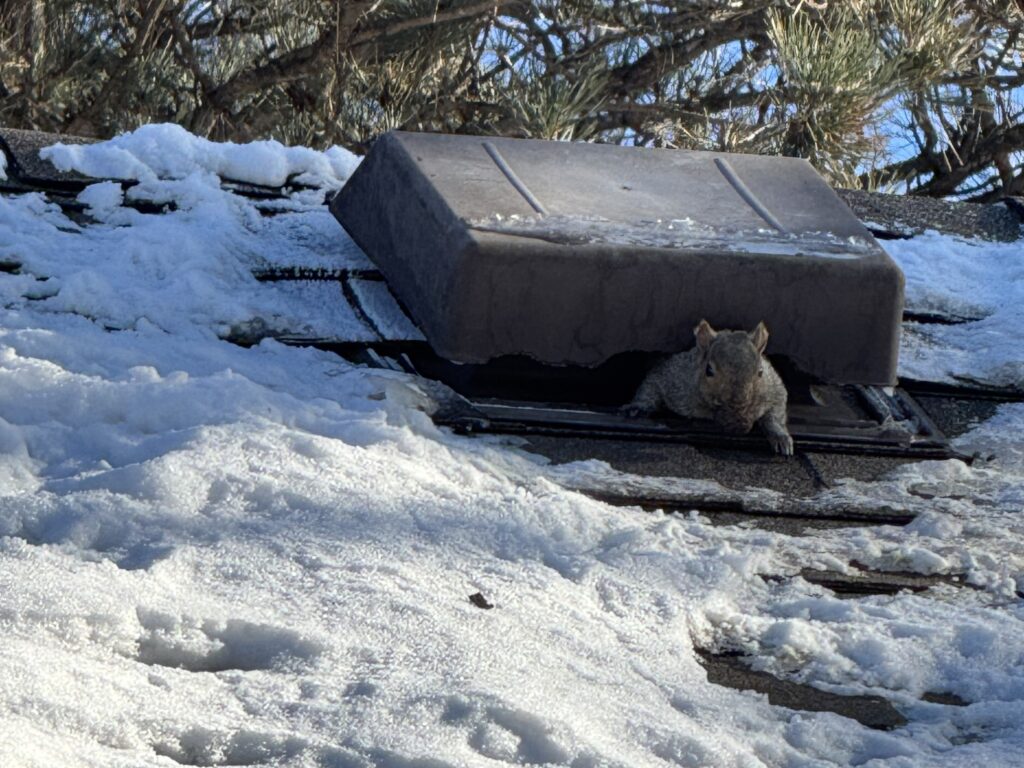
When the temperature drops or trees lose too many branches, squirrels look for warm, quiet spaces to build nests.
Your attic provides:
- Insulation that mimics the softness of leaves.
- Warmth from your heating system.
- Safety from wind, rain, and predators.
The problem is, they don’t realize the damage they can cause. Their chewing and nesting can harm wiring, insulation, and wood. That’s why prevention and professional help matter before they move in.
Professional Squirrel Prevention With Skedaddle
You deserve to enjoy a peaceful home without unwanted guests nesting overhead. That’s where our team at Skedaddle Humane Wildlife Control in Minneapolis comes in.
Our experts use humane methods to keep squirrels outdoors where they belong. We inspect homes carefully, seal all entry points, and use one-way doors that let animals leave safely without coming back. It’s a long-term, humane solution that protects your home and the local squirrel population.
When you contact Skedaddle, you can count on:
- A detailed inspection of your attic, roof, and vents.
- Humane removal methods that respect animal behavior.
- Long-lasting prevention strategies that stop re-entry.
Our goal is simple: protect your home, and help squirrels stay in their natural habitat.
Keep the Nests in the Trees, Not Your Home
Now that you know more about squirrel nesting habits and what’s inside squirrel dreys, it’s easy to see why these animals are such skilled builders. Their squirrel drey construction creates strong, warm shelters that can last for months. But when trees and branches aren’t enough, your attic can become their next target.
Let Skedaddle Humane Wildlife Control in Minneapolis help you keep squirrels safe and your home secure. If you’ve noticed noises in the attic or signs of nesting, request an estimate to learn more. We’ll make sure the squirrels stick to the trees and stay out of your insulation this season.

 Loading...