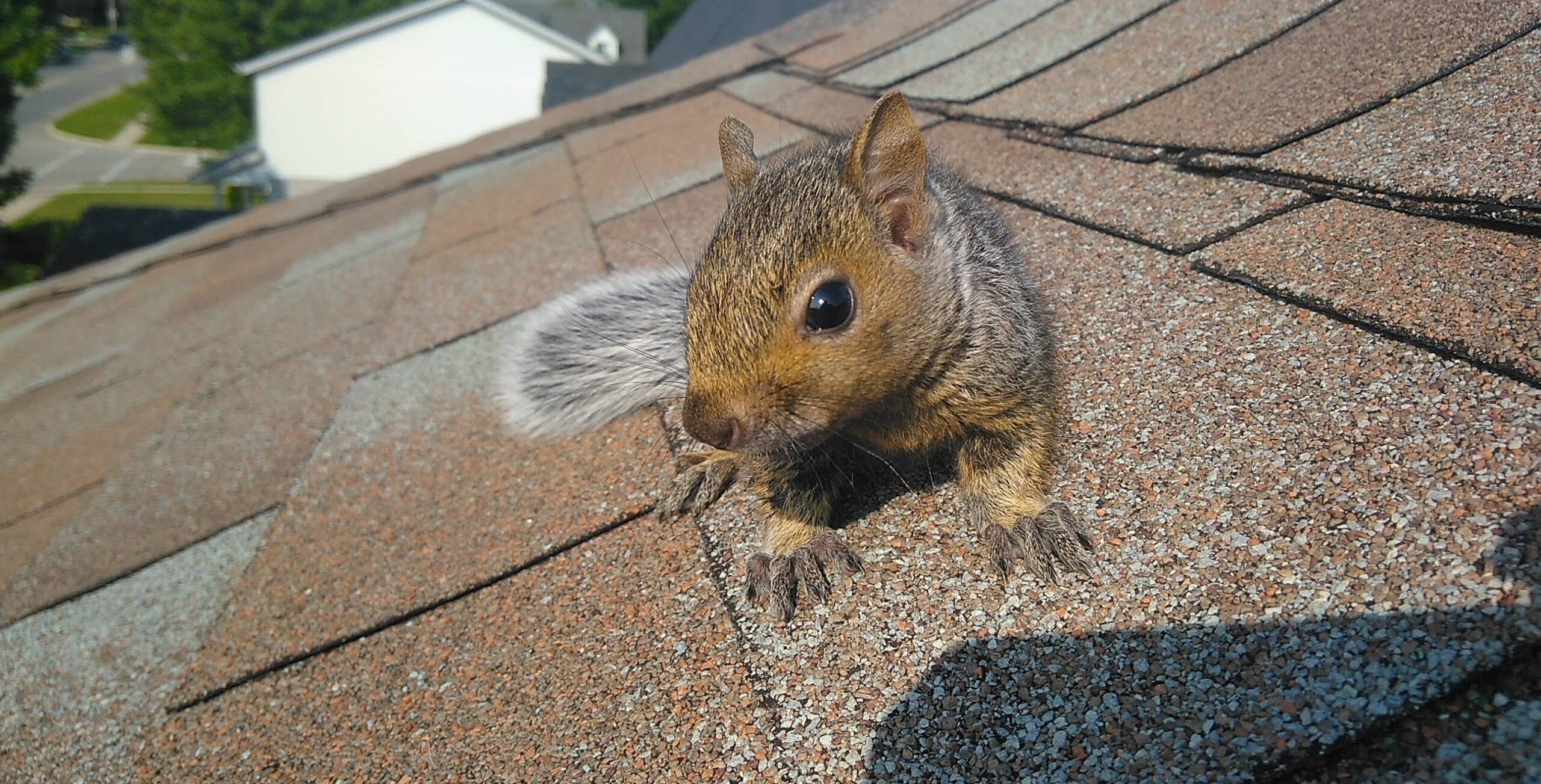

You look out at the trees in your Minnesota neighborhood and see busy squirrels running, climbing, and sometimes gliding. But did you know there are several squirrel species in Minnesota that now share the same forests? This overlap is changing what we know about Minnesota wildlife diversity. Scientists are studying what happens when different squirrels live in the same areas, and what this squirrel population overlap means for the future of our forests.
So, what does a squirrel species overlap mean for wildlife in Minnesota? Simply put, it shows that our environment is changing. Warmer winters are pushing southern flying squirrels farther north, where they now share territory with northern flying squirrels.
The overlap may affect food supplies, nesting spots, and even forest health. At Skedaddle Humane Wildlife Control in Minneapolis, we pay close attention to these shifts, since they can also increase the chance of squirrels entering homes. Understanding the bigger picture helps us know how to keep both people and wildlife safe.
The Squirrel Species in Minnesota
Minnesota has several types of squirrels, but the two most interesting when it comes to overlap are the northern flying squirrel and the southern flying squirrel.
- The northern flying squirrel prefers colder forests with spruce, fir, and pine.
- The southern flying squirrel likes warmer hardwood forests with oak and maple.
- Both species are active at night and use a flap of skin between their legs to glide through the air.
Even though they don’t actually fly, their gliding ability helps them move quickly between trees to find food and avoid predators. Where their forests meet — in areas west of Duluth and toward Bemidji — these two species now live side by side.
Why the Overlap Is Happening
Climate is the main reason for squirrel species in Minnesota starting to overlap. Winters are not as cold or as long as they used to be, which makes it easier for southern flying squirrels to move north. Researchers say this is a clear sign of change in Minnesota’s forests.
When animals shift their ranges like this, it often means food supplies, nesting spaces, and even relationships with other species start to change too. This overlap may sound simple, but it can create a ripple effect across the ecosystem.
How Southern Flying Squirrels Affect the North
When southern and northern flying squirrels share the same areas, there are several possible outcomes:
- Competition for Space: Southerns may push northerns out of tree cavities.
- Food Competition: Southerns eat acorns and maple seeds, while northerns eat truffle mushrooms. This could change what plants grow in the forest.
- Parasite Concerns: Southerns sometimes carry a parasite that can harm northerns.
This squirrel population overlap may not wipe out northern flying squirrels right away, but it could slowly reduce their numbers. That means Minnesota may lose some of the unique benefits that northern flying squirrels bring to forest health.
The Role of Northern Flying Squirrels
Northern flying squirrels may be smaller and less aggressive, but they play a big role in Minnesota wildlife diversity. They eat truffle mushrooms, which are important for forest growth. When they digest and pass the spores, the fungi help trees take in nutrients and water.
If northerns decline due to pressure from southerns, forests could lose some of this natural cycle. Over time, this might affect how healthy and balanced woodlands remain.
Research in Minnesota
The University of Minnesota’s Natural Resources Research Institute (NRRI) is leading research to better understand this overlap. Scientists are:
- Using sound devices to track where flying squirrels live.
- Trapping and collaring squirrels to see how far they travel.
- Studying what food sources they rely on.
- Looking at how parasites may spread between species.
This research will help wildlife managers make better decisions about how to protect the balance of squirrel species in Minnesota and keep forests thriving.
Why Squirrels Matter for People
It may seem like flying squirrels have little to do with your daily life, but changes in their populations affect more than forests. When one species grows in number, they may also look for new places to nest — including homes.
At Skedaddle, we often see squirrels enter attics, vents, and walls when they run out of space outside. As overlap continues, the squirrel population overlap may increase the number of conflicts between people and squirrels in Minneapolis and other cities.
The Bigger Picture of Minnesota Wildlife Diversity
Flying squirrels are just one example of Minnesota wildlife diversity shifting due to climate change. When one species moves north or south, other animals often follow. These changes may:
- Affect the balance of forests and plant growth.
- Change how food sources are shared between animals.
- Increase human-animal conflicts in urban areas.
By looking closely at squirrels, researchers get an early signal of how larger ecosystems might change in the future.
What Homeowners Should Know
If you live near wooded areas, you probably already have squirrels nearby. With overlap increasing, it’s even more likely they will come close to your home. The main risks include:
- Damage to insulation from nesting.
- Droppings and urine that create odors.
- Chewing on wires, which can be a fire hazard.
- Noises at night as they move around.
These are not problems you want to ignore. Professional removal and prevention are the safest ways to deal with them.
How Professionals Handle Squirrel Problems
When squirrels find their way indoors, the process for handling them includes:
- Inspecting the home to find entry points.
- Installing one-way doors so squirrels can leave safely but not return.
- Sealing weak spots to stop new animals from entering.
- Checking for damage in the attic or walls and recommending repairs.
This approach protects both your home and the animals while ensuring the problem doesn’t return.
Why Prevention Is Key
Prevention is always better than dealing with a full infestation. Professionals focus on:
- Strengthening vents and rooflines.
- Repairing broken screens or soffits.
- Bird- and squirrel-proofing areas that are easy entry points.
With squirrel species in Minnesota overlapping more, prevention becomes even more important. Stopping problems before they start saves money, stress, and damage to your home.
What This Means for the Future
The overlap of flying squirrels in Minnesota is still being studied, but it already tells us a lot about how the environment is shifting. Southern species may keep moving north, while northern species could decline. This doesn’t just affect the animals—it affects forests, plants, and even homeowners.
By paying attention now, researchers and professionals can protect both Minnesota wildlife diversity and the safety of families across the state.
Protect Your Home and Minnesota’s Wildlife
At Skedaddle Humane Wildlife Control, we understand how important prevention is when it comes to squirrels. Our methods focus on humane removal, one-way doors, and long-term prevention. When you hear noises in your attic or see signs of damage, you can count on us to handle it safely and completely.
The overlap of squirrel species in Minnesota shows how much our environment is changing. This squirrel population overlap affects forests, food supplies, and even how often squirrels end up in homes. It’s also an important reminder of the value of Minnesota wildlife diversity and why protecting it matters.
At Skedaddle Humane Wildlife Control in Minneapolis, we’re ready to help. Request an estimate to learn more about how we prevent and solve squirrel problems while keeping your home safe. With the right steps, you can protect your property and support the natural balance of Minnesota’s wildlife.

 Loading...