You work hard to keep your home safe, warm, and comfortable. But have you ever thought about what happens when animals sneak inside your attic or walls? The hidden problem is often wildlife damage to insulation. It’s one of the most costly and frustrating issues homeowners in Minneapolis face.
So, what is the impact of wildlife on your home’s insulation? It’s more serious than you might think. Animals tear, flatten, and soil insulation. They leave behind droppings and urine, which not only destroy the material but can also create health risks. Without good insulation, your home loses heat in the winter and cool air in the summer, which drives up your energy bills. That’s why protecting home insulation is so important.
At Skedaddle Humane Wildlife Control in Minneapolis, we see the results every day. When animals make their way indoors, the damage can spread fast. By knowing how animals affect insulation and what you can do about it, you’ll understand why insulation and pest prevention go hand in hand.
This article will break down the different types of wildlife damage to insulation, the animals that cause it, the hidden dangers for your home, and how professionals like us at Skedaddle protect your space for the long run.
How Animals Break Down Insulation
You may not see it right away, but animals create serious damage to insulation in different ways. Here’s how it usually happens:
- Tearing and Pulling: Raccoons, squirrels, and other animals rip apart insulation to make nests.
- Flattening: When animals walk or crawl on insulation, it gets packed down and loses its ability to trap air.
- Soiling: Urine and droppings soak into insulation, making it unsafe and useless.
- Displacement: Animals push insulation out of place, leaving cold or hot spots in your home.
These issues might start small, but they get worse over time. Once one animal makes a nest, others often follow the same path. That’s why insulation and pest prevention is a key step in keeping your home safe.
Raccoons and Their Messy Habits
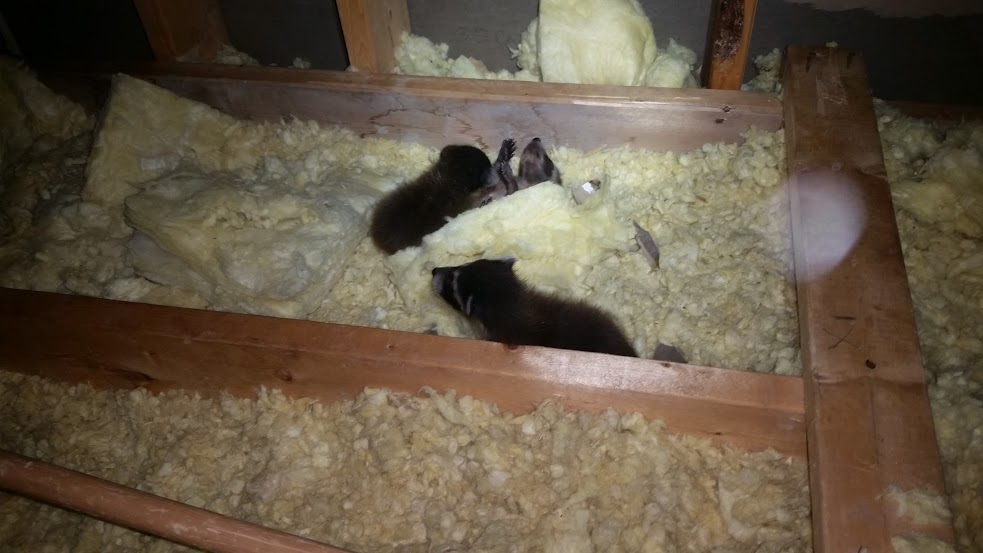
Raccoons are one of the biggest threats to your insulation. These animals are strong and determined. Once inside, they waste no time tearing large holes in insulation for nesting.
- Raccoons leave behind large amounts of droppings and urine.
- Their weight crushes insulation flat, making it useless.
- They may also damage air ducts or wires nearby.
Because raccoons are heavy, the damage to insulation is often worse than with smaller animals. Many homeowners in Minneapolis don’t realize the problem until heating and cooling costs spike. By then, the wildlife damage to insulation is often severe.
Squirrels Chew and Scatter
Squirrels are known for their constant chewing. When they get into attics, they pull insulation apart and scatter it around. They also use the pieces to line their nests.
- Their chewing can also damage wood beams and wiring.
- Droppings and urine mix with the insulation, creating foul odors.
- Gaps in insulation allow drafts and uneven temperatures indoors.
Squirrels are active year-round, so the damage doesn’t stop with one season. This makes protecting home insulation a never-ending battle without the right prevention steps.
Mice and Rats Create Hidden Problems
Rodents might be small, but they create outsized damage to insulation. Unlike raccoons or squirrels, mice and rats often go unnoticed at first. They quietly chew, tunnel, and soil insulation until the problem becomes huge.
- Rodents shred insulation to build nests.
- Their waste spreads across wide areas, ruining the material.
- They multiply quickly, so the damage grows fast.
The longer rodents remain inside, the more costly the cleanup becomes. What starts as one or two mice can quickly turn into a colony. That’s why insulation and pest prevention is so important for Minneapolis homes.
Bats and the Guano Problem
Bats also play a big role in wildlife damage to insulation. When bats roost in attics, their droppings, called guano, pile up quickly. This creates several issues:
- Guano soaks into insulation, destroying its ability to insulate.
- The smell can spread through the home.
- Over time, guano can create serious health concerns for families.
Unlike raccoons or squirrels, bats don’t tear insulation apart, but the waste they leave behind is just as damaging. This is one of the main reasons protecting home insulation requires professional help.
The Hidden Costs of Wildlife Damage
When insulation is ruined, the costs go beyond the mess. You deal with several hidden problems, including:
- Higher Energy Bills: Damaged insulation means your home loses heat in winter and cool air in summer.
- Moisture Problems: Gaps and soiled areas can let moisture in, which may lead to mold.
- Health Risks: Droppings, urine, and nesting materials can spread bacteria and allergens.
- Odor Issues: Smells from waste seep into your living space.
The longer these problems go untreated, the worse they get. That’s why quick action and insulation and pest prevention matter so much.
Signs You May Have Wildlife in Your Insulation
You don’t always see animals directly, but the signs of trouble are there if you know what to look for. Here are some common clues:
- Strange noises in the attic or walls at night.
- Bad smells that don’t go away, even after cleaning.
- Uneven temperatures in rooms of your home.
- Higher utility bills with no clear reason.
- Droppings or chewed materials near entry points.
When you notice these signs in your Minneapolis home, it often means you’re already dealing with wildlife damage to insulation.
Why Insulation Damage Is Easy to Miss
You might not realize animals have ruined your insulation until it’s too late. That’s because:
- Insulation is hidden behind walls, ceilings, and attics.
- Wildlife is active mostly at night, when you’re asleep.
- Damage builds slowly, so problems can grow without being noticed.
By the time you see the impact, the wildlife damage to insulation may already be extensive. This makes prevention and professional inspection even more important.
The Role of Prevention
The best way to keep your home safe is to stop animals from getting inside in the first place. That’s where insulation and pest prevention comes in. Professionals like us at Skedaddle use one-way doors to allow animals to leave safely, but not re-enter. After that, we seal up weak spots to keep new animals out.
Prevention is not just about stopping current problems—it’s about protecting home insulation for years to come. With the right steps, you avoid costly repairs, energy loss, and health risks.
Why Skedaddle Handles It Best
At Skedaddle Humane Wildlife Control, we focus on solutions that keep both you and the animals safe. Our process works with the natural behavior of the animals. By using one-way doors and sealing entry points, we solve the problem without causing harm.
For homeowners in Minneapolis, this means peace of mind. You don’t have to worry about whether your insulation is being torn apart or soiled while you sleep. We take care of the entire process, so you don’t have to lift a finger.
Keep Your Home Warm, Safe, and Healthy
Wildlife damage to insulation can be costly, messy, and dangerous to ignore. From raccoons tearing apart insulation to bats leaving guano behind, the risks are real. By focusing on protecting home insulation, you save money and protect your family’s health.
At Skedaddle Humane Wildlife Control in Minneapolis, we’re here to help. Request an estimate to learn more about how we repair damage and prevent future problems. With our one-way doors and proven methods, you can feel confident your home will stay safe and comfortable year-round.

 Loading...