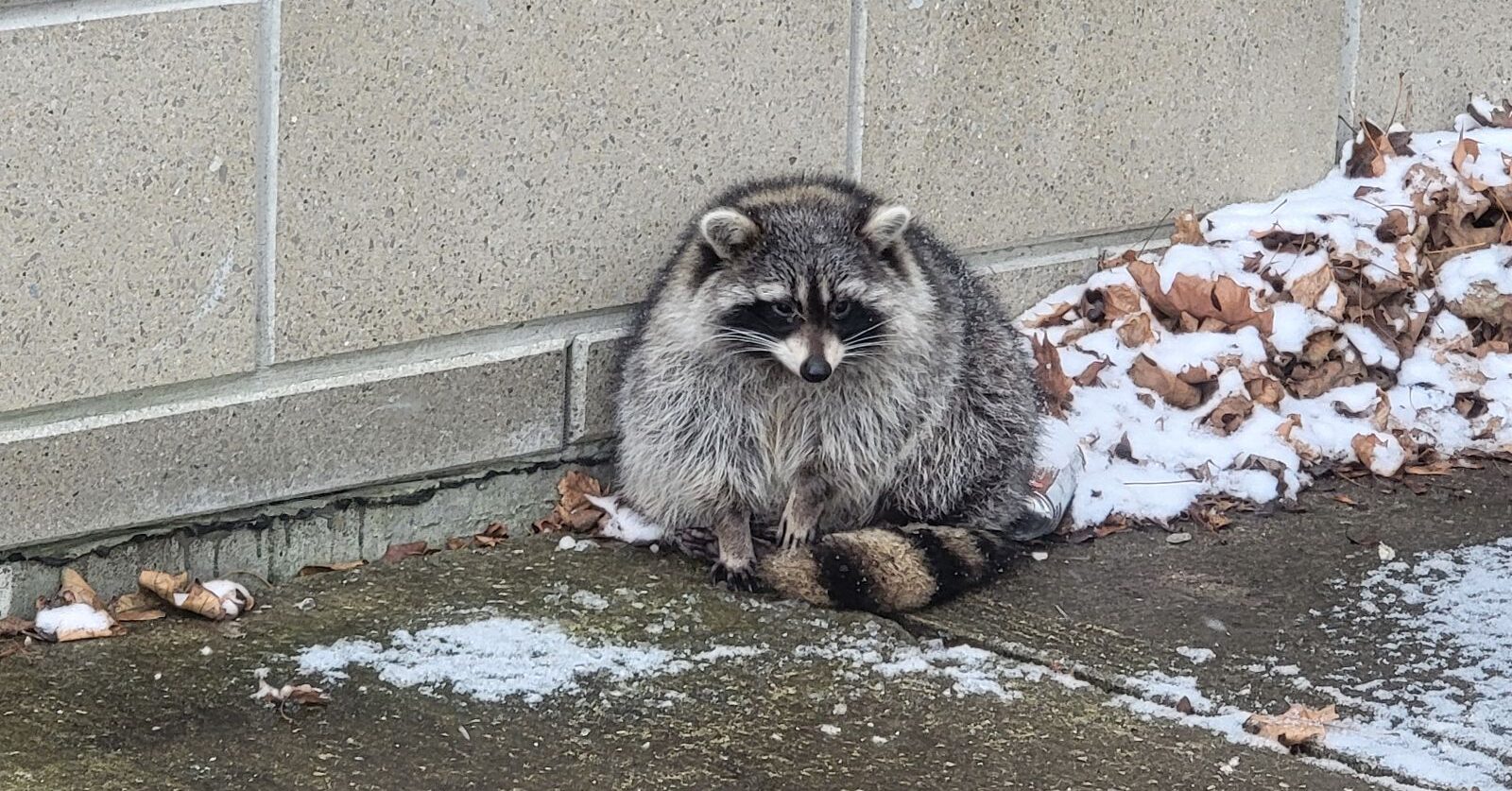
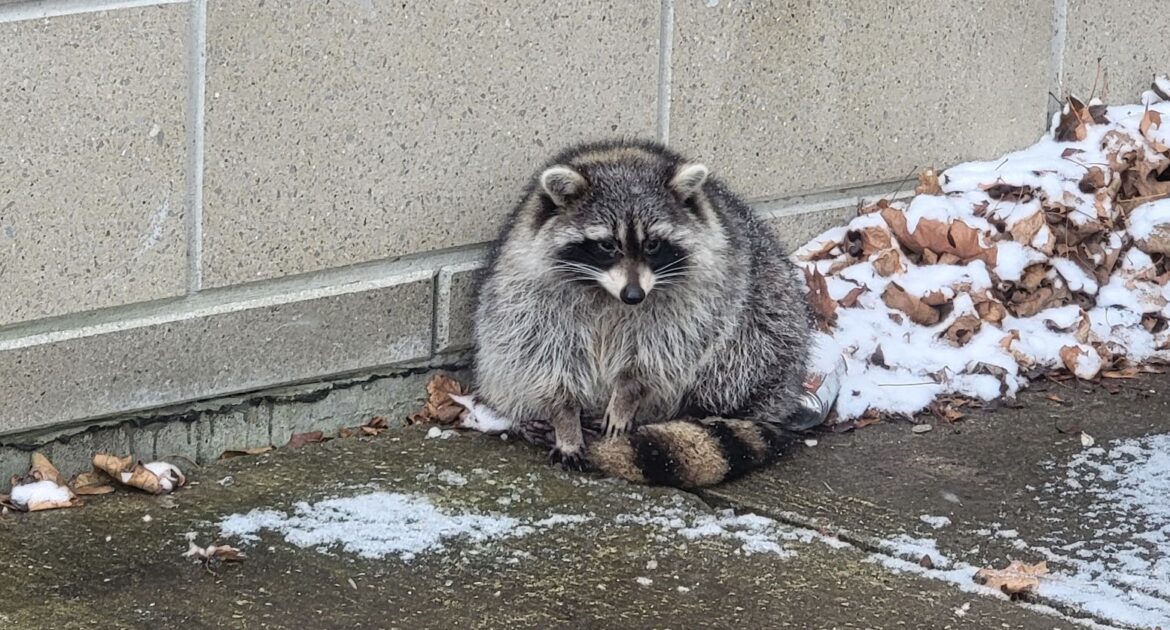
You may have seen raccoons around your neighborhood. Those clever, curious animals with tiny hands and a mask-like face. But have you ever wondered what they actually eat? The truth is, they’ll eat almost anything.
In the wild, raccoons survive on natural foods like fruits, insects, and small animals. But when they discover city neighborhoods, their menu expands fast. Garbage cans, pet bowls, and compost bins become all-you-can-eat buffets. A simple raccoon diet comparison shows just how much their eating habits change depending on where they live.
At Skedaddle Humane Wildlife Control in Minneapolis, we’ve seen firsthand how these animals adapt. When you understand wild raccoon eating habits and what they eat in homes, you can better protect your property and the animals before things get messy.
Raccoons Are Omnivores, Meaning They Eat Almost Everything
Raccoons aren’t picky eaters. In fact, they’re true omnivores, meaning they eat both plants and animals depending on what’s available. This flexibility helps them survive in almost any environment, from forests and lakes to city alleys.
A typical wild diet includes:
- Fruits like berries, apples, and grapes
- Insects such as beetles, worms, and grubs
- Frogs, fish, and small rodents
- Nuts and seeds found on the forest floor
Their natural diet keeps them healthy and balanced. But once they move near humans, everything changes and not for the better.
Wild Raccoon Eating Habits Are Seasonal
Just like people, raccoons adjust what they eat depending on the time of year. In spring and summer, food is everywhere: juicy fruit, bugs, and plants. As fall approaches, they start eating more to build fat reserves for winter.
Here’s how it breaks down:
- Spring: Frogs, worms, and insects become easy protein sources.
- Summer: Raccoons enjoy fruit, vegetables, and anything they can catch.
- Fall: They seek out acorns, corn, and grains to store energy.
- Winter: When food is scarce, they rely on fat reserves and leftover finds from earlier months.
These wild raccoon eating habits keep them strong and adaptable, but city life offers even easier meals.
Why Raccoons Turn to Human Food
You might think raccoons come into your yard just for shelter, but food is often the main reason. Garbage cans, compost piles, and pet bowls smell like a five-star restaurant to them.
Urban raccoons quickly learn that humans provide reliable meals. The problem? Their curiosity and clever paws lead them right to your doorsteps, garages, and attics. Once they find food, they’ll remember your property and return again and again.
That’s when what raccoons eat in homes becomes your problem, not just theirs.
Common Foods Raccoons Steal From Homes
You may not realize how many tasty things you accidentally leave out. To a raccoon, anything that smells like food is worth investigating.
They’re often drawn to:
- Open garbage cans or loose trash bags
- Pet food bowls left on porches or decks
- Birdseed spilled under feeders
- Compost piles full of kitchen scraps
- Barbecue grills that haven’t been cleaned
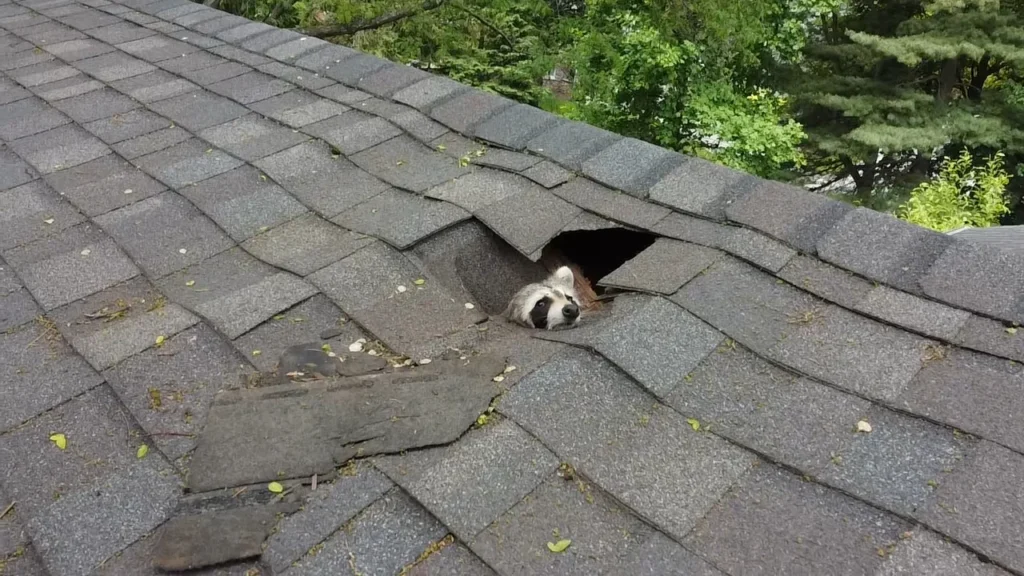
Once they find these easy meals, raccoons often stick around and that’s when damage starts. Their sharp claws can tear screens, pry open bins, and even rip shingles while exploring.
Raccoons in Cities Eat Very Differently Than Those in the Wild
When you compare wild and urban raccoon diets, the difference is shocking. Wild raccoons spend hours hunting, digging, and foraging. City raccoons can fill their stomachs in minutes from your trash or garden.
A raccoon diet comparison shows the change clearly:
- Wild Raccoons: Rely on natural foods like frogs, berries, nuts, and fish.
- Urban Raccoons: Feast on pizza crusts, leftover fast food, and pet kibble.
The urban diet is rich in calories but poor in nutrients. Over time, it can lead to unhealthy, overweight animals that depend entirely on human waste.
Garbage and Pet Food Are Top Urban Favorites
You already know raccoons love garbage, but pet food is just as tempting. Its strong smell and easy access make it one of their favorite “stolen” meals.
Here’s what draws them in most often:
- Dry Pet Food: Full of protein and easy to carry away.
- Table Scraps: Grease, bread, and meat leftovers attract them instantly.
- Overflowing Trash: Once they find one food source, they’ll check it nightly.
To protect your space, secure trash can lids, and keep outdoor feeding areas clean, but let professionals handle any signs of an active infestation.
Gardens and Fruit Trees Are Also on the Menu
Even if you don’t keep garbage outside, your garden might be their next stop. Raccoons are natural foragers with a sweet tooth.
They love:
- Ripened corn and garden vegetables
- Fallen apples, pears, and berries
- Compost piles filled with produce scraps
You might see half-eaten fruit scattered around or soil dug up where they’ve searched for grubs. Once they know your yard offers free snacks, they’ll keep visiting.
What Happens When Raccoons Eat Human Food
Eating from garbage or pet bowls might not seem like a big deal, but it affects raccoon health and can impact your property, too. Human food is high in fat, salt, and sugar, which isn’t ideal for wild animals.
This diet causes:
- Weight gain and poor nutrition
- Tooth decay and digestive issues
- Overpopulation in city areas
When raccoons rely on human leftovers, they stop foraging naturally. That’s why our professionals encourage humane prevention, helping raccoons return to their natural diets in the wild.
How Raccoon Diets Lead to Home Invasions
Food isn’t the only thing they’re after, it’s also the warmth that comes with the territory. Once raccoons find an easy food source near your home, they start exploring nearby structures for shelter.
You might notice:
- Scratching in attics or walls
- Knocked-over bins near your garage
- Damage to vents or roof shingles
They often move into attics to build nests close to reliable food. Skedaddle’s humane one-way doors allow them to leave safely while ensuring they can’t return, keeping both your home and the animals safe.
Professional Raccoon Prevention With Skedaddle
You can’t always see the signs of raccoon activity until the damage is already done. That’s why calling professionals early is the best way to stay ahead of problems. At Skedaddle Humane Wildlife Control in Minneapolis, we specialize in finding where animals get in and making sure they can’t come back.
Our humane process focuses on long-term prevention. We don’t trap or relocate; instead, we use one-way doors that let animals leave safely while sealing off every possible re-entry point. This approach protects your home, your family, and the animals themselves.
When our technicians visit your property, we’ll:
- Inspect your attic, roofline, and vents for weak or damaged spots
- Identify entry points created by raccoons or other animals
- Seal openings with durable, weather-resistant materials
- Clean and secure nesting areas after safe removal
- Install preventive barriers to stop future access
You get peace of mind knowing experts have handled every detail safely and humanely. With our experience, tools, and proven methods, you can rest easy knowing your home is fully protected from unwanted guests, now and in the seasons ahead.
Give Your Home a Break From Midnight Snackers
You might not see them, but raccoons are always nearby: searching, sniffing, and scavenging. Understanding the raccoon diet comparison between the wild and urban settings helps you protect your property from their curiosity.
At Skedaddle Humane Wildlife Control in Minneapolis, we specialize in humane prevention that works for everyone. We use one-way doors that allow animals to exit safely without re-entering, keeping your home secure and the environment balanced.
If you suspect activity or want to stop what raccoons eat in homes from becoming your nightly problem, request an estimate to learn more. Our humane approach helps restore natural wild raccoon eating habits and your peace of mind.

 Loading...







