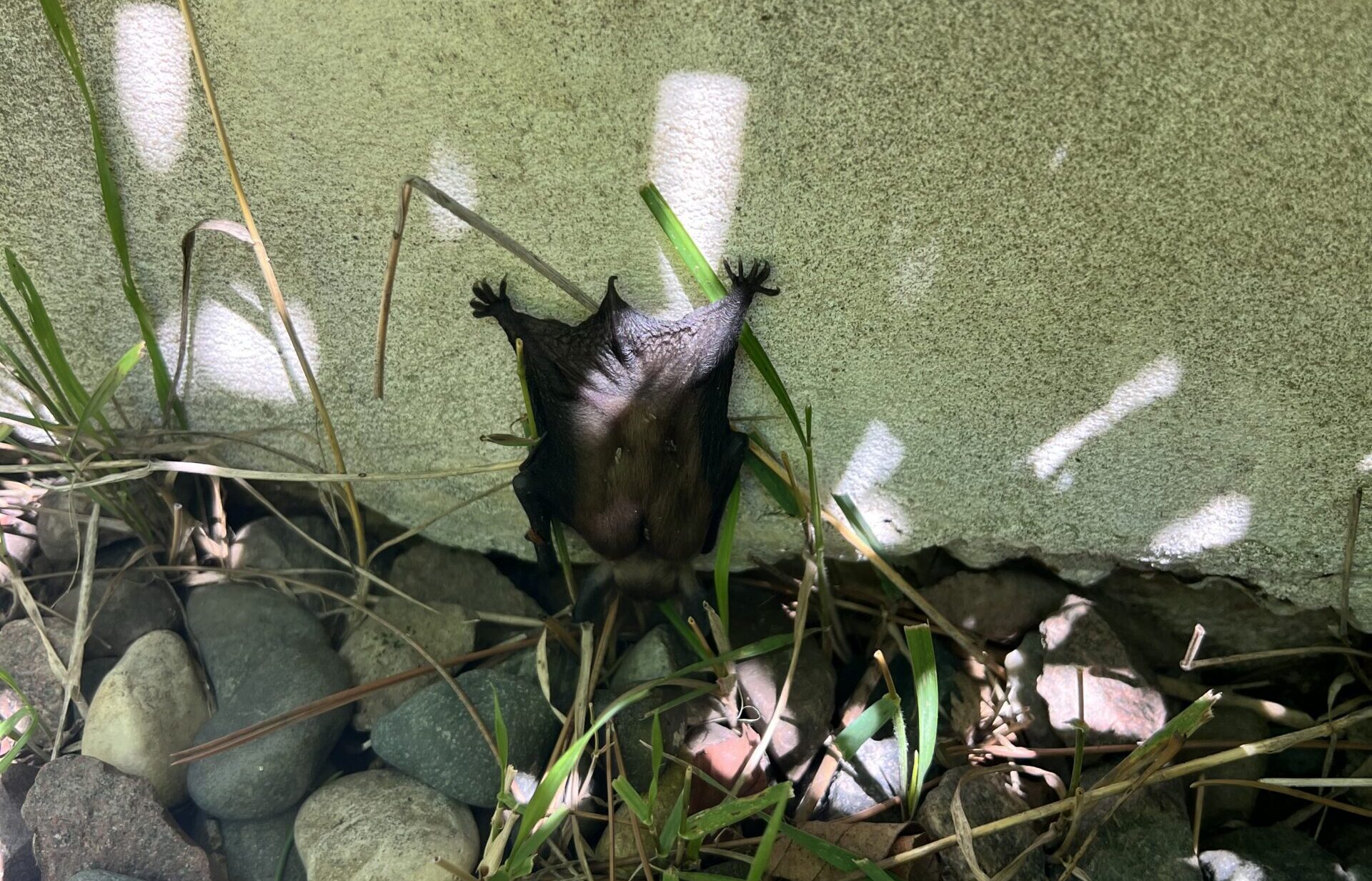
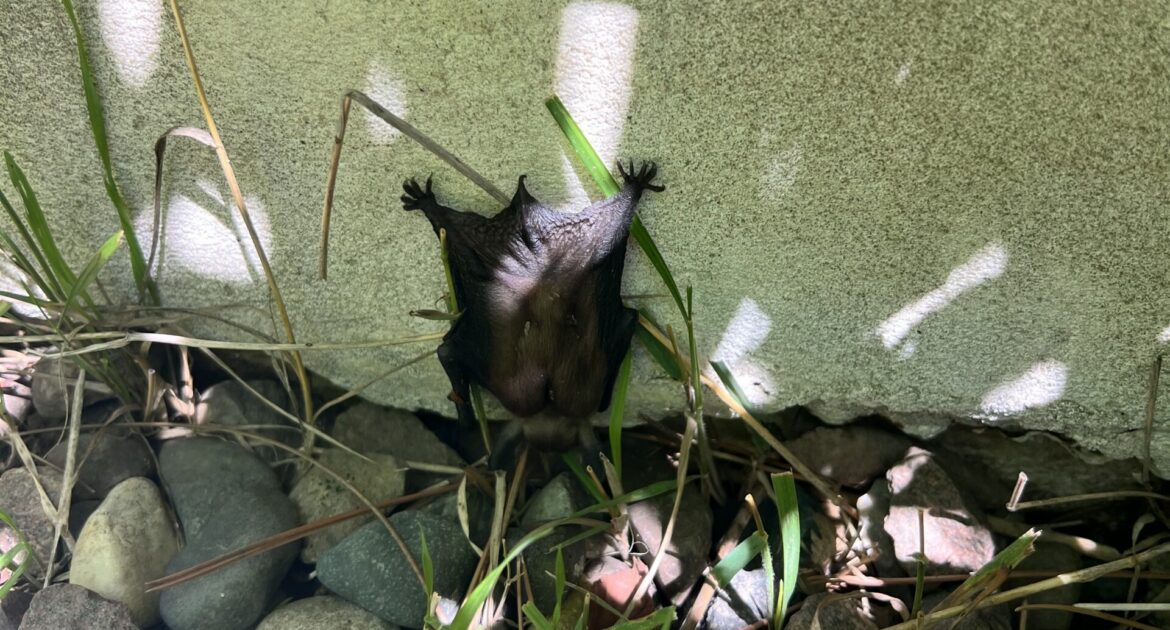
As the days get longer and warmer, many homeowners in Minneapolis start noticing increased bat activity around their homes, barns, and attics. This is not random. Late spring and early summer mark bat maternity season, a critical time when female bats gather in colonies to give birth and care for their young. Understanding what happens during this season can help homeowners protect their property while respecting wildlife.
At Skedaddle Humane Wildlife Control, we see firsthand how maternity season changes bat behavior and impacts homes. By understanding these seasonal patterns, homeowners can take informed steps to minimize property issues, avoid damage, and ensure bats are treated humanely. In this blog, we will explain what maternity season is, why it matters, and how we help homeowners during this important time.
What is Bat Maternity Season?
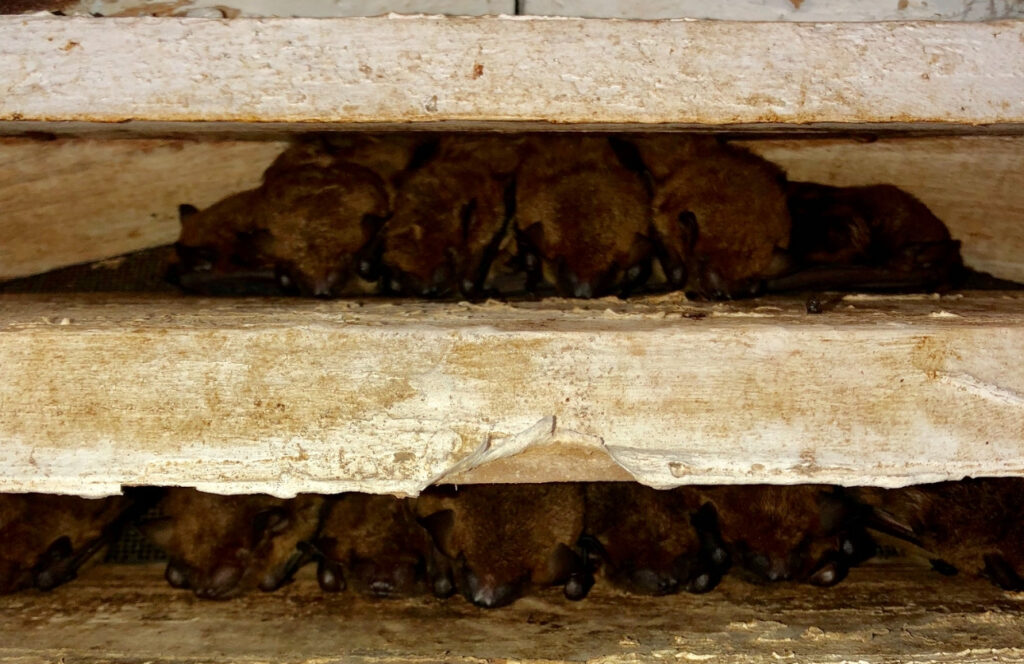
Bat maternity season typically runs from late May through August in Minneapolis. During this time, female bats form colonies in sheltered areas to give birth and raise their pups. These colonies can range from a few dozen to hundreds of bats depending on the species and location.
This season changes bat behavior significantly. Female bats stay in maternity roosts during the day to care for young that cannot yet fly. They forage more frequently at night to meet the increased nutritional needs of nursing pups. Colonies are more stationary but more noticeable to homeowners due to concentrated activity near roost sites.
Understanding maternity season is essential for homeowners. Disturbing a colony at the wrong time can put young bats at risk and failing to recognize seasonal patterns can increase property impacts.
Increased Bat Activity Around Homes
Maternity colonies often form in sheltered, quiet spaces, making attics, eaves, barns, and unused sheds common locations. Homeowners may notice:
- Guano deposits accumulating near entry points
- Musty or ammonia-like odors from roosting areas
- Increased noise from wing flutters or chirps, especially at dusk
Research shows that bat colonies in human structures can produce hundreds of droppings per week. While these bats are not aggressive, their presence can cause concerns if signs are left unaddressed. Recognizing increased activity is the first step in preventing long-term property impact.
Why Timing Matters for Homeowners
Timing is everything when it comes to maternity season. Intervening during this period must be done carefully to avoid harming young bats who cannot yet fly.
Disturbing a colony too early can separate mothers from pups, which may put the offspring at risk. Preventive measures, such as sealing entry points, are best implemented after the pups have matured and left the roost. Understanding seasonal timing allows homeowners to plan for safe, humane property protection measures.
At Skedaddle, we use our knowledge of bat biology to guide homeowners on when and how to address concerns without jeopardizing wildlife.
How Bats Impact Property During Maternity Season
Even though bats are generally non-aggressive, maternity season can bring certain challenges for homeowners. Common impacts include:
- Guano Accumulation: Droppings can stain surfaces, damage wood, and create slippery areas
- Odors: Concentrated colonies produce ammonia-like odors in enclosed spaces
- Noise: Movement and communication among bats can be noticeable, particularly in quiet attics or barns
Statistics indicate that properties with prolonged roosting can require thousands of dollars in maintenance over time if guano or nesting material is left unmanaged. Early awareness helps minimize these issues.
Misconceptions About Bats During Maternity Season
Several myths about bats can prevent homeowners from taking appropriate action.
- Myth: Bats will leave on their own quickly
- Truth: Bats will remain in maternity roosts until pups are mature, often weeks longer than homeowners expect
- Myth: Maternity colonies are aggressive
- Truth: Female bats are typically defensive only if directly threatened. Most interaction with humans is incidental
- Myth: There is no need to act during maternity season
- Truth: While physical removal should be avoided, professional assessment and property-proofing are crucial to minimize long-term impact
Believing these myths can delay prevention, allowing minor activity to grow into a larger concern.
How We Help Homeowners Safely During Maternity Season
At Skedaddle Humane Wildlife Control in Minneapolis, we take a professional approach that prioritizes both homeowners and wildlife. Our goal is to manage bat activity humanely and prevent property issues without harming bats or their young.
Our process includes:
- Identifying Active Roosts: We locate maternity colonies carefully to avoid disturbance
- Assessing Entry Points: We evaluate areas where bats may access attics, eaves, or barns
- Preventive Planning: We recommend timing and strategies for sealing potential entries after pups are mature
- Property Protection Guidance: We educate homeowners on safe, long-term measures to reduce property impact
By understanding maternity season and planning interventions around it, homeowners can prevent damage while ensuring bats are treated ethically.
Preventing Future Bat Activity
Once maternity season ends, there are steps homeowners can take to prevent future roosting:
- Seal entry points in attics, soffits, or barns professionally after pups have left
- Maintain roofs, eaves, and vents to reduce hidden shelter opportunities
- Install bat-friendly measures under professional guidance to encourage bats to roost away from human structures
Professional guidance ensures preventive measures are effective and humane, minimizing recurring issues while keeping wildlife safe.
Respecting Maternity Season Protects Homes and Wildlife
Bat maternity season changes everything about how bats behave and how homeowners should respond. Increased activity, guano accumulation, noise, and concentrated roosts are all natural parts of raising young. Misunderstanding this season or acting at the wrong time can increase property impact and put bats at risk.
At Skedaddle Humane Wildlife Control in Minneapolis, we focus on humane, professional solutions. By assessing homes, planning interventions around seasonal timing, and providing education, we help homeowners protect property while ensuring wildlife remains safe.
Understanding maternity season is the key to balancing property protection with ethical wildlife management. Contact Skedaddle today to learn how we can help your home stay safe and your bats remain unharmed during this critical time of year.

 Loading...