You may notice droppings on siding, nests near vents, or clogged gutters and wonder what’s going on. Property damage caused by birds is more common than many homeowners expect, especially in areas where buildings provide warmth and shelter. Over time, this activity can affect both the look and safety of your home.
You may not realize how quickly these issues can grow. Nesting, blocked airflow, and repeated roosting can lead to moisture problems and wear on building materials. That’s why bird damage prevention matters. The right humane bird control solutions focus on stopping access and reducing attraction without causing harm.
At Skedaddle Humane Wildlife Control in Niagara, we see how often small issues turn into larger repairs when activity is left untreated. In this blog, you’ll learn what humane solutions actually work, why birds cause damage, and how the right approach helps stop birds from damaging property long-term.
Why Birds Cause Damage Around Homes
You may think the damage is only cosmetic, but repeated activity often affects more than appearance. Droppings are acidic and can wear down siding, brick, and metal over time. When nests form near vents or rooflines, airflow can become restricted.
You may also see problems during seasonal changes. As weather shifts, birds look for protected places to roost or nest. Once a location feels safe, it’s often reused unless access is addressed properly.
That’s why bird damage prevention starts with understanding how and why the damage happens.
Humane Solution #1: Blocking Access to Nesting and Roosting Areas
You protect your home best when access is removed before nesting becomes routine. Birds are drawn to areas that offer warmth, shelter, and protection from wind. Rooflines, vents, chimneys, and ledges often meet all of those needs, especially during colder months. Addressing these areas early helps stop damage before it spreads.
- Vents and Chimneys Are High-Risk Areas: Warm air escaping from vents and chimneys signals safety. Birds may try to nest in these openings, which can block airflow and trap moisture. When access is blocked properly, nesting stops without harming the animal.
- Rooflines and Ledges Encourage Repeat Roosting: Flat or sheltered surfaces give birds a safe place to rest. When used every day, these areas collect droppings and moisture that wear down finishes. Over time, this damage can create gaps that allow even more activity.
- Entry Points Must Be Addressed After Exit: One-way doors allow birds to leave safely while preventing re-entry. Once activity has stopped, those areas can be secured so the structure no longer offers shelter. This prevents the same problem from returning season after season.
Humane Solution #2: Physical Barriers That Prevent Landing
You don’t need force or discomfort to stop damage from happening. Physical barriers work by changing how a space feels and functions, so it no longer offers safe landing, nesting, or shelter. When access is removed in the right way, birds naturally move on without stress or harm. Here’s what you need to know about how these barriers work together.
- Netting Blocks Access Without Causing Harm: Netting is used to prevent birds from reaching vents, rooflines, balconies, and other open areas. It creates a physical boundary that keeps birds out while allowing airflow to continue. Once access is blocked, nesting and roosting stop without disrupting the animal.
- Exclusion Barriers Remove Comfort From Landing Areas: Smooth or angled barriers are installed along ledges and edges to remove flat resting spots. Without a stable place to land, birds don’t linger or return. This reduces droppings and protects finishes from long-term wear.
- Barriers Protect Systems, Not Just Surfaces: Physical barriers help keep gutters, vents, and drainage systems clear of nesting material. When these systems stay open, moisture flows properly and damage is avoided. This protects both the structure and how the home functions year-round.
Used together, these solutions support bird damage prevention by removing access and comfort, not by causing stress or harm.
Humane Solution #3: Reducing Visual Comfort and Routine
You may not think sight plays a role, but birds rely on visual cues to judge safety. Calm, unchanged spaces signal stability and make areas feel dependable. When nothing changes, birds are more likely to return.
You can disrupt that comfort by altering how areas look and feel. Movement, reflection, or visual change makes spaces feel less predictable. When combined with exclusion and barriers, this approach helps break routines and discourages repeat activity.
Visual disruption supports efforts to stop birds from damaging property by making the space less appealing over time.
Humane Solution #4: Managing Nesting in Hidden Spaces
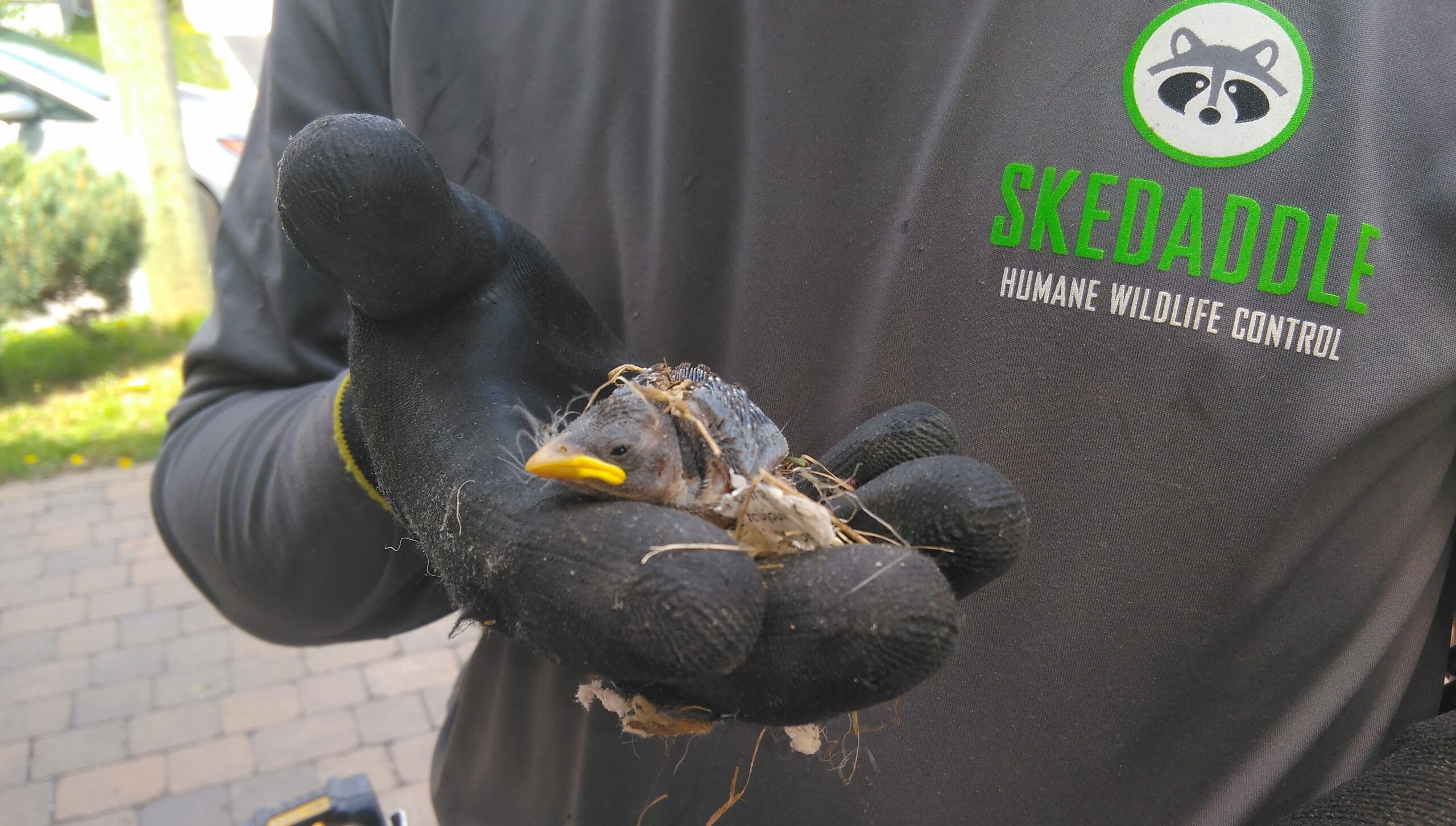
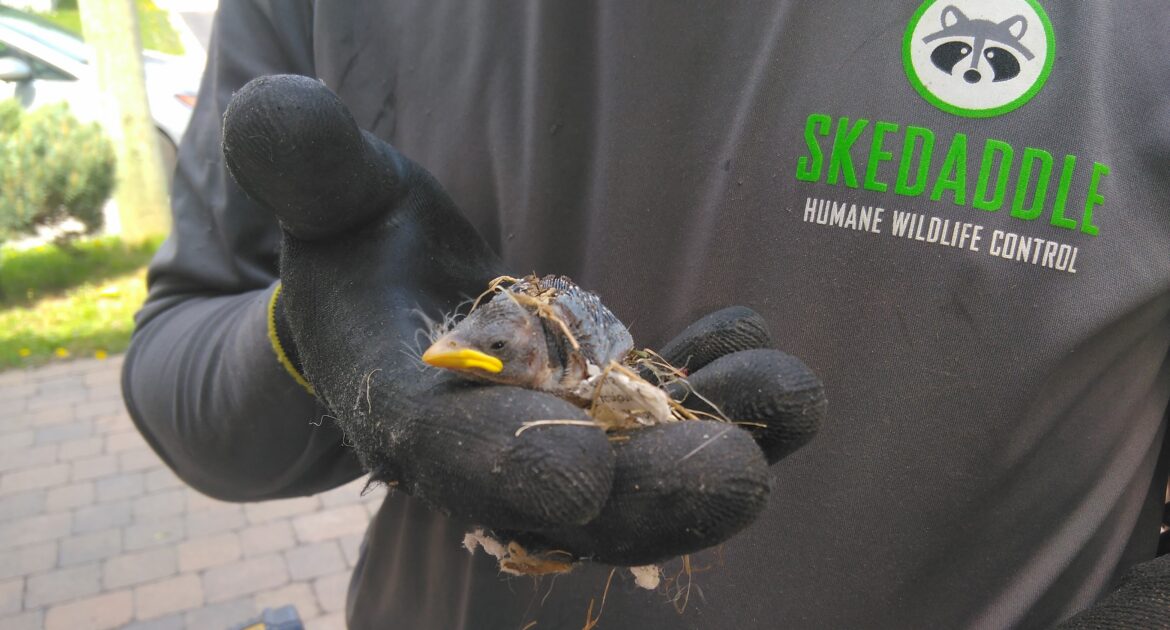
You may not see nests forming right away. Many are built inside vents, behind siding, or near attic openings where activity stays hidden. These areas often go unnoticed until damage becomes more serious.
- Hidden Nests Can Block Airflow: Nests inside vents restrict air movement and trap moisture. This can affect indoor air quality and how systems operate. Over time, blocked airflow leads to bigger problems.
- Dry Nesting Materials Increase Fire Risk: Twigs, leaves, and debris placed near warm surfaces can heat up. As systems run longer, the risk increases. Early prevention helps reduce this danger.
- Early Removal Prevents Structural Wear: Stopping access before nests grow protects walls, insulation, and framing. It also prevents moisture from soaking into materials. Addressing hidden spaces early limits long-term damage.
Humane Solution #5: Long-Term Habitat Modification
You reduce damage when the home stops sending signals of shelter and safety. Birds return to places that meet their basic needs, especially during colder seasons.
By changing access, airflow, and surface comfort, the property becomes less attractive over time. This helps stop birds from damaging property year after year instead of treating the same issue repeatedly.
Long-term bird damage prevention focuses on prevention, not reaction.
Why Problems Get Worse Without the Right Approach
You may hope the issue will fade on its own, but repeated activity rarely stops without proper intervention. Birds remember safe locations and often return season after season.
Droppings build up, systems clog, and damage spreads beyond the original area. What starts as a small nuisance can turn into larger repairs if access isn’t addressed properly.
That’s why humane solutions that work focus on the entire structure, not just one spot.
Bird Damage Prevention With Our Professional Team
You want solutions that protect your home while treating animals with care. Bird damage prevention works best when exit, exclusion, and sealing are done in the right order. One-way doors allow birds to leave safely, followed by reinforcement that prevents return.
- Safe Exit Comes First: Birds are allowed to leave on their own without stress or pressure. Once they exit, re-entry is blocked so activity doesn’t continue.
- Access Points Are Secured Properly: Vents, rooflines, and openings are reinforced after activity stops. This prevents repeat use and protects vulnerable areas.
- The Focus Stays on Prevention: When shelter and access are removed, the home becomes less appealing over time. This reduces the chance of future damage.
A Smarter Way to Protect Your Property From Bird Damage
You don’t need guesswork to solve the problem. Bird damage prevention focuses on access control, surface protection, and long-term planning. When done properly, humane bird control solutions reduce damage and prevent repeat activity.
You can request an estimate to learn more about how we help stop birds from damaging property. Skedaddle Humane Wildlife Control in Niagara is ready to help protect your home using proven, humane solutions that work.

 Loading...