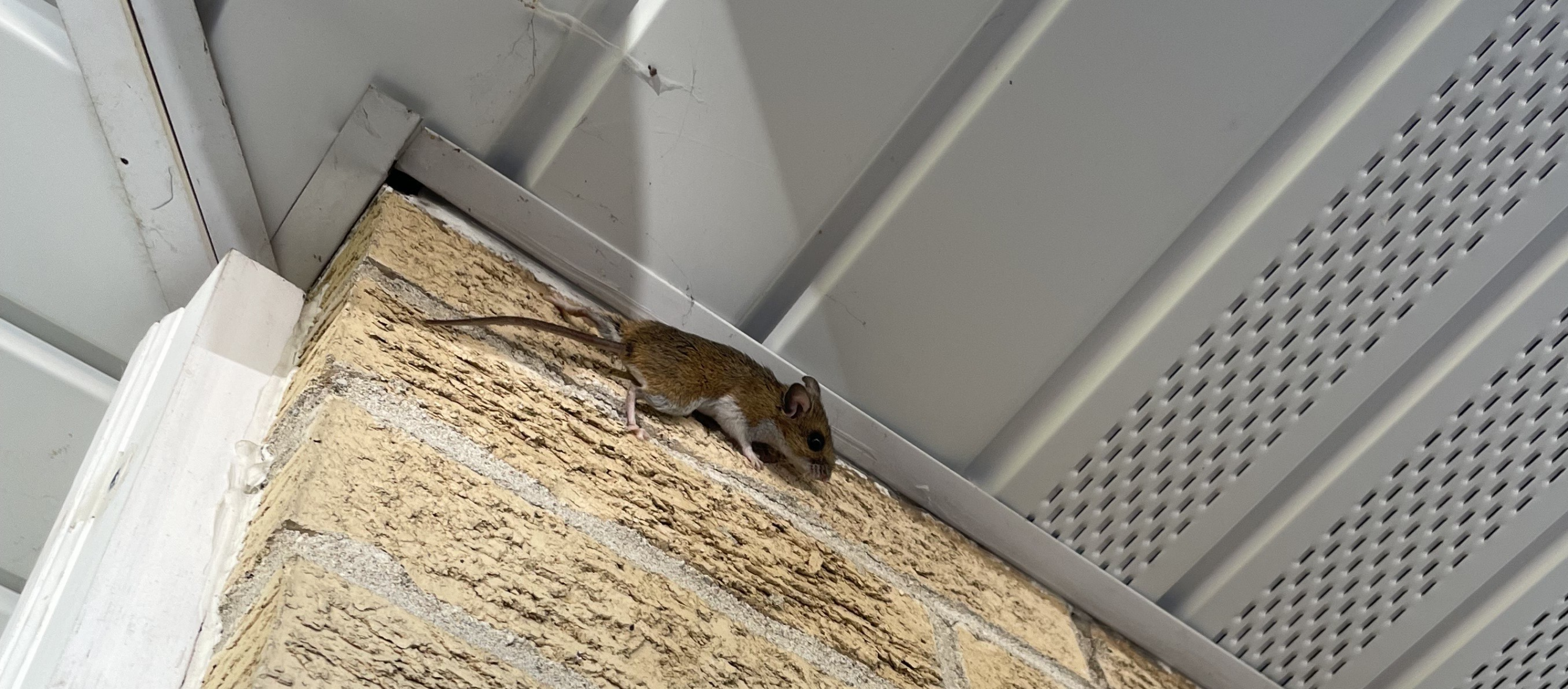
You expect your kitchen to be a clean, safe place. When something feels off, it’s easy to brush it aside at first. A sound at night. A strange smell. Something moved that you don’t remember touching. These small changes are often the earliest signs of mice in the kitchen.
A single mouse can enter quietly and stay hidden for weeks. Kitchens offer warmth, food, and shelter, which makes them one of the most common entry points inside a home. Over time, small clues begin to appear. Knowing what to look for helps explain whether what you’re noticing is normal or part of a bigger issue.
In this blog, we break down the most common mouse infestation signs, how they show up in kitchens, and why early detection matters. We’ll also explain how Skedaddle Humane Wildlife Control in Niagara helps prevent these problems from growing once activity is confirmed.
Droppings Are Often the First Visible Clue
One of the clearest signs of mice in the kitchen is the presence of droppings. These small, dark pellets are often the first thing homeowners notice when activity begins. Droppings are left behind as mice move between food and shelter. Because kitchens offer easy access to crumbs, packaging, and waste, they become common drop zones. Over time, the number and location of droppings can help show how active the space has become.
Common places droppings appear include:
- Inside Cabinets and Drawers: Droppings are often found where food is stored or handled. Corners of cupboards and drawer edges provide quiet cover and limited light. These areas allow activity to happen without being disturbed. Fresh droppings usually mean movement has happened recently.
- Under Sinks and Behind Appliances: Warm, dark spaces attract hidden movement. Droppings may collect near plumbing lines or behind stoves and refrigerators. These areas are rarely checked during daily cleaning. Activity can continue here for long periods without being noticed.
- Along Baseboards and Walls: Mice tend to travel along edges instead of open floors. Droppings may appear in small lines or clusters near walls. These trails often show regular travel paths. Repeated patterns suggest the kitchen is being used daily.
Mouse droppings in the kitchen should never be handled directly. Their presence usually means activity is established, not accidental.
Chewed Packaging and Food Damage Signal Feeding
Kitchens are often targeted because food is easy to reach. Once access is gained, feeding usually begins quickly and quietly. Packaging damage is often one of the first changes homeowners notice. Even items that appear sealed may still be affected. Over time, food damage becomes more noticeable and more frequent.
Feeding-related signs include:
- Gnaw Marks on Boxes and Bags: Teeth marks may appear on cardboard, plastic, or paper packaging. These marks are often light in colour and easy to miss at first. Damage usually shows up near corners or seams where access is easiest. This type of chewing points to active feeding.
- Food Debris Scattered Nearby: Small crumbs or bits of shredded packaging may be left behind. These signs often blend into daily kitchen messes. Patterns become clearer when debris appears in the same areas repeatedly. Most feeding activity happens overnight.
- Damage Inside Pantries or Cupboards: Pantry shelves are common feeding spots because they stay quiet. Items stored at the back are often affected first. Limited movement allows feeding to continue without interruption. Repeated damage suggests the area is being used regularly.
Food damage is one of the strongest mouse infestation signs in kitchens. It often appears before mice are seen.
Sounds and Smells Can Develop Over Time
Not all signs of activity are visible right away. Sounds and odours often develop slowly as movement continues. These changes usually become more noticeable at night when kitchens are quiet. As activity increases, disturbances may happen at regular times. This can make the kitchen feel unsettled even when nothing is seen.
Signs connected to sound and smell include:
- Scratching or Movement After Dark: Noise is most common during nighttime hours. Scratching may come from inside walls, cabinets, or behind appliances. Sounds often repeat at similar times each night. This points to routine movement patterns.
- A Strong, Musky Odour: Urine scent can build up in enclosed spaces over time. Kitchens trap smells due to cabinets, drawers, and limited airflow. Odours may linger even after surfaces are cleaned. This often signals activity in hidden areas.
- Noise Near Food Storage Areas: Pantries and cupboards may produce rustling or tapping sounds. These noises often stop suddenly when the lights are turned on. This behaviour helps mice avoid being noticed. Repeated sounds suggest the area is being used often.
When these signs appear together, activity is rarely new. It usually means the kitchen has been used for some time.
Nests May Be Hidden in Nearby Spaces
Kitchens often connect to storage areas, wall cavities, and utility spaces that stay out of sight. These nearby zones offer quiet places that feel safe once movement begins. Warmth from appliances and limited foot traffic make these spaces even more appealing. Nests are usually placed close to food so travel stays short and hidden.
Common nesting signs include shredded material collected in quiet areas. Paper, insulation, and fabric are often pulled from nearby storage or walls. These materials may appear tucked behind appliances or inside cabinets that are rarely opened. Nesting materials are usually packed tightly to create warmth and cover.
Once nesting begins, activity tends to increase and spread outward. Movement becomes more regular as feeding and nesting routines form. Droppings and damage may appear in new areas nearby. This is why early signs of mice in the kitchen should never be ignored.
Why Kitchens Are High-Risk Areas
Kitchens offer everything mice need to stay hidden and active. Food scraps, warmth, and water are often found in the same space. Cabinets, drawers, and appliances create shelter with very little disturbance. These conditions allow activity to continue quietly for long periods.
Even small access points can lead directly into kitchens. Gaps around plumbing, baseboards, and appliance openings are common entry routes. Once access is established, kitchens often become central hubs for movement. From there, activity may spread into walls, storage rooms, and nearby living areas.
Understanding why kitchens attract activity helps explain why signs often appear there first. Kitchens are used daily, which creates crumbs and waste. At the same time, many areas stay closed or undisturbed. This combination makes early activity hard to notice.
Mouse Prevention With Our Professional Wildlife Team
Preventing repeat activity requires more than removal alone. At Skedaddle, we focus on inspection, humane exclusion, and long-term protection. Our team looks closely at access points, travel paths, and nesting zones. This helps ensure the entire problem is addressed, not just what is visible.
We use one-way doors that allow mice to leave but not re-enter. These doors are installed only after careful inspection and only when timing is safe. Once mice exit, entry points are sealed and reinforced. This prevents future access without causing harm.
At Skedaddle Humane Wildlife Control in Niagara, we provide professional prevention designed to protect kitchens and surrounding spaces. Our approach helps reduce ongoing risk while keeping wildlife safe. Long-term protection means fewer surprises and a more secure home.
A Clean Kitchen Starts With Early Action
Small changes often point to bigger problems. Signs of mice in the kitchen, mouse droppings in the kitchen, and other mouse infestation signs rarely resolve on their own. Early attention helps prevent damage and protects food spaces.
If you notice changes in your kitchen, professional support can help confirm what’s happening and stop it from growing. Skedaddle Humane Wildlife Control in Niagara provides humane, professional solutions focused on long-term protection.
Request an estimate to learn more and take the next step toward a protected kitchen.

 Loading...