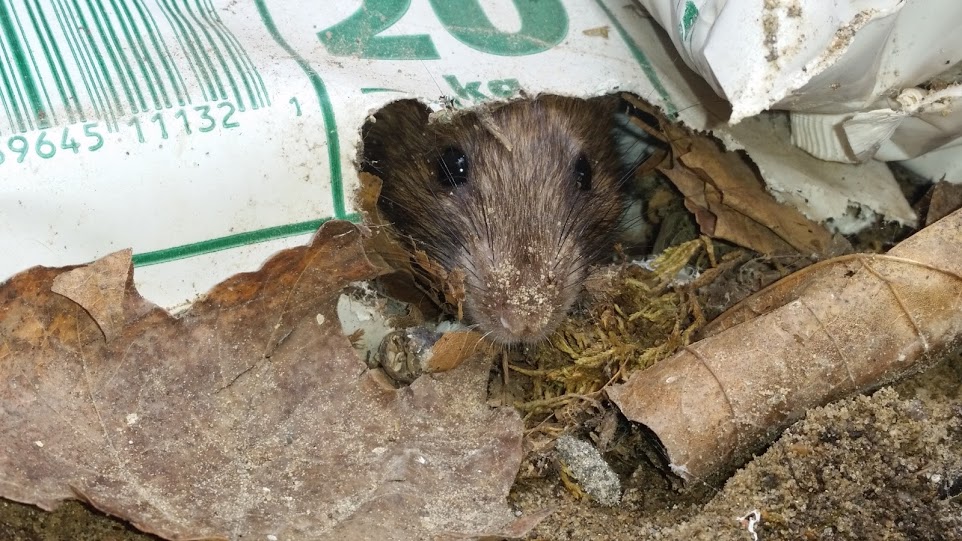
City rodents are experts at staying out of sight, but they are always searching for warm, quiet places to settle. In commercial buildings, the earliest signs often appear subtly—odd smells, damaged packaging, or unexplained activity near loading docks and storage areas. In dense urban environments, these small changes are often the first indicators of rats inside a business.
For business owners, rodent activity is more than a nuisance. Once rats gain access to a commercial space, the impact can escalate quickly. Property damage, contamination risks, and potential health concerns all become real issues.
In Niagara, where buildings sit close together and food sources are readily available, commercial rat control plays an essential role in protecting businesses.
Urban rat prevention is not a one-time solution. Long-term results depend on thorough inspections, controlled exclusion, and preventative measures that stop rodents from returning.
In this blog, we explain how professionals like us at Skedaddle Humane Wildlife Control in Niagara approach commercial rat control, focusing on humane, effective strategies that help keep city rodents out for good.
Why City Buildings Attract Ongoing Activity
Urban spaces offer steady warmth, shelter, and access to food. Businesses often operate long hours, which means doors open often and waste moves through shared spaces. Even well-run properties can become targets over time.
Once rats find a building that feels safe, they tend to return. City environments allow movement between neighbouring structures, making repeat access more likely. This is why rats in business buildings are often part of a larger pattern, not a one-time issue.
Stopping that cycle requires understanding how activity begins and why it continues. Our professional rat control focuses on preventing access before habits form.
Securing Building Entry Points Stops Repeat Access
Small openings are one of the main reasons rats enter commercial spaces. City buildings often have aging materials, shared walls, and utility lines that create hidden gaps.
Our team focuses on sealing these access points so rats cannot return.
Key areas we protect include:
- Foundation Gaps and Wall Joints: Cracks near the foundations of buildings are a frequent problem in urban environments, creating entry points from the ground level into storage and service areas. Sealing these gaps is crucial, as it closes off one of the most common routes for access. Effective, long-term protection begins by securing the building at ground level.
- Utility and Pipe Openings: Pipes, cables, and vents create natural access points. These openings are often overlooked during regular maintenance. We reinforce these areas using materials that resist chewing and wear. This keeps entry points closed year-round.
- Doors, Loading Bays, and Service Entrances: Frequent use increases wear around door frames and thresholds. Even small gaps can invite repeated access. Reinforcement prevents rats from slipping inside during busy hours. This is critical for urban rat prevention.
By closing off access properly, we stop return visits before they start.
Controlling Interior Pathways Reduces Hidden Movement
Once inside, rats follow predictable routes. They move along walls, behind equipment, and through storage areas that offer cover. These pathways allow them to travel without being seen.
Our professional commercial rat control focuses on identifying and disrupting these routes. What are common interior risk areas?
- Back-of-House Storage Rooms: Quiet areas with stacked goods offer shelter and warmth. Movement here often goes unnoticed at first. Blocking access keeps activity from spreading deeper into the building. Early control prevents wider damage.
- Wall Voids and Ceiling Spaces: Rats often travel through hidden interior spaces. These areas connect different parts of the building. Sealing access points stops movement between rooms and this helps contain and eliminate activity.
- Waste Handling and Recycling Zones: Shared disposal areas attract attention in urban settings. Activity here often spreads inward over time. Reinforcing nearby access points reduces risk. Protection must extend beyond public areas.
By limiting interior movement, we reduce the chance of long-term activity.
Exterior Conditions Shape Urban Rat Prevention Success
Outdoor environments play a major role in whether rats return. City buildings sit close together, which means exterior conditions affect multiple properties.
Our approach looks beyond one doorway or wall. Outdoor factors we address include:
- Perimeter Gaps and Ground Contact Points: Buildings that meet sidewalks, soil, or shared foundations need added protection. These edges allow quiet access at night. Reinforcement prevents entry without disrupting daily operations.
- Shared Alleys and Service Corridors: Urban service lanes often connect several buildings. Activity moves easily through these spaces. We assess how rats travel between properties. This helps stop repeat visits.
- Structural Wear from Weather and Age: Freeze-thaw cycles and moisture weaken materials over time. Small gaps form slowly and expand. Addressing wear early supports long-term rat control.
Urban rat prevention works best when the full exterior is protected, not just one area.
One-Way Doors Allow Safe Exit Without Return
When rat activity is already present inside a business, exclusion must be handled with care. If rats are trapped inside walls, ceilings, or storage areas, it can lead to property damage, noise issues, and strong odours that disrupt daily operations.
That is why one-way doors are used instead of quick removal methods. These doors allow rats to leave the building naturally while blocking any chance of re-entry.
Before installation, a full inspection is completed to understand how and where rats are moving through the structure. Timing is important, especially in active commercial buildings where staff, deliveries, and customers are present throughout the day.
Once activity has fully stopped, all entry points are sealed and reinforced. This process ensures rats exit safely and cannot return, making it a key part of responsible commercial rat control in urban environments.
Why Monitoring Matters After Exclusion
Urban environments are always changing, and rat activity changes with them. New construction, weather shifts, waste buildup, and nearby businesses can all create fresh access points. Even after rats have been excluded, monitoring remains an important part of long-term protection.
Risk areas are checked regularly to watch for early signs of renewed activity, such as gnaw marks or new openings. Small changes can be addressed right away before they turn into larger problems.
Ongoing monitoring helps maintain protection and reduces the chance of repeat activity. In dense city locations, this step is especially important because rodent movement never fully stops.
Urban Rat Prevention With Our Professional Wildlife Team
Urban rat prevention works best when inspection, exclusion, and reinforcement are treated as one connected process. Each step supports the next, creating a stronger level of protection for business properties. Our professional wildlife team focuses on securing commercial buildings while minimizing disruption to daily operations.
At Skedaddle Humane Wildlife Control in Niagara, the entire process is managed from start to finish. This includes identifying access points, installing one-way doors, and reinforcing vulnerable areas of the structure. The goal is long-term rat control that keeps rats out while avoiding unnecessary harm. By focusing on prevention instead of short-term fixes, businesses stay protected even as urban conditions continue to change.
Keep City Rodents Out of Your Business for Good
City environments create ongoing pressure on commercial buildings. Without proper protection, rats in business buildings can return again and again. Knowing how urban rat prevention works helps stop problems before they grow.
Commercial rat control is about structure, timing, and long-term planning. With our professional support, businesses can stay protected even in busy urban areas.
If you want to secure your property and reduce future risk, request an estimate today. At Skedaddle Humane Wildlife Control in Niagara, we’re here to help keep your business protected with proven, professional prevention.

 Loading...