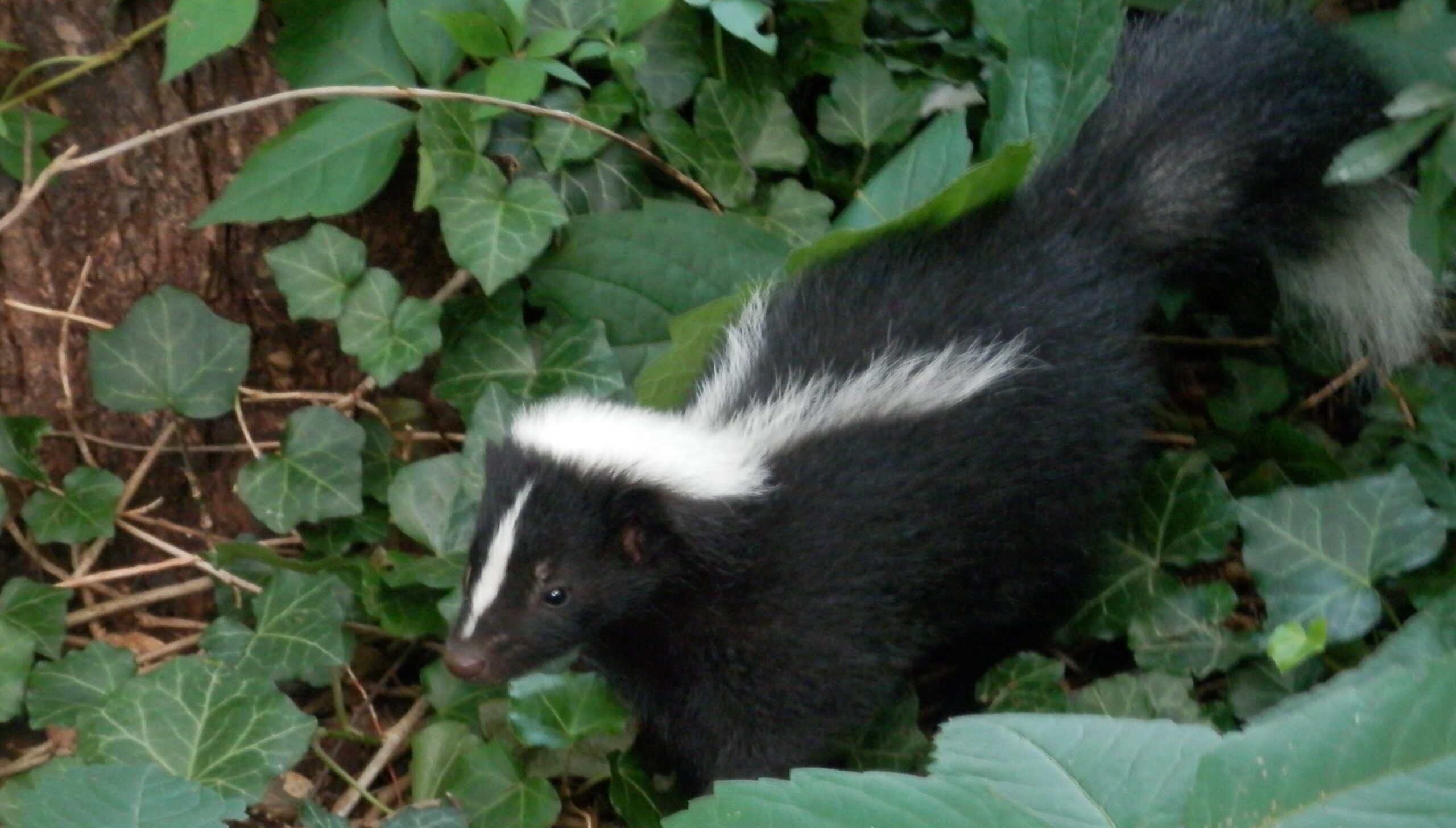
You may notice a strong smell near your deck or hear quiet movement outside and wonder what’s happening. During winter, skunks often look for warm, sheltered places to wait out the cold. In Niagara, homes provide exactly what they need, especially when snow covers natural shelter.
You may not realize how disruptive skunk problems can be during colder months. Digging near foundations, denning under decks, and lingering odours can quickly affect comfort and safety. That’s why humane skunk removal in winter matters. The goal is to remove skunks safely and compassionately while protecting the structure of the home.
At Skedaddle Humane Wildlife Control in Niagara, we see how winter skunk activity affects homeowners every year. In this blog, you’ll learn why skunks behave differently in winter, how safe skunk removal methods work, and why proper skunk control services help prevent repeat issues.
Why Skunks Cause Problems in Winter
You may assume skunks disappear in winter, but that’s not always the case. While they are less active during cold weather, they still need shelter. Snow, frozen ground, and fewer food sources push them closer to homes.
You’ll often see problems begin near decks, porches, sheds, or crawl spaces. These areas stay warmer and offer protection from wind. Once a den feels safe, skunks may stay nearby for long periods, which increases the chance of damage and odours.
That’s why humane skunk removal in winter focuses on patience, timing, and prevention rather than force.
Digging and Denning Create Structural Concerns
You may first notice small holes or disturbed soil near your home. Skunks are strong diggers, and winter conditions make sheltered ground more appealing. Here are a few structural concerns to consider.
- Digging Weakens Soil Near Foundations: Skunks often dig beneath decks and porches to create dens. Over time, this digging can loosen soil and expose foundation edges. When soil shifts, moisture control becomes more difficult.
- Dens Under Structures Encourage Repeat Activity: Once a den is established, it often attracts return visits. Skunks remember safe locations, especially during winter. This increases the chance of long-term use.
- Hidden Damage Can Grow Over Time: What starts as a small entry point can expand with continued digging. Damage may stay hidden until spring thaw reveals larger issues.
Addressing denning early is a key part of safe skunk removal methods.
Odours Are Often the First Sign Indoors
You may notice a strong smell before seeing any visible damage inside the home. Skunk odour can travel through vents, floor gaps, and insulation, making it hard to pinpoint the source. Even small denning areas can affect the air inside living spaces.
You may find the smell becomes stronger during temperature changes, when warm and cold air move through the home more freely. Even without spraying, denning activity alone can cause odours to soak into nearby materials. Over time, those smells can linger and spread to new areas.
Odour issues often signal ongoing activity and the need for humane skunk removal in winter before the problem becomes harder to manage.
Winter Makes Removal More Sensitive
You may not realize winter removal requires extra care and planning. Skunks move less during cold weather and may stay in their dens for longer periods. This makes timing an important part of the removal process.
You also want to avoid sealing access while a skunk is still inside the den. Blocking an active den can lead to stronger odours or increased digging. One-way doors allow skunks to leave safely while preventing re-entry, which keeps removal compassionate and controlled.
This approach supports safe skunk removal methods without causing harm or unnecessary stress.
Why Problems Get Worse Without Proper Removal
You may hope the issue resolves on its own, but winter dens rarely disappear without intervention. Once a skunk feels safe under a deck or near a foundation, it may return season after season. Familiar shelter makes the location more attractive over time.
Digging can expand, odours can spread, and structural damage can increase as activity continues. What begins as a winter issue may turn into a year-round concern if access isn’t addressed properly. The longer the problem continues, the harder it becomes to prevent repeat activity.
That’s why early skunk control services help limit damage and reduce repeat problems before they grow.
How Humane Skunk Removal Works in Winter
You want solutions that protect your home while treating animals with care. Humane skunk removal in winter focuses on guiding skunks out safely and making sure they cannot return. Each step is planned to reduce stress and prevent future problems.
- Safe Exit Is Always the First Step: One-way doors allow skunks to leave on their own without harm or pressure. These doors are positioned so the exit stays clear and easy to use. At the same time, re-entry is blocked, which helps stop repeat activity and keeps the process calm.
- Access Points Are Addressed After Exit: Once skunk activity stops, entry areas are sealed and reinforced. This step is important because open gaps invite return visits. Proper sealing helps protect the den area and surrounding structure for the long term.
- The Focus Stays on Prevention: Safe skunk removal methods aim to change how skunks reach and use the property. When shelter and access points are removed, the area becomes less appealing over time. This reduces the chance of future winter problems.
This approach avoids trapping or relocation and supports humane skunk removal in winter.
Skunk Control Services Reduce Repeat Issues
You may not want to deal with the same problem next winter or worry about odours and damage returning year after year. Proper skunk control services focus on stopping patterns of activity, not just solving what’s happening right now. Long-term prevention looks at how skunks access the property and why they return.
- Structures Are Protected, Not Just Cleared: Removing a skunk without addressing the space it used often leads to repeat issues. Vulnerable areas like decks, porches, and foundation edges are reinforced to block future access. Protecting these structures helps stop the problem from starting again.
- Winter Conditions Are Taken Into Account: Cold weather affects how skunks move and how often they leave their dens. Skunk control services adjust timing and methods to match winter behaviour. This careful approach reduces stress and improves long-term results.
- Long-Term Prevention Saves Stress: Preventing re-entry reduces the chance of future odours, digging, and damage. When access points are properly addressed, the home stays protected through every season. This creates peace of mind year after year.
This is why safe skunk removal methods focus on the full property, not just the den.
Why Skunks Should Never Be Handled Directly
You may feel tempted to intervene when odours or digging appear, but direct contact is unsafe. Skunks can spray when stressed, and winter conditions can make them more defensive than usual. A startled skunk may react quickly, even if it appears calm at first.
You may also risk getting too close to a den without realizing it. Blocking access or approaching the area can cause a skunk to spray repeatedly or dig in deeper. Handling the situation without proper removal often makes the problem harder to fix later. That’s why skunk control services should always be handled by trained teams using humane methods.
Safe, Compassionate Help Makes the Difference
You don’t need to live with ongoing odours or worry about damage spreading throughout your property. Understanding how skunks behave in winter shows why timing and method matter so much. Winter activity may be slower, but problems can last longer if they aren’t addressed correctly.
Humane skunk removal in winter protects both the home and the animal. When done properly, it limits digging, reduces odours, and helps prevent repeat activity. The right approach keeps the process calm, controlled, and focused on long-term results.
A Safer Way to Handle Skunk Problems This Winter
You don’t have to wait for spring to address the issue. Humane skunk removal in winter focuses on safe exits, proper sealing, and long-term prevention. The right skunk control services help stop digging, reduce odours, and protect your home.
You can request an estimate to learn more about safe skunk removal methods with our professional team. Skedaddle Humane Wildlife Control in Niagara is ready to help resolve skunk problems safely and compassionately this winter.

 Loading...







