
Just as the attractions of Luny’s Lane draw visitors from around the globe, your home in Niagara can unintentionally attract birds looking for a place to nest, roost, and seek shelter. While watching these creatures can be enjoyable, it’s important to understand that their presence can lead to challenges far beyond what meets the eye.
Ignoring bird activity often means allowing deeper issues to develop, putting your family’s health, your property’s value, and your peace of mind at risk. That’s why at Skedaddle Humane Wildlife Control, we are committed to raising awareness about the dangers of overlooking bird damage and how professional bird control solutions can make all the difference for homeowners and business owners alike.
Health Risks Posed by Bird Infestations
One of the most overlooked problems associated with bird infestations is the potential threat they pose to health. Birds bring more than just noise; their droppings and nesting sites are breeding grounds for harmful bacteria, fungi, and parasites that can impact both people and pets.
- Respiratory and Infectious Diseases: The primary concern comes from inhaling airborne spores, particularly from accumulated droppings. Diseases such as histoplasmosis, salmonellosis, and psittacosis are directly linked to exposure. Even brief contact can lead to mild to severe respiratory issues, especially in individuals with weakened immune systems.
- Allergic Reactions: Some people experience allergies linked to feathers, dried droppings, or mites living in bird nests. These allergens can persist even after the birds have left, making professional cleanup essential.
- Parasite Concerns: Mites, fleas, and ticks often accompany bird infestations. These pests can spread from nests into living spaces, causing discomfort and, in some cases, transmitting additional illnesses.
Bird infestations are more than a minor annoyance—they can pose legitimate health threats if left unchecked. This risk makes early detection and swift action a necessity rather than a choice, underscoring the importance of expert bird control.
Understanding Bird Damage to Roofs and Structures
Birds, especially species common to Niagara like pigeons, starlings, and sparrows, are drawn to cozy, sheltered spots on properties, leading to ongoing damage to roofs, vents, and exterior structures.
- Structural Deterioration: Acidic bird droppings are notorious for corroding roofing materials, damaging shingles, and staining brick, stucco, and siding. Over time, this weakens the protective layers of your home, potentially leading to costly repairs.
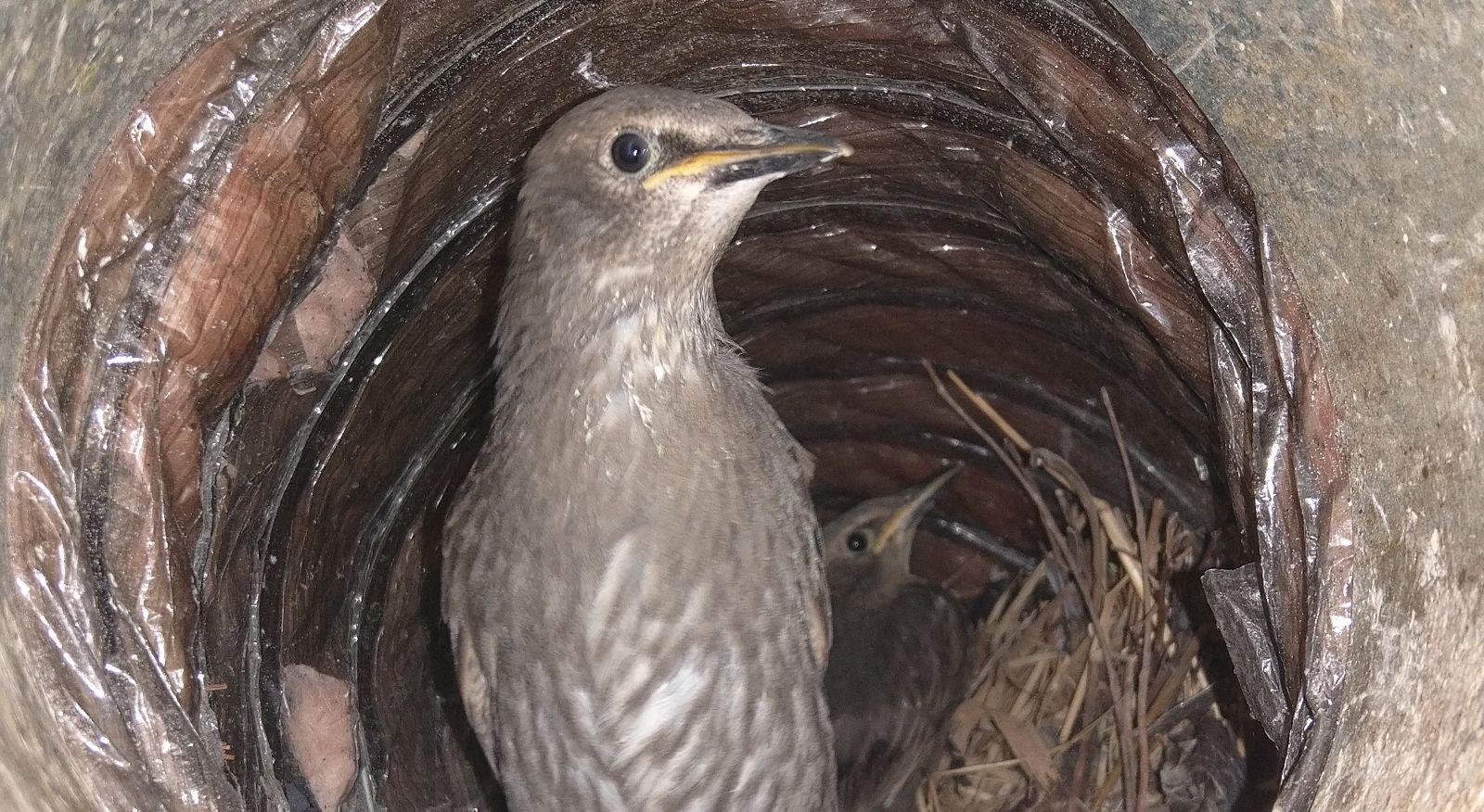
- Vent and Chimney Issues: Starlings and sparrows favour warm, secluded areas such as vents and chimneys. They build nests out of twigs, grass, and even debris, which can result in blockages, reduce airflow, and create a serious fire hazard.
- Water Damage and Erosion: Nests and droppings can clog gutters and eavestroughs, leading to standing water, leaks, or even ice damming in winter. This can accelerate the deterioration of soffits and fascia boards, compromising the home’s ability to shed water and resist the elements.
For example, chimney blockages may not be obvious until you notice smoke backing up indoors, which can pose health and safety hazards. Additionally, when gutters overflow because of blocked drainage, water may seep into ceilings and walls, causing hidden damage that is expensive to repair.
When these problems are left undetected, small repairs can turn into extensive renovations, costing thousands of dollars. This is why recognizing the signs—like stains, unusual sounds, or droppings—can save you from significant repairs down the line.
Hidden Costs of Neglecting Bird Damage
Ignoring bird-related issues does not mean they simply disappear; in fact, the opposite is true. The longer birds are allowed to nest and roost undisturbed, the greater the financial and physical costs become.
- Increasing Repair Expenses: Minor issues, such as a few droppings or a small hole, can escalate into extensive water damage or unsafe roof conditions if birds return season after season.
- Reduced Property Value: Persistent bird activity and visible signs of wear can reduce a home’s curb appeal, making it less attractive to buyers and potentially reducing property value.
- Ongoing Cleaning and Maintenance: Frequent droppings on driveways, decks, and patios require continual cleaning. Incorrect or unsafe cleaning methods can lead to additional wear and tear, or worse, spread harmful bacteria.
- Higher Insurance Premiums or Denied Claims: Some insurance providers may raise premiums or deny claims if recurring wildlife damage is considered preventable.
Neglecting these issues rarely leads to savings; instead, they often result in greater financial burdens. Proactive bird control is an investment in your home’s health and longevity.
Bird Nest Removal: Protecting Homes and Wildlife
Removing a bird nest is not as simple as taking it down and sweeping up. Many birds in Canada are protected by regulations that dictate when and how nests can be handled, especially if they contain eggs or chicks.
Skedaddle’s Key Steps for Safe Bird Nest Removal
- Assessment: A thorough inspection identifies the species, the stage of breeding, and the extent of nesting material. Not all birds can be removed immediately, especially if young birds are present.
- Humane Removal: If the nest is active, Skedaddle technicians wait until chicks are ready to leave, or use techniques such as temporary nesting containers for young starlings. This approach ensures minimal stress for wildlife while also protecting property.
- Site Cleanup: After nest removal, our team clears away droppings, parasites, and any contaminated insulation. Proper cleaning is essential to prevent lingering health risks and avoid attracting new birds.
- Sealing Entry Points: The area is then professionally sealed or screened to prevent future nesting, addressing problem spots such as vents, soffits, and roof edges.
Professional know-how is key. Our technicians combine wildlife biology with hands-on expertise, following best practices and legal guidelines. This ensures both humane outcomes for birds and safe conditions for your family.
Early Warning Signs: How to Spot Bird Damage
Detecting the first signs of a bird problem can make the difference between a minor fix and a major overhaul. Knowing what to look for allows homeowners and business owners to act before structural damage occurs.
- Visible Droppings: Repeated accumulation on siding, railings, or patios is often a sign of active roosting nearby.
- Unusual Noises: Scratching, pecking, or chirping sounds from vents, attics, or chimneys often mean birds are nesting or exploring.
- Loose or Missing Shingles: Birds moving under roofing tiles can dislodge or damage them, leading to hidden leaks.
- Blocked Vents or Weak Airflow: Bird nests in exhaust vents may reduce airflow from kitchens, bathrooms, or dryers.
- Stains and Odour: Persistent stains near entry points or musty smells in attics indicate droppings and nesting materials out of view.
For example, a blocked bathroom fan vent that seems less effective could signal a starling nest inside. Another example is repeated bird droppings below eavestroughs, which may indicate pigeons are roosting.
Recognizing these early warning signs empowers you to take action before small issues escalate, saving time, money, and preserving your home’s structural integrity.
If bird droppings or nests are becoming a concern around your property, don’t let the problem grow beyond control. Contact Skedaddle Humane Wildlife Control in Niagara for safe, professional bird control and nest removal solutions today. Safeguard your property and ensure peace of mind with expert help.

 Loading...