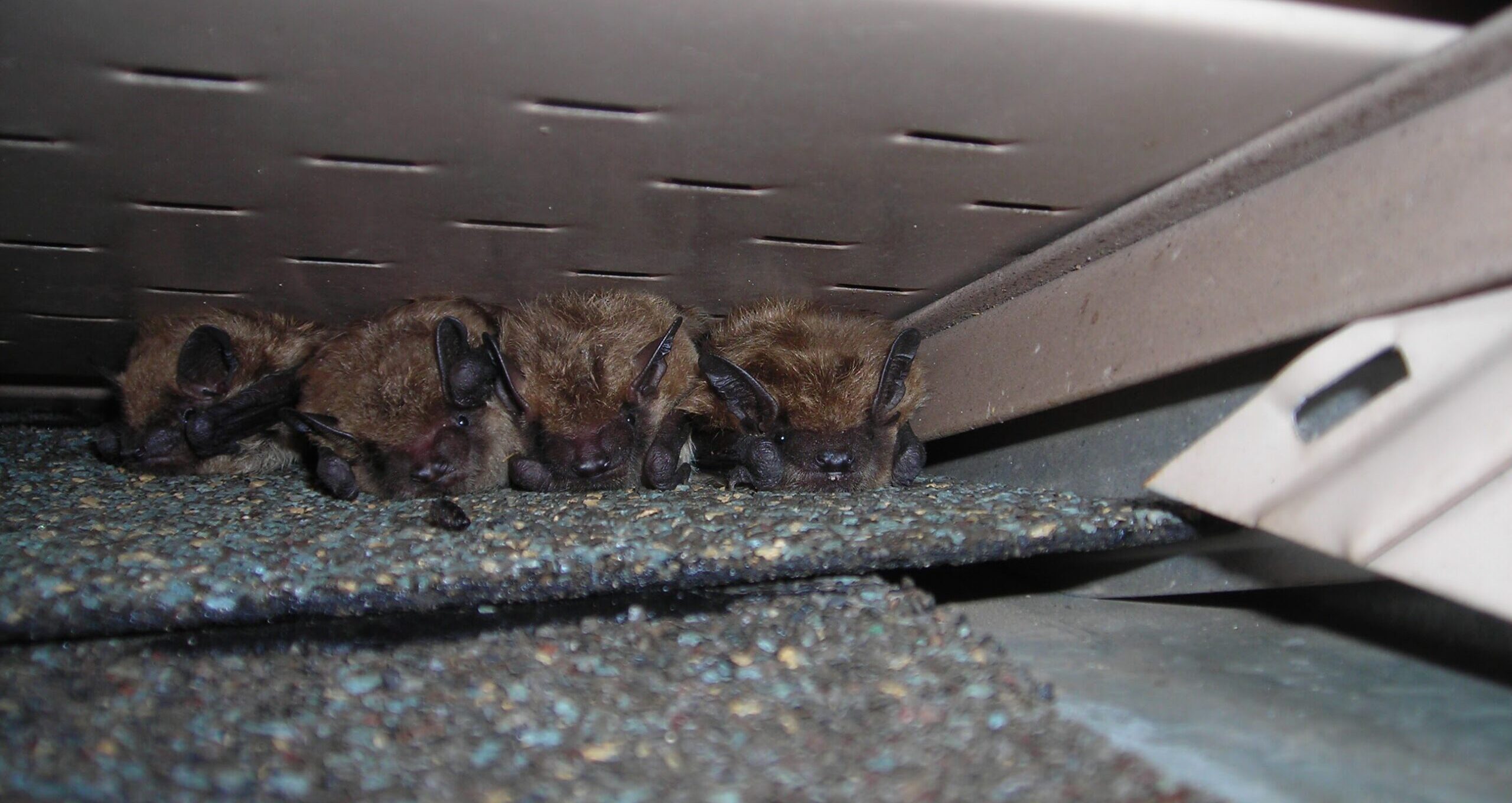
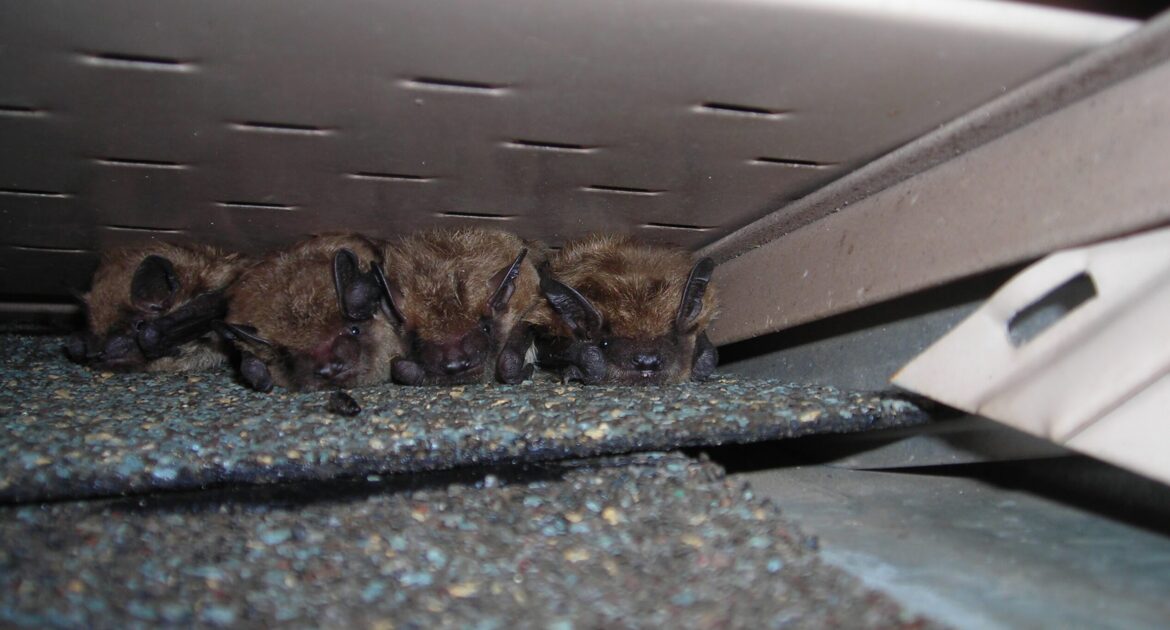
You may not think much about animal activity during colder months, but warmer weather changes everything.
As temperatures rise, movement increases around roofs, attics, and upper walls. This shift marks the start of bat activity season, when animals that stayed hidden through winter begin moving again.
You often notice the change in early spring. Nights feel milder, insects return, and activity becomes more visible. This is when many homeowners start asking when bats are most active and why it seems to happen so suddenly.
At Skedaddle Humane Wildlife Control in Niagara, we see these patterns every year. Bat behaviour in warm weather follows clear seasonal triggers tied to temperature, food, and shelter.
Below, we break down the main reasons warmer weather leads to increased activity, how the season progresses, and why timing matters for prevention.
Warmer Spring Temperatures Trigger Seasonal Wake-Up
As winter ends, rising temperatures signal a major shift in daily behaviour. Cold conditions limit movement and feeding. When nights begin to warm, activity restarts quickly.
This period marks the true beginning of bat season. Even small temperature changes can cause animals to leave winter resting spaces. Movement often starts in March or April, depending on weather patterns.
Warmer air also reduces energy strain. Animals no longer need to conserve heat. This allows longer periods of movement and feeding. You may not see activity right away, but early spring sets the stage for the rest of the season.
Key ways warmer spring temperatures increase activity include:
- Rising nighttime temperatures that allow safe movement
- Reduced the need to stay dormant or still
- Easier access to outdoor feeding areas
- Increased use of warm structures like attics
This early activity often goes unnoticed, but it builds quickly as spring continues.
Increased Insect Activity Drives Feeding Behaviour
Food availability is one of the strongest reasons activity rises with warmer weather. Insects return as temperatures climb, creating reliable feeding opportunities.
As insects become more common, feeding trips increase. This answers a big part of when bats are most active, since movement closely follows food supply. Early feeding may be brief, but it becomes routine as warm nights continue.
Feeding patterns also create repeat travel routes. Once a path is established, it is used nightly. This leads to consistent movement near buildings and rooflines.
Warm-weather feeding changes include:
- Insects are emerging earlier and in greater numbers
- Longer feeding windows after sunset
- Repeated use of the same flight paths
- Increased movement near structures where insects gather
These feeding habits explain why bat behaviour in warm weather feels sudden but is actually predictable.
Maternity Season Increases Daily Movement
Late spring and early summer bring another major shift. This is when females gather in warm, quiet spaces to raise young. Indoor areas often provide stable temperatures and protection.
During this stage of the bat season, movement becomes more frequent and noticeable. Feeding continues nightly, but travel increases as the young develop. Activity may happen at the same time each evening.
This season creates steady, daily use of resting areas. Without proper prevention, access points remain active for months.
Why does maternity season raise activity levels?
- Daily Feeding is Needed to Support Young: Raising young requires a steady food supply. Feeding trips happen more often to meet these needs. Movement increases as adults leave and return on a regular schedule. This makes the activity easier to notice.
- Warm Indoor Spaces Protect Developing Pups: Young need stable warmth to grow safely. Indoor spaces provide protection from weather changes. These areas stay warm even when nights cool down. Comfort encourages continued use of the same space.
- Movement Increases as Colonies Settle In: Once a space is chosen, activity becomes more frequent. Adults adjust to their surroundings and move with confidence. Paths in and out are used again and again. This creates steady patterns of movement.
- Travel Becomes Routine and Predictable: Feeding and resting follow a daily rhythm. Activity often happens at the same time each day. Predictable travel routes form over time. Repeated movement makes signs more noticeable.
This stage explains why activity often peaks in early summer and continues without interruption.
Summer Heat Extends Activity Each Night
Summer brings the highest and longest-lasting activity of the year. Warm nights allow movement to continue well after sunset. This is the clearest answer to when bats are most active.
Young animals begin learning to fly, adding to overall movement. Sounds and sightings become more common during this time. Activity may appear sudden, but it follows seasonal growth.
Extended warmth also means resting spaces stay comfortable overnight. This supports ongoing use throughout the summer.
Summer conditions that increase activity include:
- Warm air that supports longer movement periods
- Young learning to fly and forage
- High insect levels near lights and buildings
- Consistent use of the same access points
This is the most active part of the bat activity season and the hardest time to ignore signs.
Warm Spells Can Cause Unexpected Activity
Activity does not always follow a perfect calendar. Mild weather outside peak months can also trigger movement. Warm spells in late winter or early fall may cause sudden activity.
These temperature swings explain unexpected sightings. Animals may wake to find water or shift locations. This behaviour is still part of bat behaviour in warm weather, even if it happens earlier or later than expected.
Because movement follows temperature more than dates, prevention must be timed carefully.
Weather-related triggers include:
- Sudden Warm Nights During Colder Months: Warm nights can cause animals to wake and move when they would normally stay still. A short rise in temperature may signal that food is available outside. Even brief warmth can trigger movement inside structures. This is why activity can appear during unexpected times of the year.
- Temperature Changes Inside Attics: Attics warm up faster than the rest of the home. Heat can build during the day and stay trapped overnight. These changes make attic spaces feel more comfortable than outdoor areas. Movement often increases when indoor temperatures shift.
- Shifts in Humidity or Airflow: Changes in moisture or airflow can affect comfort inside hidden spaces. Warm air moving through vents or gaps can draw animals toward certain areas. Humid conditions may also signal insect activity nearby. These shifts can quietly encourage movement.
- Short Feeding Opportunities During Mild Spells: Mild weather allows insects to appear for short periods. Animals may take advantage of these brief feeding chances. Activity often increases around dusk during warmer nights. Even short feeding windows can lead to repeated movement.
These patterns show why professional timing matters.
Why Activity Often Builds Before You Notice It
Early activity is usually quiet and easy to miss. Short feeding trips often happen late at night when the house is still. Movement may last only a few minutes at first, which makes signs hard to notice. Many homeowners do not hear or see anything during this early stage. By the time sounds or sightings become clear, activity has often been happening for weeks.
As warmer weather continues, movement becomes more regular and predictable. Animals begin using the same paths, entry points, and resting areas each night. This repeated use makes sounds louder and signs easier to spot. Activity can feel sudden, even though it has been slowly building over time. This pattern is common during bat activity season.
Understanding this timeline explains why early inspection matters. Activity often starts long before visible signs appear. Catching changes early helps prevent long-term use of the home. Seasonal awareness helps homeowners act before activity becomes established.
Bat Prevention With Our Professional Wildlife Team
Preventing repeat activity takes more than removal alone. At Skedaddle, we focus on careful inspection, proper timing, and long-term protection. Our approach is built around seasonal behaviour and known movement patterns. This helps reduce the risk of return visits. Prevention is planned to protect the home without causing harm.
We use one-way doors that allow animals to leave but not re-enter. These doors are installed only when the timing is safe and after a full inspection is completed. Once activity has stopped, entry points are sealed and reinforced. This step is important to prevent future access. Proper reinforcement helps protect the home through changing seasons.
At Skedaddle Humane Wildlife Control in Niagara, our prevention approach supports homes throughout the bat season. We focus on keeping structures secure while allowing wildlife to exit safely. Long-term protection helps reduce repeat activity year after year. Our process is designed to match how seasonal behaviour changes over time.
Act Before Warm Weather Brings More Activity
Warmer temperatures explain when bats are most active, but they also show when prevention matters most. Bat behaviour in warm weather follows clear, seasonal patterns tied to food, shelter, and temperature.
Understanding the bat activity season helps homeowners act early instead of reacting later. Professional prevention focuses on timing, structure, and long-term results.
At Skedaddle Humane Wildlife Control in Niagara, we provide humane, professional solutions designed to protect homes before seasonal activity becomes a lasting problem. Request an estimate to learn more.

 Loading...







