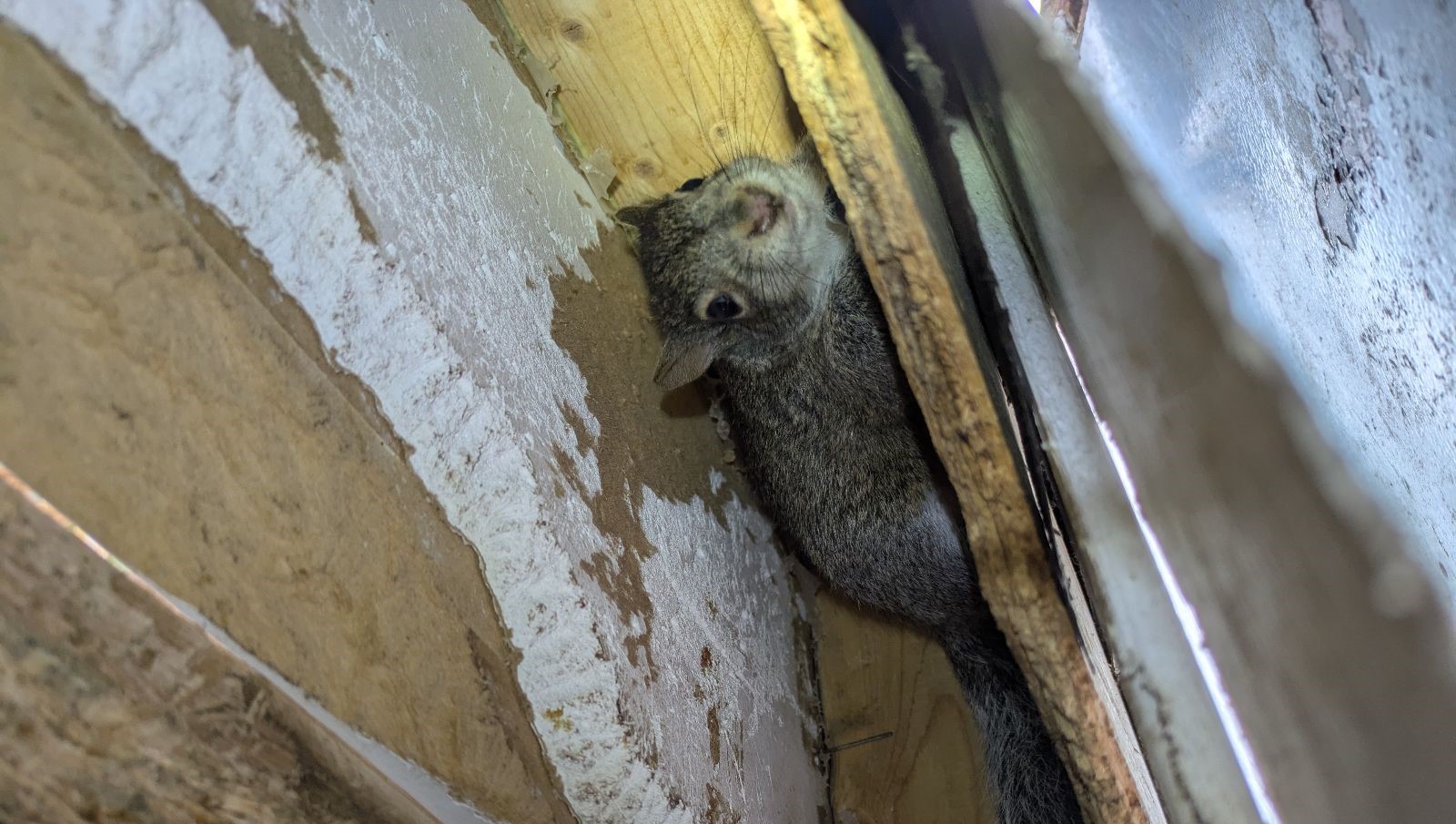
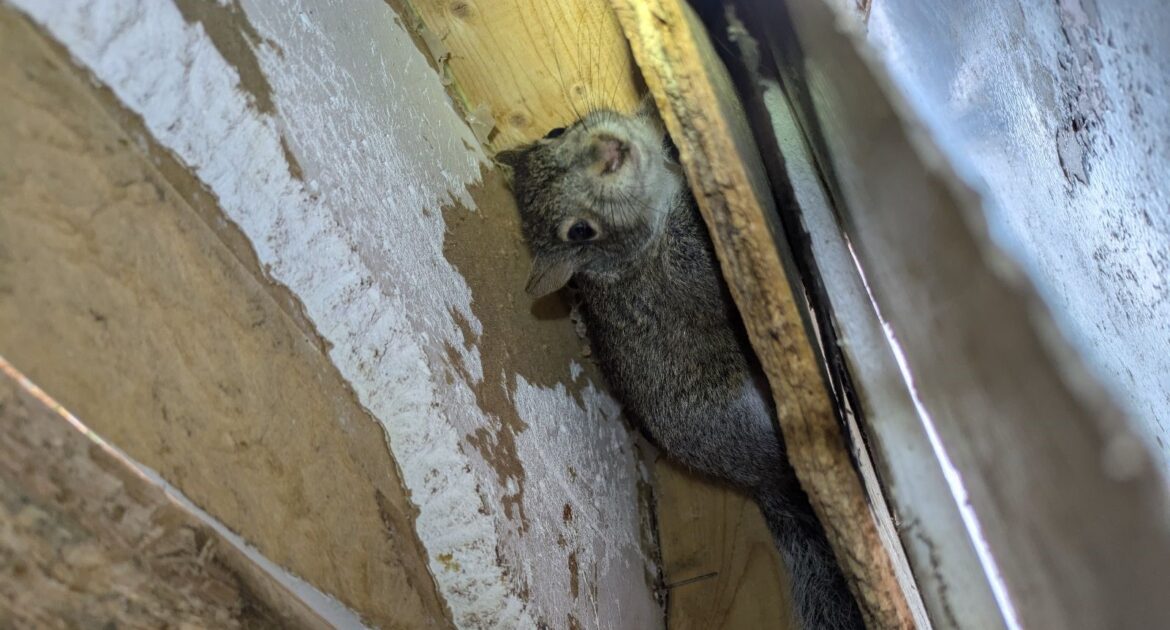
If you live in Niagara and have noticed squirrels causing damage around your home or business during the winter, you’re not alone. Each year, we hear from property owners discovering holes, chewed wires, or shredded attic insulation after the cold sets in. While these rodents may appear harmless—especially when seen darting through Montebello Park or along the Niagara River Parkway—their winter habits can create serious problems for buildings. Squirrels chew more in winter because food is scarce, and they need to maintain their ever-growing teeth while accessing warm, sheltered spaces. Understanding this seasonal behaviour and the potential damage it can cause is key to protecting your property before the problem escalates.
Types of Squirrel Chewing Winter Damage
The destruction caused by squirrels can vary widely, be costly, and present hazards. Whether you own a single-family home, manage a historic bed and breakfast near Clifton Hill, or supervise a commercial building, these rodents can create issues almost anywhere.
Some of the most common types of damage include:
- Exterior Entry Points: Holes chewed through soffits, fascias, roof vents, and siding that create access.
- Structural Damage: Support beams and joists gnawed for nesting space or teeth maintenance.
- Insulation Issues: Shredded attic or wall insulation used for nesting.
- Electrical Hazards: Chewing on wires, potentially causing power outages or starting fires.
- Damage to Components: Chewing on vent covers, gutter guards, or wiring sheaths.
Here’s what this typically looks like: you may hear scratching or scampering sounds coming from your attic, especially during quiet winter nights. Upon inspection, shredded insulation and damaged electrical wires are often discovered, evidence of squirrels at work. A closer look frequently reveals holes along the roofline or gaps in soffit boards, pried open by these determined rodents seeking warmth and shelter. If left unchecked, even a small family of squirrels can create these problems throughout winter, with repairs sometimes costing thousands of dollars.
As the damage tends to start small and occur in hard-to-reach areas, it’s easy for infestations to go undetected. Ignoring early signs of their chewing can lead to increased heating bills, a higher risk of electrical faults, and lasting structural problems by spring.
How Squirrels Cause Structural Damage
It’s crucial to understand how even a single squirrel, given enough time, can compromise the strength and safety of your property. We often see this in many Niagara homes and businesses—especially older buildings where weathered materials make chewing easier.
Risks posed by squirrel chewing include:
- Chewed holes in roof supports and exterior beams that weaken the building envelope.
- Damaged soffits or vents that allow moisture, drafts, and additional wildlife to enter.
- Destroyed vapour barriers that reduce insulation effectiveness and increase energy loss.
- Compromised wiring, posing both a fire and shock risk.
Here are signs that may indicate potential structural damage:
- Sudden drafts or new cold spots, particularly near attics or upper floors.
- Discolouration or bulging of interior ceilings (a result of damaged insulation or leaks).
- Flickering lights, tripped breakers, or unexplained power issues.
If you notice any of these changes or suspect squirrels might be responsible, it’s essential to act quickly. Minor chewing now can lead to expensive repairs and greater hazards in the future.
Many people wonder why these rodents target materials like wires or insulation for chewing. Part of the reason is instinctual, but it also relates to their desire to build safe, comfortable nests—often at our expense.
Why Squirrels Are Drawn Inside in Winter
Niagara’s harsh winters drive squirrels to seek reliable, warm shelter. Human buildings—particularly those near treed parks or areas like Queenston Heights—offer excellent protection from harsh weather and predators. The easy availability of food scraps, bird feeders, and accessible roofs further make our homes inviting winter dens.
Squirrels exhibit impressive adaptability:
- They leap from tree branches or power lines to roofs.
- They squeeze through gaps as small as 2 inches.
- They chew through wood, aluminium, and even plastic to make entry points larger.
Once inside, squirrels establish nests in quiet, hidden spots such as attics and wall cavities. Because they are diurnal, most of their noise and activity occurs during the day, making them more challenging to detect at night. As winter progresses, their constant chewing and nesting can escalate without notice.
While squirrels can be a nuisance with their property damage, it’s worth acknowledging their role in forest ecology. Their habit of burying seeds—only to forget about some—helps regenerate woodlands and supports Niagara’s beautiful green spaces. However, their beneficial traits turn harmful within our homes.
Understanding why squirrels are motivated to come indoors can help us better anticipate and prevent problems—especially for Niagara property owners using older materials.
Early Signs and Red Flags of Squirrel Activity
It’s easier and more cost-effective to prevent damage in winter than to repair it afterward. The challenge lies in the persistence of squirrels, as the initial signs of their activity are often subtle.
Watch for these warning signals:
- Scratching, chewing, or scampering sounds from attics, eaves, or walls during the day.
- Newly chewed holes along rooflines, vents, fascia boards, or siding.
- Insulation, wiring, or nesting materials found on the ground or in gutters.
- Unexplained electrical problems or blown fuses, sometimes linked to chewed wires.
- Droppings or strong odours in attic spaces or along wall cavities.
Homeowners near wooded areas, or in older Niagara neighbourhoods like St. Catharines or Niagara-on-the-Lake, are at greater risk. Squirrels often take advantage of aging construction, weak chimneys, or rooflines with overhanging trees.
Regular and thorough inspections—especially in fall before the first snowfall—can reveal vulnerabilities before squirrels invade. Proactively looking for signs of damage is the first step in protecting your property.
Take Control of Winter Squirrel Damage with Skedaddle
While winter brings charming sights to Niagara, it also invites unwanted guests—squirrels seeking warmth and shelter inside your property. Their relentless chewing can compromise insulation, wiring, and structural integrity before you even notice an issue, leading to costly repairs and potential safety hazards in spring.
Don’t let their activity go unchecked. Skedaddle’s seasoned wildlife technicians combine extensive local knowledge with humane, practical removal techniques to resolve infestations thoroughly and efficiently. Our process doesn’t just eliminate the current problem—it protects your home or business from future intrusions by sealing vulnerabilities and addressing contamination. Safeguard your investment and reclaim peace of mind this season. If you’ve seen signs of squirrel activity or want proactive protection, contact Skedaddle today and rely on over 30 years of experience to keep your property safe, secure, and squirrel-free.

 Loading...

