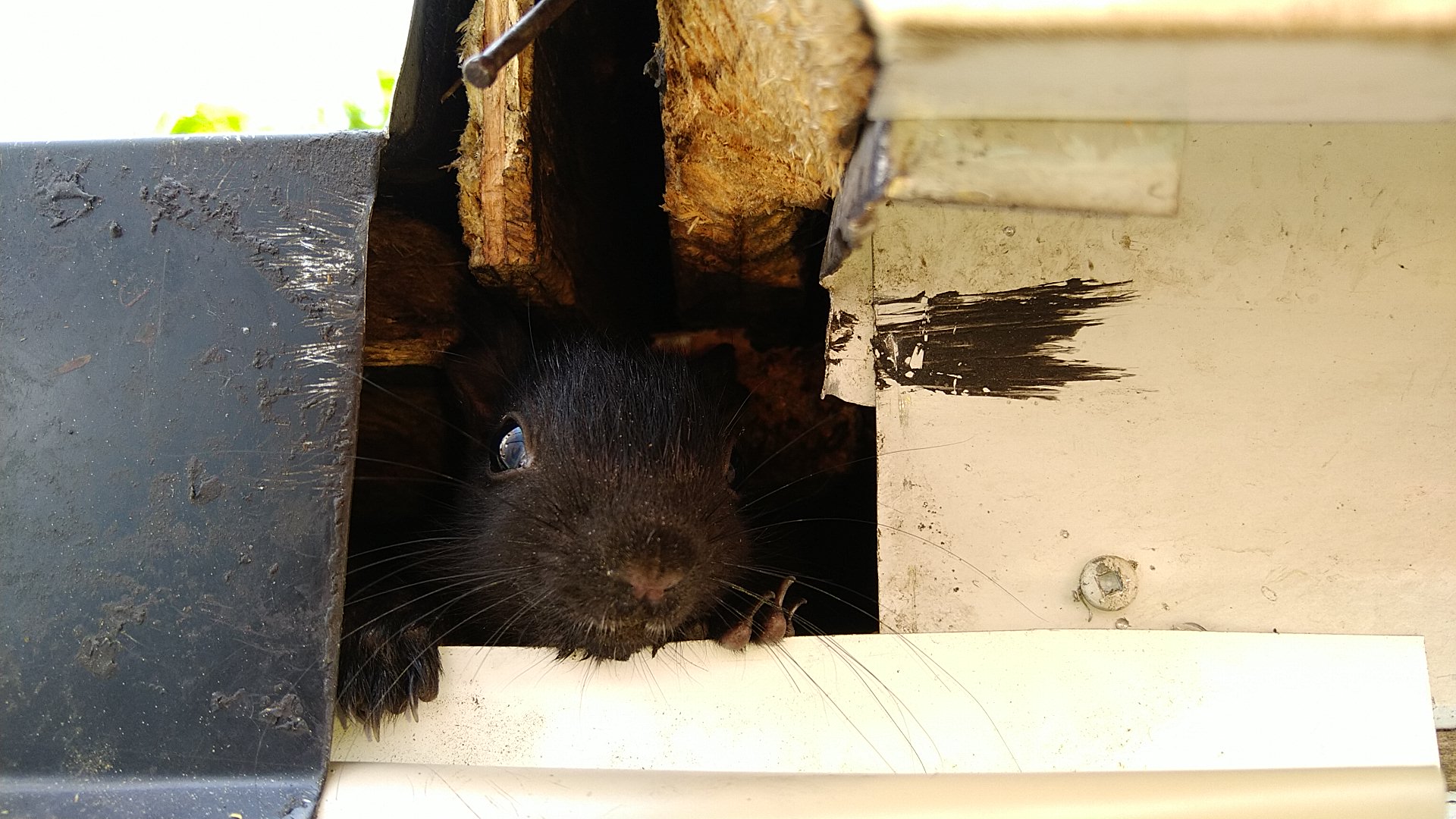
Summer brings warm weather and sunshine, but it also brings a hidden problem to many properties. Summer is prime time for squirrel attic damage because baby squirrels born in the spring are now growing, playing, and chewing on everything in sight. These young animals are highly active, and their constant movement causes severe damage to insulation, wires, and wood inside your attic. If you recently updated your space, you might be surprised to find these creatures moving in right after the builders leave.
It can be frustrating to spend time and money upgrading your property, only to have it damaged by wildlife. Why does this happen? The fresh materials and new gaps make an easy target for a squirrel looking for a safe place to sleep.
In this blog, we explain why your recent upgrades attract wildlife and how Skedaddle Humane Wildlife Control in Niagara can help keep your property safe. You will learn the top reasons these animals love fresh building materials and what makes them move indoors.
How To Get A Squirrel Out Of A House?
To get a squirrel out of a house, you need to use professional one-way doors that allow the animal to exit safely without being able to re-enter. We strongly advise against trying to remove them yourself. These animals can become very defensive, especially if they have babies hidden in your walls or attic. Our professional team handles the entire process for you.
We inspect your property to find every hidden entry point and install specialized one-way doors. This method lets the animals leave on their own to find food, but it completely deters them from coming back inside. Because we do not use live trapping or relocation, the animals get to stay in their familiar territory while your property remains safe and secure. It is the safest and most effective way to solve the problem.
The Main Reasons Squirrels Love New Construction
Squirrels frequently target newly renovated homes because the construction process often creates fresh, accessible entry points. When contractors replace roof vents, soffits, or siding, the temporary gaps offer an open invitation. Renovations also tend to remove familiar outdoor nesting materials, forcing displaced animals to look for shelter in the closest structure.
Furthermore, new building materials are incredibly easy for them to manipulate. Fresh wood, plastic vents, and exposed edges provide a warm, dry shelter for nesting. The combination of open access, premium shelter, and new things to chew on makes a freshly updated property a magnet for wildlife. Instead of keeping them out, the changes often roll out the welcome mat.
- Vulnerable Entry Points and Openings
Squirrels are always searching for easy ways to get into buildings, and small gaps or weak spots make it simple for them to sneak inside. Areas like vents, chimneys, or cracks in walls can act as doorways for wildlife looking for shelter. Many creatures can squeeze through openings much smaller than you might think, making even tiny gaps a big risk. Taking the time to inspect and secure these entry points can help keep your property safe from unwanted guests.
Your recent upgrades might look great, but they can leave your property exposed. Here are the main entry points we see:
- Newly Installed Roof Vents and Soffits: Many modern roof vents are made from thin aluminum or plastic. These materials are no match for sharp teeth, allowing squirrels to chew right through them. Once the cover is broken, they have a direct path into your warm attic.
- Uncapped Chimneys: Renovations sometimes leave chimneys exposed or temporarily uncapped. These deep, vertical spaces mimic hollow trees, making them highly attractive for nesting. If left open, a squirrel will quickly move in and set up a secure home.
- Wall and Plumbing Vents: Freshly installed wall vents are an easy target during the construction process. They provide a sheltered, pre-made hole that feels incredibly safe from the weather. Squirrels will easily widen the plastic covers to squeeze inside and build a cozy nest.
- An Ideal Nesting Environment
An ideal nesting environment provides squirrels with the safety and resources they need to thrive. Warmth, shelter from the elements, and proximity to food sources are key factors that attract wildlife to certain spaces. Squirrels seek locations that are quiet, secure, and hidden from predators, making human structures an appealing option. Understanding these preferences is essential for preventing unwanted habitation and protecting your property.
Once they get inside, your fresh construction provides a five-star hotel experience. Here is why the environment is so appealing:
- Warm and Dry Attics: A freshly insulated attic holds heat perfectly, making it the ultimate safe zone. Mothers love these warm spaces, and they are a favourite spot for raising vulnerable babies. It protects them from harsh weather, high winds, and dangerous outdoor predators.
- Quiet Wall Cavities: New additions or expanded rooms often create empty, undisturbed wall cavities. These quiet, dark areas give squirrels a secluded place to rest safely. They can sleep without worry while remaining completely hidden from the rest of your busy family.
- Secure Sub-Floors: Upgraded floors sometimes leave hidden gaps between the wooden joists. These hidden spots act like a maze, giving wildlife a secure place to store food. It provides them with an uninterrupted runway right under your feet where they feel protected.
- Chewing Opportunities
Squirrels and other small animals often target homes because they provide plenty of things to chew on. From wood trim to plastic siding, these materials are easy for wildlife to gnaw through, helping them maintain their teeth. Unfortunately, their chewing can quickly cause damage to your home, leading to costly repairs if left unchecked.
One of the most common areas for animals to chew is close to entry points like corners or edges of roofs. These spots are vulnerable because they are thin and easy to reach. Once the squirrels make their way through, they can expand the hole to create nesting spaces or pathways into your attic or walls. This not only weakens the structure, but it also invites further activity.
Chewing doesn’t stop at the exterior of your home. Squirrels can also make it inside and target things like electrical wires, insulation, and even furniture. Chewing on wires is especially dangerous because it increases the risk of electrical fires. Protecting your home from this behaviour is vital to avoid significant damage and ensure your family’s safety.
- Disturbance of Old Habitats
Renovations can unintentionally disturb the natural habitats of local wildlife. Squirrels, in particular, are quick to act when their nests or shelters are destroyed. They will often seek refuge in nearby structures, and your newly renovated home becomes an appealing target.
Understanding why squirrels behave this way can help you protect your home from unwanted guests. Below are the main reasons squirrels may move in after a renovation:
- Loss of Shelter: When trees or branches are cut down, squirrels lose their homes and places to store food. Without their usual nesting spots, they urgently search for alternative shelters to stay safe from predators. Your attic or walls can seem like the perfect replacement.
- Disrupted Food Sources: Renovations often clear out areas where squirrels find nuts, seeds, or fruits. With their food supply reduced, they may seek out human spaces where food or resources are accessible. Garbage bins or gardens around your home can attract these animals closer.
- Attraction to Gaps and Openings: Repairs or construction can leave temporary gaps in your home’s exterior. Squirrels are clever and can squeeze through small openings into attics, crawl spaces, or roofs. These cozy and insulated areas provide them with a warm, safe place to nest.
- Protection from Weather: Newly built or renovated spaces are often more insulated and weather-resistant, making them appealing to squirrels. During colder months, they are especially drawn to warm areas where they can raise their young without harsh weather conditions.
Taking precautions during and after renovations can go a long way in keeping squirrels and other wildlife out of your home.
Squirrel Removal in Niagara
Niagara’s weather has a big effect on squirrel activity. Hot, humid summers and cold winters make squirrels look for warm and safe places to live. Homes and businesses often become the perfect shelter. This is especially true during seasonal changes when squirrels search for new nesting spots.
Many homes in Niagara have features that make it easy for squirrels to get inside. Older houses may have aging wood or small gaps that squirrels can use as entry points. Newer homes can also have weak spots around roof vents, soffits, or siding. Regular inspections and proper sealing help keep squirrels from moving in.
Wildlife removal in Niagara must follow rules that protect squirrels and treat them humanely. Our professional wildlife teams use safe methods to remove squirrels without harming them. Our Niagara technicians understand the local environment and building styles. This helps us protect homes while following all local wildlife guidelines.
Keep Your Property Safe With Professional Prevention
Protecting your property from wildlife starts with proactive prevention. Squirrels like raccoons, skunks, and birds are resourceful and can quickly find entry points in new construction. These creatures can cause significant damage to your home if left unchecked, tearing insulation, chewing wires, and leaving behind waste that can lead to health issues. That’s why it’s important to take steps to secure your property before your project is complete.
Our skilled wildlife prevention team has the expertise to identify vulnerabilities that might not be visible to the untrained eye. We take a detailed approach, inspecting every corner of your property for potential entry points. By using durable materials like heavy-gauge galvanized steel screens, we ensure that our solutions are effective and long-lasting. Combined with custom vent and chimney covers, these measures create a strong barrier that keeps wildlife out for good.
Relying on professional help is the safest and most effective way to protect your home. Attempting DIY solutions can escalate the problem, especially if a squirrel becomes trapped inside, creating a hazardous situation for both the animal and the homeowner. Our team is here to provide reliable, humane solutions that prevent wildlife from entering your home and disrupting your life. Trust us to handle the hard work so you can enjoy peace of mind knowing your property is secure.
Frequently Asked Questions
Why are squirrels suddenly on my roof after a renovation?
Contractors often use scaffolding or ladders that create a temporary bridge to your roof. Even after the tools are gone, the squirrels have already discovered the new, easy routes to your roofline.
Do they cause a lot of damage inside?
Yes, they can cause severe damage very quickly. They chew through electrical wires, rip up brand-new insulation, and leave behind harmful droppings that ruin your ceiling.
Can I clean up the droppings myself?
No, homeowners should not touch any droppings or nesting materials. These messes can carry harmful bacteria, so you should always call our professional team to handle the cleanup safely.
Will a mother leave if I make loud noises?
No, a mother is highly protective and will rarely abandon her babies because of noise. She will simply dig deeper into your walls to find a quieter, safer spot.
Protect Your Fresh Upgrades With Expert Help
Completing a renovation is exciting, but a wildlife invasion can quickly ruin your hard work. You have invested too much time, money, and energy into your home to let it become a nesting ground. As we discussed, fresh materials and open gaps are a massive draw for local wildlife. That is why it is so important to let the experts step in and secure your property before the damage is done.
At Skedaddle Humane Wildlife Control in Niagara, we have the tools and experience to protect your newly upgraded space. Our proven methods ensure that squirrels are removed safely using one-way doors and that your property remains secure against future visitors.
You deserve to enjoy your beautiful, updated space without listening to scratching in the ceiling. Do not wait for a small gap to turn into a massive headache. Request an estimate today to learn more about how our professional team can keep your home safe, clean, and completely animal-free.

 Loading...