








RAT REMOVAL PROCESS

Assess and Remove
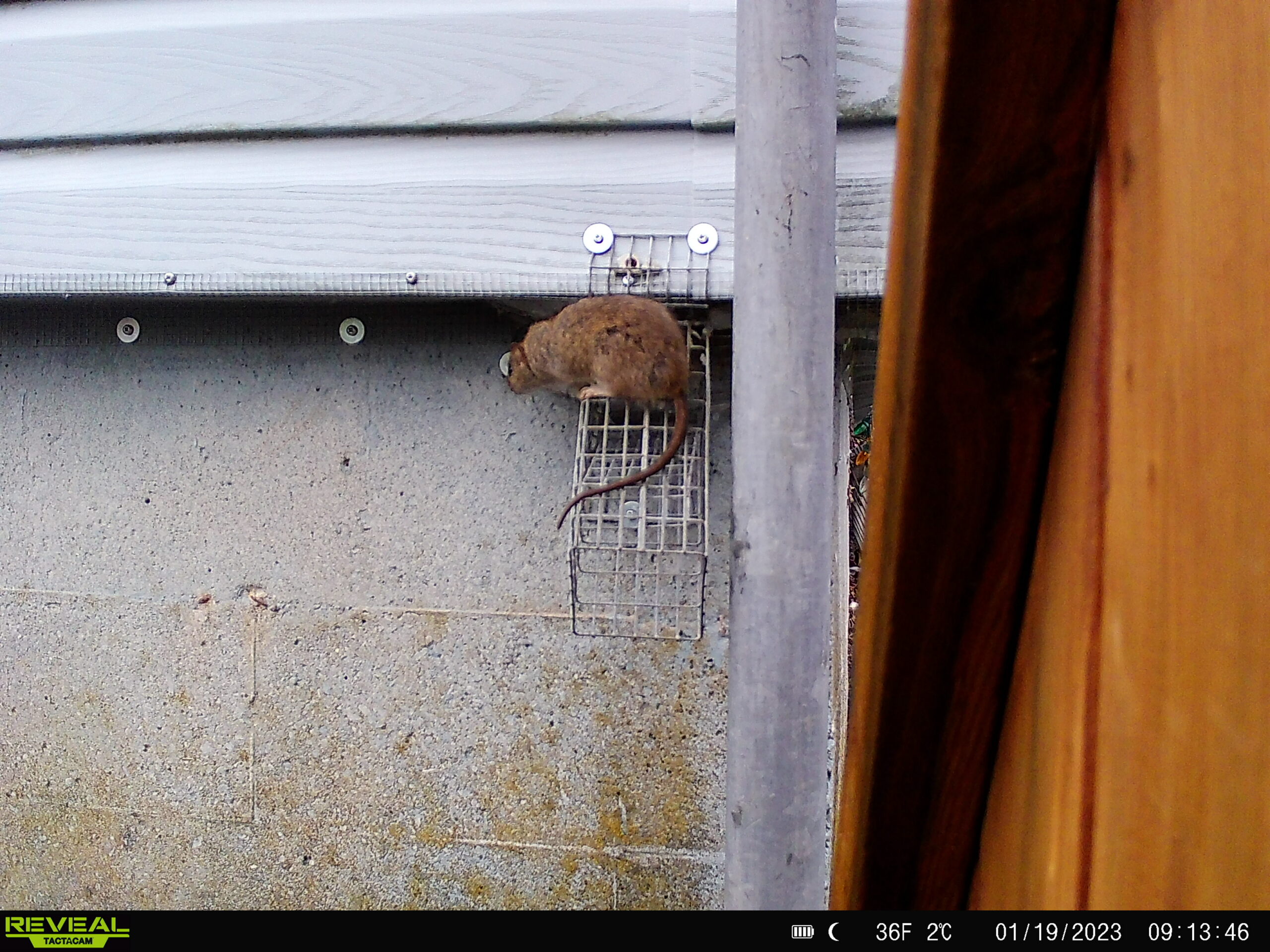
We begin with a detailed 35-point inspection using thermal imaging to detect hidden rat activity. One-way doors are installed to allow humane exit while preventing re-entry. This ensures rats are safely removed from attics, walls, and basements without unnecessary harm.

Clear and Clean
Once rats are removed, we perform professional decontamination to eliminate droppings, nesting materials, and pheromone trails. This step restores safety, reduces odours, and helps prevent other rats from being attracted to the same areas.

Prevent and Protect
We secure your home using galvanized steel screening and industry-leading exclusion techniques. Every vulnerable entry point is sealed to rat-proof your structure and provide long-term protection against future infestations.
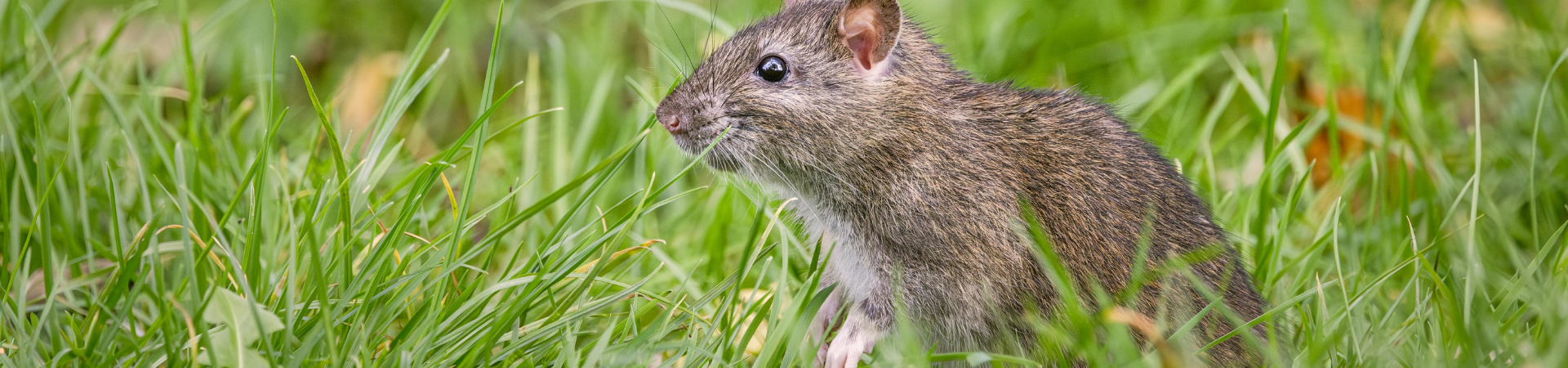
Rats are one of the most persistent and destructive wildlife issues facing homeowners throughout Niagara, Ontario. From historic neighbourhoods in St. Catharines and Welland to rural properties near Niagara-on-the-Lake and Fort Erie, rats thrive in both urban and suburban environments. Their ability to squeeze through tiny openings, reproduce rapidly, and remain hidden inside homes makes them a serious concern that requires professional attention.
At Skedaddle Humane Wildlife Control, we’ve been helping homeowners protect their properties since 1989. With more than 30 years of experience and a proud history of serving property owners, our team specializes in humane, long-term rat removal solutions. From detailed inspections to attic restoration services, we deliver customized removal plans backed by a lifetime guarantee, helping ensure your home stays protected.
Humane Rat Control That Works Long Term
Skedaddle delivers humane rat removal through thorough inspections, one-way exit systems, and complete home sealing. Our approach removes rats safely without traps or poisons while ensuring they cannot return. Every service includes cleanup and restoration when needed, creating a healthier living environment. With decades of experience across Ontario communities, we provide reliable, ethical, and lasting solutions tailored to each home and infestation.

How Rat Behaviour Shifts Through the Year
Rat activity changes with the seasons, but they remain active year-round. Understanding these behavioural shifts helps homeowners recognize risk periods and take preventative action before infestations become severe.
Spring: Breeding Season Begins
Spring brings a sharp increase in rat activity as temperatures rise and food sources become more available. This is a major breeding period, which can quickly lead to expanding colonies around homes. Properties near rivers, farmland edges, or wooded areas often see increased movement as rats search for nesting sites. Attics, wall voids, and crawl spaces provide ideal shelter for raising young. Early intervention in the spring helps prevent small activity from turning into a full infestation later in the year.
Summer: Indoor Shelter Becomes Attractive
During warm summer months, rats often move indoors to escape the heat and find stable food sources. Homes provide cooler environments in basements, crawl spaces, and attics, making them highly attractive. Outdoor food waste, compost, and unsecured garbage bins increase activity around residential properties. Once rats establish access to food and shelter, they tend to stay and expand. Without proper sealing, summer infestations can grow quickly and become more difficult to control.
Fall: Searching for Warmth
Fall is one of the most active seasons for rat intrusion as temperatures begin to drop. Rats actively search for warm, sheltered spaces to survive the colder months. Homes in areas like Thorold, Welland, and Niagara Falls often experience increased entry attempts during this time. Even small openings around roofing, siding, or foundations can be exploited. Once inside, rats begin nesting and storing food, making fall a critical time for prevention and exclusion work.
Winter: Hidden Indoor Infestations
In winter, rats rely almost entirely on indoor environments to survive cold temperatures. Once inside, they remain active in hidden spaces such as attics, walls, and insulation. While outdoor signs may decrease, indoor infestations often worsen as rats continue nesting and breeding. Damage can increase significantly during this period due to constant gnawing and contamination. Winter infestations are often well established, making early detection and professional removal essential for long-term control.
Why Homes in Niagara Are Vulnerable to Rat Entry
Many homes contain structural features that make them vulnerable to rat entry, regardless of age or condition. These weaknesses often go unnoticed until an infestation has already begun.
Common risk factors include:
- Gaps in roofing, soffits, and foundation areas
- Poorly sealed vents, chimneys, and utility penetrations
- Attics with damaged or insufficient insulation
- Readily available food sources, such as pet food or garbage
- Overgrown trees or branches providing roof access
- Proximity to waterways, farmland, and commercial areas
A mix of urban centres and rural landscapes creates ideal conditions for rat activity. Moisture, food availability, and shelter opportunities all contribute to higher risk. Without regular inspection and professional exclusion, these vulnerabilities can quickly lead to infestations inside the home.
Early Signs of a Rat Problem in Your Home
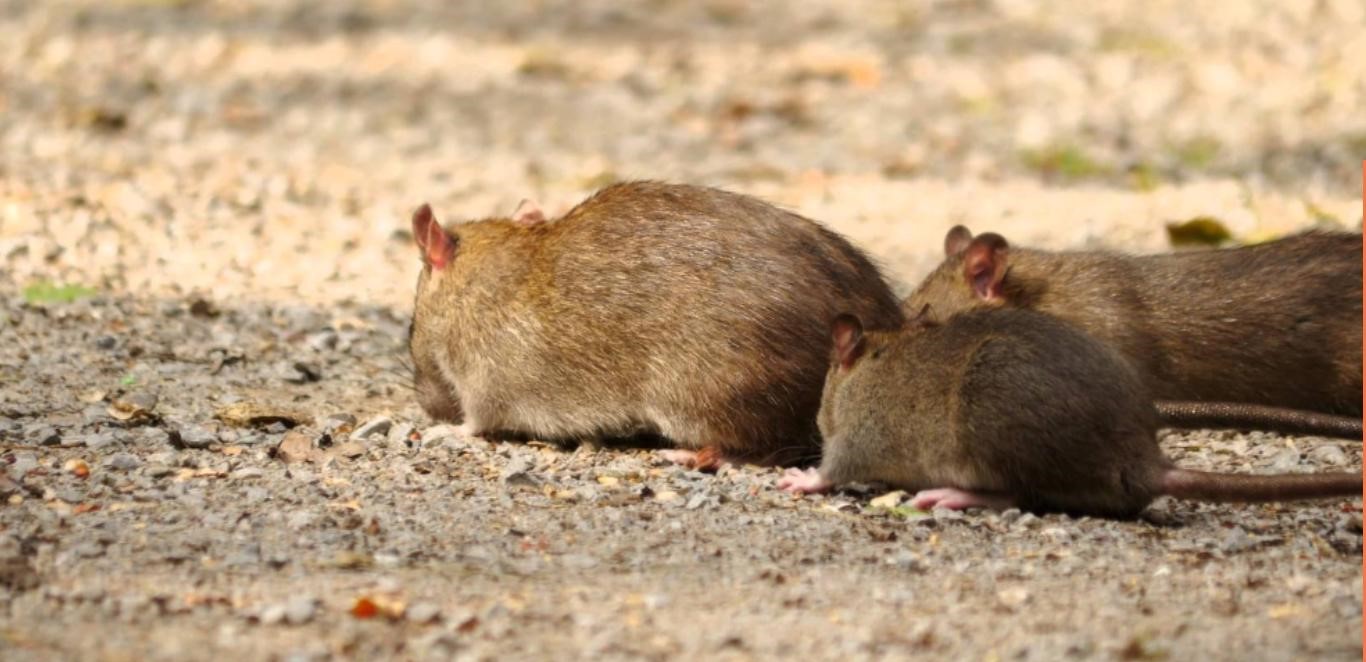
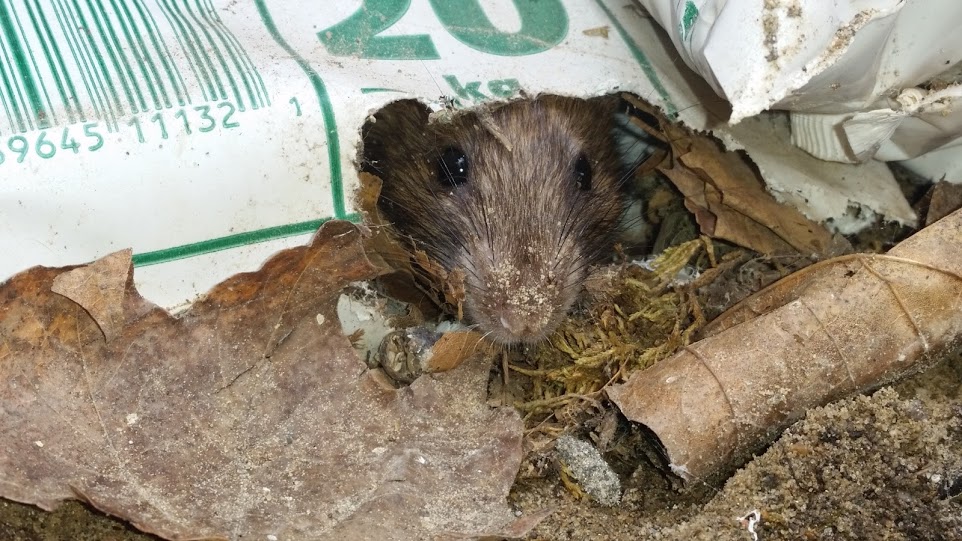
Recognizing early warning signs can help prevent a minor rat issue from becoming a major infestation. Rats are quiet, nocturnal, and highly secretive, making them difficult to detect.
Common indicators include scratching or movement noises in walls or ceilings at night, unpleasant odours, and small dark droppings in hidden areas. Damage to food packaging or insulation is also a strong warning sign that rats may be present inside the home.
Additional signs to watch for include:
- Greasy rub marks along walls or baseboards
- Gnawed electrical wires or wooden structures
- Shredded nesting materials in hidden spaces
- Increased pet attention to specific areas
- Activity around garbage or storage spaces
Inside Skedaddle’s Humane Rat Removal Process
Removing rats effectively requires a complete system that addresses both the infestation and the conditions that allowed it to enter. Skedaddle uses a proven process refined over decades to ensure safe, humane, and long-lasting results.
Step 1: Comprehensive Home Inspection
Every service begins with a full inspection of the property to identify entry points, nesting sites, and activity levels. Our technicians carefully examine roofs, foundations, vents, and interior spaces. This allows us to fully understand the infestation and develop a tailored removal plan. A complete assessment ensures no hidden access points are missed and sets the foundation for an effective solution.
Step 2: Humane Exclusion Using One-Way Doors
We install specially designed one-way doors that allow rats to safely exit the home but prevent them from returning. This method avoids harmful traps or poisons and ensures a humane approach. It also eliminates the risk of rodents dying inside the structure, which can cause odour and contamination issues. This step is focused on the safe, controlled removal of the entire infestation.
Step 3: Full Home Sealing and Protection
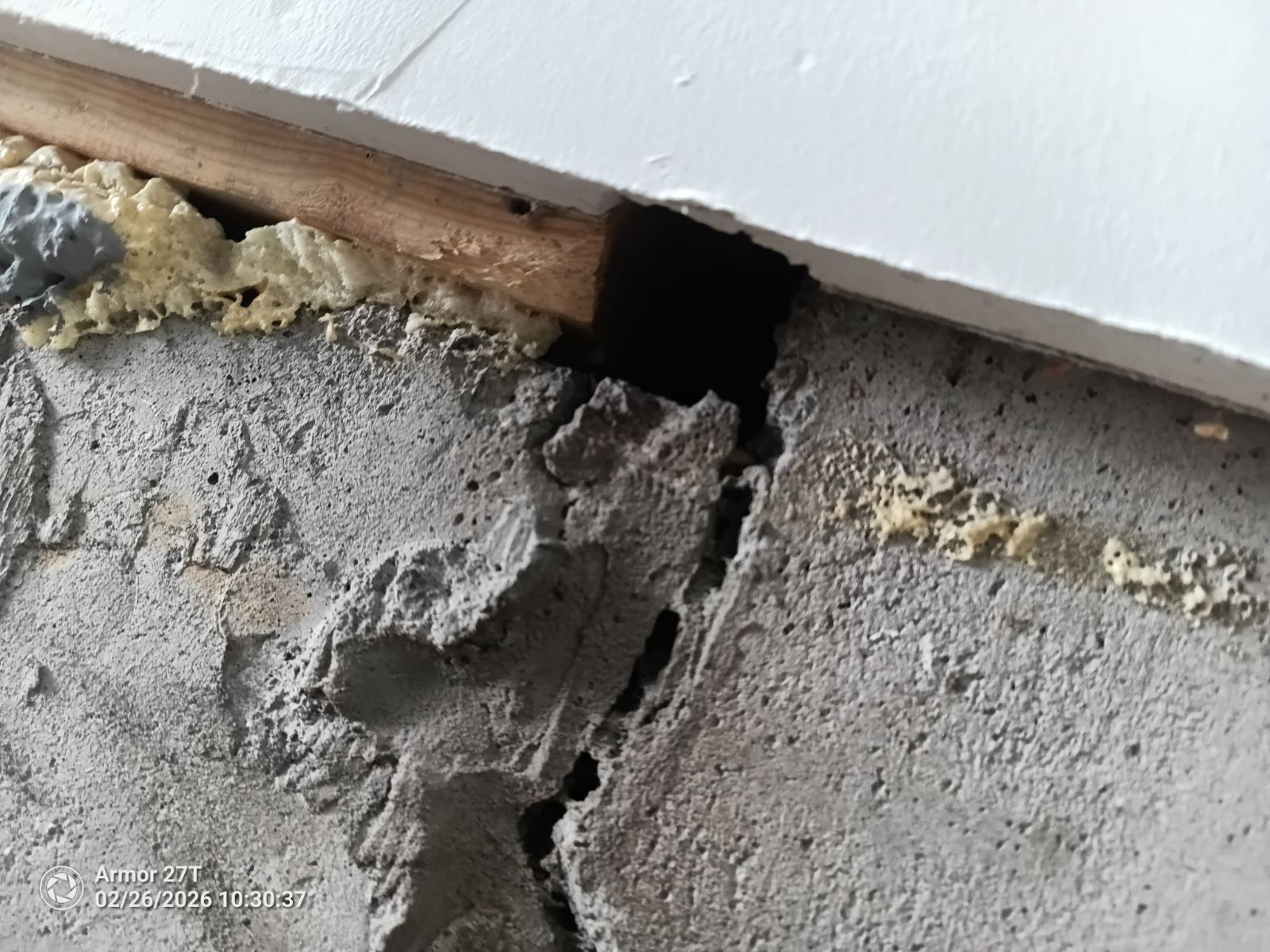
After removal, all entry points are permanently sealed using durable, wildlife-resistant materials. This includes vulnerable areas such as roof edges, vents, and foundation gaps. Proper sealing is essential to preventing future infestations. By eliminating access points, we ensure the home is no longer attractive or accessible to rats, providing long-term protection and peace of mind for homeowners.
Step 4: Cleanup and Attic Restoration
Rats leave behind droppings, urine, and contaminated insulation that can affect indoor air quality. Our team removes all affected materials and sanitizes the space thoroughly. When needed, we restore attic insulation to improve safety and energy efficiency. This step ensures the home is not only free of rats but also clean, healthy, and fully restored for long-term comfort.
Step 5: Final Inspection and Lifetime Protection
Once all work is complete, we conduct a final inspection to ensure the home is fully secure. We also provide a lifetime guarantee on sealed areas, giving homeowners confidence in long-term results. If rats attempt to re-enter through protected points, we will address the issue. This final step ensures lasting protection and reinforces our commitment to permanent solutions.
Why Rat Infestations Should Never Be Ignored
Rats can cause extensive damage if left untreated in a home. They chew through wiring, insulation, and structural materials, which can increase the risk of electrical hazards and costly repairs. Their constant activity often remains hidden until significant damage has already occurred.
In addition to structural concerns, rats can spread bacteria and contaminate living areas through droppings and urine. This can negatively affect indoor air quality and overall household health. Over time, infestations grow quickly, making professional intervention essential for safe and effective resolution.
Protecting Homes with Humane Wildlife Solutions
Rats are not a problem that resolves on its own. They require professional, humane intervention to ensure complete removal and long-term prevention. With over 30 plus years of experience and a reputation built since 1989, Skedaddle Humane Wildlife Control proudly serves homeowners with trusted, effective solutions.
Most removals can be completed in a single day, depending on the situation, and every service includes a customized plan and written quote. Whether you live in St. Catharines, Niagara Falls, Welland, or Niagara-on-the-Lake, our team is ready to help protect your home.
Contact Skedaddle today to get started on a permanent solution.

Squirrels In The City: How They Survive
Is Skunk Spray Dangerous To Pets?
Why Squirrels Target Newly Renovated Homes
Frequently Asked Questions About Rats in Niagara
CALL US TODAY
1.888.592.0387
OR
Request for Services

