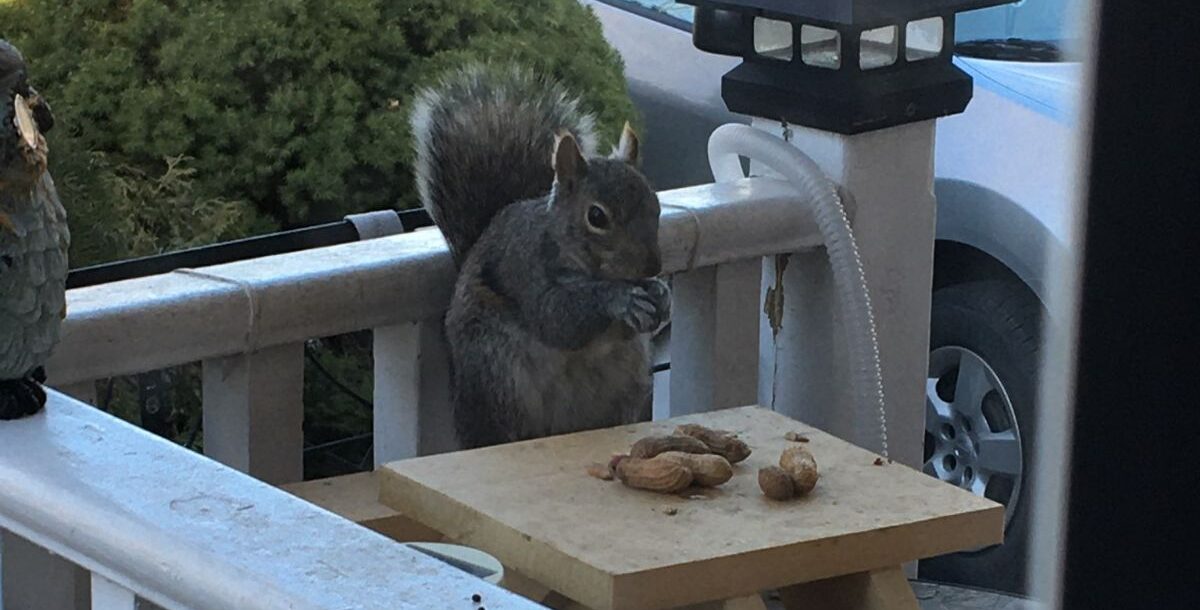
Squirrels are some of the most adaptable animals you’ll find in a city. They survive by making use of the environments we create, such as homes, yards, and gardens. During cold months, they often take shelter in warm areas like attics or garages. Food is another big reason squirrels thrive in urban spaces – bird feeders, trash bins, and gardens are prime sources of meals, making cities a perfect place for them to live.
If you live in Niagara, you’ve likely spotted squirrels darting across power lines, climbing fences, or even scurrying onto rooftops. They are clever creatures, but having them around your home can sometimes cause problems. That’s why Skedaddle Humane Wildlife Control is here to help. We believe in educating homeowners about squirrel behaviour and offering humane solutions to keep wildlife and people safe.
In this blog, we will explore how squirrels have adapted to live alongside humans, what makes them so successful in cities, and the practical steps you can take to keep them out of your home. By understanding these resourceful animals, you can ensure your home stays secure while also respecting wildlife.
Do squirrels stay in one area?
Yes, squirrels usually stay in one specific area for most of their lives. They typically maintain a small home range, which is often just a single city block or a few backyards. By staying in one place, they learn exactly where to find the best food sources and the safest spots to hide from danger.
These animals spend a lot of time memorizing their surroundings. You will often see the same squirrel visiting your yard every single day. They know which trees offer the best climbing routes and which roofs give them access to a warm space. Because they do not travel far, they become very comfortable living close to humans. This small home range means that if an animal finds a way into your house, it is not going to leave on its own.
How Do Squirrels Survive In The City?
Many people wonder how squirrels survive in the city when there is less nature around. The truth is that cities can be great places for them to live. There is always food nearby from garbage cans, bird feeders, and fruit trees. This makes it easier for them to find meals every day.
Cities also give squirrels many places to hide and stay safe. They can build nests in trees, on roofs, and small spaces in buildings. These spots protect them from rain, wind, and cold weather. The warmth from roads and buildings also helps them stay comfortable in the winter.
Because food and shelter are easy to find, squirrels in cities often do very well. They do not need to travel far or work hard to survive. This helps them stay healthy and raise their young. Over time, this is why you see so many squirrels in neighbourhoods.
Finding Urban Shelter
In the wild, squirrels build nests in trees, but the city offers much better options. Urban environments are full of warm, dry spaces that keep them safe from the weather. Where do skunks seek shelter in the city?
- Seeking Out Attics: Attics are the ultimate prize for a mother looking for a safe place to raise her babies. These spaces are warm, dry, and high off the ground, which keeps them far away from natural predators. Once inside, they will shred insulation to build a cozy nest. This causes serious damage to your property over time.
- Nesting In Chimneys: Chimneys mimic the hollow trees that squirrels would normally use in the forest. A chimney offers a long, dark, and protected tube that feels incredibly safe to them. Unfortunately, they can easily get stuck inside or create a fire hazard with their nesting materials. We always recommend having a professional secure these areas.
- Moving Into Garages: Garages are another easy target because doors are often left open or have gaps at the bottom. These spaces provide shelter from the cold and wind, and they often contain items that the squirrels can chew on. They will gladly nest in old boxes or storage bins if given the chance.
- Using Exterior Vents: Exhaust vents for your stove, bathroom, or dryer push out warm air, making them very attractive during the cold months. Squirrels can easily chew through flimsy plastic vent covers to get inside the ductwork. This blocks the airflow and creates a massive problem for your home.
Food Strategies and Diet
City living has changed how squirrels find and eat food. They no longer depend only on nuts and berries from trees and plants. Instead, they use what is available around homes, parks, and streets. These habits help them stay fed all year long, even in winter:
- Relying On Human Scraps: City squirrels have become excellent scavengers that will eat almost anything. They gladly dig through trash bags, compost bins, and dropped food in public parks. This constant access to human food means they never have to worry about going hungry, even in the middle of winter.
- Raiding Bird Feeders: Bird feeders are basically free buffets for these agile climbers. They have learned how to bypass almost any baffle or obstacle to get to the seeds and nuts. This reliable food source helps them build up the fat they need to survive the colder months without any stress.
- Scatter Hoarding Habits: Even with human food available, they still practice a habit called scatter hoarding. They bury nuts and seeds in hundreds of different shallow holes across your lawn or garden. They use their strong sense of smell to find these hidden meals later, ensuring they always have a backup plan.
Adapting to City Dangers
Life in the city can be dangerous, but squirrels learn quickly. They find smart ways to move around without getting hurt. Many use fences, trees, and power lines like safe paths above the ground. This helps them stay away from cars and pets.
They also get used to seeing people every day. City squirrels are often less afraid than those in the wild. You can get closer to them before they run away. Some even come near people because they think they might get food.
This brave behaviour helps them live close to their homes. Being near people means more food and better places to stay warm. They can find safe spots to build nests in roofs, trees, or walls. Over time, these habits help them survive and grow in the city.
Winter Survival and High Reproduction
Winter in the city is much easier for squirrels than winter in a cold forest. They do not hibernate, so they must stay active and find ways to keep warm. Urban areas give them better access to food and shelter during the colder months. Several smart habits help them survive and even thrive through winter:
- Growing Thicker Coats: As the weather gets colder, their bodies naturally adapt by growing a much thicker layer of fur. This dense coat traps their body heat and acts like a heavy winter jacket. It allows them to continue searching for food even when the snow is falling.
- Sharing Winter Nests: To survive extreme cold snaps, multiple squirrels will sometimes share a single nest. By huddling together, they share body heat and save a massive amount of energy. This behaviour is very common in urban areas where safe nesting spots, like roofs and sheds, are in high demand.
- Having Extra Litters: Because city squirrels are well-fed and protected from the cold, they are very healthy. This excellent health means they can often produce two litters of babies a year instead of just one. This high reproduction rate is why their populations continue to grow so quickly in our neighbourhoods.
Professional Squirrel Prevention Solutions
When squirrels move into your home, it is time to call a professional wildlife team. Trying to handle wild animals on your own can be risky and unsafe. Experts know how to remove them without causing harm. They use safe methods to protect both your home and the animals.
One common method is installing special one-way doors at entry points. These doors let squirrels leave to find food but stop them from getting back inside. This makes sure the squirrels are removed without being trapped. It is a simple and humane way to solve the problem.
After the squirrels are gone, the next step is sealing the entry points. Our professionals use strong materials that animals cannot chew through. They check areas like the roofline, vents, and soffits for hidden gaps. This helps keep your home protected and prevents future problems.
Squirrels in the City of Niagara
Squirrels are a common sight in the city of Niagara. You can see them in parks, backyards, and even along busy streets. They move quickly through trees and across fences while looking for food. Many people enjoy watching them, but they can also become a problem.
These animals do very well in city areas. There is always food nearby from garbage bins, gardens, and bird feeders. Trees, roofs, and sheds give them safe places to live. The warmer temperatures in the city also help them survive the colder months.
Sometimes, squirrels try to enter homes to find warmth and shelter. They can get into attics, walls, and roof spaces through small openings. This can lead to damage and noise inside your home. It is important to deal with the problem early before it gets worse.
Frequently Asked Questions
Do squirrels hibernate in the winter?
No, squirrels do not hibernate during the winter months. They stay active all year round, even in very cold weather. Instead of sleeping through winter, they rely on stored food and thicker fur to survive. You may still see them running across your yard or roof on milder winter days.
How do squirrels remember where they buried their food?
They use a mix of strong memory and an excellent sense of smell. Squirrels remember landmarks like trees, fences, and rocks to locate their hidden food. Even when snow covers the ground, they can smell their buried nuts and seeds. This helps them survive when food is harder to find.
Why do squirrels chew on wood and wires?
Their front teeth never stop growing, so they must chew constantly to keep them trimmed. Hard materials like wood, plastic, and wires help wear their teeth down. Unfortunately, this natural behaviour causes damage inside homes. Chewing on electrical wires can also create serious fire hazards.
Will a mother abandon her babies if she is scared?
No, a mother squirrel is very protective of her young. She will do everything she can to return to her nest if separated. If she is blocked out, she may chew through your home to get back inside. This is why handling the situation properly is so important.
City Squirrels? Let Us Help with That.
Living in the city means you will often see wildlife like squirrels around your home. While they may seem harmless outside, they can cause real problems if they get inside. Squirrels can chew wires, damage wood, and create nests in your attic or walls. This can lead to costly repairs and safety risks for your home and family.
That is why it is important to act quickly if you notice signs of a problem. Sounds like scratching, running, or chewing in your walls or ceiling are common warning signs. You may also see damage near your roof, vents, or soffits. These are all signs that squirrels may be trying to get in or are already inside your home.
Skedaddle Humane Wildlife Control in Niagara is here to help you handle the situation safely and effectively. Our team knows how to remove squirrels without harming them and keep them from coming back. We focus on protecting your home while treating the animals with care. If you think you have a squirrel problem, contact us today to request an estimate and keep your home safe.

 Loading...







