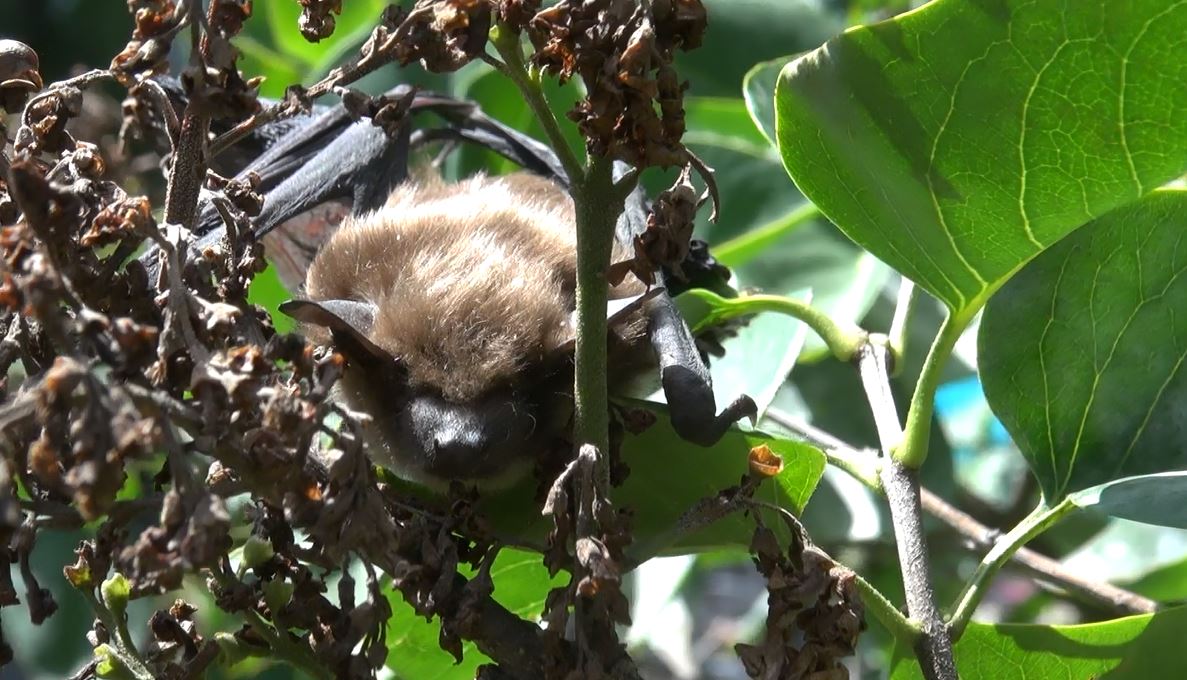
Have you heard scratching sounds from your attic and wondered if flying mammals have moved in? You’re not alone. Many homeowners in North Atlanta deal with these animals, but the stories you’ve heard about them are likely wrong. Bat myths cause more harm than good by making people fear these helpful creatures when they should simply call professionals for safe removal.
These flying mammals play an important role in our environment. They eat thousands of mosquitoes and other pests every night. Yet false information makes people kill them or handle them dangerously. Are bats dangerous? Only if you handle them yourself. Common bat misconceptions lead to poor choices that can hurt both people and wildlife.
In this blog, we’ll clear up the most harmful myths about these animals. You’ll learn the truth about their behaviour, health risks, and what to do when they enter your home. With accurate information, you can make smart choices that keep your family safe while protecting these valuable animals.
What are Bat Myths That Cause More Harm Than Good?
False beliefs about these flying mammals spread fear and lead to unnecessary killing. These myths make people react in dangerous ways instead of calling experts like Skedaddle Humane Wildlife Control in North Atlanta. Understanding the truth helps you respond safely and protects both your family and these helpful animals.
For example, many people think that all bats carry rabies or that they will attack humans, but this is not true. While it is important to be cautious, most bats are not aggressive and prefer to stay away from people. Another common myth is that bats get tangled in hair, which is simply a misunderstanding of their flying patterns as they hunt for insects. By learning the facts about bats, you can avoid misconceptions and take the right steps to keep your home safe while also respecting these essential creatures.
Myth #1: All These Flying Mammals Carry Rabies and Are Extremely Dangerous
The Truth: Less than one per cent of these animals actually carry rabies. While any wild animal can carry diseases, the danger is greatly overstated. The real risk comes from handling them yourself.
Here’s what you need to know:
- Most healthy animals avoid humans completely
- You cannot get rabies just from being near them
- The disease only spreads through bites or scratches
- Professional removal eliminates any risk to your family
Many people panic when they spot one in their attic or flying near their home. This fear makes them try dangerous DIY removal methods. Some people even kill these protected animals, which is illegal in many areas.
Myth #2: These Animals Are Flying Rodents or “Dirty” Pests
The Truth: These creatures belong to their own group of mammals called Chiroptera, meaning “hand-wing.” They’re actually more related to primates than to mice or rats.
What makes them clean animals:
- They groom themselves like cats do
- They spend hours each day cleaning their fur
- Their grooming removes parasites and keeps them healthy
- They maintain cleanliness in their roosts
Calling them pests ignores their value to our environment. A single animal can eat thousands of insects in one night. This natural pest control saves farmers millions of dollars each year and reduces the mosquitoes in your yard.
The “dirty” label also leads people to use harsh chemicals or seal them inside walls. These actions create bigger problems. Dead animals attract other pests and create terrible odours. Plus, killing protected species can result in legal trouble.
Myth #3: They Will Intentionally Fly Into and Get Tangled in Hair
The Truth: These animals have incredible sonar abilities called echolocation. They can detect and avoid objects as thin as human hair. They’re not attacking you – they’re catching insects.
Why they fly near people:
- Your body heat attracts bugs
- They’re hunting mosquitoes around you
- Their echolocation prevents collisions
- They want to avoid humans, not attack them
This myth causes unnecessary panic. People duck and swat when these animals fly nearby. This erratic movement actually makes collisions more likely. The calm response? Stand still and let them hunt the bugs bothering you.
Some people even hurt themselves trying to escape these harmless hunters. They trip, fall, or crash into objects while running away. Understanding their behaviour keeps you safer than panicking does.
Myth #4: All of These Animals Are Blood-Sucking Vampires
The Truth: Out of over 1,400 species worldwide, only three drink blood. These vampire species live in Central and South America – nowhere near Canada. North Atlanta’s animals eat only insects.
Local species actually eat mosquitoes and other flying insects, moths that damage crops, beetles that harm gardens, and various other arthropods.
This vampire myth is perhaps the most damaging. It makes these helpful animals seem like monsters. Parents warn children to fear them. Homeowners kill them on sight. None of this makes sense given the facts.
These insect-eaters provide valuable services to our community. They reduce pest populations naturally without chemicals. They help farmers grow food and make your backyard more comfortable on summer evenings.
Myth #5: “Blind as One of These Animals”
The Truth: These animals see quite well, especially in low light. Many species have vision better than humans. They use both sight and echolocation together.
These animals rely on more than one sense to survive. Their eyes help them move through their surroundings and recognize familiar landmarks. They also use echolocation to find small insects in the dark. Both systems work together, allowing them to hunt with great accuracy at night.
Their vision is well suited for low light conditions. While they do not see the same way humans do, they are far from blind. Their senses are carefully adapted for nighttime activity. This combination makes them skilled and efficient hunters.
The myth that they are helpless or inferior creatures is simply not true. They have survived for millions of years because they are smart and adaptable. Understanding how their senses work helps explain why they are so successful. That same adaptability can sometimes lead them into homes when they are searching for safe shelter.
Myth #6: Animals Found in the House or Attic Must Be Killed
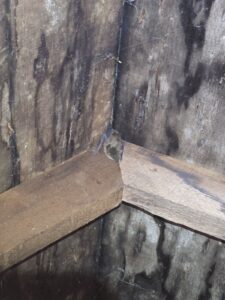 The Truth: Killing these animals is often illegal and always ineffective. Removing one just lets another take its place. Professional exclusion solves the problem permanently.
Why killing doesn’t work:
- Other animals quickly fill the empty space
- You haven’t fixed the entry points
- Dead animals create odour and pest problems
- You might face legal consequences
Many homeowners try to handle this problem themselves. They seal holes while animals are inside, trapping them. This creates a terrible situation. Trapped animals die inside walls, causing awful smells and attracting other pests.
Some people use poison, which is dangerous and cruel. Poisoned animals suffer terribly and might die where children or pets can find them. The poison can also harm other wildlife that eat the deceased animals.
Myth #7: Guano (Their Droppings) Is Highly Toxic and Dangerous
The Truth: While their droppings can contain fungal spores that cause respiratory issues, the danger is often exaggerated. Safe handling and proper cleanup eliminate the risk.
- Fresh droppings rarely pose health risks
- Large, old accumulations need professional cleanup
- Breathing in dust from dried droppings can be harmful
- Proper protective equipment makes cleanup safe
This myth scares people into destroying roosts that pose no real threat. Yes, guano in your attic needs removal. But the health risk gets blown out of proportion. It’s not a toxic waste site – it just needs professional attention.
The fungus that grows in old guano (histoplasmosis) only becomes dangerous when you disturb it without protection. Breathing in the spores can cause lung problems. That’s why you should never attempt cleanup yourself.
Preventing These Animals from Entering Your Home
Now that you understand more about these helpful animals, prevention becomes the next step. Keeping them out of your home does not mean harming them. It means making your property less inviting and harder to access. Simple changes and professional support can make a big difference.
Our professional prevention at Skedaddle starts with a full inspection of your property. Our team checks the roof, siding, vents, and foundation to find current and possible entry points. We install strong exclusion barriers and repair damaged areas animals have used before. Long-term monitoring helps ensure the problem does not return.
Our team understands how these animals think and behave. We know why they choose certain buildings and where they are most likely to enter. That knowledge allows us to create custom solutions using durable materials built to last. Our exclusion work is backed by a lifetime guarantee, so if animals re-enter through our repairs, we fix it at no charge.
Frequently Asked Questions
How long does it take for these animals to leave through one-way doors?
Most animals exit within 24 to 48 hours after we install one-way doors. They leave naturally to hunt for food and cannot return through the device. The timing depends on weather conditions and the time of year. During their active season, they typically leave the first night. Our team monitors the situation to ensure all animals have exited before we permanently seal entry points.
Can these animals damage my home's structure?
Yes, over time their droppings and urine can damage wood, insulation, and drywall. The accumulation creates moisture problems that lead to rot and mould growth. Their constant movement can also compress insulation, reducing its effectiveness. The longer they stay, the more damage occurs. That's why quick professional removal and cleanup is important for protecting your home's value.
What time of year should I have these animals removed?
The best time for removal is late summer or early autumn, after young animals can fly on their own. We never exclude them during maternity season (typically May through July) because flightless babies would die inside your home. Spring and autumn are ideal for exclusion work. However, if you discover them in winter, we'll assess whether they're hibernating and recommend the safest timing for removal.
Will these animals return to my home after removal?
Not if proper exclusion work is completed. These animals have strong homing instincts and will try to return to familiar roosts. However, our permanent exclusion barriers prevent re-entry. We seal every opening larger than 6 millimetres because they can squeeze through surprisingly small gaps. Our lifetime guarantee means if they get back in through our work, we'll fix it at no cost.
How much does professional removal and exclusion cost?
Costs vary based on your home's size, the extent of the infestation, and how many entry points need sealing. A typical exclusion project ranges from several hundred to a few thousand dollars. This investment includes inspection, removal, exclusion, cleanup, and repairs. Contact Skedaddle for a free estimate specific to your situation. Remember, attempting DIY removal often costs more in the long run due to incomplete work and recurring problems.
Trust Skedaddle Humane Wildlife Control in North Atlanta
Common bat misconceptions put both people and animals at risk. These myths lead to dangerous handling, illegal killing, and ineffective DIY solutions. Now you know the truth: these animals are clean, helpful creatures that rarely pose health risks when handled properly by professionals.
Are bats dangerous? Only if you try to handle them yourself. Bat myths have spread fear for too long. It’s time to respect these valuable animals while protecting your home the right way.
Skedaddle Humane Wildlife Control in North Atlanta offers expert removal, exclusion, and cleanup services. Our team knows how to handle these situations safely and humanely. We remove animals without harming them, seal your home permanently, and clean up any mess they left behind.
Don’t let myths guide your decisions. Trust the professionals who understand both these animals and your needs. Request an estimate today and learn how we can solve your wildlife concerns the right way. Our humane approach protects your family, respects wildlife, and provides lasting results backed by our lifetime guarantee.

 Loading...