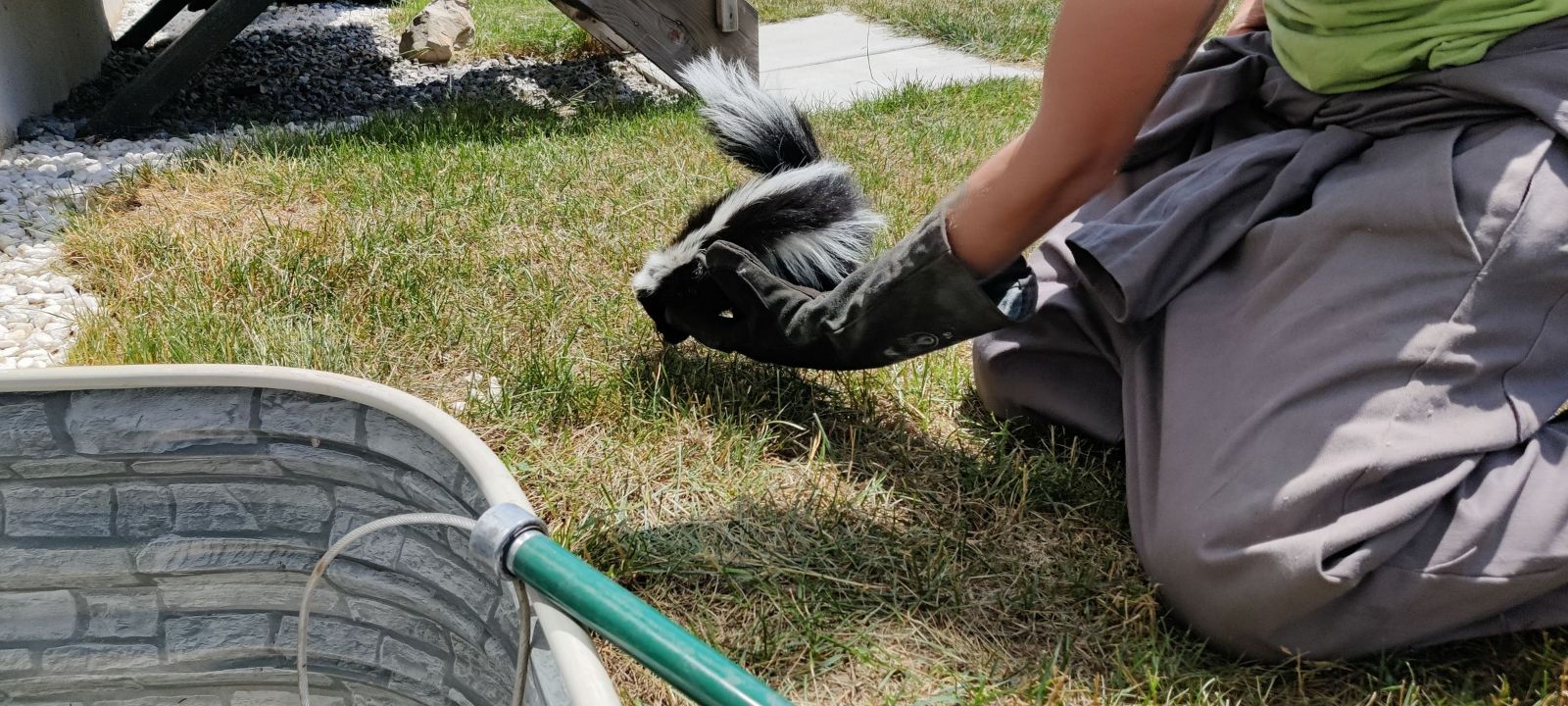
Did you know skunks have an incredible memory when it comes to finding a safe place to live? Yes, skunks do remember where they’ve lived before. They’re creatures of habit, and if they’ve found a cozy, secure spot under a deck, shed, or other sheltered area, they’ll most likely try to return. This behavior isn’t random—it’s rooted in their natural instincts and survival strategies. Understanding skunk behavior and memory is key to preventing their return and keeping your property safe from these unwelcome guests.
You might be wondering—do skunks come back to the same spot year after year? They do, especially if the location offered everything they needed, like food, shelter, and safety. And, yes, skunks reuse dens. These adaptable critters will often return to their previous homes, especially during breeding season or in harsh weather. That’s why taking the right steps to stop them is so important.
At Skedaddle Humane Wildlife Control, we specialize in keeping skunks from taking over properties in North Atlanta. We know how unsettling it can be to suddenly find a skunk—or even worse, their smell!—around your home. That’s why we’re here to help. In this guide, you’ll learn more about the fascinating world of skunks, why they come back, and how you can stop them from making your home their home—for good. Stay with us to uncover effective, humane, and reliable prevention strategies.
Do Skunks Have Good Memory?
Skunks are smarter than many people realize. Their memory allows them to navigate their territory, locate reliable food sources, and remember safe denning locations. This spatial awareness plays a key role in their survival.
Skunk behaviour and memory work together to help these animals thrive in both rural and urban environments. Once a skunk finds a suitable den site—such as under a porch, deck, or shed—it mentally maps that location. If the area remains undisturbed and continues to offer protection from predators and harsh weather, the skunk will likely return.
Memory also influences their foraging patterns. If your lawn has provided a consistent source of grubs or insects in the past, skunks will remember and return to dig for food. This is why homeowners often see repeated skunk activity in the same spots.
Do Skunks Reuse Dens?
Do skunks reuse dens? Absolutely. While skunks are somewhat transient and may move between several dens throughout their territory, they show a strong preference for locations that have proven safe and comfortable.
Skunks are highly resourceful animals that rely on their surroundings to meet their needs. When a den offers security, warmth, and proximity to food sources, skunks are likely to return to it, especially during colder months or breeding seasons.
- Familiarity and Safety: A den that successfully sheltered a skunk before remains a trusted refuge. Skunks remember these spaces and will return if they haven’t been sealed or modified.
- Seasonal Denning: Female skunks often seek out familiar dens when preparing to give birth in late spring. If a mother skunk raised her kits under your deck last year, she may attempt to do so again.
- Minimal Effort: Digging a new den requires energy. Returning to an existing site is far easier, especially if the entrance remains accessible.
- Proximity to Food: If your property offers consistent food sources—pet food left outside, unsealed garbage, or a lawn rich in grubs—skunks will remember and return to take advantage of those resources.
Multiple Den Sites
Skunks typically don’t rely on just one den. They often maintain several dens within their home range and rotate between them. However, certain dens become favourites, particularly those that offer optimal protection and convenience. If a skunk used your shed as a primary den last season, there’s a good chance it will check that location again.
Do Skunks Come Back After Being Removed?
Even after professional removal, do skunks come back? Unfortunately, yes—if the conditions that attracted them in the first place haven’t been addressed. Simply removing a skunk without sealing entry points or eliminating attractants will likely result in the same animal, or a new one, moving back in.
- Unsealed Entry Points: If the gap under your deck or shed isn’t properly sealed, skunks will find their way back.
- Available Food Sources: Garbage, pet food, birdseed, and grubs continue to attract skunks to your property.
- Scent Markers: Skunks leave scent markers around their dens. These smells can attract other skunks even after the original animal has been removed.
- Lack of Deterrents: Without proper exclusion measures, your property remains vulnerable to wildlife intrusions.
This is why exclusion and prevention are critical components of effective wildlife control. At Skedaddle Humane Wildlife Control in North Atlanta, we don’t just remove skunks—we ensure they can’t return.
How Skunk Memory Impacts Your Property
Understanding skunk behaviour and memory helps explain why these animals keep coming back. Their ability to remember successful foraging spots and safe dens makes them persistent visitors if conditions remain favourable.
Skunks have excellent recall when it comes to food sources. If they’ve found grubs in your lawn or accessed pet food on your porch, they’ll remember and return. This is why addressing attractants is essential for long-term prevention.
While skunks don’t have the same strong homing instincts as some other animals, they do remember and prefer familiar territory. If relocated a short distance, they may find their way back. This is one reason why relocation isn’t a recommended solution—it often fails, and it’s also not a service we offer at Skedaddle.
Preventing Skunks from Returning to Your Property
Now that you understand why do skunks come back and how skunk behaviour and memory influence their movements, let’s focus on prevention. The key to keeping skunks away is making your property less appealing and inaccessible.
Seal Entry Points
Gaps around your home create easy access for wildlife. The perimeter of your house, deck, shed, and other structures should be checked carefully for openings. Even small cracks can become entry points.
Strong materials are needed to close these spaces properly. Heavy-duty galvanised steel mesh helps block access and withstand chewing or pressure. Barriers should extend at least 30 centimetres underground to prevent digging underneath.
Our team at Skedaddle uses one-way doors that allow wildlife to exit but prevent re-entry. This humane method ensures animals leave safely without the ability to return.
Eliminate Food Sources
Food draws wildlife closer to your home. Garbage bins should be secured with tight-fitting lids to limit access. Pet food dishes are best brought indoors at night to avoid attracting animals.
Fallen fruit from trees should be cleaned up regularly. Birdseed that collects on the ground can also invite wildlife activity. Lawns with grub infestations provide another strong food source that keeps animals returning. When food becomes harder to find, animals naturally move elsewhere. Reducing these attractants helps make your property less appealing.
Remove Shelter Opportunities
Shelter is just as important as food. Brush piles, stacked wood, and yard debris create dark hiding spots. Clearing these areas removes safe places where wildlife can rest.
Overgrown vegetation near foundations also provides cover. Trimming plants back improves visibility and reduces hiding areas. Crawl spaces and vents should be properly screened to block access. When shelter options are limited, animals are less likely to settle nearby.
Use Deterrents
Certain deterrents can discourage animals from lingering. Motion-activated lights and sprinklers can startle wildlife and make them uncomfortable. Sudden movement or noise often encourages animals to leave.
Ammonia-soaked rags placed near den entrances may offer temporary results. However, this approach does not provide long-term protection. Professional exclusion remains the most effective solution for lasting results.
Remember, these prevention steps should complement professional exclusion work, not replace it. DIY methods often fall short because they don’t address the root causes of wildlife intrusions.
Why Professional Wildlife Control Matters
Homeowners should never attempt to handle skunks on their own. These animals can carry rabies and other diseases, and improper handling can result in bites, scratches, or exposure to their defensive spray. Additionally, without proper training and equipment, it’s nearly impossible to ensure skunks won’t return.
At Skedaddle Humane Wildlife Control in North Atlanta, we specialise in humane, effective wildlife removal and prevention. Our process includes:
- Thorough property inspections to identify entry points and attractants.
- Safe removal using one-way doors that allow skunks to exit but not re-enter.
- Comprehensive exclusion work to seal dens and prevent future intrusions.
- Cleanup and decontamination to remove scent markers and reduce the risk of disease.
- A lifetime guarantee on our workmanship and materials, giving you peace of mind.
We focus on long-term solutions, not quick fixes. Our goal is to protect your property and ensure skunks don’t come back.
Frequently Asked Questions
How long will skunks stay under a deck?
Skunks may stay under a deck for weeks or even months if the space feels safe. During breeding season, a mother may remain until her babies are old enough to leave. If the area is not sealed properly, they can return year after year.
What time of year are skunks most active?
Skunks are active year-round, but activity often increases in spring and fall. Spring is breeding season, and fall is when they look for warm shelter before winter. These seasons are common times for denning under decks and sheds.
Will skunks leave on their own?
Sometimes a skunk will move on if food and shelter are limited. However, if a safe den is available, it may stay or return later. Professional exclusion ensures they leave safely and cannot come back.
Can skunks dig under concrete or foundations?
Skunks usually dig along edges rather than through solid concrete. They look for soft soil near foundations, decks, or sheds. Small gaps can quickly become larger entry points if not professionally secured.
Do skunks spray when being removed?
Skunks may spray if they feel threatened. Humane removal methods reduce stress and lower the chance of spraying. Professional handling keeps the process calm and controlled.
Does removing one skunk solve the problem?
Not always. If entry points remain open or food sources are still available, another skunk may move in. Long-term protection requires sealing access points and addressing attractants.
Keep Skunks Away for Good
Do skunks come back? They remember safe places where they have found food and shelter. If a yard worked for them before, they may try to return again. Their strong sense of smell and good memory make them persistent visitors. Without proper prevention, the same problem can repeat season after season.
Long-term protection requires more than just removing the animal you see. Entry points must be identified and sealed the right way. Food sources and shelter areas need to be addressed so the property no longer feels inviting. Humane exclusion methods allow animals to leave safely while preventing them from coming back.
Waiting often allows activity to grow worse. If you are dealing with skunks on your property—or want to stop them before they settle in—professional help makes the difference. Skedaddle Humane Wildlife Control in North Atlanta provides humane, effective solutions designed to protect your home. Request an estimate today and let our team keep your property secure for good.

 Loading...