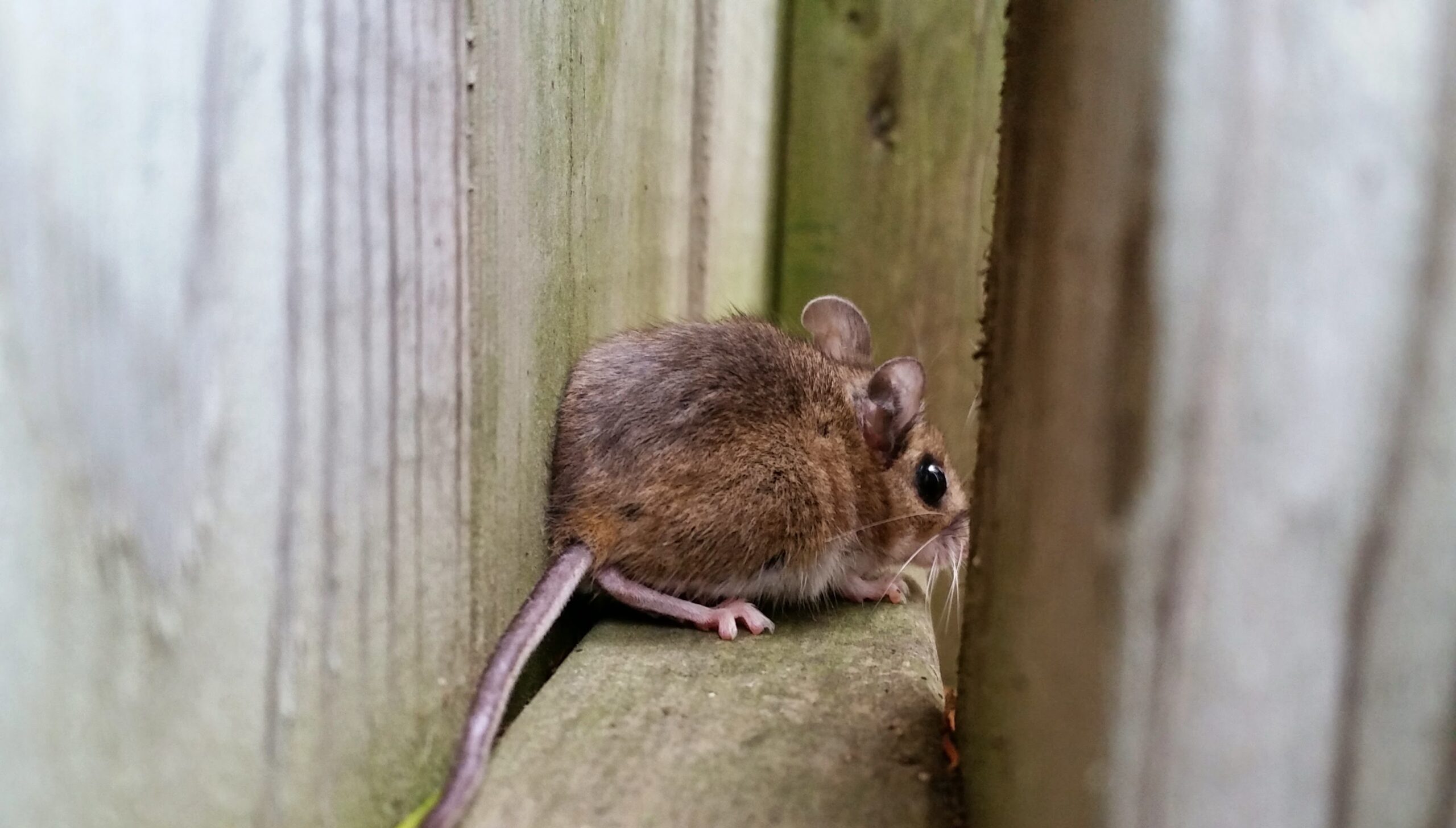
When winter settles across Atlanta, homeowners often notice new and unwelcome house guests—mice. As temperatures drop, these small animals begin seeking warm and safe places to shelter, and unfortunately, homes make the perfect refuge. It’s not just about warmth; your home offers easy access to food, nesting materials, and protection from the elements.
At Skedaddle Humane Wildlife Control, we understand how frustrating and unsettling it can be to hear scurrying in the walls or see small droppings near the pantry. Winter mouse infestations in Atlanta are a growing concern for homeowners every year, and understanding why they happen—and how to prevent them—can help protect your home before the cold weather sets in.
Why Mice Move Indoors When Temperatures Drop
As the cold season begins, mice instinctively search for shelter to escape harsh outdoor conditions. In nature, they would burrow underground or hide beneath thick vegetation, but urban and suburban development has reduced their natural options. Houses provide warmth, insulation, and easy access to nesting spots like attics, basements, and wall cavities.
Studies show that nearly 21 million homes in the United States experience a rodent issue each winter. That means even well-maintained homes in Atlanta are not immune. Mice can squeeze through openings as small as a dime, making it easy for them to enter through small cracks or gaps that most people don’t even notice.
The Main Reasons Winter Mouse Infestations in Atlanta Increase
There are several key factors that make mouse infestations spike during the colder months. Homeowners may not realize just how easy it is for mice to find both access and resources indoors.
- Warmth and Shelter: When temperatures dip, mice seek heated spaces like attics, garages, and inside walls where they can stay comfortable.
- Food Sources: Kitchens, pantries, and pet food areas offer an abundant supply of nourishment for mice. Even crumbs or open cereal boxes can attract them.
- Nesting Materials: Soft insulation, shredded paper, and fabric are ideal materials for creating cozy nests.
- Safety from Predators: Indoors, mice are protected from predators such as owls, snakes, and cats that hunt them outdoors.
- Easy Entry Points: Rooflines, vents, and gaps around plumbing or electrical lines are common access spots that provide direct entry to warm indoor areas.
These conditions combine to make homes the perfect refuge during the chilly Atlanta winter.
How Mice Enter Atlanta Homes During the Winter
Understanding how mice get inside is one of the best steps toward preventing infestations. When homeowners ask why mice invade Atlanta homes, the answer often lies in the small vulnerabilities around the house that go unnoticed.
Common mouse entry points include:
- Gaps around foundation vents or crawl spaces
- Unsealed openings where utility lines enter the home
- Cracks near doors and windows
- Spaces behind siding or under roof eaves
- Damaged weather stripping or garage door seals
Once inside, mice can move quickly throughout a home using wall voids, ductwork, and ceiling spaces. In just a few days, they can establish nests and begin reproducing. A single pair of mice can produce up to ten litters per year, which explains how a small issue can grow into a large infestation fast if not addressed early.
Signs That Mice Are Already Inside Your Home
Detecting mice early can make a huge difference in avoiding damage and contamination. Mice are nocturnal and often remain hidden, so homeowners may not notice them right away. However, certain telltale signs can alert you to their presence.
Look for:
- Small droppings, especially along walls or inside cabinets
- Gnaw marks on food packaging, wiring, or furniture
- Scratching or scurrying sounds at night, particularly in walls or ceilings
- Nesting materials like shredded paper or insulation in corners or attics
- A faint, musty odor near hidden spaces
Mice are also known to cause electrical issues. The National Fire Protection Association estimates that rodents are responsible for nearly 25% of unknown house fires, often from chewing through wires. This is why timely and professional intervention is essential.
The Hidden Risks of Ignoring Mice in Your Home
It’s tempting to think that one or two mice won’t cause much harm, but the reality is that they can lead to far-reaching problems. Beyond the immediate discomfort of knowing they’re inside, mice can contaminate food and damage property.
Mice chew constantly to keep their teeth from growing too long. Unfortunately, that includes insulation, drywall, and electrical wiring. This behavior not only weakens structures but also poses fire hazards. They can also carry bacteria and diseases that spread through droppings or contaminated surfaces.
For families, the biggest concern often becomes health and safety. If ignored, a small infestation can quickly grow, leading to structural and hygiene issues that are much harder to control later on.
Preventing Mice in Atlanta Winter
While winter mouse infestations in Atlanta are common, there are effective and humane steps to reduce the likelihood of them happening in your home. At Skedaddle Humane Wildlife Control, we focus on prevention and exclusion to keep wildlife out safely and permanently.
Here are some important steps we recommend for preventing mice in Atlanta winter:
- Seal Entry Points: Carefully inspect the home exterior for gaps or cracks, especially around pipes, vents, and foundations. Even small openings should be sealed properly.
- Reduce Food Access: Store food in airtight containers, clean up crumbs promptly, and ensure garbage is sealed tightly.
- Declutter Storage Areas: Mice love hidden, cluttered spots where they can nest. Keep basements, garages, and attics organized and minimize loose storage materials.
- Maintain Landscaping: Trim vegetation near the foundation and keep firewood off the ground to limit outdoor nesting spots close to the home.
- Professional Assessment: Having a professional inspection helps identify vulnerabilities homeowners may overlook and ensures humane prevention methods are used.
By focusing on exclusion and prevention, we can help Atlanta homeowners keep their homes protected without resorting to unsafe or ineffective approaches.
Why Professional Help Is the Safest Solution
When you suspect or confirm that mice are inside, it’s best to rely on trained professionals who understand humane wildlife removal and prevention. At Skedaddle North Atlanta, we use proven methods to identify how mice got in, clean and sanitize the affected areas, and secure the home to prevent future entry.
Our goal is not just to remove mice but to address the root causes of infestations. That means inspecting the structure thoroughly and educating homeowners on how to maintain a wildlife-free home year-round. Every solution is customized to your home’s unique needs and designed with both safety and long-term results in mind.
Staying Ahead of Winter Mouse Problems
Winter mouse infestations in Atlanta can sneak up fast, but with awareness and prevention, homeowners can stay one step ahead. By understanding why mice seek shelter indoors and how they find their way inside, you can take the right actions before problems start.
At Skedaddle Humane Wildlife Control, we’re here to help Atlanta families protect their homes humanely and effectively. As winter approaches, now is the perfect time to ensure your home is sealed, clean, and ready to stay rodent-free through the cold months ahead.

 Loading...