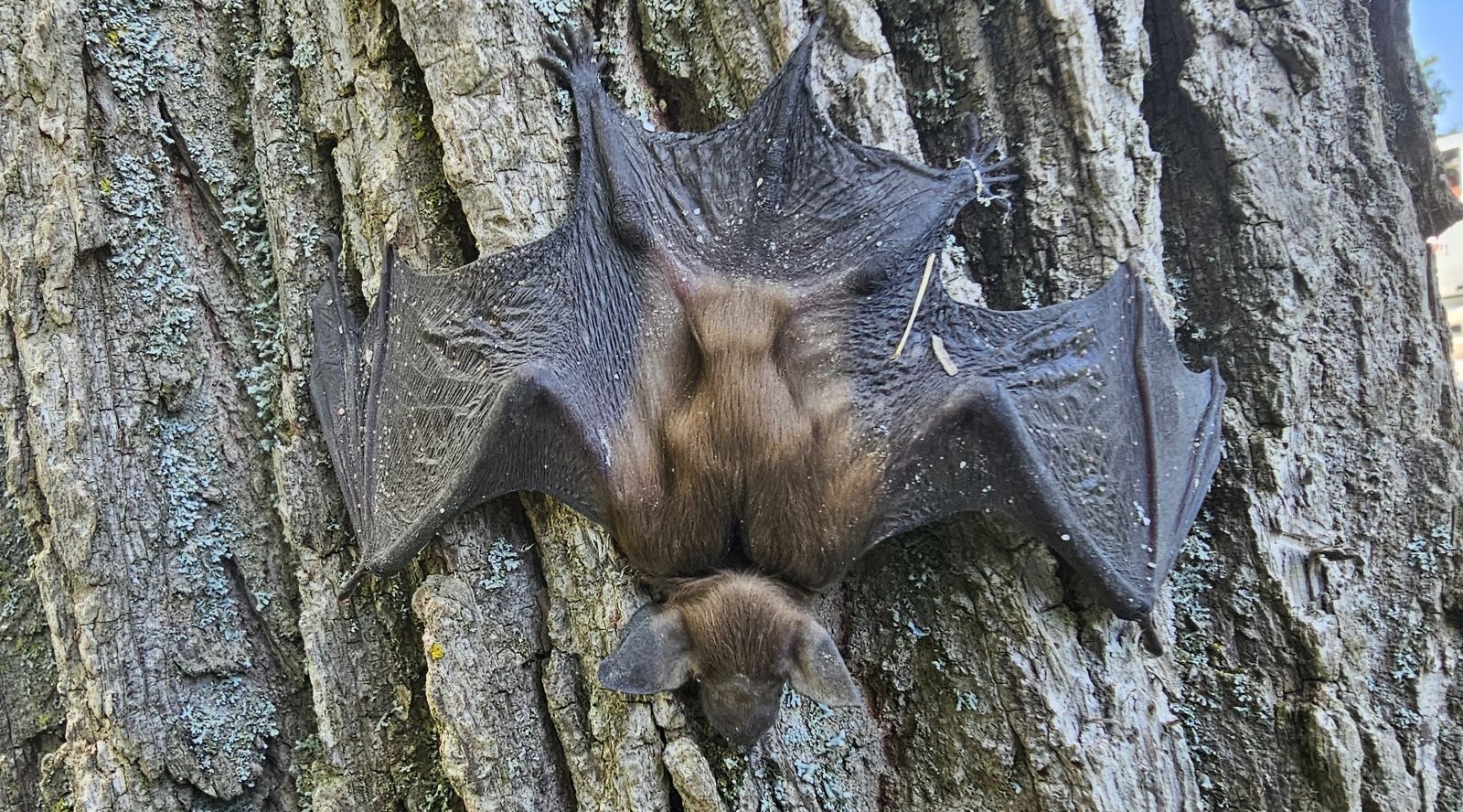
Bats can be fascinating creatures to observe outdoors. They help the environment by eating lots of bugs—like mosquitoes—that we’d rather not have around. However, bats become less charming when they set up camp inside your home. If you’ve noticed odd noises, droppings, or other signs of bats, it’s time to act.
Luckily, Skedaddle Humane Wildlife Control specializes in bat removal in Atlanta, offering solutions that are effective, safe, and humane.
Atlanta homeowners most commonly deal with two types of bats sneaking into homes. Once inside, they can pose several risks, making professional help the best way to get rid of bats.
Here’s everything you need to know about what types of bats might be entering homes, how they get in, and why addressing the issue promptly is important.
Types of Bats Found in Atlanta Homes
There are many bat species in Georgia, but only a few tend to find their way into Atlanta homes. These are the two most common culprits:
Brown Bats
- Little Brown Bats and Big Brown Bats are the most frequently found bats here.
- Little Brown Bats are small and can fit through openings as tiny as a nickel.
- Big Brown Bats, as their name suggests, are larger and require slightly bigger entry points but are just as troublesome indoors.
- Both types are drawn to attic spaces for warmth, safety, and a place to roost.
Evening Bats
- These animals are also common in Atlanta’s neighborhoods.
- About the size of a mouse, their small size makes it easy for them to squeeze into narrow spaces.
- They’re often attracted to lighted areas that attract their food—flying insects.
If you have any of these bats in your home, they won’t just leave on their own. They’re nocturnal, so it’s likely you’ll hear them fluttering around at night. Spots like attics, chimneys, or small voids in your walls are prime real estate for these tiny creatures.
How Are Bats Getting Inside?
Bats are incredibly nimble and resourceful when it comes to finding shelter. They’re drawn to safe, dark, and warm spaces, making homes in Atlanta an ideal spot. Here are the main ways bats find their way into houses:
Small Gaps and Cracks
These animals can slip through spaces as small as half an inch! Common gaps include areas around:
- Rooflines
- Loose siding
- Damaged shingles
- Unscrewed vents
Even tiny cracks that seem harmless can become a bat’s grand entrance.
Chimneys
Uncovered or poorly sealed chimneys are one of the most common entry points. To bats, a chimney looks like the hollow trees some species might naturally use for shelter.
Attic Vents and Openings
Remember, loose or missing screens on attic vents are another weak spot. These openings provide easy access to the warm, cozy attic spaces bats love for roosting.
Eaves and Roof Overhangs
If your home has any gaps along the roof’s edge, bats can crawl through these areas to nest.
By understanding how bats make their way inside, homeowners can better protect their spaces with professional help from wildlife control services in Atlanta, like Skedaddle.
What Risks Do Bats Pose?
They are not aggressive creatures and play an essential role in the ecosystem, but having them in your home presents serious risks. These risks affect both your health and property, so addressing the issue promptly is key.
Health Concerns
- Bat Droppings (Guano): Droppings can build up quickly and create a serious mess, especially in attics or other hidden spaces. Worse, guano can harbor harmful mold spores that cause histoplasmosis, a respiratory disease that can lead to serious lung infections if inhaled.
- Rabies Concerns: While rare, bats are one of the top rabies carriers in the United States, making them a potential health risk. This disease can be transmitted through bites or scratches, and without quick treatment, rabies is almost always fatal.
- Parasites and Bugs: Bats can bring unwanted hitchhikers into your home, like mites, fleas, or bat bugs (similar to bed bugs). These pests can spread throughout your house, causing irritation and even health issues for your family.
Structural Damage
Bats don’t chew, but their droppings can damage insulation, wood, and wiring. If problems go unnoticed, repairs may become costly over time.
If these risks aren’t enough to call for action, remember that bats tend to return to the same spots year after year, often growing their colony size. The more bats roosting, the bigger the problem becomes.
How Can You Spot Signs of Bats in Your Home?
Sometimes, it’s obvious when bats are present, but other times, the signs can be subtle. Know what to look for to catch problems early:
- Noises at Night: Scratching, fluttering, or high-pitched squeaks might mean these animals are active in your home.
- Guano Piles: If you notice small, dark droppings near walls or vents, bats may be nearby.
- Grease Stains: Bats leave smudges or stains near their entry points, created by natural oils on their fur.
If you spot any of these signs, don’t wait. Bats may only show up with one or two at first, but their colonies can grow quickly. That’s where our wildlife control services in Atlanta, like ours, make all the difference.
Skedaddle’s Humane Solution for Bat Removal in Atlanta
Dealing with bats requires care and expertise. Skedaddle Humane Wildlife Control uses innovative methods that ensure both your home and these animals are treated respectfully.
Instead of harming these beneficial animals, Skedaddle uses one-way doors. These doors allow bats to exit your home safely but prevent them from getting back in.
Why is this important? Well, installing one-way doors means that bats exit during their normal evening hunt for insects. Also, once outside, they cannot come back through the sealed exit, encouraging them to find a more suitable outdoor roost.
Our process doesn’t just focus on the immediate issue—it also ensures no other bats take up residence by sealing potential future access points.
After removing these animals, Skedaddle handles clean-up, decontamination, and repairs. Special attention is given to any areas where guano has been left behind, reducing health risks for your family.
Protecting Your Home in the Future
Prevention is always better than dealing with a full-scale bat removal! The experts at Skedaddle can secure your home against future infestations by:
- Sealing cracks and gaps
- Installing proper vent covers
- Inspecting and capping your chimney
- Reinforcing areas like rooflines and soffits
This proactive approach ensures peace of mind so you can enjoy your home without worrying about another problem.
Say Goodbye to Bats—Call Skedaddle Today!
If you’ve noticed nighttime noises, droppings, or fluttering shadows in your home, don’t wait to address the problem. Bats bring potential health risks and property damage that only get worse over time. Trust Atlanta’s experts at Skedaddle Humane Wildlife Control for effective and humane bat removal in Atlanta.
Our professional technicians use humane methods to remove bats safely while protecting your home from future intrusions. To find out more about getting rid of bats, reach out to our team today. Request an estimate and take the first step toward a bat-free home!

 Loading...