







RACCOON REMOVAL PROCESS

Assess and Remove
We begin with a thorough 35-point inspection to find raccoon entry points, nesting areas, and hidden damage. Using tools like thermal imaging, our technicians confirm activity and remove raccoons humanely with proven methods, including one-way doors that let wildlife exit safely.

Clear and Clean
Raccoons can leave behind droppings, urine, nesting debris, odors, and pheromones that attract future activity. Our Clear & Clean service focuses on safe decontamination, removal of contaminated materials, and restoring healthier conditions in attics, crawl spaces, chimneys, and other affected areas.

Prevent and Protect
To help keep raccoons from returning, we install durable galvanized steel screening and professional raccoon-proofing materials over vulnerable access points. From vents and soffits to roof gaps and crawl space openings, our prevention work provides long-term protection for your North Atlanta property.
When raccoons move into your attic, Skedaddle provides professional, humane removal that protects your property and keeps families safe. With over 30 years of hands-on wildlife experience, our team serves North Atlanta, including Buckhead, Brookhaven, Sandy Springs, Dunwoody, and Chamblee, with proven raccoon control solutions and a lifetime guarantee.
This region has everything raccoons need to feel at home: mature trees, established neighborhoods, busy shopping areas, and plenty of nearby green space. In places like Buckhead, Chastain Park, Brookhaven, and along the Chattahoochee River corridor, raccoons can easily move between wooded areas, stormwater systems, rooftops, decks, and garbage storage spots. For homeowners, that might mean hearing scratching above the ceiling at night, finding damaged insulation in the attic, or waking up to overturned bins near the garage. For businesses, raccoon activity can lead to odors, property damage, and safety concerns for staff and customers. With the Chattahoochee River National Recreation Area stretching through Atlanta’s northern suburbs, there is no shortage of natural habitat nearby for raccoons to explore.
Providing Raccoon Removal And Prevention Services
Skedaddle Humane Wildlife Control provides raccoon removal and prevention services in North Atlanta using humane, hands-on methods designed to protect both people and animals. Our technicians inspect attics, roofs, soffits, vents, chimneys, crawl spaces, and exterior entry points to identify how raccoons are getting inside. We remove raccoon families safely, clean and deodorize contaminated areas, and install exclusion materials to help prevent future entry in homes and businesses across the region.

Raccoon Activity in North Atlanta Throughout the Seasons
Fall: Raccoons Build Reserves and Look for Winter Dens
In the fall, raccoons in North Atlanta focus on building fat reserves, taking advantage of acorns from the area’s oak trees, gardens, garbage bins and storm drains. At the same time, they look for warm, secure dens for the winter and may tear open weak roof gaps or return to den sites they used before. Homes in Buckhead, Brookhaven, Sandy Springs, Dunwoody and Chamblee, particularly those near Chastain Park and the Chattahoochee River, often see increased activity. Homeowners may hear heavy thumping in the attic at night or find damaged vents, shingles and soffits.
A raccoon that dens in an attic over the winter can tear up insulation, damage ductwork and leave contamination behind. Skedaddle’s humane raccoon removal in North Atlanta starts with a full inspection to find the entry point, then removes raccoons safely, cleans affected areas and reinforces vulnerable spots so they can’t get back in.
Winter: Warmth, Shelter, and Survival
Although raccoons do not truly hibernate, they reduce activity during cold snaps. Warm attics, wall voids, chimneys, and crawl spaces can become winter shelter, especially in older homes near mature tree cover.
Spring: Nursery Season in Attics and Rooflines
Spring is the most active raccoon season. As temperatures warm around the region, female raccoons search for quiet, sheltered den sites to raise their young. Attics, chimneys, soffits, and crawl spaces often mimic natural tree cavities, making homes especially attractive. Homeowners may hear thumping, chattering, or scratching at night as mothers come and go in search of food. Because baby raccoons may be hidden inside, humane removal requires careful inspection and family-based removal methods.
Summer: Growing Kits and Nighttime Foraging
By summer, young raccoons become more mobile and curious. Families may travel through yards, decks, dumpsters, and creek corridors looking for insects, fruit, pet food, and unsecured garbage. Activity often increases near restaurants, apartment complexes, and wooded residential lots.
Why Raccoons Feel Right at Home in This Region
North Atlanta gives raccoons exactly what they need to survive: reliable food, water, and shelter. The area’s mature tree canopy, creek corridors, stormwater systems, and proximity to the Chattahoochee River create natural travel routes through neighborhoods like Buckhead, Brookhaven, Sandy Springs, Dunwoody, and Chamblee. At the same time, urban density provides easy meals from garbage bins, pet food, bird feeders, restaurant dumpsters, gardens, and outdoor dining areas. Older homes, shaded rooflines, chimneys, decks, crawl spaces, and attic vents often offer shelter that feels similar to hollow trees. This mix of wooded habitat and human development makes this area especially appealing to raccoons seeking safe den sites near reliable resources.
- Structural vulnerabilities: Loose soffits, damaged vents, uncapped chimneys, and gaps along roof edges give raccoons access to protected den spaces.
- Thermal protection: Attics, wall voids, and crawl spaces help raccoons stay warm in winter and provide cooler, shaded shelter during hot Georgia summers.
- Easy food sources: Overflowing trash cans, compost, pet food, birdseed, fruit trees, and restaurant waste encourage raccoons to remain nearby.
- Water access: Creeks, drainage ditches, retention ponds, fountains, pools, and the Chattahoochee corridor give raccoons dependable water sources.
- Low disturbance den sites: Decks, sheds, garages, attics, and dense landscaping offer quiet hiding places with limited human activity.
What to Watch For
Early signs of raccoon activity include greasy smudge marks around roof gaps or vents, torn soffits, damaged shingles, droppings, tipped garbage bins, digging near decks or sheds, and nighttime scratching above ceilings. Quick detection helps prevent larger infestations, attic damage, and contamination.

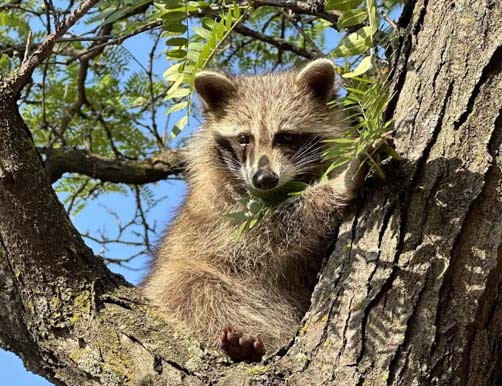

Is That a Raccoon? Warning Signs Property Owners Should Know
Early identification is the best way to limit property damage, contamination, and the risk of raccoons becoming established inside your home or business.
- Nighttime scratching or thumping: Raccoons are most active after dark, often making heavy movement sounds in attics, ceilings, walls, or crawl spaces.
- Greasy smudge marks: Dark rub marks around roof edges, vents, soffits, or entry holes can appear where raccoons repeatedly squeeze through openings.
- Damaged exterior materials: Torn shingles, bent vents, lifted soffits, broken screens, or widened gaps may indicate raccoons are forcing access indoors.
- Droppings or strong odors: Raccoon waste, urine staining, or foul smells near attics, decks, sheds, or chimneys can signal an active den site.
- Tipped bins and scattered debris: Repeatedly overturned garbage cans, disturbed compost, missing pet food, or raided bird feeders suggest regular raccoon foraging.
Seeing even one of these signs can mean more than a single raccoon is present, especially during spring and summer when mothers may be raising young. A professional assessment helps locate entry points, confirm activity, and determine the safest humane removal plan.
Our Humane Raccoon Removal Process
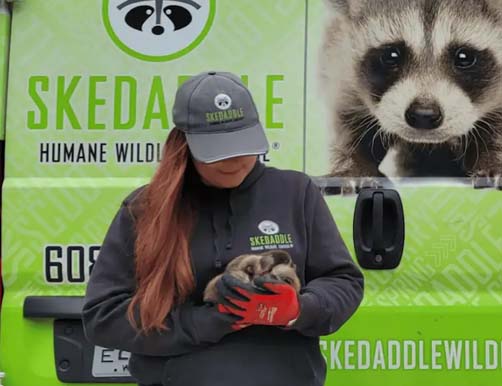
Skedaddle’s wildlife removal process is designed to solve raccoon problems safely, humanely, and completely. Our team does more than remove the animal. We identify how raccoons got in, clean up the mess they leave behind, and protect your home or business from future entry. With proven methods and customized solutions, we help restore comfort and confidence.
Step 1: Inspect & Remove
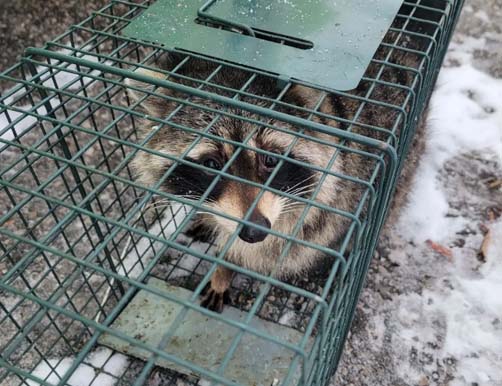
We start with a 35-point inspection, using tools like thermal imaging to locate raccoons, entry points, and damage. Most wildlife removals can be completed in one day. We use humane methods, including one-way doors, and provide customized solutions with a written quote.
Step 2: Clear & Clean
After removal, we focus on making the affected areas safer. Our team removes contaminated materials, addresses droppings, urine, and nesting debris, and helps eliminate odors and pheromones that may attract future wildlife. Proper decontamination protects your home, family, pets, employees, and customers.
Step 3: Prevent & Protect
To stop raccoons from coming back, we install galvanized steel screening and professional wildlife-proofing materials over vulnerable access points. This may include vents, soffits, chimneys, roof gaps, and crawl space openings, creating long-term protection tailored to your property.
Local Health & Safety Risks of Raccoons in North Atlanta
Raccoons may look familiar in many neighborhoods, but when they den in attics, chimneys, crawl spaces, or commercial buildings, they can create serious health and safety concerns. Their droppings, urine, nesting material, and parasites can contaminate insulation, vents, storage areas, and air pathways. Because raccoons are strong, persistent animals, they can also damage soffits, roofing, ductwork, and electrical components while trying to enter or move through a structure.
Disease Exposure: Raccoons can carry diseases and pathogens that may be transmitted through bites, scratches, saliva, urine, or feces. Direct contact should always be avoided, especially if an animal appears disoriented, aggressive, or unusually active during the day.
Airborne Contaminants: Dried droppings and contaminated insulation can release particles into the air when disturbed. In attics and crawl spaces, these materials may affect indoor air quality and make cleanup unsafe without proper protective equipment.
Parasites: Fleas, ticks, mites, and raccoon roundworm can be present in nesting areas or latrine sites. These pests may spread to pets, people, or other parts of the property if the area is not professionally cleaned.
Attic Soiling: Raccoon urine, feces, food debris, and nesting materials can saturate insulation and wood surfaces. Over time, this can cause odors, staining, mold concerns, and recurring wildlife attraction if pheromones are not removed.
Protect Your Property with Humane Raccoon Control
Raccoons can cause serious damage when they move into attics, chimneys, crawl spaces, or commercial buildings, but the right help can solve the problem safely and humanely. Skedaddle Humane Wildlife Control provides thorough inspections, hands-on removal, professional cleanup, and long-term wildlife-proofing for homes and businesses across the region.
If you are hearing scratching at night, noticing roof damage, or finding signs of raccoon activity around your property, book an assessment with Skedaddle today and take the first step toward a safer, cleaner, raccoon-free space.
What Are Raccoons Doing In The Spring: A Look At Their Behavior

Why John’s Creek Residents Need To Understand The Risks Of Raccoons
Why You Should Call Professional To Remove Raccoons
North Atlanta Raccoon FAQs: Did You Know?
Common signs include nighttime scratching in the attic, heavy thumping above ceilings, damaged soffits, bent vents, torn shingles, and greasy smudge marks around roof gaps. Outside, you may notice tipped garbage bins, disturbed compost, missing pet food, droppings, or digging near decks and sheds. In local neighborhoods with mature trees and wooded lots, raccoons often use rooflines, fences, and drainage corridors to move between food and shelter.
Raccoons are highly adaptable and thrive where food, water, and shelter overlap. North Atlanta offers wooded parks, creek systems, storm drains, older homes, restaurants, and dense residential areas, all of which support raccoon activity. They are usually most active at night while searching for garbage, insects, fruit, birdseed, pet food, or den sites. During spring, female raccoons may become especially persistent as they look for warm, quiet places to raise their young.
The timeline depends on the size of the problem, where the raccoons are located, and whether young are present. A simple exterior issue may be resolved more quickly, while attic denning, chimney nesting, or family removal can take longer because every animal must be accounted for. Skedaddle begins with a detailed inspection, identifies entry points, safely removes the raccoons, and then completes cleanup and wildlife-proofing to help prevent the problem from returning.
Yes. Humane raccoon removal is effective when it addresses both the animals and the reason they entered in the first place. Skedaddle uses hands-on techniques, careful inspections, and one-way doors where appropriate to remove raccoons without trapping or relocating them. This approach is especially important during baby season, when separating a mother from her young can create serious welfare issues and lead to additional damage, odors, or noise inside the home.
Raccoons are strong climbers and can reach roofs by using tree limbs, fences, downspouts, brick walls, deck railings, and nearby utility lines. Once on the roof, they look for weak spots such as loose soffits, roof returns, attic vents, fascia gaps, chimney openings, or damaged shingles. In this region’s older, tree-lined neighborhoods, overhanging branches and shaded rooflines often give raccoons easy access to vulnerable entry points.
DIY raccoon removal is not recommended because raccoons can bite, scratch, carry parasites, and cause further damage when frightened or cornered. Store-bought repellents, lights, and noise devices rarely solve the root problem, especially if an attic den or babies are present. A professional assessment ensures the animals are removed humanely, contaminated areas are handled safely, and entry points are properly wildlife-proofed to reduce the chance of repeat activity.
CALL US TODAY
1.888.592.0387
OR
Request for Services

