






SQUIRREL REMOVAL PROCESS
Assess and Remove
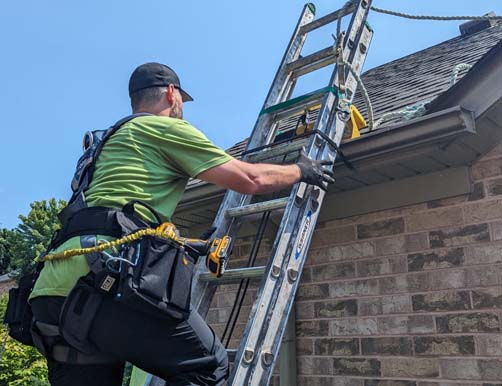
Skedaddle begins with a 35-point inspection to locate squirrel entry points, nesting areas, and hidden activity. Thermal imaging may be used to detect movement behind walls or ceilings. Humane one-way doors allow squirrels to exit safely while preventing them from re-entering.

Clear and Clean
After removal, Skedaddle clears contaminated nesting materials, droppings, urine, and damaged insulation from affected areas. The cleanup process focuses on decontamination, pheromone removal, odor reduction, and safety, helping restore healthier conditions while discouraging future wildlife activity.
Prevent and Protect
Long-term prevention starts with durable galvanized steel screening installed over vulnerable areas such as vents, soffits, roof edges, and gaps. This squirrel-proofing approach helps block repeat access, protect structural weak points, and reduce the risk of future squirrel problems.
Humane squirrel removal in North Atlanta that protects your home, your family, and the animals living nearby.
Skedaddle Humane Wildlife Control provides professional squirrel removal across North Atlanta, including Marietta, Brookhaven, East Cobb, Roswell, Mableton, Smyrna, Hiram, Vinings, Peachtree Corners, Johns Creek, and Sandy Springs.
North Atlanta’s mix of established neighborhoods, wooded lots, mature oak and pine trees, and access to green corridors creates ideal conditions for squirrel activity. Communities near the Chattahoochee River offer squirrels abundant food, nesting sites, and safe travel routes.
In more suburban areas, attics, soffits, rooflines, chimneys, and vents can provide the warm shelter squirrels seek when outdoor nesting becomes less secure. As development continues alongside natural spaces, humane squirrel removal helps homeowners resolve conflicts without harming local wildlife.
Why is professional squirrel removal in North Atlanta necessary?
Professional squirrel removal in North Atlanta is necessary because squirrels often move into homes during fall and winter while searching for warm, protected shelter. In spring, they may use attics, wall voids, and roof gaps as nesting sites for their young. Once inside, squirrels can damage insulation, chew building materials, and create persistent entry-point problems. Humane professionals identify how squirrels are getting in, remove them safely, and help prevent future wildlife intrusions.

Squirrel Activity Throughout the Seasons in North Atlanta
Fall: Squirrels Store Food and Test Attic Access
In the fall, squirrels across North Atlanta gather and store food for the colder months and start looking for a warm place to nest. Mature oak and pine trees and plenty of acorns keep them busy around roofs and tree lines, and as the nights cool they investigate attic gaps, roof vents and damaged soffits. Homes on wooded lots in Marietta, East Cobb, Brookhaven, Roswell and Smyrna, and near the Chattahoochee River, often see this activity first. Homeowners may hear scratching or running in the attic in the early morning or notice chewed fascia and vent covers.
Squirrels that get into an attic in the fall often stay through the winter, chewing wiring and wood and damaging insulation. Skedaddle’s humane squirrel removal in North Atlanta starts with a full inspection to find every entry point, then uses one-way exclusion so squirrels leave safely, cleans affected areas and seals the roofline before winter.
Winter: Warmth and Protection Indoors
During winter, squirrels seek warmth and shelter from cold snaps. Homes can offer protected nesting spaces if entry points are left unsealed. Once inside, squirrels may use insulation for nesting material and travel repeatedly through attic spaces to escape wind, rain, and freezing overnight temperatures. Because winter activity can be quieter than other seasons, subtle sounds in the morning or signs near the roofline should not be ignored.
Spring: Nesting Season in Attics and Rooflines
Spring is one of the busiest times for squirrel activity. As temperatures rise, female squirrels search for secure nesting sites to raise their young. Attics, soffits, chimneys, and roof vents can become attractive alternatives to tree cavities, especially in wooded neighborhoods.
Summer: Young Squirrels on the Move
By summer, many young squirrels are becoming more independent, which can increase activity around homes, trees, fences, and rooftops. North Atlanta’s mature suburban landscapes provide abundant shade, acorns, fruiting trees, bird feeders, and garden food sources.
This seasonal abundance keeps squirrels active throughout the day, but it can also bring them closer to homes. Juveniles may explore rooflines, gutters, and attic entry points while learning to climb, forage, and establish territory. Summer storms can also damage branches or loosen exterior materials, creating new access points.
What Makes North Atlanta Properties So Inviting to Squirrels?
The Georgia landscape gives squirrels everything they need to survive: food, water, and shelter. The area combines mature tree canopies, wooded green spaces, landscaped neighborhoods, commercial corridors, and access to creeks and river systems.
These features allow squirrels to travel safely, forage consistently, and stay close to reliable nesting areas. Homes and businesses become especially attractive when natural nesting sites are crowded, damaged by storms, or exposed to predators.
Rooflines, soffits, vents, chimneys, and wall gaps can mimic the protected cavities squirrels would normally use in trees. Once they find a warm, dry, and quiet space near food and water, they may continue returning unless the access points are properly repaired.
- Structural vulnerabilities: Small gaps along soffits, fascia boards, roof returns, vents, and chimneys can provide easy access to attics or wall voids.
- Thermal protection: Heated buildings offer warmth during cold weather and stable shelter during storms, heavy rain, or sudden temperature swings.
- Nearby food sources: Nut-bearing trees, bird feeders, gardens, fruit trees, trash areas, and landscaping provide squirrels with dependable foraging opportunities.
- Safe nesting conditions: Attics, eaves, and commercial roof spaces can feel secure, elevated, and hidden from predators.
- Repeat access routes: Tree limbs, fences, utility lines, and connected rooflines help squirrels reach the same entry points day after day.
What to Watch For:
Early signs of squirrel activity may include scratching or scurrying sounds, especially in the morning, along with chew marks near roof edges, disturbed insulation, droppings, or nesting debris. Outside, watch for greasy smudge marks around entry points, damaged vents, lifted shingles, or small burrows near foundations and landscaped areas.

Signs You Have Squirrels In or On Your Property
Early identification is the best way to prevent squirrel activity from turning into attic damage, insulation contamination, or recurring entry-point problems.
- Scratching, scurrying, or rolling sounds coming from the attic, ceiling, walls, chimney, or soffit areas, especially early in the morning.
- Chew marks around roof edges, vents, fascia boards, shingles, gutters, or wooden trim where squirrels may be widening entry points.
- Nesting materials such as leaves, twigs, shredded insulation, or debris are collecting near attic spaces, rooflines, vents, or exterior openings.
- Droppings, urine staining, or strong odors in attics, crawl spaces, storage areas, or around suspected nesting sites inside the building.
- Frequent squirrel activity on the roof, fence lines, nearby trees, or utility wires with repeated movement toward the same building access point.
Seeing even one of these warning signs can indicate more than a passing squirrel. In many cases, an active nesting site or multiple squirrels may already be present. A Skedaddle professional assessment can identify the entry points, determine the extent of activity, and recommend a humane removal and prevention plan.
Humane Squirrel Removal, Built Around Prevention
Squirrel removal is most effective when it goes beyond simply getting the animals out. Skedaddle’s humane process is designed to identify how squirrels entered, remove them safely, clean and decontaminate affected areas, and protect the property from future activity. This complete approach helps resolve the immediate concern while reducing the risk of recurring wildlife problems.
Step 1: Inspect & Remove
Skedaddle begins with a detailed 35-point inspection to identify squirrel entry points, nesting areas, and property vulnerabilities. When needed, thermal imaging helps locate hidden activity behind walls or ceilings. Humane one-way doors allow squirrels to exit safely while preventing them from getting back inside.
Step 2: Clear & Clean
Once the squirrels are removed, contaminated nesting materials, droppings, and damaged insulation must be handled carefully. Skedaddle’s cleaning process focuses on decontamination, odor control, and pheromone removal, helping reduce health risks and discourage wildlife from being drawn back to the same space.
Step 3: Prevent & Protect
Long-term protection starts by sealing vulnerable areas with durable galvanized steel screening. This squirrel-proofing approach helps secure vents, soffits, roof edges, and other common access points. By addressing the weaknesses that allowed entry, Skedaddle helps protect your home or business from repeat squirrel problems.
The Hidden Health and Safety Risks of Squirrel Activity
Squirrels may seem harmless outdoors, but once they enter a home or business, they can create conditions that affect indoor safety, air quality, and structural comfort. Attics, wall voids, chimneys, and roof spaces can quickly become contaminated with nesting materials, droppings, urine, food debris, and parasites. Professional cleanup is important because wildlife contamination is often hidden above ceilings or behind insulation, where it can continue causing problems long after the animals are removed.
Disease
Squirrels can carry bacteria and pathogens that may be present in droppings, urine, saliva, or contaminated nesting materials. Direct contact should always be avoided.
Airborne Contaminants
Disturbed insulation, dried droppings, and nesting debris can release particles into the air, especially when HVAC systems, attic fans, or renovations spread contaminants.
Parasites
Fleas, ticks, mites, and other parasites may be carried indoors by squirrels and can remain behind after the animals leave the nesting area.
Attic Soiling
Urine stains, feces, shredded insulation, and food caches can create odors, reduce insulation performance, and attract future wildlife if not properly cleaned.
Book Your North Atlanta Squirrel Removal Assessment Today
Protect your home or business with humane squirrel removal from Skedaddle Humane Wildlife Control in North Atlanta. Whether you are hearing noises in the attic, noticing chewed roof materials, or seeing squirrels repeatedly accessing the same area, our team can identify the source of the problem and provide a complete removal, cleanup, and prevention plan. Book your professional squirrel assessment today and get lasting protection from wildlife damage.
Squirrels In The Spring: What Are They Up To This Time Of Year?
Why Squirrels Are More Destructive Than Most Wildlife Species
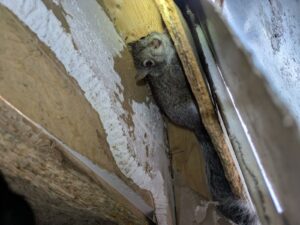
Squirrel Trouble in Mableton: Protect Your Home from Hidden Hazards
North Atlanta Squirrel FAQs: Did You Know?
You may need squirrel removal if you hear scratching, chewing, rolling, or quick scurrying sounds in the attic, ceiling, chimney, or walls. Squirrels are most active during the day, especially early morning and late afternoon. Exterior signs can include chewed vents, damaged soffits, lifted shingles, nesting debris, or repeated squirrel movement along the same roofline. A professional inspection can confirm whether squirrels are nesting inside or simply travelling across the property.
The timeline depends on the size of the property, the number of entry points, nesting activity, and whether young squirrels are present. In many cases, the inspection and initial removal setup can begin during the first visit. Humane removal may require time for squirrels to exit through one-way doors, followed by cleaning and exclusion work. Skedaddle focuses on solving the full problem, not just rushing animals out of the building.
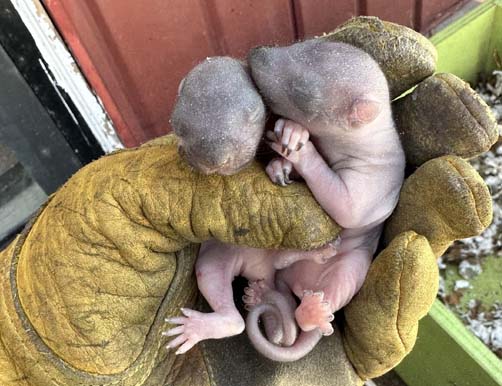
Yes. Humane squirrel removal is designed to account for breeding seasons and the possibility of dependent young. During spring and late summer nesting periods, trained technicians inspect for signs of babies before sealing access points. If young squirrels are found, they must be handled carefully and reunited with the mother whenever possible. This approach prevents animals from being trapped inside and helps avoid odors, distress, and further property damage.
Squirrels are strong climbers and can reach roofs using trees, fences, utility lines, gutters, and connected structures. Once on the roof, they often target weak points such as soffit gaps, vents, fascia boards, chimneys, roof returns, or damaged shingles. Chewing allows them to enlarge small openings. If entry points are not reinforced with durable materials, squirrels may return repeatedly, especially when the space provides warmth, shelter, or nesting protection.
DIY squirrel removal is not recommended because it can accidentally trap animals inside, separate mothers from their young, or leave hidden entry points unresolved. Store-bought repellents, lights, noises, and temporary patching rarely solve the source of the problem. Squirrels can chew through weak materials and continue using familiar routes. Professional removal includes inspection, humane exclusion, cleanup, and squirrel-proofing to reduce the chance of repeat activity.
After squirrels are removed, the affected space should be cleaned, decontaminated, and protected against future entry. Squirrel nesting materials, droppings, urine, food caches, and damaged insulation can remain behind in attics or wall spaces. Skedaddle’s process includes clearing contaminated materials, addressing odors and pheromones, and securing vulnerable areas with long-lasting exclusion materials. This helps restore the space and makes the property less attractive to future wildlife.
CALL US TODAY
1.888.592.0387
OR
Request for Services

