







BIRD REMOVAL PROCESS

Assess and Remove
We start with a 35-point inspection to locate bird activity, nesting areas, and entry points. Using tools like thermal imaging, our technicians safely remove birds while identifying the conditions attracting them to your North Atlanta property.

Clear and Clean
Once birds are removed, we clear nesting materials, droppings, feathers, and debris from affected areas. Our cleanup process focuses on decontamination, pheromone removal, and safety, helping reduce odors, contamination risks, and lingering attractants that may encourage birds to return.

Prevent and Protect
To keep birds from coming back, we install galvanized steel screening and durable bird-proofing materials over vulnerable openings. This long-term prevention approach protects vents, soffits, chimneys, rooflines, and ledges while helping safeguard your home or business from recurring bird problems.
Birds are a familiar part of life in North Atlanta, but when they start nesting or roosting on your home or business, they can quickly become a problem. Noise, droppings, property damage, blocked vents, and health concerns are all common issues, and they should always be handled with care and humane removal methods.
For over 30 years, Skedaddle Humane Wildlife Control has helped homeowners and businesses protect their properties from wildlife. We provide bird control services throughout North Atlanta, including Buckhead, Sandy Springs, Dunwoody, Brookhaven, and Roswell, and our work is backed by a lifetime guarantee.
With mature trees, wooded neighborhoods, busy commercial areas, older chimneys, and nearby natural spaces like the Chattahoochee River corridor, this region gives birds plenty of places to nest, roost, and find food. Pigeons may gather on rooflines or storefront signs, starlings and house sparrows can slip into vents or soffits, woodpeckers may drum on wood siding, and chimney swifts often move into unused fireplaces. Many bird problems begin with small warning signs, like droppings on walkways, scratching sounds in the walls, blocked vents, or noisy mornings, but they can become ongoing issues if they are not addressed properly.
Professional Bird Removal
Skedaddle provides professional bird removal and control in North Atlanta for pigeons, European starlings, house sparrows, woodpeckers, chimney swifts, and other common urban birds. Our technicians identify entry points, nesting areas, roosting sites, and property conditions attracting birds, then use humane exclusion methods to remove them safely and prevent re-entry. We also clean contaminated areas, install preventative barriers, and offer long-term solutions for homes, storefronts, offices, and multi-unit properties throughout the area.

Bird Activity Throughout the Seasons in North Atlanta
Fall: Birds Shift to Flocking and Roosting in North Atlanta
As the days shorten in North Atlanta, birds shift from nesting to flocking and roosting. Pigeons and starlings gather on rooftops, signs, ledges and commercial buildings for warmth and protection, and house sparrows may continue using vents and gaps in the roofline. Properties in Buckhead, Sandy Springs, Dunwoody, Brookhaven and Roswell, including multi-unit buildings and homes near golf courses and the Chattahoochee River corridor, often see roosting activity increase. Common signs include droppings on walkways and ledges, noise in vents, and nesting material at the roofline.
Birds that roost on or inside a building over the winter can block vents, damage roofing and leave droppings that are unsanitary and corrosive. Skedaddle’s humane bird control in North Atlanta starts with identifying the species and checking for active nests, then removes birds safely, cleans affected areas and installs exclusion and deterrents to keep them from returning.
Winter: Warmth and Shelter Become Priorities
During colder nights, birds look for protected spaces away from wind and rain. Attics, vents, chimneys, and covered ledges can become attractive shelters when natural cover is limited.
Spring: Nesting Season Takes Over
Spring is the busiest season for bird activity. As temperatures warm and trees leaf out around the region, birds begin searching for safe nesting sites close to food and shelter. House sparrows and European starlings may squeeze into vents, soffits, and gaps along rooflines, while chimney swifts return to open chimneys for nesting. Woodpeckers also become more active as they drum to attract mates and establish territory. This is when small signs such as chirping in walls, nesting material near vents, or birds repeatedly landing in one spot, often indicate an active nest that requires professional, humane attention.
Summer: Feeding Young and Defending Territory
By summer, many birds are focused on feeding their young. Pigeons, sparrows, and starlings may remain close to buildings where food scraps, insects, and sheltered ledges are available, especially near restaurants, shopping centers, and busy residential areas.
Why Birds Feel Right at Home in North Atlanta
This region gives birds everything they need to survive: food, water, and shelter. The area blends dense neighborhoods, mature tree canopy, commercial corridors, golf courses, parks, and access to waterways connected to the Chattahoochee River system. Around places like Buckhead, Sandy Springs, Dunwoody, Brookhaven, and Roswell, birds can move easily between wooded greenspaces, rooflines, parking lots, restaurants, and residential properties. Pigeons thrive near buildings and food waste, starlings and house sparrows take advantage of vents and small openings, woodpeckers are drawn to trees and wood siding, and chimney swifts rely on open chimneys that mimic hollow trees. Once birds find reliable resources, they often return year after year.
- Structural Vulnerabilities: Small gaps in soffits, vents, roof returns, siding, and chimneys give birds protected places to nest or roost.
- Steady Food Sources: Outdoor dining areas, dumpsters, bird feeders, insects, seed-producing plants, and landscaped properties provide easy meals.
- Thermal Protection: Attics, vents, ledges, signs, and chimneys offer warmth, shade, and cover from North Atlanta’s seasonal weather swings.
- Urban Roosting Sites: Shopping centers, office buildings, parking decks, and multi-unit properties create high, sheltered perches away from predators.
- Repeat Nesting Behavior: Birds often return to successful nesting spots, especially when old nesting material, droppings, or open access points remain.
What to Watch For:
Early bird problems can be easy to miss. Look for droppings on siding or walkways, smudge marks around vents, nesting material near gutters, feathers, chirping inside walls, pecking sounds, or birds repeatedly landing on the same roofline, chimney, sign, or exterior opening.
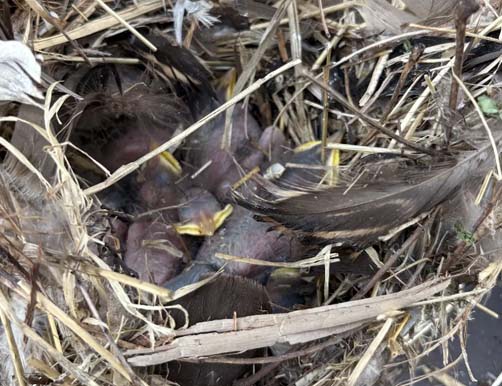
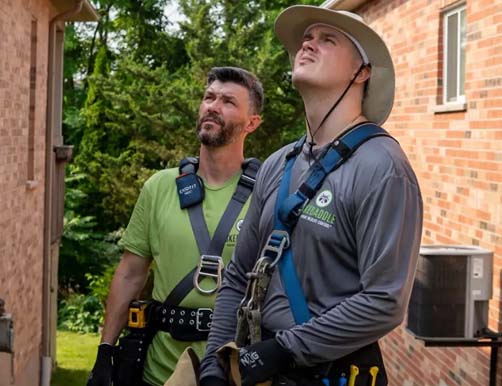

Small Clues That Birds Have Moved In
Early identification is the best way to prevent bird activity from turning into property damage, contamination, or a recurring nesting problem.
Frequent landing or circling: Birds repeatedly returning to the same vent, chimney, roofline, soffit, sign, or ledge often indicate nesting or roosting nearby.
- Droppings and staining: White or dark droppings on walkways, siding, windows, vehicles, or storefronts can signal pigeons, starlings, or sparrows gathering overhead.
- Chirping, scratching, or fluttering sounds: Noises inside walls, ceilings, vents, or chimneys may mean birds or young are trapped, nesting, or moving through cavities.
- Nesting materials around openings: Twigs, grass, feathers, straw, or debris near gutters, exhaust vents, attic gaps, or chimneys often point to an active nest.
- Pecking or drumming damage: Repeated tapping on siding, trim, gutters, or roof elements may indicate woodpecker activity, territory behavior, or insect-related attraction.
Seeing one sign often means more birds are nearby, especially with flocking species like pigeons, European starlings, and house sparrows. A professional assessment can identify the species, locate nesting or roosting areas, and recommend humane solutions before the problem grows.
Our Humane Bird Removal Process
Skedaddle’s wildlife removal process is designed to solve bird problems safely, humanely, and completely. Our technicians don’t just remove birds; they identify how and why they got in, clean affected areas, and protect your property from future activity with proven exclusion methods backed by decades of experience.
Step 1: Inspect & Remove
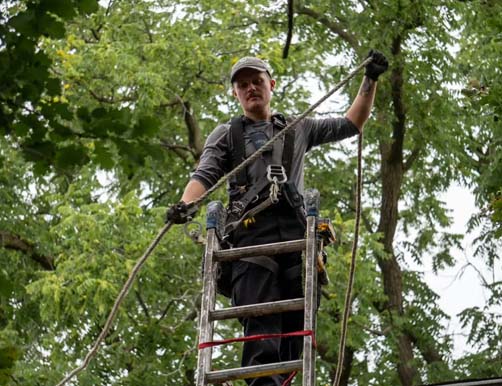
We begin with a 35-point inspection using tools like thermal imaging to locate birds, nests, and access points. Most wildlife removals can be completed in one day. Every solution is customized, and you’ll receive a clear written quote before work begins.
Step 2: Clear & Clean
After removal, we clear nesting materials, droppings, feathers, and debris from affected areas. Our cleaning process focuses on decontamination, pheromone removal, and reducing health and safety risks associated with bird activity in vents, attics, chimneys, ledges, and exterior spaces.
Step 3: Prevent & Protect
Finally, we install galvanized steel screening and other wildlife-proofing materials over vulnerable openings. This long-term prevention approach helps stop pigeons, starlings, sparrows, chimney swifts, and other birds from re-entering and protects your home or business from recurring problems.
Local Health & Safety Risks
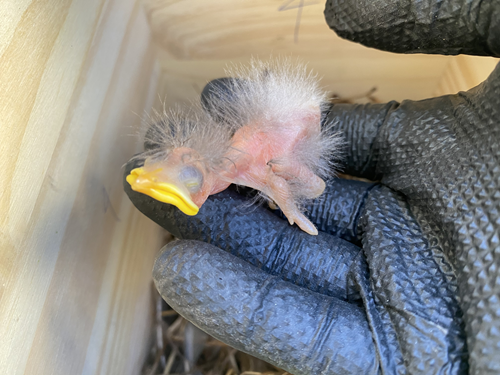
Bird activity around North Atlanta homes and businesses can create more than noise and nuisance. Pigeons, European starlings, house sparrows, chimney swifts, and woodpeckers may leave behind droppings, nesting materials, feathers, and debris in vents, chimneys, attics, rooflines, signage, and outdoor gathering areas. In humid Georgia conditions, these materials can break down quickly, creating contamination concerns for families, employees, customers, and maintenance crews. Professional removal, cleanup, and prevention help reduce exposure risks while protecting the structure from ongoing damage.
Disease: Bird droppings may contain bacteria, fungi, and other pathogens that can become hazardous when they accumulate on walkways, balconies, HVAC areas, or commercial entry points.
Airborne Contaminants: Dried droppings, feathers, and nesting debris can become airborne when disturbed, especially in attics, vents, chimneys, or enclosed spaces with poor airflow.
Parasites: Bird nests can attract mites, fleas, ticks, and other parasites. Once birds leave, these pests may move into living areas, offices, or nearby wall voids.
Attic Soiling: When birds nest in vents, soffits, chimneys, or attic spaces, droppings and nesting material can soil insulation, stain surfaces, trap moisture, and create odor issues.
Ready to Take Back Your Property?
Bird problems are easier to solve when they are addressed early. Whether you are dealing with pigeons on your roofline, sparrows in a vent, woodpeckers damaging siding, or chimney swifts in your fireplace, Skedaddle is here to help. Our North Atlanta team uses humane removal, professional cleanup, and long-term prevention to protect your home or business.
Book your assessment with Skedaddle Humane Wildlife Control today and let us help keep birds from coming back.
Where Birds Might Be Nesting In Your Home
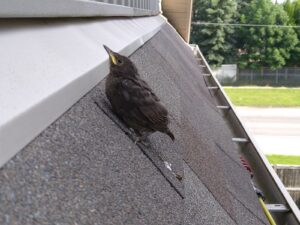
Why Georgia‘s Mild Winters Keep Birds Nesting in Homes Year-Round
Birds Pecking At Your Home? What Does It Mean?
North Atlanta Bird FAQs: Did You Know?
Common signs include repeated bird activity around one opening, chirping or fluttering inside walls, droppings below rooflines, and nesting materials near vents, gutters, or chimneys. In North Atlanta, starlings, house sparrows, and chimney swifts often target small gaps around soffits, exhaust vents, and masonry chimneys. Pigeons may be more visible on ledges, signs, and flat roof areas. Early inspection helps confirm the species and nesting location.
Birds return to places that provide food, shelter, warmth, and protection from predators. If a vent, chimney, ledge, or roof gap successfully supported nesting or roosting once, birds may reuse it season after season. Old nests, droppings, scent cues, and easy access can also encourage repeat activity. Humane exclusion and cleanup are important because simply removing visible materials does not always solve the underlying attraction.
The timeline depends on the species, nesting activity, access points, and size of the affected area. Many wildlife removals can be completed in one day, especially when birds are accessible and there are no dependent young. More complex cases, such as multiple entry points, commercial roosting sites, or active nests in chimneys or vents, may require a customized plan. Skedaddle provides a written quote before work begins.
Yes. Skedaddle focuses on humane bird removal and long-term prevention rather than trapping or harmful control methods. Technicians identify how birds are using the property, remove them safely when appropriate, and use exclusion techniques to prevent re-entry. For nesting birds, timing and species identification matter, especially because some birds may be protected. The goal is to resolve the conflict without unnecessary harm to wildlife.
Yes. Birds can enter through damaged soffits, open vents, gaps under roof returns, loose flashing, uncapped chimneys, and small construction openings. House sparrows and starlings are especially skilled at squeezing into tight spaces, while chimney swifts may nest inside open flues. Once inside, birds can leave droppings, nesting material, feathers, and parasites behind, creating contamination concerns and possible airflow or moisture problems.
DIY bird removal can be risky because nests may contain eggs, young birds, parasites, or contaminated droppings. Blocking an opening too soon can trap birds inside walls, vents, chimneys, or attics, creating noise, odours, and welfare concerns. A professional assessment identifies the species, confirms whether nesting is active, removes contamination safely, and installs durable exclusion materials to prevent the problem from returning.
CALL US TODAY
1.888.592.0387
OR
Request for Services

