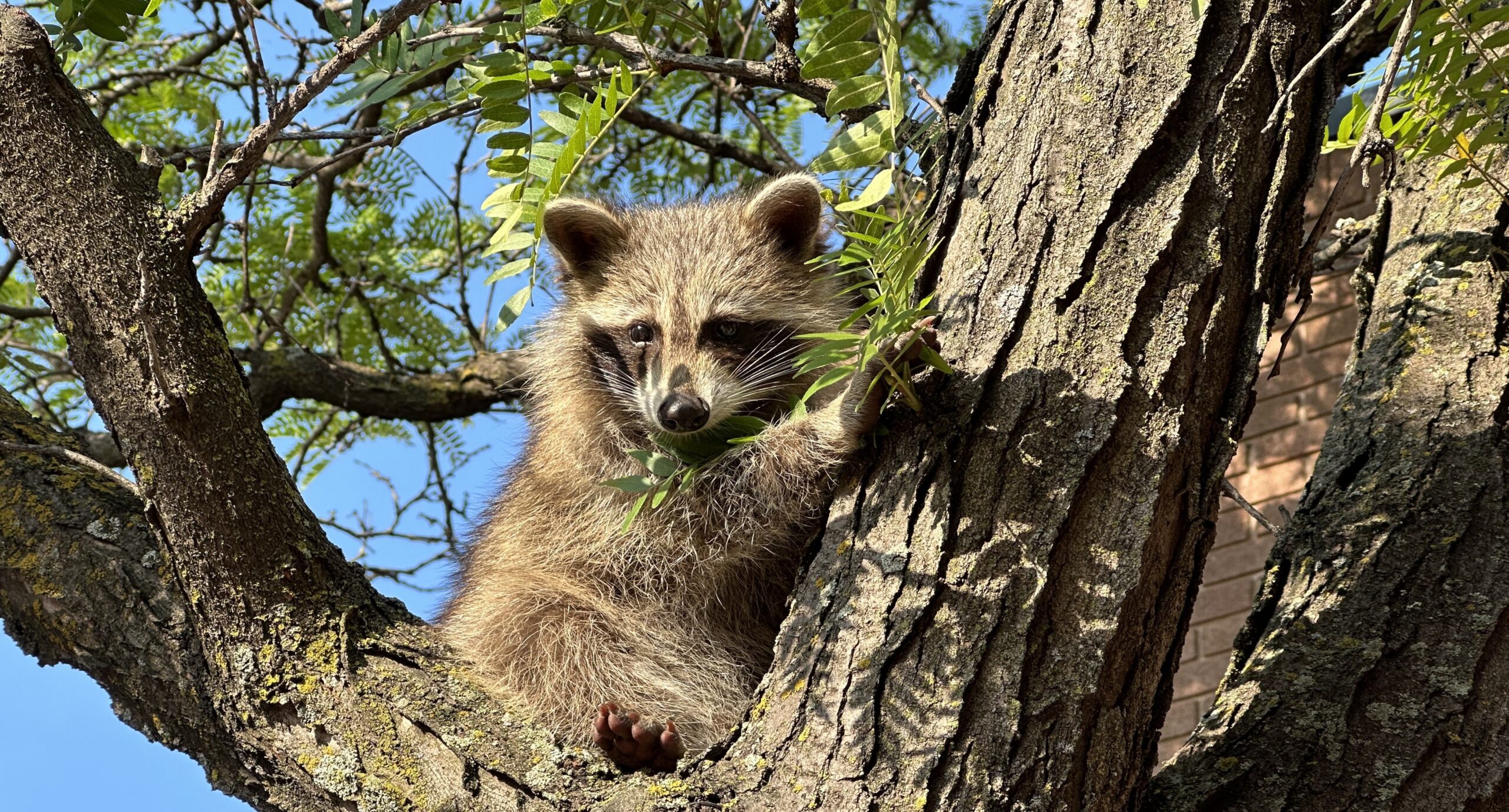
Spring brings a big shift in behavior, and you are likely noticing more movement around your home. You may see more activity at night, hear noises above your ceiling, or notice disturbed garbage and outdoor spaces. Raccoons are coming out of winter and becoming very active as they look for food, shelter, and safe places to raise their young. Skedaddle Humane Wildlife Control in East Cobb often sees this increase in activity as temperatures rise.
You are dealing with a time of year when survival and growth are the main focus. Females are searching for secure den sites, while males move around more in search of mates. This leads to more movement, more noise, and a higher chance of them exploring your home. Attics, chimneys, and spaces under decks can quickly become targets.
You may not notice them right away because they are very good at staying hidden. Small entry points and quiet spaces make your home an ideal place for nesting. In this blog, you will learn what raccoons are doing in the spring, how their behavior changes, and why it matters for your home.
Should You Approach a Raccoon?
You should never approach a raccoon, especially during the spring. They may seem calm, but they can become defensive if they feel threatened. This is even more important when babies are nearby.
You are more likely to see protective behavior during this season. Mothers will guard their den and may react quickly to protect their young. Keeping a safe distance is always the best choice.
Breeding and Increased Social Activity
Late winter and early spring are a very active time for raccoons. This is when mating season begins, and behaviour starts to change. More movement, more noise, and more competition are all common during this period. Key changes include:
- Mating Season: Mating can happen between January and June, but the busiest time is usually February through March. During this period, raccoons become much more active as they search for mates. This increase in movement can bring them closer to homes and neighbourhoods. You may notice more signs of activity around your property during these months.
- Socializing and Fighting: Raccoons are usually solitary, but this changes during mating season. Males become more social and more competitive as they look for females. This can lead to fighting, chasing, and louder sounds such as chitters, shrieks, and growls. These noises are often a sign that raccoons are active nearby.
- Increased Movement: Males often travel larger areas in search of multiple mates. This means they may move through more yards, rooftops, and neighbourhood spaces than usual. As activity spreads, your home can become part of their path. More movement also increases the chance of them checking for food or shelter near your house.
Nesting and House Hunting
Spring is when females begin searching for safe and secure places to raise their young. Warm, dry, and quiet spaces become very important during this time. Homes often provide better protection than natural areas. Key nesting behaviours include:
- Nursery Searches: Pregnant females look for warm, dry, and hidden spaces to have their kits. These spots must be safe from weather and outside threats. Enclosed areas like attics or chimneys are often chosen for this reason. A secure space helps protect the young during their early stages.
- Urban Intrusion: Natural spaces like hollow trees are not always available, so homes become a top choice. Attics, chimneys, sheds, and areas under decks offer the same protection. These spaces are easy to access and provide a quiet place to settle. This is why activity around homes increases in the spring.
- Destructive Behavior: Females may damage parts of your home to gain access to these spaces. Shingles, soffits, and vents can be pulled or broken to create an opening. This damage often happens quickly and may go unnoticed at first. Over time, it can lead to larger problems if not addressed.
Foraging for Food
After winter, energy levels are low and food becomes a top priority. Increased hunger leads to more movement and more searching around your home. This activity can happen both day and night depending on needs. Common behaviours include:
- Rapid Metabolism Increase: After winter, body weight can drop as stored fat is used up. This creates a strong need to find food quickly and often. More time is spent searching for meals to rebuild energy. Increased movement is one of the first signs of this change.
- Diverse Diet: Spring brings more food options like insects, small water creatures, and early fruits. These new sources help support growth and recovery after winter. A wider diet means more areas are explored. Yards and nearby spaces can become part of this search.
- Nocturnal and Daytime Activity: Most activity still happens at night, but daytime movement can also occur. Mothers may search for extra food to support their young. Seeing activity during the day does not always mean there is a problem. It is often part of seasonal behaviour.
- Human Interaction for Food: Garbage bins, pet food, and feeders are easy targets. These provide quick and reliable meals with little effort. This brings them closer to homes and increases the chance of interaction. Easy access to food often leads to repeated visits.
Birth and Caring for Young
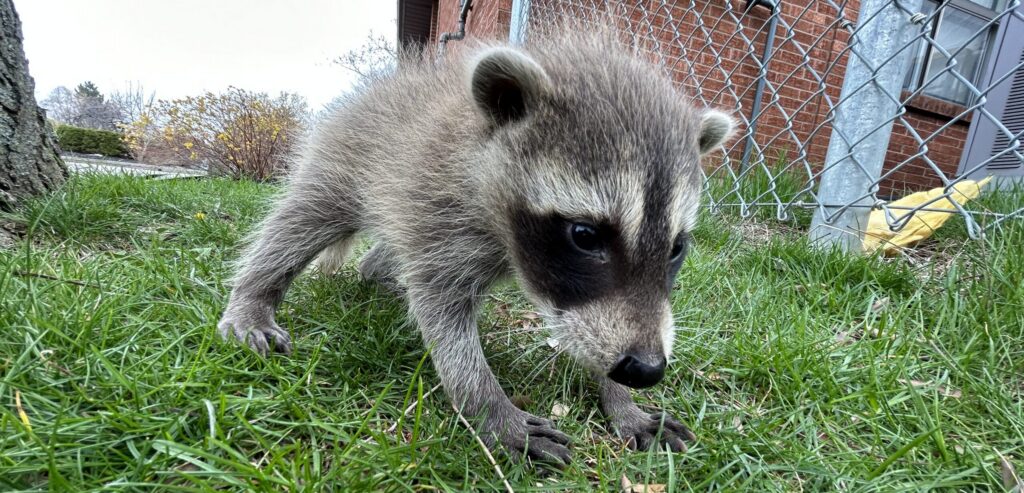
Late spring is when babies are born and raised in safe, hidden spaces. This stage is focused on protection, feeding, and early growth. Behaviour changes as mothers stay close to their young. Key behaviours include:
- Birthing Season: Most babies are born in April or May after a short gestation period. They are born blind and completely dependent on their mother. Safe and quiet spaces are chosen to protect them during this time. Early care is critical for their survival.
- Litter Size and Development: A typical litter includes three to five young. These babies stay in the den for several weeks as they grow stronger. During this time, they rely fully on warmth and protection. Growth happens quickly in these early stages.
- Protective Mothers: Mothers become very protective and alert while raising their young. They may react strongly if they feel their space is threatened. This can lead to more noise or visible activity. Keeping distance is important during this stage.
- Learning to Explore: By mid-to-late spring, the young begin to leave the den with their mother. These short trips help them learn how to survive and find food. Activity increases as they explore nearby areas. Movement around your home may become more noticeable.
Signs of Spring Activity Around Your Home
Spring activity often comes with clear signs. You may hear movement, notice damage, or see changes around your home. These signs can help you identify a problem early.
Noises in the attic or on the roof are common. Scratching, thumping, or movement at night can signal activity. These sounds often increase as the season continues.
You may also notice disturbed garbage, damaged vents, or loose roof materials. These signs show that something is searching for food or trying to get inside. Early attention helps prevent bigger problems.
Raccoon Prevention With Our Team
Long-term protection is the best way to keep raccoons out of your home. Our team focuses on finding entry points and securing them properly. This helps stop problems before they start.
We use one-way doors to allow wildlife to leave safely. Once they exit, they cannot return. This ensures a complete and humane solution.
We also seal all entry points using strong materials. This prevents future access and protects your home. Our approach focuses on long-term results.
East Cobb Homes and Spring Activity
Spring in East Cobb creates the perfect conditions for raccoon activity. Warmer weather and available food increase movement. Homes become part of their daily paths.
Many homes have features that make access easier. Rooflines, vents, and decks can all provide entry points. Even small gaps can lead to larger problems over time.
Seasonal changes increase the risk during this time of year. Early action helps reduce damage and stress. Protecting your home early is key.
Frequently Asked Questions
Are raccoons active during the day?
Yes, daytime activity can happen more often in the spring. This is usually because mothers need extra food to support their young. Seeing one during the day does not always mean it is sick or dangerous. It is often a normal part of seasonal behavior.
Do they return to the same place?
Yes, they often return to spaces that feel safe and familiar. If an entry point is left open, they will continue to use it again and again. This can lead to repeated activity and more damage over time. Proper sealing and prevention are key to stopping this cycle.
Can they damage your home?
Yes, they can cause damage to roofs, vents, insulation, and other parts of your home. Entry points may be torn open or made larger to gain access. Over time, this damage can become more serious and costly to repair. Acting early helps reduce the risk of long-term problems.
Why do they choose attics?
Attics provide a warm, quiet, and protected space that is ideal for nesting. These areas are rarely disturbed, which makes them even more attractive. Small gaps in rooflines or vents can make access easy without being noticed. Once inside, they often stay and return if the space is not secured.
Don’t Let Spring Activity Turn Into a Bigger Problem
Spring activity can grow quickly if it is not handled early. What may start as small sounds or light movement can turn into damage inside your home. Entry points can get larger, and nesting can continue over time. Acting early helps reduce stress and protects your space before the problem spreads.
It is also important to understand what normal behavior looks like during this season. Daytime activity can happen and does not always mean there is a health issue. In many cases, it is a mother searching for food to care for her young. Spring is also a higher-risk time for close encounters, so keeping your distance is always the safest approach. Avoiding contact and securing your home early can help prevent nesting before it begins.
We provide safe and complete solutions at Skedaddle Humane Wildlife Control in East Cobb. Our team focuses on proper removal, sealing entry points, and long-term protection. We use proven methods, including one-way doors, to allow wildlife to leave safely without returning. You can request an estimate today to find out how we can help keep your home clean, secure, and protected all season long.

 Loading...







