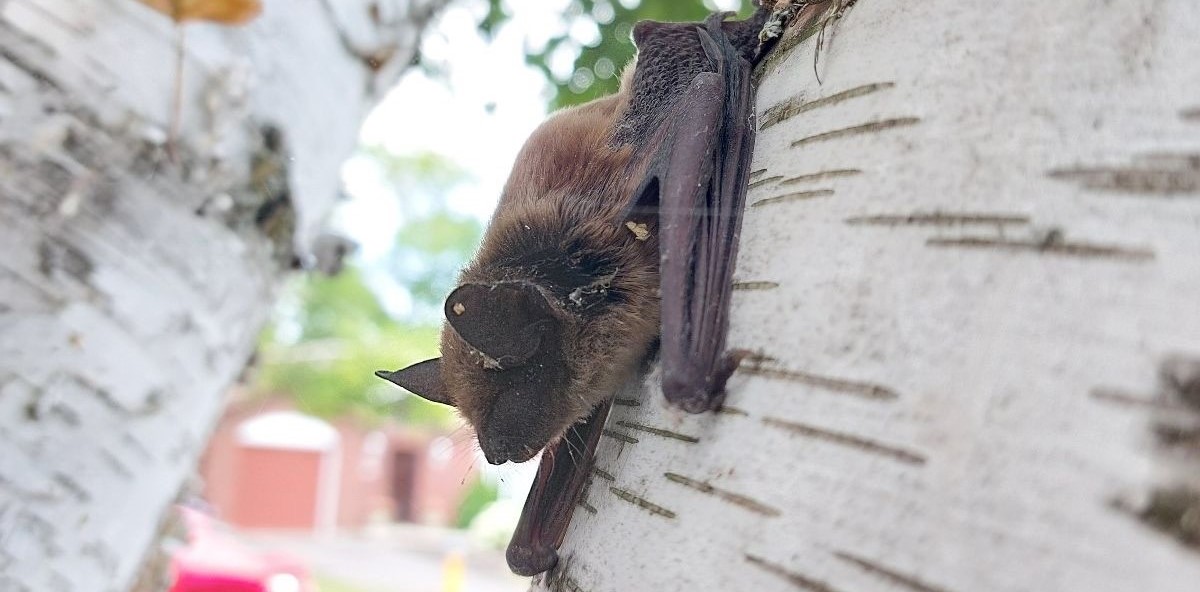
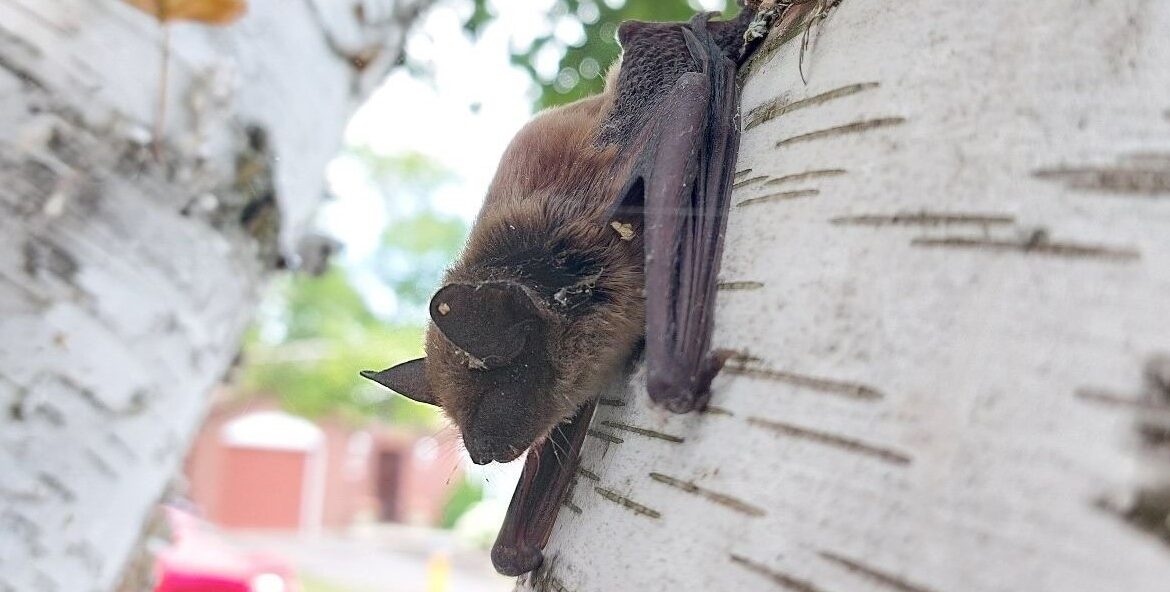
Bats hibernating in attics can be a hidden challenge for Oakville homeowners, especially when the colder months roll in, and houses near the Oakville Harbour become ideal hideouts. Many people are surprised to learn that these animals don’t always head for caves or forests; instead, cozy, draft-free attics often meet their winter needs.
Understanding why bats choose attics for hibernation, recognizing signs of a hidden colony, and knowing how to respond are key to both your family’s health and local wildlife. Let’s explore the specific winter behaviour of bats in attics you may encounter and explain how to protect your property with expert support from Skedaddle.
Why Do Bats Hibernate in Attics?
Bats are highly adaptable mammals, celebrated for their unique ability to fly and their preference for warm, sheltered spaces during hibernation. In Oakville’s growing neighbourhoods, urban development has led these creatures to search for new places to survive the winter. Attics have become especially popular for several reasons:
- Stable temperatures compared to the outside.
- Dry, protected environments that keep them safe from wind and predators.
- Easy access through gaps, vents, or aging rooflines.
- Proximity to consistent food sources in urban and suburban areas.
Bats have discovered that attics can mimic the safety and warmth of their natural cave habitats. The insulation in these spaces provides perfect conditions for them to enter and stay in hibernation mode from late fall to early spring. As we witness more neighbourhoods developing near natural spaces, these intelligent animals increasingly seek alternative safe zones—sometimes inside the very structures we call home. With winter bat behaviour becoming more common, awareness is critical.
The Science Behind Winter Bat Attic Behaviour
Winter’s chill prompts bats to slow down their metabolism into a state known as torpor—effectively hibernating in a deep, restful sleep. In their natural environments, they would use caves or hollow trees, but the rise of residential neighbourhoods means suitable natural sites are harder to find.
Urban homes inadvertently attract bats by offering:
- Consistent interior temperatures despite weather fluctuations.
- Plenty of nooks, cracks, and small entry points.
- Minimal disturbance by humans or predators during the off-season.
Bats hibernating in attics may remain motionless and silent for weeks at a time, emerging only if disturbed or if there’s a sudden temperature rise. This adaptability showcases their resilience, but their presence indoors can lead to issues for both sides. Recognizing hidden colony signs becomes essential for responsible homeowners.
Hidden Bat Colony Signs: What to Watch For
Detecting a bat colony isn’t always straightforward, given their shyness and ability to fit through dime-sized holes. However, several signs can alert homeowners to their presence.
Common indicators include:
- Unexplained scratching, squeaking, or fluttering noises at dusk or dawn.
- Odd stains or streak marks near attic vents, soffits, or along exterior walls.
- Accumulation of tiny, shiny droppings (guano) around entry points or in insulation.
- A new, lingering musty or ammonia-like smell in upper floors or attic spaces.
- Sightings of a bat inside the living area suggest a larger group is somewhere in the house.
If you notice one or more of these signs, more are likely present than visible. Bats prefer dark, undisturbed crevices, making a thorough attic inspection essential before taking any action. Our experience at Skedaddle has shown that colonies can remain undetected for several seasons, making professional assessment crucial to avoid further complications.
What Attracts Bats to Attics?
Understanding what lures bats indoors can help safeguard your property and prevent issues before they start. Several factors make an attic irresistible, particularly in developed neighbourhoods.
Key attractants draw bats indoors during the winter months, making homes especially vulnerable to infestations. Warmth and insulation provide the steady temperatures bats need to survive, while loose soffits, chimney gaps, unscreened vents, or missing shingles offer easy access points. Additionally, moisture from roof leaks or poor ventilation creates ideal conditions for nesting and survival throughout the colder season.
Oakville’s tree-lined streets and abundance of green spaces provide bats with plenty of hunting grounds close to homes. As construction and housing increase, formerly wild populations find attics as excellent survival options during winter. To reduce your risk, maintain your roof, ensure all entry points are securely sealed, and remove food sources that attract flying insects.
What Should Be Done if a Hidden Bat Colony is Found?
A common question from Oakville homeowners is: What to do if there’s suspicion or discovery of bats hibernating in attics? Due to strict regulations and the sensitive lifecycle of bats, immediate and thoughtful action is essential.
Key steps to follow include:
- Avoid attempting bat removal by yourself—disturbing or evicting a hibernating colony can harm both the bats and your property.
- Contact a licensed, humane wildlife control service like Skedaddle for expert assessment and removal.
- Refrain from sealing entry points until the bats have naturally left, as blocking access while they are inside may cause them to become trapped or move deeper into your home.
- Plan for professional cleaning and decontamination, as accumulated guano can carry health risks like histoplasmosis.
Our removal process prioritizes safety, legality, and long-term exclusion. We begin by inspecting every inch of the property for hidden colonies, from the roofline to attic corners. One-way doors are then installed to allow bats to exit while preventing re-entry, carefully timed to avoid disturbing hibernating bats or separating mothers from their pups. Specialized wildlife exclusion sealant is used to fill gaps and cracks, backed by a lifetime service warranty. Finally, soiled insulation is removed, and all contaminated materials are thoroughly cleaned, ensuring your home remains safe from odours and harmful pathogens.
When handled appropriately, removing bats is a detailed, humane process—requiring close attention to seasonal timing. Acting during autumn or late summer is ideal, but if bats are currently hibernating in your attic, Skedaddle will develop a plan to protect everyone until a safe removal window opens.
The Impact of Urban Development on Bat Behaviour
Across Oakville, rapid development means traditional roosting sites—like old trees and natural caves—are disappearing. This increased interaction between homeowners and bats has led to:
- More colonies are settling into attics, crawl spaces, and wall cavities.
- Increased risk of home damage and potential health concerns.
- Higher rates of human-wildlife conflict, especially during winter hibernation periods.
Urban encroachment pushes wildlife to innovate, and bats are remarkably adept at finding survival solutions, even in bustling neighbourhoods near the Oakville Trafalgar Community Centre. As natural hibernation spaces diminish, the need for responsible, compassionate removal services rises.
Skedaddle Humane Wildlife Control meets this demand by combining deep knowledge of bat biology and urban behaviour with proven exclusion and cleaning techniques. Our technicians undergo specialized training not only to identify and remove colonies but also to protect bats by coordinating humane exclusion in compliance with environmental regulations. Adapting our strategies to both the needs of homeowners and the habits of bats ensures a win-win outcome—allowing nature to thrive while keeping Oakville homes safe, clean, and comfortable throughout the winter months.
Ensure a Safe, Bat-Free Home with Expert Help
Dealing with bats hibernating in your attic is not just a seasonal nuisance—it’s a complex challenge that impacts your health, your home’s safety, and local wildlife. Hidden colonies often go undetected throughout winter and can quickly multiply, increasing contamination risks and necessitating professional intervention. With urban expansion in Oakville pushing bats into attics and wall cavities, being proactive is your best defence.
Rely on Skedaddle’s humane, detailed approach to wildlife removal, backed by over 30 years of expertise and a lifetime service warranty. Our skilled technicians manage every phase, from thorough inspections and safe, legal exclusions to cleaning and sealing entry points to prevent future infestations. Don’t leave your attic’s safety to chance. Schedule your professional assessment with Skedaddle today and experience peace of mind all year long.

 Loading...