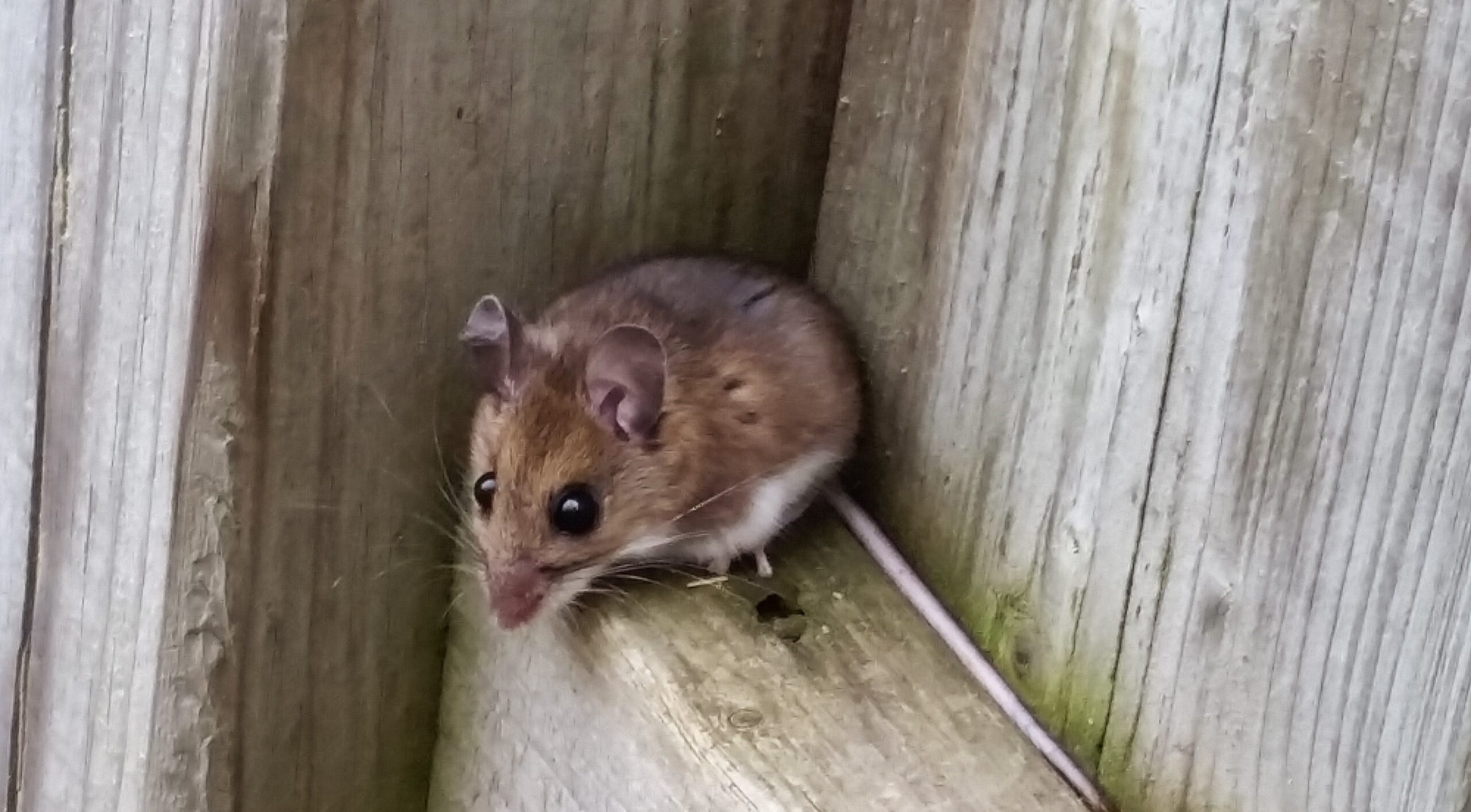

If you’ve recently noticed mice scratching walls in January, you’re not alone. Many Oakville homeowners experience an increase in these unsettling sounds during the coldest months of the year. As temperatures drop, mice seek warmth, food, and shelter indoors, turning wall voids, attics, and ceilings into ideal nesting areas. This seasonal behaviour explains why those late-night scratching and scurrying noises become more frequent and noticeable after the holidays.
January is especially active for mice because outdoor food sources are scarce, and indoor environments offer safety and comfort. The sounds you hear are often signs of mice foraging, nesting, or expanding their territory within your home’s structure.
Understanding why mice scratching walls in January is so common helps you take the right preventive steps, sealing entry points, removing attractants, and scheduling professional inspections. With Skedaddle’s proven humane removal and prevention methods, Oakville homeowners can stop the noise at its source and keep their homes rodent-free all winter long.
Why Are Mice More Active in Walls During January?
In Oakville, January signifies a critical survival period for mice. As temperatures plummet and external food sources become scarce, homes and commercial structures provide the perfect refuge, full of warmth and sustenance. This shift in behaviour results in more frequent scratching sounds.
How Cold Weather Drives Mice Indoors
Mice are highly adaptive. During winter, their survival instincts kick in, prompting an intense search for warmth and safety. This urgent need turns any crack or gap in a building into an enticing entry point, particularly in the harsh chill of January.
Here’s what typically occurs:
- Outdoor food becomes sparse as snow or ice covers traditional sources.
- Mice seek out warmth and security, entering via utility vents, weep holes, or foundation cracks.
- Inside, wall cavities and attic spaces offer perfect nesting spots, shielding them from the cold.
This migration is a common challenge not just in Oakville but throughout Canada, and it explains the sudden increase in winter mouse noises as these rodents become more active and settle in for the season.
Seasonal Nesting and Foraging Habits
Once they move indoors, mice adjust their activities to focus on survival and reproduction. January is significant because:
- Mice start nesting and breeding in hidden areas, leading to a quick population increase.
- Female mice can reproduce every three weeks, rapidly expanding indoor colonies.
- Nighttime foraging intensifies as they search for food sources within the structure.
The scratching, scampering, or nibbling noises aren’t random; they reflect mice building nests, raising young, and foraging for food—all heightened in January due to the cold outside.
Now, let’s transition to understanding these noises’ true meanings and how they impact your property.
Identifying Winter Mouse Noises in Walls
Property owners often struggle with distinguishing between typical house noises and those created by mice. Recognizing these sounds is crucial for timely and effective interventions.
Common Sounds Mice Make
Mice are not subtle about announcing their presence, especially when they begin nesting. You may hear light, quick scratching or scurrying sounds, most noticeable at night or in the early morning when mice are most active. Chewing or gnawing noises are also common as they maintain their teeth and gather materials to build nests. Occasionally, you might detect faint thumping or rustling within walls, ceilings, or attic spaces—clear indicators that mice have moved in and are busy making themselves at home.
These noises typically intensify as colonies grow and activities increase, often emanating from secluded areas such as wall cavities, behind appliances, or under cabinets.
Differentiating Mouse Noises from Other Noises
It’s easy to confuse the sounds made by mice with those from plumbing, heating systems, or even other animals. Here’s how to tell them apart:
- Mice produce fast, light-footed sounds with short bursts of activity.
- Heating pipes create rhythmic ticking or tapping, which is louder and more deliberate.
- Other animals, like squirrels, make heavier, louder noises, often during daylight hours.
If you live near Oakville Harbour or in nearby areas and notice repeated late-night scratching behind walls, it likely indicates the presence of mice, a frequent winter issue.
Recognizing these auditory cues early allows for quick assessment and action. Now, let’s explore why January sees a surge in this activity.
The Hidden Insight: January’s Impact on Mouse Behaviour
January isn’t just another winter month—it’s the peak of indoor mouse activity. Various environmental and biological factors contribute to this seasonal behaviour.
Why January Truly Stands Out
The sounds of mice scratching walls in January become especially noticeable for several reasons. As the cumulative cold drives them indoors, mice seek warmth and shelter within wall cavities and attics. With outdoor food sources depleted, they are forced to forage inside homes, increasing movement and noise. At the same time, established indoor colonies may begin to reproduce, leading to a rise in activity and a noticeable uptick in scratching, gnawing, and scurrying sounds throughout the winter months.
By midwinter, mice have identified your property as a safe haven. The activity not only escalates due to the increased population but also because young mice become weaned and start exploring. This explains why scratching and scampering sounds seem to surge overnight.
The Hidden Dangers of Ignoring Winter Activity
Overlooking the increased winter noises can lead to:
- Rapid population growth in inaccessible areas.
- Damage to insulation, wiring, and stored belongings.
- A buildup of droppings contaminates indoor air quality.
Understanding January’s significance in mouse behaviour is vital, as awareness enables Oakville owners to take timely control and prevention measures.
Let’s examine practical solutions and prevention strategies to address this seasonal challenge next.
What to Do If You Suspect Mice in the Walls
Hearing signs of mice in the walls can be unsettling. However, proactive measures are key to addressing the issue before it escalates.
Immediate Steps for Homeowners and Business Owners
When you suspect a mouse presence, here’s what to do:
- Listen for repeated scratching or gnawing sounds in walls, ceilings, or attics, primarily at night.
- Look for additional clues like droppings in cupboards, chewed packaging, or ammonia-like odours.
- Inspect the exterior of your property for entry points, particularly near foundations, vents, and utility lines.
Prompt action is essential because mice can rapidly expand their presence, especially during the winter.
How Skedaddle Can Help
While store-bought traps or poisons may seem like a quick solution, they come with significant drawbacks. Traps and poisons often fail to address the root cause of the problem—how mice are entering the home in the first place. Poisoned mice may also die within walls or hidden spaces, leading to unpleasant odours and potential health risks. Beyond these issues, such methods are neither humane nor effective for long-term control, often resulting in recurring infestations rather than lasting relief.
At Skedaddle, our approach goes beyond short-term fixes to ensure long-lasting protection. We begin with a comprehensive property assessment to identify signs of mouse activity and pinpoint all possible entry points. Humane one-way doors are then installed, allowing mice to exit safely without being able to return.
Once removal is complete, our team seals every potential access point using durable, weather-resistant materials. Finally, we clean and decontaminate affected areas to eliminate odours, health risks, and traces of mouse activity—restoring your home to a safe, pest-free condition.
Our strategies are tailored to your unique building—no two properties in Oakville or their vulnerabilities are the same.
Next, let’s delve into prevention strategies to keep your home or business secure long-term.
Long-Term Prevention Strategies for Mice in Walls Across Canada
While addressing existing sounds of mice scratching walls in January is important, ongoing prevention is critical to avoid future problems. Here’s how to protect your property year-round.
Key Prevention Techniques
Effective strategies include:
- Sealing all gaps and openings larger than 6 millimetres with heavy-gauge steel screening or wildlife exclusion sealant.
- Ensuring that window frames, doors, and utility pipe entry points are tightly sealed.
- Storing food in sealed containers, especially in pantries and basements.
- Minimizing clutter and potential nesting sites within attics and utility spaces.
- Keeping compost bins and garbage tightly covered and away from building exteriors.
Preventive measures should begin with a professional inspection. Even the smallest gaps can become significant entry points for mice, particularly during the Canadian winter.
Why Professional Inspection Matters
Skedaddle’s skilled technicians bring years of experience to every inspection. Our team is trained to recognize subtle signs of mouse entry and details that average homeowners might overlook:
- Evidence of chewing or staining along baseboards and insulation.
- Tiny droppings in corners or behind appliances.
- Thin, well-worn trails along pipes or wiring.
Our goal is to offer Oakville property owners peace, knowing their families and investments are secure from the hidden hazards of winter mouse noises in walls.
How Skedaddle Serves Oakville Year-Round
Your home’s needs are unique, and so are Skedaddle’s customized solutions for managing mice in walls across Canada. That’s why we’re Oakville’s trusted choice for tackling mice scratching walls in January and throughout the year. With over three decades of specialized experience in mice and rodent control, we use industry-leading, humane exclusion and removal methods that deliver real results.
Our team provides thorough cleanup and remediation to eliminate health risks and contamination, followed by complete mouse-proofing from foundation to roof to ensure no weak points remain. Plus, we offer ongoing support and expert advice to help you maintain a mouse-free environment in every season.
Our commitment is to keep Oakville homes and businesses safe, healthy, and secure—even when cold January months see mouse activity peaking.

 Loading...