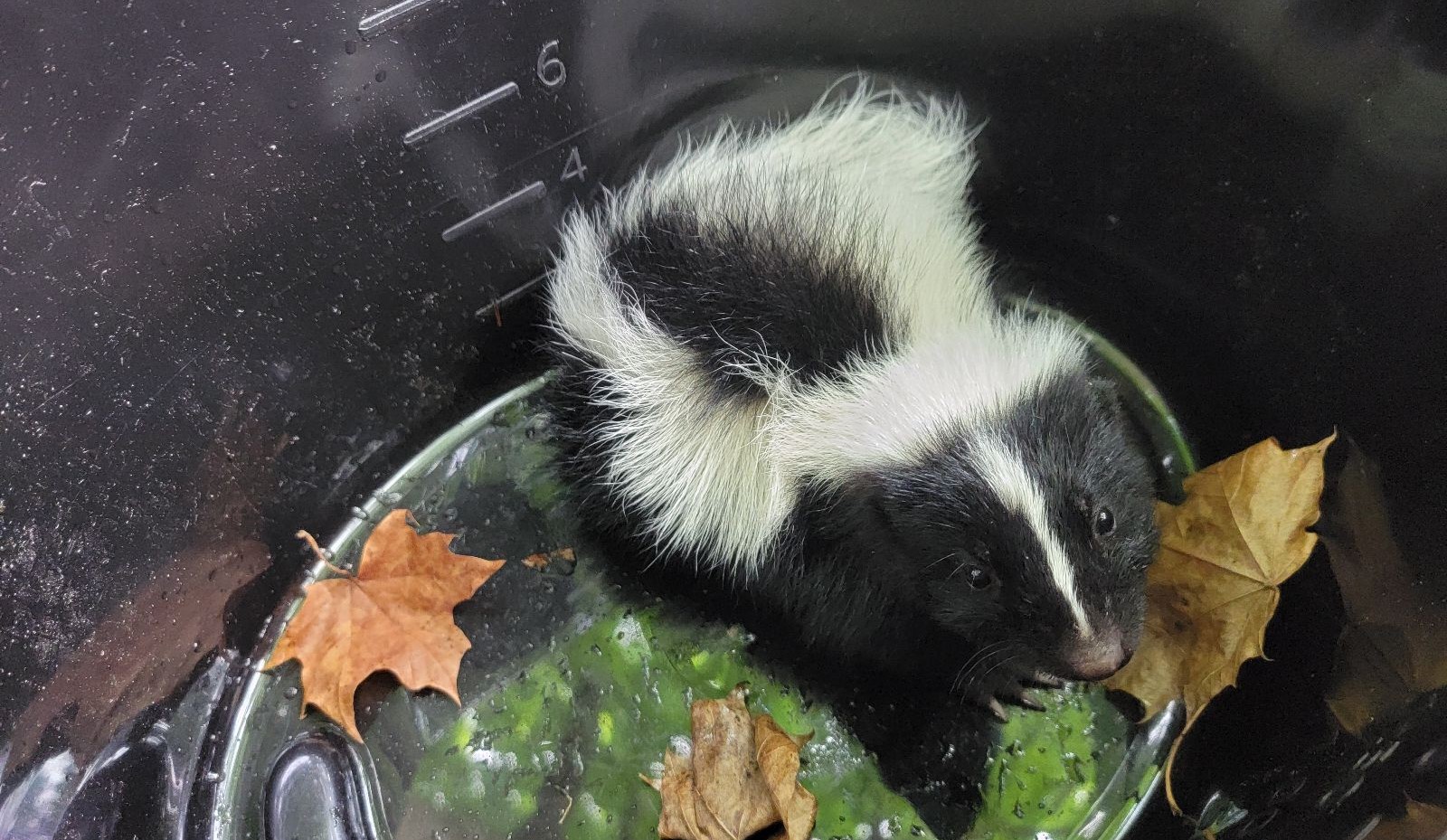
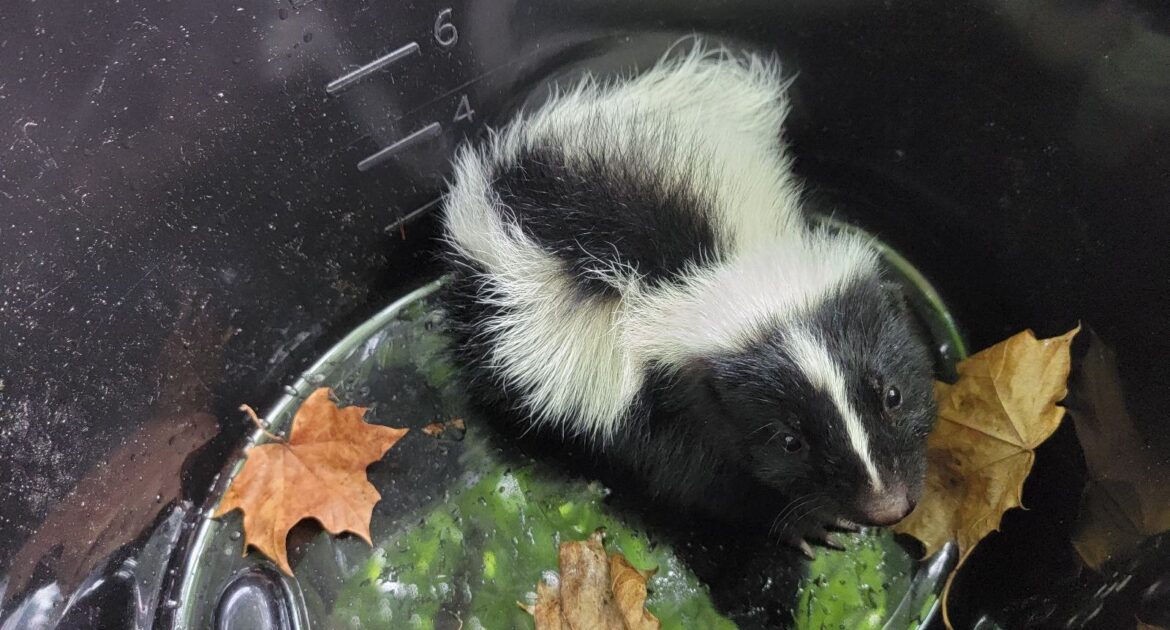
Spring changes how your yard feels. Soil softens, plants return, and gardens become active spaces again. As this happens, animals also begin searching for food and shelter. Gardens often sit close to decks, sheds, and quiet areas, which can make them attractive during nesting season. That is why skunks in the garden are a common concern in spring.
Skunk prevention tips work best when they focus on stopping problems before nesting begins. Once animals settle in, activity increases and becomes harder to manage. Spring skunk control is most effective when entry points, shelter areas, and attractants are addressed early. At Skedaddle Humane Wildlife Control in Oakville, we help protect gardens by preventing access, guiding animals out safely when needed, and reinforcing areas that attract repeat visits.
Below, you will see how professional prevention methods help stop skunks from making a home in your garden this spring and why timing matters.
Why Gardens Attract Skunks In Spring
Gardens offer everything animals look for after winter. Soft soil, insects, moisture, and nearby cover make these areas appealing. When gardens sit close to structures, they can quietly become starting points for nesting behaviour. Understanding this helps explain why spring skunk control often begins outdoors.
Spring skunk activity increases as food sources return. Lawns and garden beds support insects and grubs, which are easy to access. At the same time, reduced winter noise makes yards feel calmer. Without protection, gardens can quickly turn into repeat feeding and resting zones.
Our professional prevention focuses on breaking these patterns early, before gardens become familiar territory.
Step 1: Entry Points Near Gardens Are Secured
Preventing skunks in the garden starts by addressing access points near the ground. Gardens often sit beside decks, porches, sheds, and foundations. These structures create sheltered edges that can hide small gaps. If those openings stay accessible, skunks may return night after night.
At Skedaddle, we focus on securing these areas in the correct order and at the right time. Entry points are reinforced only after confirming no skunks are inside. This prevents trapping and avoids escalated behaviour during spring skunk control.
Our professional exclusion near gardens includes:
- Reinforcing Gaps Under Decks and Porches: Spaces beneath raised structures are common entry zones. We install durable barriers that prevent digging and block access. These materials are placed to withstand soil movement and seasonal changes. Once secured, these areas are far less likely to be reused.
- Protecting Shed Bases and Garden Structures: Sheds and storage units often sit at the edge of gardens. Small gaps can form as structures settle. We seal these openings to prevent access without disturbing the surrounding garden space. This reduces shelter opportunities close to food sources.
- Securing Foundation Edges Near Garden Beds: Garden soil often meets foundation walls. We reinforce vulnerable edges to stop digging from spreading toward the home. This creates a clear boundary that prevents wildlife from entering garden areas.
Step 2: Food Sources In Garden Areas Are Professionally Managed
Food availability plays a major role in spring skunk activity. Gardens support insects, grubs, and fallen organic material that attract repeated visits. When food remains easy to access, skunks are more likely to return and settle nearby.
Our prevention approach focuses on reducing food incentives without disrupting your garden. We assess feeding patterns and target the areas that attract repeat activity. By managing these zones professionally, we help stop skunks in the garden from forming habits.
Our professional food-source management includes:
- Reducing Access to Grub-Rich Lawn Areas: Grubs are a key food source in spring. We identify high-risk lawn zones and address conditions that support feeding. This reduces digging behaviour near garden beds and pathways.
- Managing Organic Debris Near Gardens: Fallen fruit, compost areas, and dense ground cover can attract foraging. We assess how these elements connect to garden activity. Adjustments are made to reduce nighttime feeding patterns near structures.
- Breaking Routine Feeding Paths: Skunks often follow the same routes each night. We disrupt these patterns by reinforcing barriers and guiding movement away from gardens. This helps stop repeat visits before nesting begins.
Step 3: Deterrents Are Installed To Reduce Comfort
Even when food and shelter exist, comfort determines whether skunks stay. Quiet, dark, undisturbed gardens feel safe at night. Professional deterrents help change how these spaces feel without causing harm.
Skedaddle uses humane deterrent strategies that make gardens less appealing during peak spring skunk control periods. These methods encourage skunks to move on naturally instead of settling in.
Our deterrent strategies include:
- Motion-Activated Lighting Near Garden Edges: Sudden light changes disrupt nighttime behaviour. We place lighting to cover common travel paths without affecting plant growth. This reduces confidence and limits lingering near gardens.
- Water-Based Deterrent Systems: Motion-activated sprinklers create harmless disruptions. These systems startle without causing stress or injury. Over time, skunks learn the area is unpredictable and avoid it.
- Environmental Adjustments that Reduce Cover: We assess how plant density and garden layouts create hiding spots. Strategic adjustments reduce sheltered pockets while keeping the garden intact. Less cover means less comfort.
Step 4: One-Way Doors Are Used When Activity Is Confirmed
If skunks are already present, prevention must allow safe exit before sealing occurs. One-way doors are a key part of humane spring skunk control because they let skunks leave without causing stress or panic. These doors are designed to work with natural movement patterns, encouraging skunks to exit on their own.
Doors are installed only after careful inspection confirms where activity is happening. Timing matters, especially during nesting season, when young may still be nearby. Once skunks exit, access points are reinforced with durable materials. This prevents return visits and stops new animals from finding the same entry points.
This approach ensures skunks in the garden are guided out safely. It also prevents them from becoming trapped inside structures. Proper exclusion reduces damage and supports long-term prevention once the space is secured.
Step 5: Ongoing Monitoring Prevents Repeat Activity
Spring is not a single event. Activity changes as temperatures rise, plants grow, and food sources shift. Gardens that are protected early can still attract attention later in the season if conditions change.
At Skedaddle, we monitor known risk areas around gardens and nearby structures. If new signs appear, prevention methods are adjusted before activity increases. This proactive approach helps maintain protection as spring progresses into summer.
Monitoring focuses on early warning signs, such as renewed digging or movement near secured areas. Addressing these signs quickly prevents habits from forming. Ongoing monitoring helps keep gardens protected long after initial prevention is complete.
Spring Skunk Control With Our Professional Team
Spring skunk control works best when prevention, exclusion, and monitoring work together as one plan. Our team focuses on stopping access, guiding skunks out safely, and reinforcing gardens before habits form. Each step is done in the right order to avoid stress, damage, or repeated activity.
Skedaddle Humane Wildlife Control in Oakville provides professional prevention designed for spring conditions. We look at how gardens, structures, and seasonal behaviour connect. Our humane approach protects skunks while also protecting your property. Long-term results come from planning ahead, not reacting after problems grow.
Protect Your Garden Before Nesting Begins
Spring brings renewed movement and activity, but problems do not have to follow. When the right skunk prevention tips are used early, gardens are far less likely to become nesting areas. Preventing skunks in the garden before habits form is easier than addressing activity later in the season.
Our professional spring skunk control focuses on timing, structure, and long-term protection. When access points are secured and movement patterns are disrupted, animals move on naturally. This reduces the chance of repeat visits and protects your garden throughout the season.
Skedaddle Humane Wildlife Control in Oakville is here to help protect your garden with safe, professional prevention you can trust. Request an estimate to learn more.

 Loading...







