You may notice more activity around your home once winter sets in. As temperatures drop, animals begin searching for warmth, shelter, and quiet places where they can wait out the cold. Roof edges, vents, soffits, and ledges often become problem areas during this time.
That’s why smart planning matters, especially for homeowners in Oakville dealing with winter conditions.
The right winter bird deterrent strategies focus on prevention, not reaction. You want solutions that protect your home without causing harm. Effective humane bird control methods are designed to block access, remove attraction, and stop repeat activity before it becomes a larger issue.
At Skedaddle Humane Wildlife Control in Oakville, these strategies are built around long-term protection, not short-term disruption. When applied properly, these approaches help keep birds away from home in the winter while also protecting the structure itself.
In this blog, you’ll see how smart strategies work together, why winter changes animal behaviour, and how prevention reduces risk over time.
Why Winter Changes Behaviour Around Homes
You may assume colder weather slows everything down, but winter often increases pressure around buildings. Natural shelter becomes limited, food sources disappear, and exposed animals look for stable environments. Homes offer warmth, cover from wind, and quiet spaces that feel safe.
Over time, repeated activity in the same areas creates patterns. Once an animal finds a spot that works, it will return unless access is blocked. That’s why winter bird deterrent strategies must focus on long-term prevention instead of short-term disruption.
Smart Strategy #1: Blocking Access to Warm Air and Shelter Points
You protect your home most effectively when access points are addressed early. Warm air escaping from vents, rooflines, and gaps signals safety during winter. Animals quickly learn where heat collects.
Our professional wildlife team focuses on exclusion, not disturbance. One-way doors allow animals to exit safely while preventing them from getting back inside. Once activity stops, entry points are sealed so the structure no longer offers shelter.
This strategy works because it removes the reward. Without warmth or protection, animals move on. It’s one of the most reliable ways to keep birds away from home in the winter using humane bird control methods that don’t rely on force or stress.
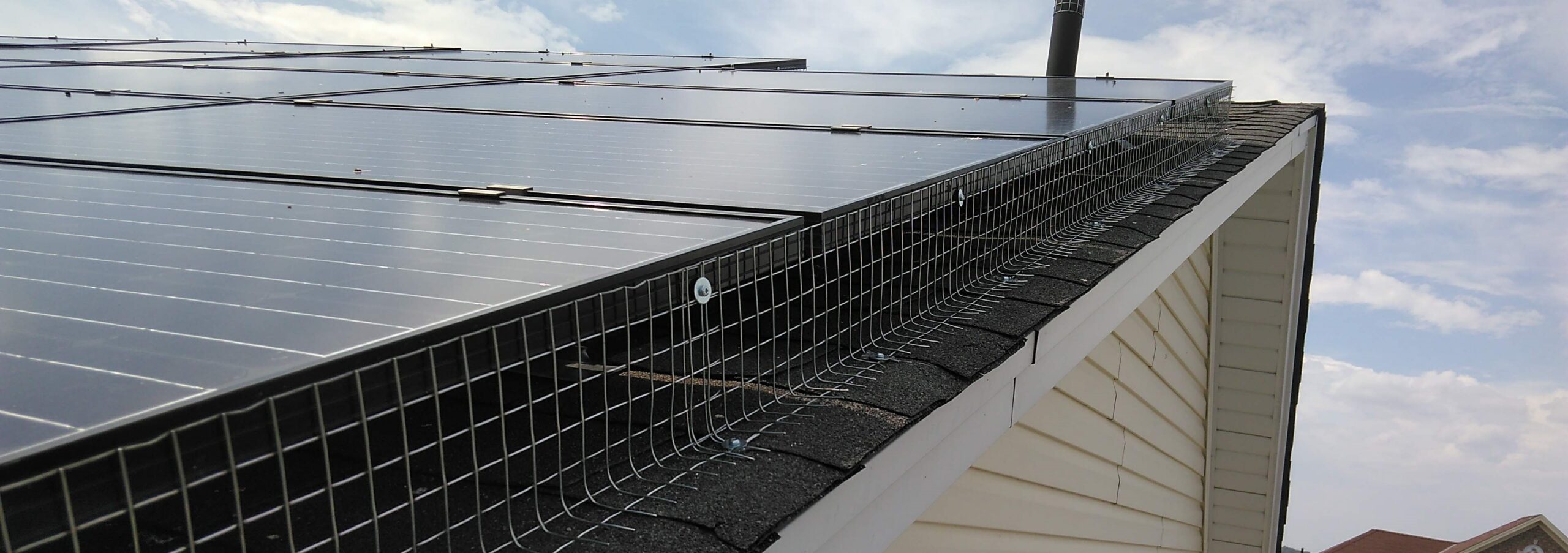
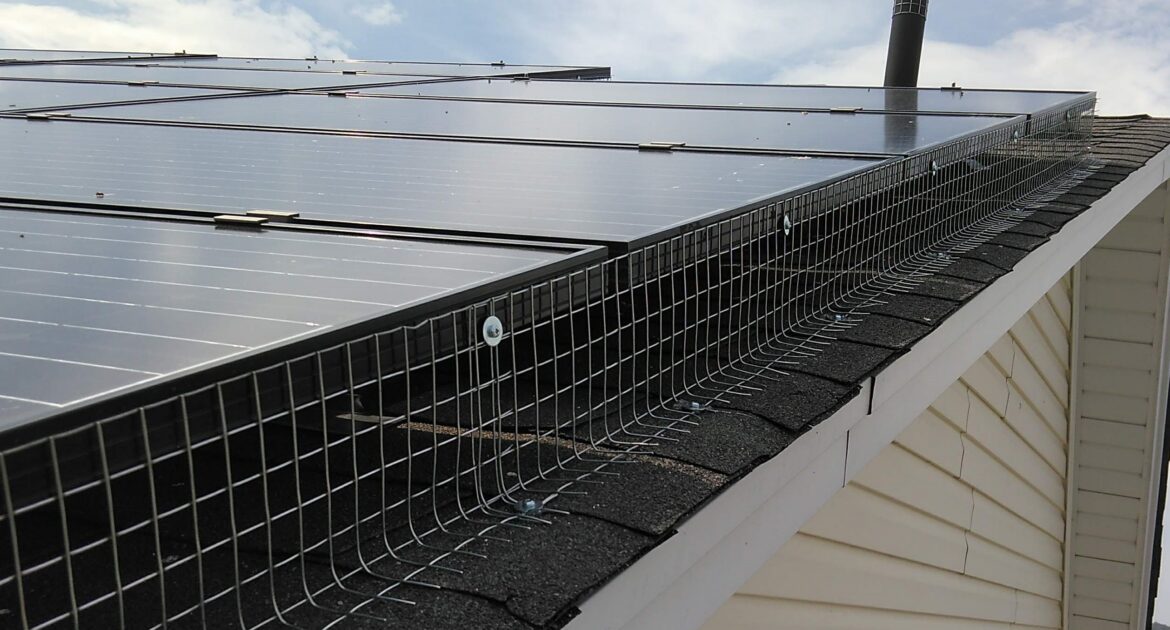
Smart Strategy #2: Preventing Roosting Along Rooflines and Ledges
You may not realize how inviting flat or sheltered surfaces become in winter. Ledges, soffits, and fascia boards offer rest areas that stay protected from wind, snow, and ice. When these areas are used again and again, they can slowly turn into nesting zones that are harder to manage over time.
- Roosting Leads to Surface Breakdown Over Time: Droppings and moisture collect where birds land day after day, especially during colder months. As temperatures rise and fall, freeze-thaw cycles cause these materials to wear down paint, sealants, and finishes faster. Small openings can develop, making it easier for animals to return or find new access points.
- Repeated Landing Creates Predictable Behaviour: Animals rely on memory to survive winter conditions. When the same ledge feels safe and undisturbed, it becomes part of a daily routine. That predictability allows activity to continue unless the surface itself is changed to remove comfort and stability.
- Winter Conditions Speed Up Exterior Wear: Snow, ice, and moisture already put stress on exterior materials during winter. When combined with constant roosting, that wear happens even faster. Preventing use of these areas helps protect both the structure of the home and how it looks from the outside.
By removing landing comfort, this strategy supports broader winter bird deterrent strategies that stop problems before they grow.
Smart Strategy #3: Protecting Vents and Openings From Blockage
You rely on vents to move air safely out of your home throughout the year. During winter, those vents release warm air that attracts animals looking for shelter from the cold. When nesting or resting happens near these openings, the risk to your home increases quickly.
- Blocked Vents Can Trap Moisture Inside the Home: When airflow is restricted, warm, moist air has nowhere to go. That trapped moisture can settle into insulation and surrounding materials, reducing how well they work. Over time, this can also affect indoor air quality and create damp conditions inside the home.
- Nesting Materials Increase Fire Risk Near Heat Sources: Dry nesting materials placed near exhaust vents or warm surfaces can heat up faster than expected. In winter, heating systems run longer and more often, which increases the risk when blockages are not noticed right away. Even small obstructions can become dangerous under constant heat.
- Hidden Damage Often Goes Unseen Until It’s Serious: Vent-related problems are easy to miss because they are often out of sight. Many homeowners only notice something is wrong after smells, condensation, or airflow issues appear. Addressing vent protection early helps avoid expensive repairs and ongoing damage later.
Vent protection plays an important role in humane bird control methods because it removes access while keeping animals safe and preventing repeat issues.
Smart Strategy #4: Reducing Visual Comfort and Routine
You may not think visual cues matter, but animals rely on familiar sights to judge safety. A calm, unchanged environment signals stability. Winter increases that need for predictability.
Subtle visual disruption makes a space feel unreliable. When surfaces change, movement appears, or reflections shift, animals stop settling in one place. This strategy works best when paired with exclusion and surface protection.
Visual deterrents alone don’t solve winter issues, but they strengthen winter bird deterrent strategies by breaking routines and discouraging repeat visits.
Smart Strategy #5: Eliminating Long-Term Attraction Signals
You reduce repeat activity when the home no longer sends signals of warmth or shelter. Winter behaviour is driven by survival, not curiosity.
Sealing gaps, managing airflow, and protecting previously used areas removes the cues animals depend on. Over time, this breaks seasonal patterns and helps keep birds away from home in the winter year after year.
This strategy focuses on prevention rather than response, which is why it’s central to humane bird control methods.
Smart Strategy #6: Full-Structure Coverage Instead of Spot Fixes
You may fix one area only to see activity shift somewhere else. Partial solutions leave opportunities open. Winter pressure pushes animals to explore until they find another option.
- Unprotected Areas Become the Next Target: When one access point closes, animals search nearby. Rooflines, siding transitions, and vents all need attention together.
- Patterns Follow Wind and Heat Flow: Winter winds and insulation gaps guide behaviour. A full inspection identifies where activity is most likely to move next.
- Consistent Coverage Prevents Seasonal Return: When the entire structure is protected, there’s no fallback option. That consistency is what makes prevention last.
This approach strengthens every other strategy and supports long-term results.
Smart Strategy #7: Plan for Long-Term Winter Prevention
You don’t want to deal with the same issue every winter. Prevention should hold up through more than one cold spell and continue working as weather conditions change. Long-term planning focuses on solutions that stay strong during snow, ice, and repeated freeze-thaw cycles without breaking down or shifting over time.
Materials and installations are chosen to last, not just to fix the problem for the moment. When prevention is built to remain effective year after year, animals are less likely to return once winter ends. You invest once and gain lasting protection, which is why long-term planning plays such an important role in helping keep birds away from home in the winter.
Humane Bird Control Methods With Our Professional Wildlife Team
You want solutions that work without harm and don’t create new problems later. Our professional wildlife team uses humane bird control methods that allow animals to leave safely while preventing them from getting back inside. One-way doors play a key role by guiding animals out without stress, followed by exclusion work that closes off entry points for good.
These strategies don’t rely on trapping or relocation, which can lead to repeat issues. Instead, the focus stays on changing how animals access the home and removing what draws them in during winter. By protecting vulnerable areas and reinforcing the structure, the risk of future activity is reduced over time.
A Smarter Way to Protect Your Home This Winter
You don’t need guesswork to make winter protection effective. The right winter bird deterrent strategies focus on access control, surface protection, and long-term prevention that holds up through cold weather. When these steps are done correctly, you can keep birds away from home in the winter without dealing with the same problem year after year.
You can request an estimate to learn more about humane bird control methods with our professional wildlife team. Skedaddle Humane Wildlife Control in Oakville is ready to help protect your home this winter using clear, proven solutions designed to last.

 Loading...