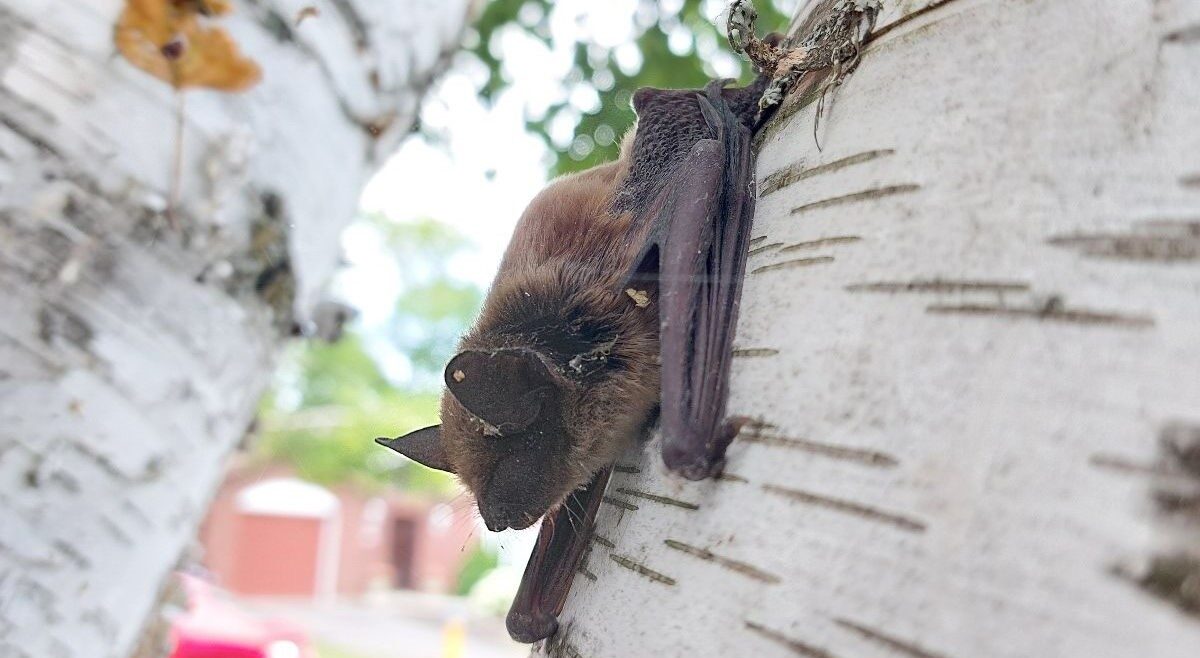
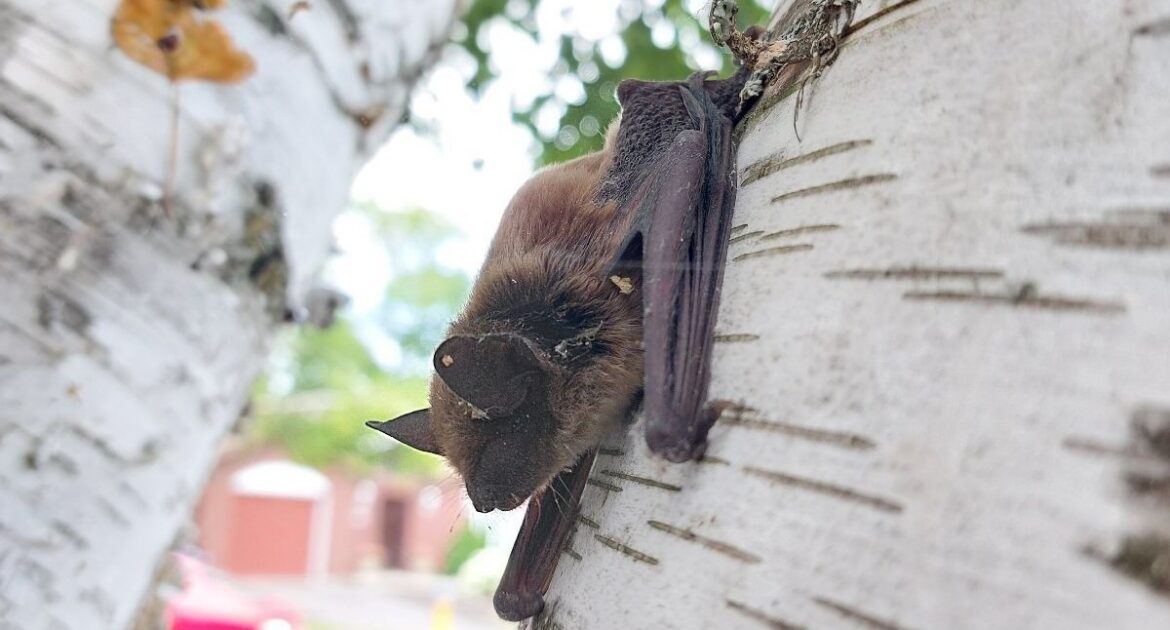
You may not notice bats right away, especially when they stay hidden in attics or wall spaces. At first, signs can be quiet and easy to miss. Over time, though, bats in a house can lead to real problems that affect both health and the structure of the home.
House damage from bats often starts small but grows as activity continues. Guano builds up, odours spread, and materials begin to break down. Bat infestation problems also create health risks that should never be handled without professional help. Knowing what harm bats could cause in a house helps explain why early action matters.
Skedaddle Humane Wildlife Control in Oakville provides humane solutions designed to keep homes protected while allowing animals to leave safely. In this blog, we explain the most common risks linked to bats in homes, including health concerns and long-term damage. We also explain how professional prevention helps protect your space safely and effectively.
Bat Guano Creates Serious Health Risks
One of the most common problems linked to bats in a house is the buildup of droppings, known as guano. Bat guano health risks increase as droppings dry out and collect over time. These risks are not always visible at first, especially when guano builds up in attics or wall spaces. Over time, even small amounts can affect air quality and comfort inside the home.
Health concerns connected to guano include:
- Airborne Particles from Dried Droppings: As guano dries, tiny particles can break apart and float into the air. Breathing these particles can irritate the lungs and cause breathing problems. Enclosed areas like attics make this risk higher. Air movement through vents can also spread particles to other parts of the home.
- Histoplasmosis Concerns: Guano can support fungal growth that affects breathing. When guano is disturbed, spores can become airborne and enter the lungs. This is why bat guano health risks should always be handled professionally. Proper safety steps are needed to limit exposure.
- Strong Odours Spreading Through the Home: As droppings pile up, strong smells develop over time. These odours can travel through insulation, vents, and small gaps. Living spaces may begin to smell musty or unpleasant. Odours often grow worse the longer guano remains in place.
House Damage From Bats Builds Over Time
House damage from bats does not usually happen overnight. Damage builds slowly as bats continue to use the same spaces. Hidden areas like attics and rooflines allow problems to grow without being noticed. Each season of activity adds more wear to the home.
Common forms of structural damage include:
- Insulation Breakdown: Guano and urine soak into insulation over time. This reduces its ability to control temperature. Wet insulation can sag, clump, and lose effectiveness. Heating and cooling costs may increase as a result.
- Staining and Material Wear: Bat urine is acidic and can damage building materials. Stains often appear on wood, drywall, or ceilings near activity areas. These marks can spread as exposure continues. Surface damage may hide deeper structural issues.
- Added Weight on Ceilings: Guano buildup can become heavy as it accumulates. This added weight puts stress on ceiling areas. In severe cases, ceilings may begin to sag. Early prevention helps reduce the risk of costly repairs.
Bat Infestation Problems Can Affect Sleep and Comfort
Bat infestation problems can change how a home feels day to day. Noise, movement, and activity often increase as colonies grow. These disturbances are most noticeable at night. Over time, comfort and peace inside the home can be affected.
Common disruptions include:
- Nighttime Sounds: Bats are most active after dark. Scratching, chirping, and movement may be heard through ceilings or walls. These sounds often repeat every night. Ongoing noise can make it hard to rest.
- Increased Activity During Warm Months: Warmer weather leads to more movement and noise. Spring and summer are active periods as young are raised. Activity levels may rise quickly during this time. Homes often feel less quiet at night.
- Unexpected Indoor Sightings: Bats may accidentally enter living spaces through vents or gaps. These encounters can be stressful and alarming. Indoor sightings often mean access points are nearby. Professional handling is needed to prevent repeat entry.
Parasites Can Follow Bats Into the Home
Bats can bring parasites into a house when they settle inside. These parasites may spread beyond attic spaces over time. Even after bats leave, parasites can remain active. This creates ongoing indoor pest concerns.
Risks linked to parasites include:
- Bat Bugs Entering Living Areas: Bat bugs are closely related to bed bugs. When bats move or leave, these insects may search for new hosts. They can spread into bedrooms and furniture. This adds another layer of infestation risk.
- Fleas and Mites: Fleas and mites may travel on bats or nesting materials. Once inside, they can move through walls and floors. These pests can affect people and pets. Professional control is needed to address them fully.
- Ongoing Infestation Cycles: If bats return, parasites may return as well. This keeps the problem active across seasons. Without proper exclusion, cycles can repeat. Full prevention helps break this pattern.
Entry Points Can Lead to Ongoing Damage
Bat infestation problems often begin with small openings. Bats can fit through very narrow gaps along roofs or siding. Once an entry point is used regularly, wear increases. Over time, damage can spread beyond the original opening.
Common entry-related issues include:
- Widening Gaps Over Time: Repeated use of an opening causes materials to wear down. Small gaps can slowly grow larger. This makes entry easier for bats and other animals. Damage often expands with continued activity.
- Roof and Siding Wear: Entry points near the roof can weaken shingles and siding. Weather exposure adds more stress. Moisture may enter through damaged areas. This increases the risk of structural issues.
- Repeat Access If Not Reinforced: Bats remember access points once they find them. If openings are not sealed after exclusion, return visits are likely. Long-term protection depends on full reinforcement. Proper sealing prevents future infestation problems.
Why Professional Bat Prevention Matters More Than You Think
Preventing bats from returning requires more than removal. Timing, inspection, and structure all play a role. Professional bat prevention focuses on protecting the home while keeping animals safe. When prevention is done properly, it reduces stress on the home and avoids repeat issues later in the season.
At Skedaddle, we use one-way doors that allow bats to leave but not re-enter. These doors are installed after careful inspection and only when the timing is safe for the animals. Once bats exit, entry points are sealed and reinforced to stop future access. This process prevents bat infestation problems without harming the animals or disrupting the home.
Skedaddle Humane Wildlife Control in Oakville provides professional bat prevention designed for long-term protection. Our approach addresses house damage from bats while reducing health risks linked to guano and buildup. Prevention is planned carefully so problems do not return year after year.
Protect Your Home From Bat-Related Harm
Bats can cause more than noise or inconvenience. House damage from bats, bat guano health risks, and ongoing bat infestation problems all affect safety and comfort. These issues often grow quietly, especially when bats remain hidden in attics or wall spaces.
Early professional prevention helps protect your home before damage grows. Acting sooner limits cleanup needs, structural stress, and health exposure. Prevention also helps avoid repeated seasonal activity once bats establish habits.
At Skedaddle Humane Wildlife Control in Oakville, we provide humane, professional solutions that protect homes while allowing wildlife to leave safely. Request an estimate to learn more about how professional bat prevention can help protect your home long-term.

 Loading...







