






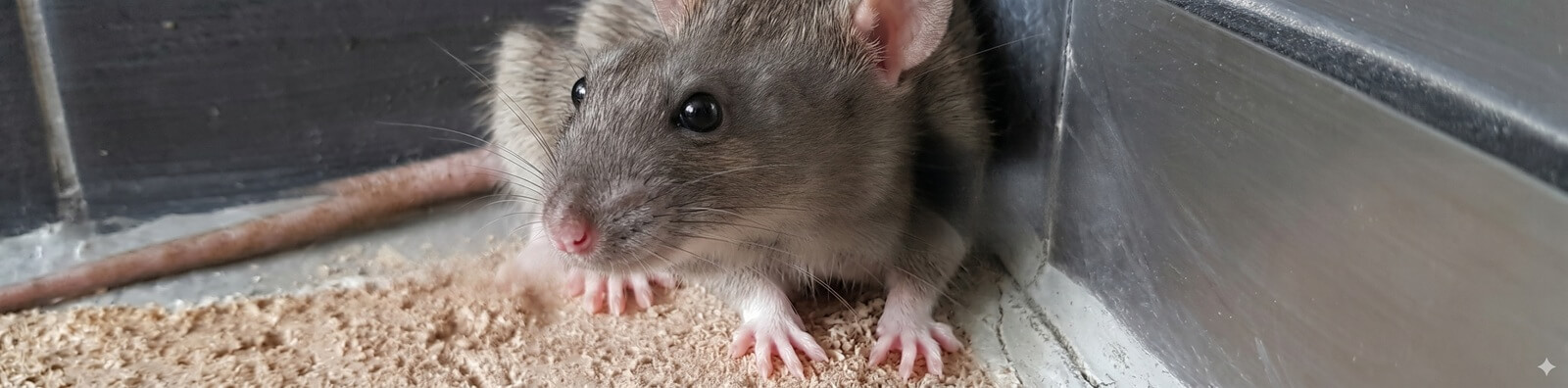


RAT REMOVAL PROCESS

Assess and Remove
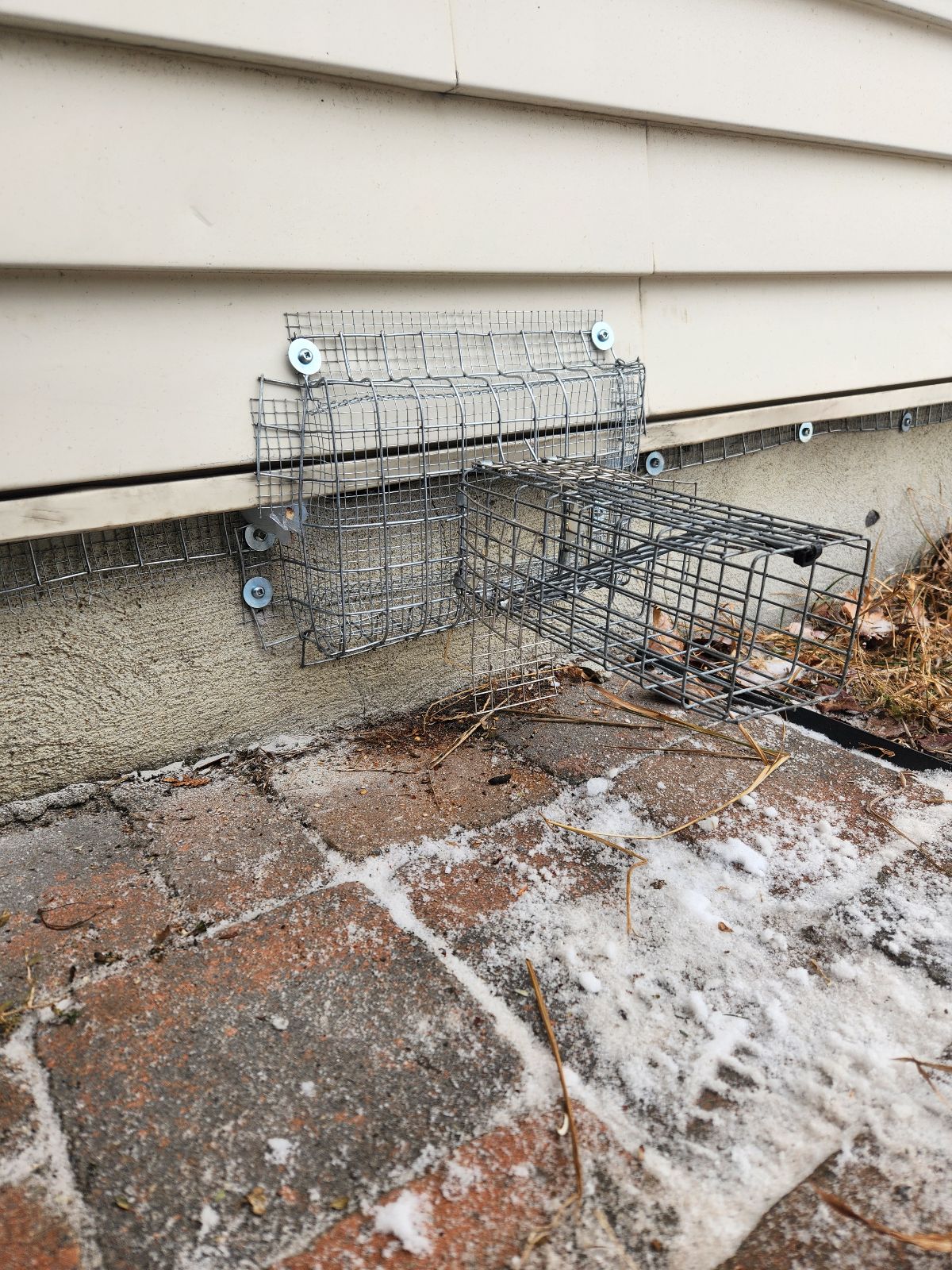
We perform a 35-point inspection using thermal imaging and advanced detection tools to locate entry points and activity zones. One-way doors allow rats to safely exit structures while preventing re-entry, ensuring a humane and effective resolution.

Clear and Clean
After removal, we thoroughly decontaminate affected areas, removing droppings, nesting materials, and pheromone trails. This step restores a safe environment while reducing the likelihood of repeat attractants or lingering contamination risks.

Prevent and Protect
We secure vulnerable areas using galvanized steel screening and proven “rat-proofing” techniques. This long-term prevention strategy seals entry points and protects your home from future wildlife intrusions.
Rats are one of the most adaptable wildlife species found in Oakville, and once they find a way into a home, they can quickly become a serious problem. With easy access to food, warmth, and shelter, residential properties near Lake Ontario, older neighbourhoods, and even newer developments are all at risk of infestation.
At Skedaddle Humane Wildlife Control, we have been solving rat infestations since our founding in 1989, bringing over 30 plus years of experience to homeowners across North America. We proudly serve neighbourhoods, including Bronte, Kerr Village, Glen Abbey, and Joshua Creek, offering customized, humane solutions designed to remove rats safely and prevent their return.
Humane Rat Removal Solutions for Lasting Results
Skedaddle provides humane rat removal using a one-way door system that safely removes rats without harm. Our technicians inspect attics, roofs, and foundations, seal entry points, and prevent re-entry. With over 30 years of experience since 1989, we deliver customized solutions, attic restoration, and a lifetime guarantee for long-term protection of your home.

A Seasonal Look at Rat Movement and Habits
Spring: Increased Nesting and Breeding
Spring marks the beginning of peak rat activity as temperatures rise and food becomes more accessible. Rats that survived the winter begin to breed rapidly, searching for secure nesting sites inside homes. Attics, wall voids, and crawlspaces become especially attractive as they provide warmth and protection for litters. Homeowners may begin to notice early signs of activity, such as scratching noises or droppings, as rats expand their territory and establish new nesting areas indoors.
Summer: Peak Feeding and Expansion
During the summer months, rats take advantage of abundant outdoor food sources such as gardens, garbage bins, and pet food left outside. However, they continue to explore homes for consistent shelter and water. Young rats become more independent during this time, leading to increased movement between indoor and outdoor spaces. In neighbourhoods like Bronte and Joshua Creek, warm weather encourages faster population growth. Open vents, damaged soffits, and cluttered outdoor areas often make it easier for rats to establish themselves closer to or inside homes.
Fall: Surge in Indoor Migration
Fall is one of the most critical seasons for rat infestations. As temperatures drop, rats begin actively seeking warm, secure shelter, often moving into homes in larger numbers. Attics, basements, and wall cavities become prime nesting sites. Properties near wooded areas and ravines, such as those around Kerr Village, are especially vulnerable during this migration period. Homeowners may notice increased activity, including scratching sounds and visible entry points around the roof. Without intervention, fall infestations often lead to long-term indoor colonies that persist well into winter.
Winter: Hidden Indoor Survival
During winter, rats rely heavily on indoor environments to survive cold temperatures. Once inside, they remain active within walls, ceilings, and insulation where warmth and food sources are available. Although less visible, their presence continues to cause damage throughout the season. Homeowners often hear faint noises at night or discover droppings in storage areas. In established neighbourhoods, older structures can provide ideal hidden pathways. Without proper exclusion, rats will remain indoors all winter, causing ongoing structural and health concerns.
What Makes Oakville Properties Attractive to Rats
Oakville’s combination of mature trees, waterfront access, and growing suburban development creates ideal conditions for rat activity. Many homes offer multiple entry opportunities due to structural wear and environmental factors.
- Gaps in rooflines, soffits, and attic vents
- Aging foundations in older homes
- Proximity to Lake Ontario, ravines, and green spaces such as Bronte Creek Provincial Park
- Outdoor food sources including bird feeders, pet dishes, and unsecured garbage bins
- Dense residential layouts in areas like Glen Abbey and Joshua Creek that allow easy movement between properties

How to Identify a Rat Problem Before It Grows
Early detection can prevent a minor issue from becoming a full infestation. Watch for:
- Scratching or scurrying sounds in walls or ceilings, especially at night
- Small dark droppings near food storage or along baseboards
- Gnaw marks on wood, wires, or packaging
- Shredded insulation or nesting material in hidden areas
- Greasy rub marks along walls or entry points
- Strong ammonia-like odours in enclosed spaces such as attics or basements
These signs often indicate that rats are already well established inside the structure.
How Skedaddle Safely Removes Rats from Homes
Before removal begins, our team completes a full inspection to understand how rats are entering and where they are nesting. Every home is different, so we create a tailored approach that focuses on safe removal and long-term prevention.
How Skedaddle Safely Removes Rats from Homes
Before removal begins, our team completes a full inspection to understand entry points, nesting areas, and infestation severity. Every home requires a tailored approach focused on long-term prevention.
Step 1: Full Home Inspection
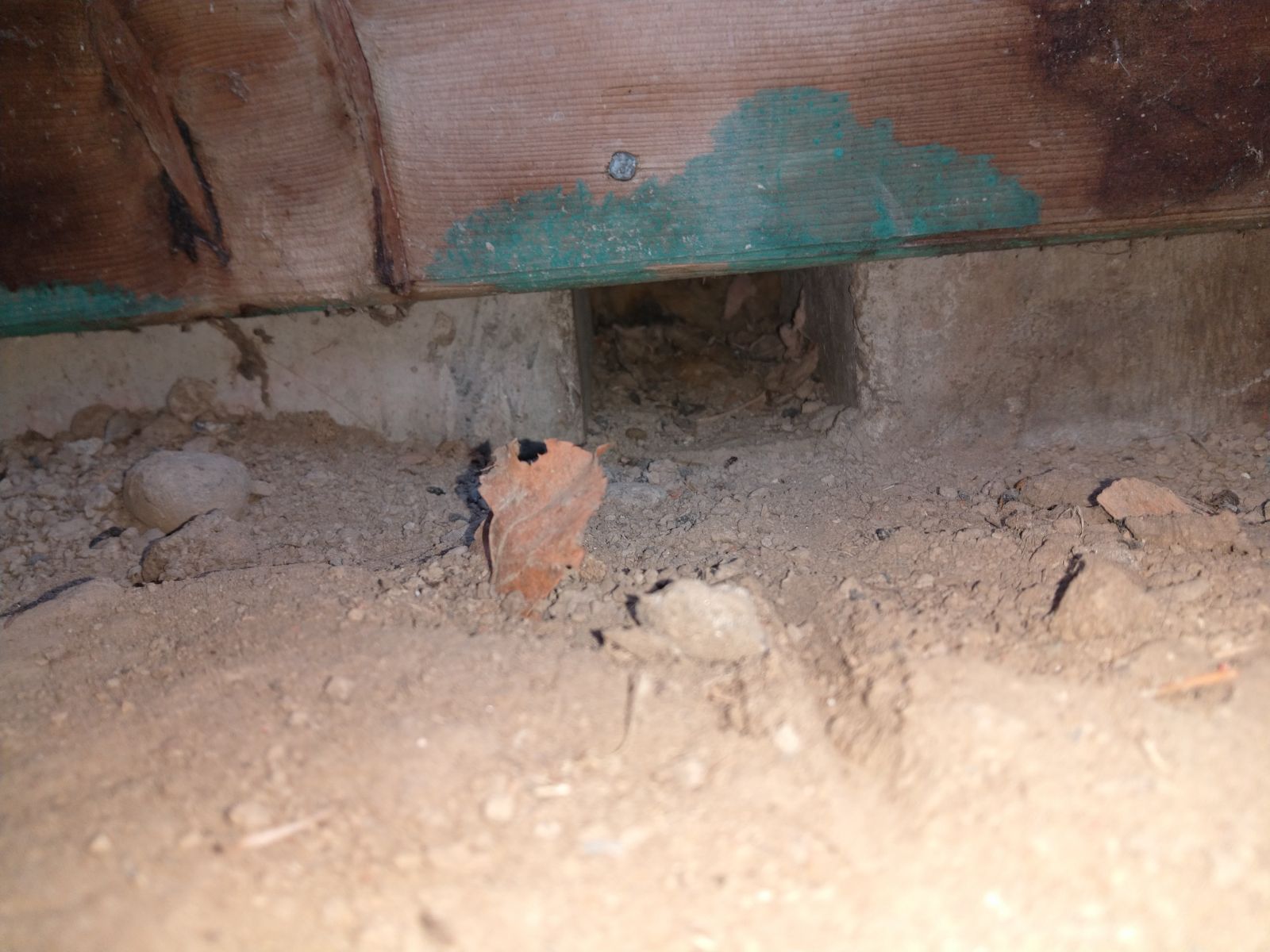
Our technicians conduct a detailed inspection of the entire property, including the roofline, attic, basement, and exterior foundation. We identify all entry points, nesting areas, and signs of activity. This allows us to fully understand how rats are accessing the home and what conditions are supporting their presence. In many homes, we discover hidden structural gaps that require precise identification before any removal work begins.
Step 2: Custom Removal Plan
Based on the inspection findings, we develop a customized removal strategy tailored to the specific infestation. Every home presents unique challenges, so we consider building structure, access points, and infestation severity. This plan outlines how rats will be safely removed and how future entry will be prevented. Our goal is always long-term protection, not temporary fixes, ensuring the problem is addressed at its source.
Step 3: Humane One-Way Exclusion Devices
We install specially designed one-way doors that allow rats to leave the home safely but prevent them from re-entering. This humane method ensures no trapping or harm occurs during the removal process. Over time, all rats naturally exit the structure in search of food. Once activity has stopped, we confirm that the home is clear before moving forward with sealing and prevention work.
Step 4: Entry Point Sealing
After all rats have exited, we permanently seal every identified entry point using durable, wildlife-resistant materials. This includes roof vents, soffits, foundation gaps, and utility openings. Proper sealing is essential to prevent future infestations, especially in homes where structural vulnerabilities are common. Our technicians ensure every potential access point is reinforced so that rats cannot re-enter the home under any circumstances.
Step 5: Attic Restoration and Cleanup
Once the home is secured, we remove contaminated insulation, droppings, and nesting debris from affected areas. Damaged insulation is replaced to restore energy efficiency and indoor air quality. This step is especially important in homes where attic contamination can spread odours and bacteria. We ensure the space is fully cleaned and restored, leaving the home in a safe, healthy condition after the infestation has been resolved.
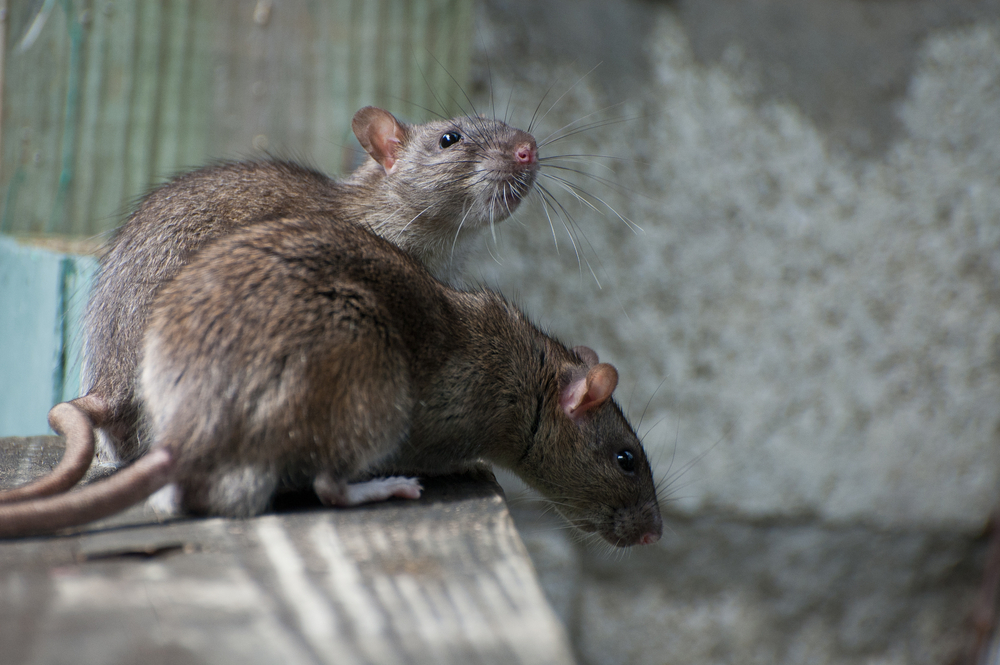
The Dangers of a Species Infestation Indoors
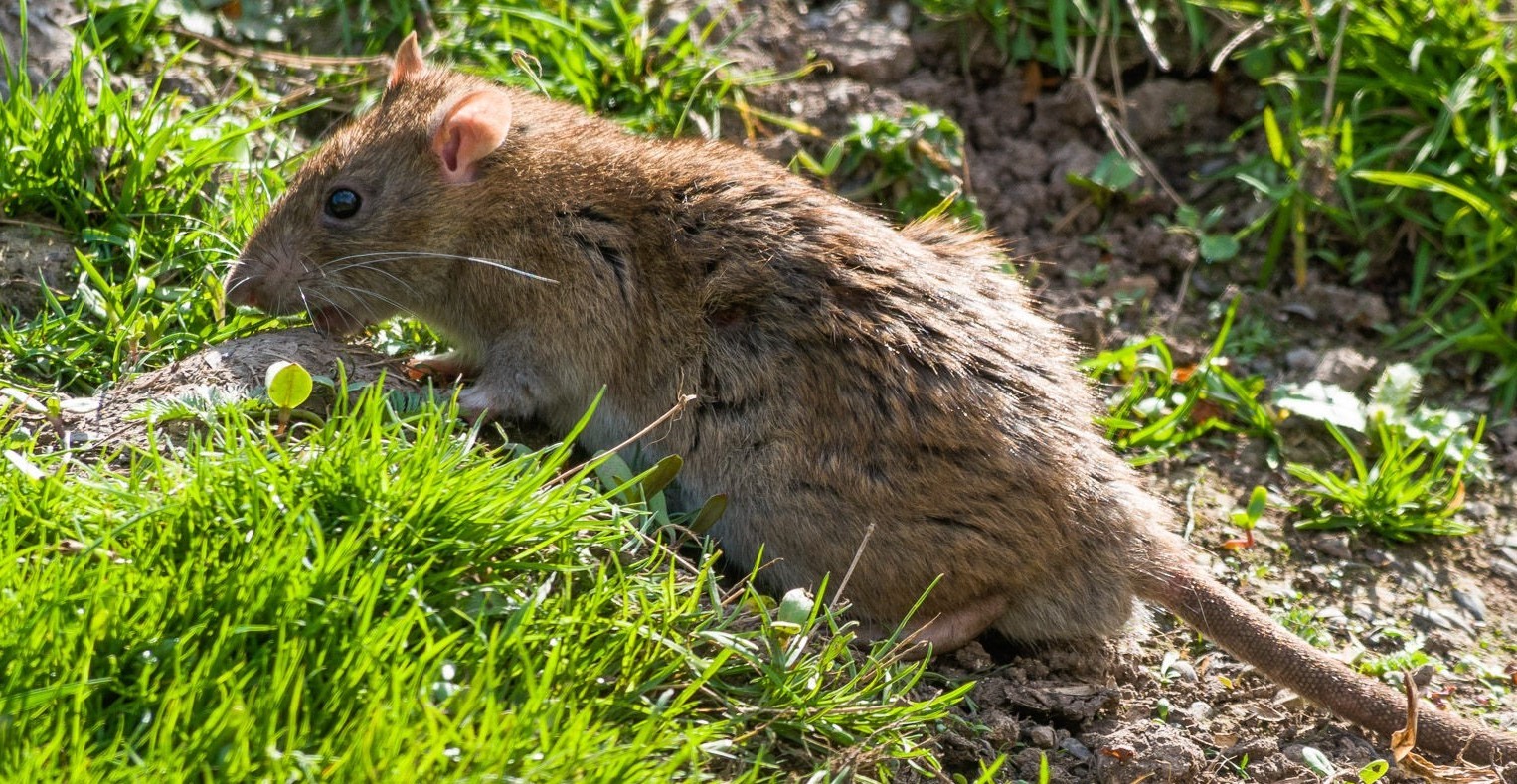
Rats pose serious health risks to homeowners. They can spread bacteria and diseases through droppings, urine, and contaminated surfaces. In enclosed spaces like attics and basements, this contamination can build up quickly without being noticed, creating long-term indoor air quality concerns.
They also cause significant structural damage. Rats chew constantly, often targeting electrical wiring, wood framing, and insulation. This behaviour not only leads to costly repairs but can also increase the risk of electrical fires if wiring becomes exposed or damaged.
Over time, an untreated infestation can escalate quickly. What begins as a small issue can turn into a widespread problem affecting multiple areas of the home, making professional intervention essential.
Regain Peace of Mind with Humane Rat Solutions
Rats in homes are more than just a nuisance; they are a persistent and destructive wildlife issue that requires professional attention. Understanding seasonal behaviour and early warning signs can help homeowners take action before the problem grows.
At Skedaddle Humane Wildlife Control, we combine experience, humane methods, and long-term prevention strategies to fully resolve rat infestations and protect your home.
Contact Skedaddle today to schedule a customized inspection and protect your Oakville home with proven humane wildlife solutions.
Skunks: What Are They Doing During Spring?
Rats In Your Yard? Landscaping Features That May Be Attracting Them
Why Summer Is Prime Time for Squirrel Attic Damage
Frequently Asked Questions
CALL US TODAY
1.888.592.0387
OR
Request for Services

