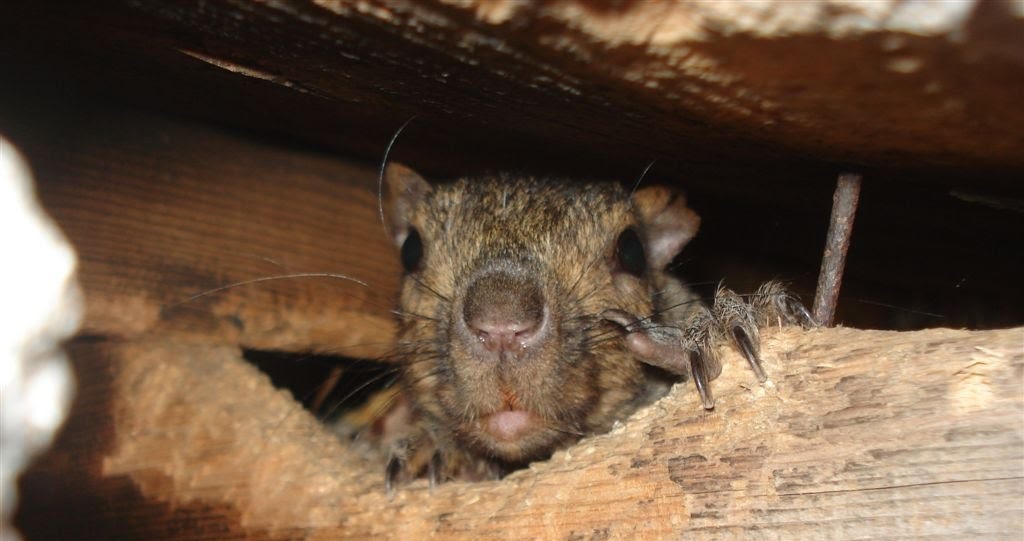
Summer is the perfect season to relax and enjoy the great outdoors, but it’s also a time when wildlife activity increases around your home. Animals like squirrels are busy finding shelter to raise their young, and unfortunately, your attic often becomes a top choice.
During late summer, squirrels may give birth to their second litter of the year, and their babies need a safe place to grow. At the same time, the young squirrels born earlier in the year are learning to explore their surroundings, resulting in a surge of activity. This lively behavior can lead to chewing through wires, nesting in insulation, and causing damage to your home.
If you’ve noticed scratching or scurrying noises coming from your attic, it’s a sign that squirrels may have moved in. That’s where Skedaddle Humane Wildlife Control in Oakville can help. With our professional and humane methods, our team ensures the squirrels are removed safely and your home is properly sealed to prevent further entry.
This blog will break down why squirrels are so active during the summer months, the damage they can cause, and how our trusted services can protect your property from unnecessary and costly repairs.
How many babies do squirrels have?
A mother typically has two to four babies per litter, though she can sometimes have up to six. They usually give birth twice a year, once in early spring and again in late summer. This late summer breeding season is a major reason why activity spikes when the weather gets hot.
When giving birth, the mother needs a very safe, warm, and dry place to nurse her young. Your roof provides the perfect shelter away from natural predators. She will fiercely protect her babies, meaning you should never approach them. Because the babies are completely dependent on their mother for the first few months, our team uses specialized, hands-on techniques to keep the family together safely during the removal process.
The Main Reasons Summer Causes Trouble
You might think winter is the only time squirrels seek shelter in your house. However, summer brings its own unique set of problems. The warmer weather changes how these squirrels behave, leading to a huge increase in property damage.
Here are the main reasons why summer is prime time for squirrel attic damage:
- Second Breeding Season: Many squirrels have a second breeding season in late summer. This means mothers may give birth to another litter during the warm months. More babies in the nest means more squirrels living and moving inside your attic.
- Active Young: By summer, the babies born in spring are growing fast and becoming independent. They begin exploring their surroundings and learning how to climb, chew, and search for food. This new activity often leads to more noise and damage inside the home.
- Seeking Protection: Summer storms, heat, and predators push squirrels to look for safe shelter. Your roof and attic offer a dry and protected space where they can hide. Once they find a secure place, they may stay for long periods of time.
- Constant Gnawing: Squirrels must chew often to keep their teeth from growing too long. They gnaw on wood, plastic, and other materials around your home. They also gather pieces of insulation, twigs, and debris to build nests.
Young and Energetic Squirrels
By the time summer arrives, the squirrel babies born in the spring are growing up fast. They are no longer tiny infants staying quietly in a nest. Instead, they are energetic juveniles learning how to survive. This high level of activity directly impacts the condition of your property.
When young squirrels start moving around your house, you will notice several issues:
- Loud Noises: You may hear running, scratching, or scurrying above your ceiling. These sounds can happen early in the morning or throughout the day. Young squirrels move constantly as they explore their surroundings.
- New Entry Points: As they practice climbing, young squirrels often push and chew at weak areas of the roof. This can create new holes along rooflines, vents, or eaves. Even small openings can quickly become larger entry points.
- Messy Areas: Young squirrels often bring leaves, twigs, and outside debris into the attic. They use these materials to build nests or explore their environment. This can leave your attic dirty and cluttered.
This constant movement causes serious wear. As they run around, they compress your insulation and make it far less effective at keeping your home cool.
Summer Food Shortages Push Squirrels Indoors
Summer may seem like a time when food is everywhere, but it can actually be a challenging season for squirrels. Many of the nuts and seeds they rely on are not ready yet. Gardens and garbage bins become tempting food sources, which brings squirrels closer to homes. As they explore neighbourhoods looking for food, they often discover easy access points on roofs.
Attics also offer a safe place to store food. Squirrels are known for collecting and hiding food for later use. If they find a quiet attic space, they may start bringing in seeds, nuts, and other items. Over time, this can create a messy and unsanitary environment inside your home.
Once squirrels begin using your attic for shelter and food storage, they tend to return often. They may chew wood, insulation, and wiring while moving around the space. This constant activity increases the risk of damage to your roof and attic. Acting quickly helps prevent these problems from growing worse.
Severe Summer Property Damage
The most dangerous part of having these creatures in your house is their need to chew. As rodents, their front teeth never stop growing. To keep their teeth filed down, they will gnaw on almost anything they can find.
During the summer, this destructive habit leads to severe damage:
- Chewed Electrical Wires: Squirrels often chew the plastic covering on electrical wires. This can expose the metal inside and create a serious fire risk. Damaged wiring may also cause power problems in the home.
- Ruined Insulation: Squirrels tear apart insulation to create soft nests for their young. Once insulation is ripped or flattened, it cannot protect your home properly. This can make your house harder to cool during the summer.
- Broken Wood: Squirrels may chew on wooden beams, roof edges, and structural parts of the attic. Over time, this chewing can weaken important areas of the roof. Structural damage can become expensive to repair.
- Torn Vents: Plastic roof vents are easy for squirrels to break through. They claw and chew until the vent cover opens. Once inside, they have direct access to the attic space.
When you notice this damage, you need our team to step in right away.
Why Squirrels Loves Oakville Neighbourhoods
Oakville is known for its beautiful neighbourhoods filled with large trees and green spaces. These natural areas create a perfect environment for wildlife to live and grow. Areas near Lake Ontario and local creeks support large squirrel populations. When summer heat arrives, many squirrels start searching for cooler and safer shelter.
Older homes in Oakville often have tall trees close to the roof. Tree branches can act like a natural bridge that leads squirrels straight to the shingles. From there, it becomes easier for wildlife to explore vents, roof edges, and attic spaces. These access points can quickly turn into entry points if they are not protected.
Newer neighbourhoods are not completely safe from wildlife problems either. Squirrels are quick to find weak vent covers or small gaps in siding on newer homes. Even a tiny opening can be enough for them to get inside. Our technicians know how Oakville homes are built and where squirrels are most likely to enter.
Why Professional Wildlife Removal Matters
Protecting your home from wildlife takes proper tools and experience. Homeowners should never try to seal holes or remove squirrels on their own. If a mother squirrel is trapped outside, her babies may still be inside the home. This can create bigger problems and cause serious stress for the squirrels.
When you contact Skedaddle, we begin with a full inspection of your property. Our team carefully checks the roof, vents, soffits, and siding for entry points. We also look for signs of nesting or damage caused by wildlife. This helps us create the safest and most effective plan.
Our technicians use special one-way doors to remove squirrels humanely. These devices allow wildlife to leave the home safely but stop them from coming back inside. After the squirrels are gone, we secure the entry points with heavy-duty materials. This protects your home and helps prevent future wildlife problems.
Frequently Asked Questions
Do these squirrels carry diseases?
Yes, they can carry parasites such as fleas and ticks. These parasites may spread to your pets or other squirrels around your home. Some wildlife can also carry bacteria or viruses that pose health risks to people and pets.
Will they leave my house on their own?
No, they will not simply leave once they find a safe place to stay. Your attic or roof space offers warmth, shelter, and protection from predators. As long as the space remains safe, they will continue to use it as their home.
How long do they stay inside?
If left undisturbed, they can stay for several months. Many squirrels remain while raising their babies and protecting them from weather and predators. They usually leave only when they are safely removed or forced out.
How do they get onto my roof?
These squirrels are very strong and skilled climbers. They can jump from nearby tree branches or climb rough surfaces like brick or siding. Downspouts, fences, and nearby structures also make it easy for them to reach the roof.
Why do they chew on wires?
Many squirrels chew because their front teeth grow constantly. Chewing on materials like wood, plastic, or wiring helps wear those teeth down. Unfortunately, this behaviour can damage electrical systems and increase the risk of fire.
Keep Your Roof Safe and Request an Estimate Today
Summer should be a time to relax and enjoy, not stress over the damage wildlife could cause to your roof or home. During this season, many squirrels are more active, raising their young and looking for safe spaces to nest. Unfortunately, this can lead to chewed wires, torn insulation, and holes that drive up repair costs. It can feel overwhelming, but you don’t have to handle this on your own. Trying to remove the squirrels yourself or block off access points could put you at risk and make the problem worse.
At Skedaddle Humane Wildlife Control in Oakville, we are here to help. Our skilled team uses humane and effective methods, including one-way doors, to safely remove wildlife while protecting your family and home. Once the squirrels are gone, we’ll seal any entry points to prevent future invasions. You can trust us to restore your home’s safety and peace of mind, allowing you to focus on enjoying your summer.
Don’t wait until the damage worsens—contact us today for an estimate and to learn more about our expert wildlife removal services. With our help, you can have a worry-free summer and a home protected from wildlife intrusions.

 Loading...







