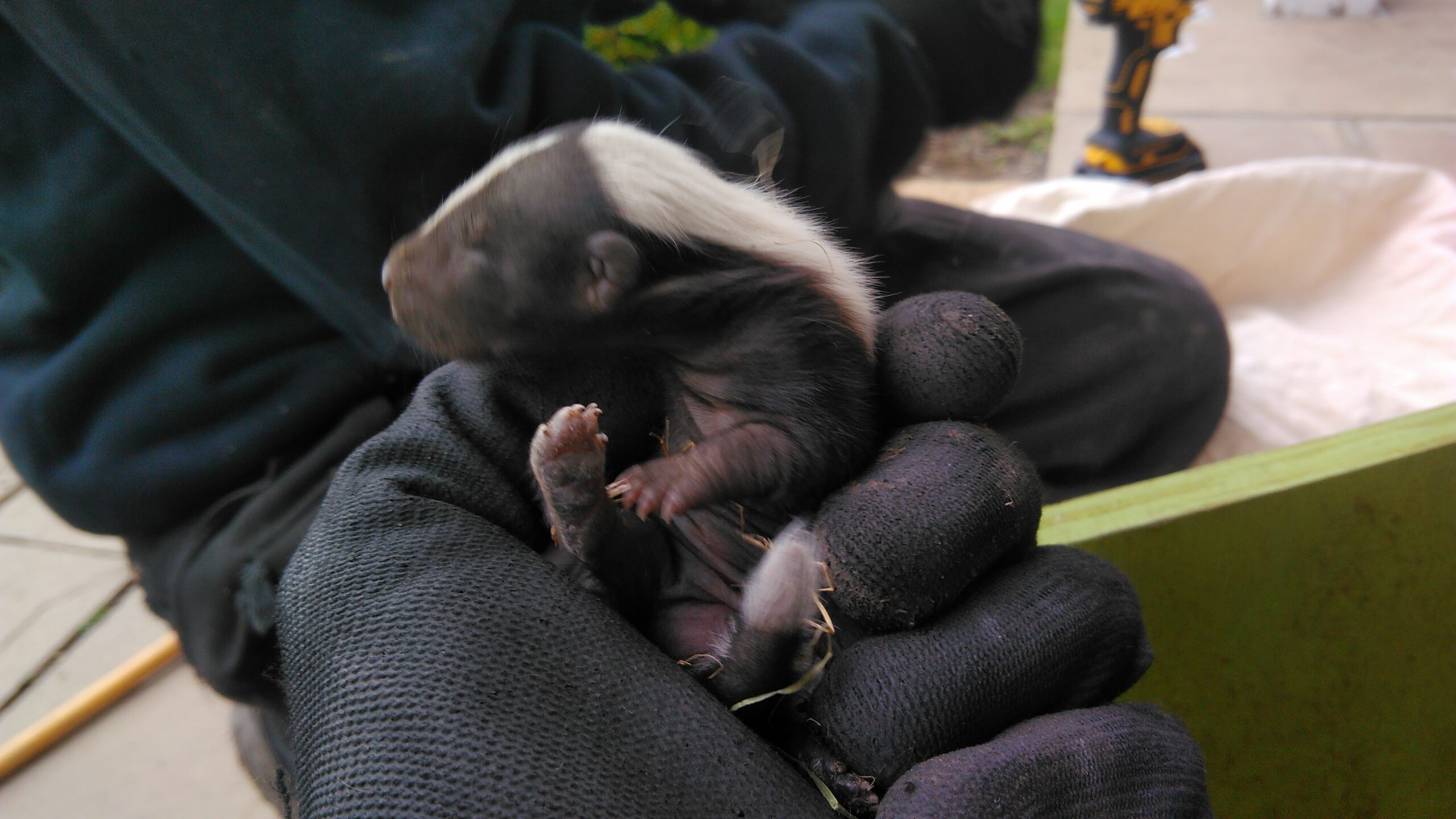
In the spring, skunks wake up from their winter sleep to search for food, find mates, and build dens for their babies. You might notice more holes in your lawn or a strong smell around your house as the weather warms up. After resting all winter, these black and white animals are very hungry and extremely busy.
If you live in an urban or suburban neighbourhood, your yard offers the perfect place for them to find grubs and set up a safe home. Homeowners need to know what to look for before a mother moves her young under the porch. Spring brings new life, but it also brings wildlife right to your doorstep. You may spot them wandering around at dawn or dusk, looking for a quick meal. They are not trying to cause trouble, but their digging and spraying can quickly ruin your landscaping.
In this blog, we will explain exactly what these animals are up to as the snow melts. We will cover everything from their mating habits to their search for the perfect den. You will discover the signs to watch out for around your house. Finally, you will learn how the team at Skedaddle Humane Wildlife Control in Oakville can safely keep them away from your family.
What month are skunks most active?
Skunks are most active during the months of February and March, which is their peak breeding season. During this time, males travel long distances to find a female partner. You might see them crossing roads or wandering through your yard late at night. Because they are moving around so much, they often run into pets, cars, or people. This high level of movement is why you smell their spray so frequently in the early spring.
Once April and May arrive, the females become very active as they prepare to give birth. They spend a lot of time digging and foraging to build up their energy. While the males settle down after mating, the mothers are just getting started. You will often see them hunting for food right at dawn or dusk to feed their growing babies.
Breeding and Mating
When the weather begins to warm up in late winter, the mating season officially begins. Male skunks wake up from their deep winter rest with one main goal in mind. They will walk up to two miles in a single night just to find a mate. You might notice their strong scent drifting through the air as they travel from yard to yard.
Females usually stay closer to their dens and wait for the males to find them. If a male approaches a female and she is not interested, she will quickly defend herself. She will stomp her feet, raise her tail, and spray him to make him leave. This common interaction is why the familiar musky smell is so strong during the spring months.
Because these animals are moving around so much, they are easily startled by sudden noises. You might accidentally scare one if you take your dog out for a late-night walk. If they feel threatened, they will use their spray to protect themselves. It is always best to keep your distance and give them plenty of space during this busy season.
Searching for Den Sites
After mating, female skunks need to find a safe place to raise their babies. They look for dark, quiet spots that will keep their kits protected from predators and bad weather. Often, these spaces are close to people’s homes without them even noticing. You might find them trying to move into these areas of your property:
- Under the Deck: The space beneath a low wooden deck is dark, dry, and hidden from predators. It offers the perfect shelter for a mother looking to build a nursery. You might see small piles of dirt near the edge of your deck where she has dug her way inside.
- Beneath the Porch: Concrete steps or wooden porches often have small gaps underneath that are easy to squeeze into. These solid structures protect the animals from harsh spring rain and strong winds. If you hear scratching noises near your front door, a mother might be making a nest.
- Inside the Shed: Garden sheds that are raised slightly off the ground provide an excellent hiding spot. The soft soil underneath is very easy for these animals to dig through. They will build a cozy den right below where you store your lawn tools.
- Under Concrete Slabs: Sunrooms or home additions built on concrete slabs can have loose dirt around the edges. These animals are excellent diggers and will tunnel right under the heavy concrete. Once inside, they feel completely safe from larger animals and humans.
Giving Birth to Young (Kits)
Late spring is a very important time because this is when the babies, called kits, are born. A single mother can have a litter of anywhere from three to ten babies in May or June. When they are first born, they are very small, blind, and completely helpless. They rely entirely on their mother for food, warmth, and protection during their first few weeks of life.
Because the babies cannot see or walk, the mother is extremely protective of her den. She will only leave for short periods of time to find food for herself. If you or your pets get too close to her hiding spot, she will defend her family aggressively. You should never try to approach a nest, as the mother will not hesitate to spray.
You might not even see the babies until they are six or seven weeks old. By this time, their eyes are open, and they are ready to follow their mother outside. You may spot a line of tiny black and white kits walking through your grass in the evening. While they look cute, having a wild family living under your house can lead to serious property damage.
Intense Foraging and Digging
After a long winter of sleeping and eating very little, these animals wake up extremely hungry. They need to find food quickly to regain their strength, and your yard provides a great buffet. From insects and grubs to small plants, their sharp claws are perfect for digging up meals from your lawn. While they are just trying to survive, their intense foraging can leave your yard with noticeable damage.
- Hunting for Grubs: As the ground thaws out, beetles and worms come right to the surface of the soil. These animals have long, strong claws that are perfect for digging up these tasty treats. You might wake up to find dozens of small, cone-shaped holes scattered across your lawn.
- Catching Small Rodents: Spring is also when mice and voles become much more active in your garden. Skunks are skilled hunters and will gladly eat these small rodents for a quick meal. This natural pest control is helpful, but their hunting methods can still damage your landscaping.
- Scavenging for Pet Food: Leaving a bowl of cat or dog food on your back porch is an open invitation for skunks. These hungry animals have an excellent sense of smell and will travel far for an easy meal. You should always bring your pet dishes inside before the sun goes down.
- Raiding the Garbage: If your trash bins are not secured tightly, you might find a mess in the morning. A hungry animal will easily knock over a light garbage can to find leftover food scraps. Keeping your bins locked in a garage is the best way to prevent this problem.
Increased Activity Around Homes
Springtime brings more skunk activity as animals emerge from their winter shelters in search of food and safe places to live. Because they are searching for food and shelter, you are much more likely to see them near your house. Your residential property offers everything they need to survive the spring season – food, water, and protection. While it can be exciting to spot skunks, it’s important to take precautions to prevent unwanted visits.
- Exploring Gardens: Your flower beds are full of soft soil, making them very easy to dig through. Animals love to root around the fresh mulch looking for insects and hidden seeds. You might find your newly planted spring flowers completely dug up and ruined.
- Visiting Bird Feeders: Birdseed that falls from the feeder to the ground is a tasty snack for a hungry animal. They will visit the area under your feeders every night to clean up the leftovers. Removing spilled seed daily will make your yard much less attractive to them.
- Hiding in Woodpiles: A large stack of firewood provides a dark and quiet place to rest during the day. If the wood is stacked directly on the ground, they can easily squeeze underneath the bottom logs. You should always keep your firewood raised off the grass to keep skunks away.
Skunk Spring Behaviour
Understanding how these animals behave can help you stay safe when you spot one in your yard. They are generally peaceful creatures that prefer to avoid humans and larger predators whenever possible. They only become defensive when they feel trapped, threatened, or startled by sudden movements. If you give them plenty of space to escape, they will usually waddle away without causing any trouble.
Before they decide to use their famous spray, they will give you several clear warning signs. They will stomp their front feet loudly on the ground and shake their black and white tails. If you see an animal doing this, you need to back away slowly and quietly. Ignoring these warnings will result in a strong, oily spray that is very difficult to wash off.
During the spring, you might also notice them acting a little dizzy or confused. Sometimes they eat fruit that has fallen from trees and fermented on the warm ground. This fermented fruit can make them act strange, almost like they are slightly drunk. Even if they look harmless, you should always leave them alone and call a professional for help.
Professional Skunk Prevention Solutions
Keeping skunks away from your home requires professional knowledge and the right tools. Homeowners should never attempt to block holes or remove animals on their own. If you block an entry point while a mother is away, her babies will be trapped inside your walls. Our experts know exactly how to handle these delicate situations safely and effectively.
At Skedaddle, we use specialized one-way doors that allow skunks to leave your property unharmed. Once they exit through the door, they cannot get back inside to their den. This method is the safest way to ensure the mother and her babies can safely move to a new location. Our methods focus entirely on safe, humane exclusion to solve your skunk problems permanently.
After the skunks are gone, we secure your home to stop future problems, including keeping rats and other animals away. We dig a deep trench and install heavy-gauge screening around your deck or porch. This physical barrier stops any new wildlife from digging their way back under your house. Let our professional wildlife team do the hard work so you can relax.
Springtime Skunks in Oakville
Spring in Oakville brings warmer weather, blooming flowers, and, unfortunately, skunks looking for new places to call home. During this season, skunks are often found under porches, decks, or sheds as they search for areas to nest and raise their young. While these animals are not aggressive by nature, they can cause problems with their digging and the strong smell they release when threatened. Skunks can also carry diseases, so it’s important to address these issues quickly and safely.
One of the best ways to prevent skunks from setting up shop on your property is to secure potential entry points. Skunks can easily dig under structures like porches or sheds to make a den. By installing sturdy barriers, such as heavy-duty screening, you can stop them from burrowing. It’s also a good idea to keep your garbage bins sealed and food sources like pet bowls or compost heaps out of reach. These simple steps can help reduce the risk of attracting skunks to your yard.
If you already have a skunk problem, it’s important to handle it carefully. Skunks should always be removed in a safe and humane way to protect both the animals and your family. Trusting our professional wildlife removal service ensures that the problem will be handled properly and permanently. Experts use specialized techniques to relocate skunks and secure your home against future issues. With the right help, you can enjoy your spring in Oakville without any unwelcome visitors.
Frequently Asked Questions
Do skunks hibernate during the winter?
No, they do not truly hibernate like bears do. They enter a deep sleep called torpor to conserve energy during very cold periods. On warmer winter days, they will wake up and leave their den to search for food. This means they can still be active around your property even in the winter.
How far can skunks spray their scent?
They can accurately spray their strong scent up to ten or twelve feet away. The spray is very powerful and can reach its target with surprising precision. Even if you are farther away, the smell can travel through the air and linger for a long time. This is why it is important to keep a safe distance at all times.
What should I do if I find a den under my porch?
You should avoid the area completely and keep children and pets far away. A den usually means there is a mother and possibly babies inside. Blocking the entrance or disturbing the space can make the situation worse. It is always best to call our professional wildlife control team to handle it safely.
Are skunks dangerous to humans?
They are not aggressive and will usually try to avoid people whenever possible. However, they will defend themselves if they feel trapped or threatened. They can carry diseases and parasites that may pose health risks. This is why you should never try to approach or handle them yourself.
Can I clean up the skunk droppings myself?
No, homeowners should never attempt to clean skunk droppings on their own. The waste can contain harmful bacteria, parasites, and airborne particles. Disturbing it without proper protection can put your health at risk. Our trained professionals have the right equipment to safely clean and sanitize the area.
Got Skunks? Reclaim Your Yard This Spring
Spring is a wonderful season filled with blooming flowers and warmer weather, but it can also bring challenges if skunks takes over your yard. Animals like raccoons, skunks, or squirrels may move into your property, leaving behind messes and causing costly damage. They may dig up your garden, chew on wires, or even spray your pets, creating stress and frustration. Fortunately, you don’t have to deal with this on your own.
At Skedaddle Humane Wildlife Control, we specialize in safely and humanely removing unwanted animals from your property. Our team uses proven techniques to ensure that animals leave and cannot come back. We take pride in protecting your home while also respecting skunks. If you think animals might be making a home under your deck, in your attic, or elsewhere on your property, don’t wait for the problem to get worse.
Contact Skedaddle Humane Wildlife Control in Oakville today for a custom estimate. Our professional team is ready to help you restore peace to your yard and protect your property for the long term. Trust us to do the hard work, so you can enjoy all the beauty and joy that spring has to offer.

 Loading...