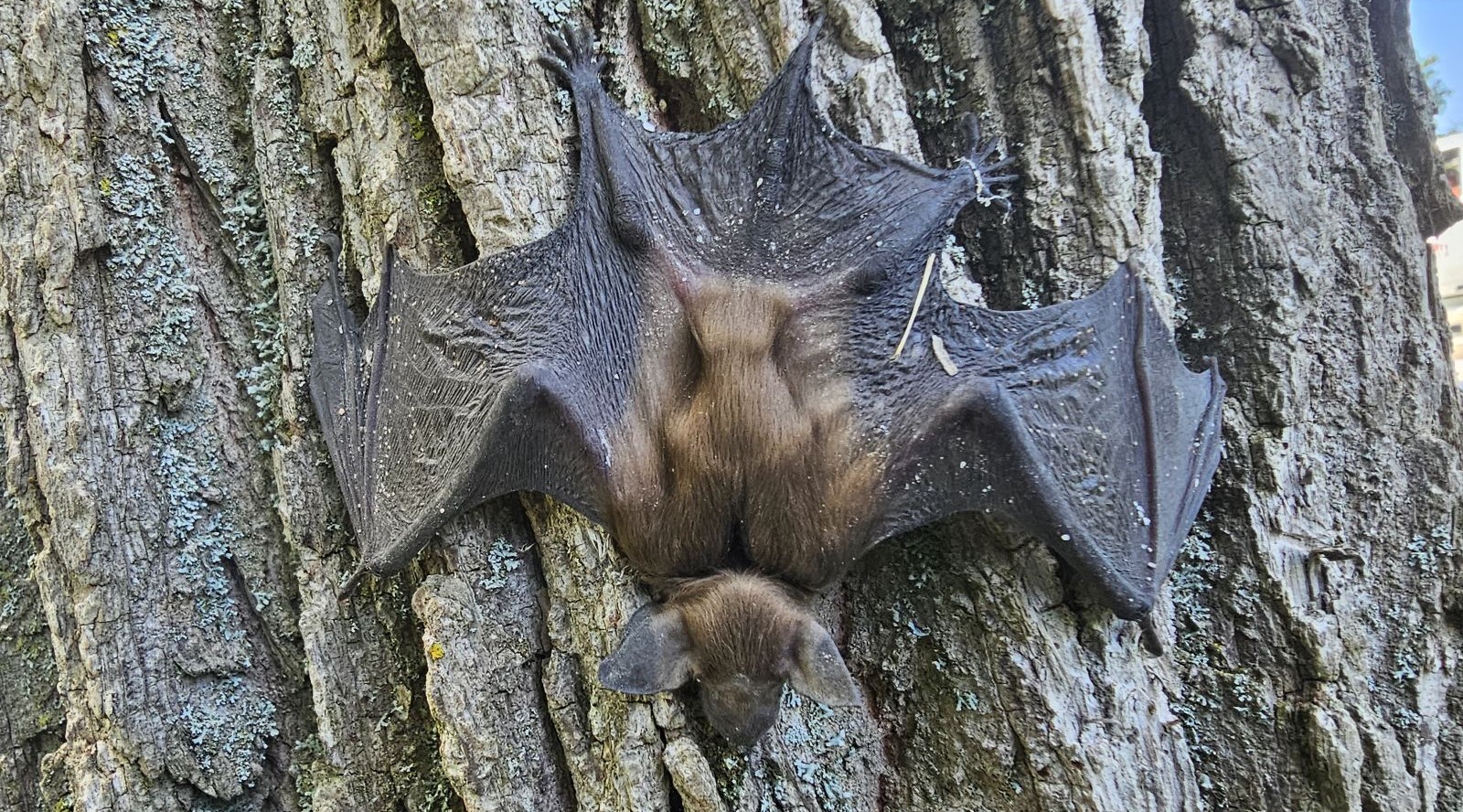
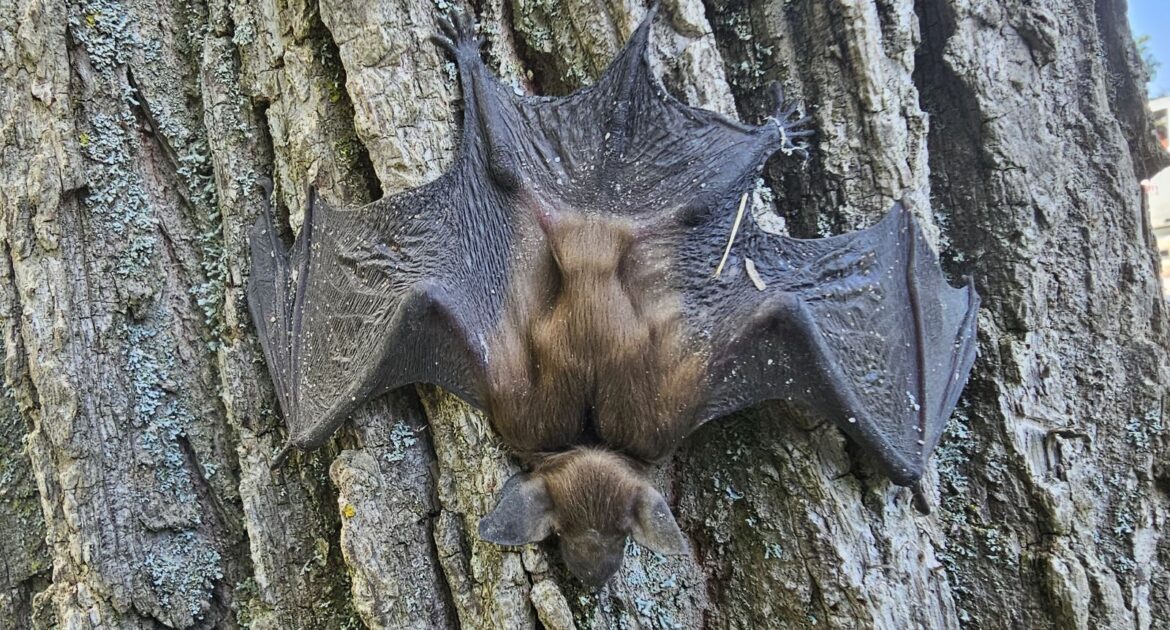
You care about your family’s safety, especially your children. When you hear about bats getting into homes in Pickering, your first thought might be: are bats dangerous to children? The short answer is yes, they can be. These animals may look small, but they can spread disease and cause big health problems if they are inside your house.
That’s why knowing how to protect your loved ones is so important. You need clear, simple steps to keep your home safe. With the right bat safety tips for families, you can make sure your kids are not exposed. Protecting children from bat exposure takes quick action and professional support. Skedaddle Humane Wildlife Control in Pickering provides a humane animal removal guarantee that keeps your family safe and your home protected.
In this article, you’ll learn what dangers bats bring, how they get inside, signs you should watch for, and the best steps for protecting your children. You’ll also get practical bat safety tips for families that help lower risks around your home.
Why Bats Are a Risk to Children
Children are naturally curious. If they see a bat in the house, they might want to touch it or get too close. That’s where the danger begins.
- Rabies Risk: While rare, bats can carry rabies. A small bite or scratch can be enough to pass the virus. Rabies is almost always fatal if untreated, which makes any possible exposure a medical emergency.
- Droppings and Air Quality: Bat droppings can pile up quickly in attics or walls. Over time, these droppings can release spores that affect the lungs. For children with asthma or weak immune systems, this is especially dangerous.
- Hidden Entry: Unlike larger animals, bats can squeeze through tiny gaps. Once inside, they may roost near bedrooms, raising the chance of a close encounter with your kids.
You may not even notice the danger until it’s too late. That’s why protecting children from bat exposure means acting fast if you see signs of them inside.
How Do Bats Get Inside Your Home?
You might wonder how such a small animal can create such a big problem. The truth is, they don’t need much space at all. Bats are skilled at slipping through weak spots.
Common entry points include:
- Roof vents and chimneys
- Gaps along soffits or rooflines
- Cracks in siding or loose shingles
- Unsealed gaps around windows or doors
Once inside, bats prefer dark and quiet spaces. Attics, crawl spaces, and wall voids give them shelter. The closer they get to living areas, the more risk there is for your children.
Signs You May Have Bats in Your Home
Bats often go unnoticed at first. But with a little attention, you can spot warning signs.
- Strange Noises: You may hear scratching or squeaking sounds at night.
- Droppings: Small piles near windows, vents, or in attics.
- Odours: A strong smell can come from droppings and urine.
- Stains: Dark marks on walls or ceilings from droppings or oils.
If you see or hear any of these, don’t wait. Bat safety tips for families always start with early action.
Bat Safety Tips for Families
Keeping your loved ones safe is the top priority. While you should never try to handle bats yourself, you can follow some simple safety tips to lower risk.
- Teach Your Children: Explain that they should never touch or chase a bat. Kids need to know that even small bites or scratches are dangerous.
- Close Off Openings: Keep windows and doors shut tightly at night. Use screens when possible.
- Check Bedrooms: Before bedtime, make sure no bats have gotten inside sleeping areas.
- Stay Calm: If you see a bat inside, keep children out of the room and call professionals right away.
These steps don’t solve the problem on their own, but they give you peace of mind until experts arrive.
Protecting Children From Bat Exposure
If a bat is inside your home, protecting children from bat exposure should happen immediately. The safest step is to keep kids away from the area and make sure they have no contact. Even if you don’t see a bite or scratch, medical advice should be taken seriously after any close contact.
You also need professional help to remove bats safely. Humane animal removal guarantees, like those offered by Skedaddle Humane Wildlife Control, make sure bats leave without harming your family or being harmed themselves. One-way doors allow them to exit but not return, ending the problem without cruelty.
Why Professional Removal Matters
You may think bats will fly out on their own, but that doesn’t always happen. They may stay longer, build larger roosts, and return year after year.
Our professional removal ensures:
- Safe Results: Experts have the training and tools to handle bats properly.
- No Return: Entry points are sealed so bats cannot come back.
- Family Protection: Your children stay safe from direct contact.
- Health Protection: Cleanup of droppings prevents air quality risks.
When your family’s health is at stake, a humane animal removal guarantee is worth it.
Everyday Prevention Around Your Home
Prevention is always easier than dealing with an active problem. You can lower risks by taking care of your home and yard.
- Inspect Your Home: Look for loose siding, gaps, or open vents. Even small openings can be enough for animals to get inside. By checking your home often, you can spot these weak spots early before they turn into a bigger issue.
- Maintain Your Roofline: Make sure shingles and soffits are secure. A missing or broken shingle is like an open door for animals looking for shelter. Fixing small roof problems right away helps keep your attic safe.
- Check Your Chimney: Use caps or screens to block easy access. Without a cover, animals can climb right down into your home. A strong chimney cap keeps your fireplace safe while still letting smoke escape.
- Limit Outside Lights: Bright lights attract insects, which attract bats. If you reduce the number of bugs flying near your house, you also reduce the chance of bats hanging around. Motion lights are a good option because they only turn on when needed.
These raccoon-proofing-style habits apply to bats, too. By sealing weak spots, you make your home much harder for animals to enter.
Teaching Kids About Bat Safety
Kids don’t always understand the risks. That’s why open conversations are important. Use simple language to explain why bats should be avoided. You can even turn it into a learning moment about animals and the role they play in nature.
- Tell them bats help control insects, but don’t belong in houses.
- Teach them to tell an adult if they ever see a bat inside.
- Remind them never to touch or try to catch one.
The goal isn’t to scare children, but to help them stay alert.
Professional Animal Removal in Pickering
In Pickering, bat problems are more common than you might think. Homes with attics, older rooflines, or gaps in siding are all at risk. Many families only realize the problem when they hear scratching at night or find droppings.
Skedaddle Humane Wildlife Control offers expert help when this happens. Our team uses safe methods, including one-way doors, to make sure animals leave without harm. With our humane animal removal guarantee, you can feel confident your family is protected.
Keep Your Family Safe Today
Bat safety tips for families are not just helpful—they are necessary. Protecting children from bat exposure should always come first. By spotting signs early, teaching your kids, and trusting experts for removal, you keep your home safe.
Skedaddle Humane Wildlife Control in Pickering provides a humane animal removal guarantee so you never have to worry about animals returning. Request an estimate to learn more and protect your loved ones before the problem gets worse.

 Loading...