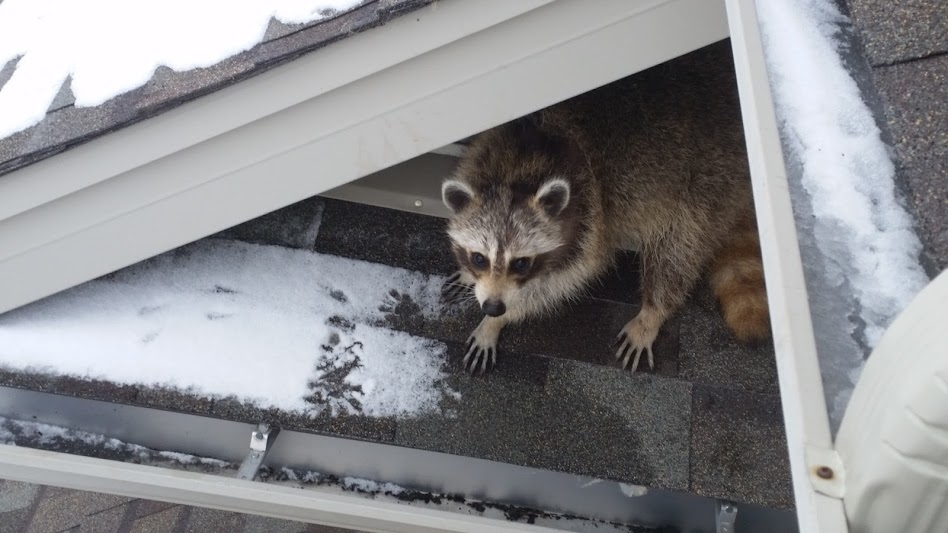
You know how bitter January feels in Canada. The snow piles high, the nights stretch long, and even stepping outside for a few minutes makes your breath freeze. Now imagine what it’s like for an animal with nowhere warm to go. That’s when your roofline, attic, or chimney starts looking like a survival zone.
At Skedaddle Humane Wildlife Control in Pickering, we see this pattern every winter. Raccoons in attics in January are common because these animals are driven by cold, hunger, and instinct. Understanding frozen roofline raccoon problems and Canadian raccoon winter behaviour helps you see why they target homes and what we do to keep them out safely.
Let’s break down the main reasons raccoons break into attics in the dead of winter, and how professionals like us help stop it before it starts.
1. The Deep Freeze Drives Them Indoors
When January temperatures hit below -15°C, food sources vanish and den sites freeze solid. Tree hollows, burrows, and outdoor dens no longer provide enough warmth. Your attic becomes the next best thing, insulated, dry, and full of leftover heat from inside your home.
We see this as the number one cause of raccoons in attics in January. They aren’t trying to be destructive, they’re simply seeking warmth. That’s why prevention before the coldest months begins is key.
2. Female Raccoons Seek Safe Dens for Birthing
Even in the coldest month, some female raccoons prepare for early spring births. They search for warm, quiet areas to nest before temperatures rise. An attic offers the perfect space to line with insulation and prepare for young.
Our team identifies these early nesting signs and uses one-way doors that let the animals leave safely but block re-entry. Once the space is empty, we secure it permanently, keeping you protected before babies arrive.
3. Food Scarcity Leads Them Closer to Homes
Snow-covered ground means less access to insects, fruits, and small prey. Garbage bins, compost piles, and bird feeders around your property suddenly become irresistible. Once raccoons feed nearby, they look up, and notice possible roof access.
We often advise simple changes to reduce attractants, such as securing lids and clearing food waste. But the real protection comes from sealing the structure itself so even curious animals can’t push inside.
4. Chimneys Act Like Natural Tree Hollows
If you’ve ever seen smoke puff through a chimney on a cold day, you know how much heat escapes. To a raccoon, that warmth feels like a beacon. Chimneys mimic hollow trees: tall, dark, and full of protection.
We fit heavy-duty chimney caps that let smoke escape while blocking animal entry. It’s one of the most effective winter prevention steps, keeping Canadian raccoon winter behaviour from turning your fireplace into a den.
5. Roof Vents, Soffits, and Gables Become Hidden Gateways
These small openings do more than release air, they release warmth. To raccoons, the heat flowing from these vents signals an easy entrance. Once they find one, they pry it open and squeeze inside.
Here’s what we typically find during winter inspections:
- Loose or missing vent covers
- Torn mesh screens around gable vents
- Separated soffit panels or cracked joints
- Warm air escaping from dryer or furnace vents
When we seal these areas using weatherproof materials, we stop both heat loss and frozen roofline raccoon problems before they begin.
6. Attic Insulation Feels Like a Heated Bed
When raccoons get inside, they often tear and roll insulation to form nests. Fiberglass or cellulose traps warmth and shields them from noise and light. The deeper they dig, the cozier it gets.
That nesting process can ruin insulation and create odor problems. Our technicians remove contaminated material safely, disinfect the space, and restore insulation, returning your attic to a healthy condition.
7. Shelter Protects Them from Predators
Owls, coyotes, and foxes still hunt during winter. A roof or attic keeps raccoons safe from predators that can’t reach those heights. Once inside, they settle fast, often staying until spring unless removed.
We locate all potential access points, not just the one they used, and seal them with professional-grade hardware to prevent new entries once the existing animals are gone.
8. Quiet, Dark Spaces Offer Rest
Winter nights are long, and raccoons spend most of their time sleeping. Your attic provides everything they need — warmth, darkness, and safety from noise. They curl up in corners or under insulation, sometimes with others for body heat.
That’s why we recommend acting fast when you hear movement overhead. The longer animals stay, the more they treat your attic as permanent housing.
9. Indoor Heat Signals Opportunity
Heat radiating through vents or poorly insulated roofs can be detected even from outside. Animals use their senses to follow warmth to its source.
Our technicians use thermal imaging to locate those warm escape points and reinforce them. By sealing heat leaks, you keep your energy bills lower and keep raccoons outside where they belong.
10. Attics Stay Dry While Natural Dens Flood
Snowmelt and rain often fill outdoor dens with water. Attics, however, stay dry year-round. That dryness draws raccoons in quickly when storms hit.
Our team ensures your attic remains sealed tight before these mid-winter melts happen. Once protected, you can enjoy peace of mind even through thaw cycles.
Professional Prevention With Skedaddle
When it comes to stopping frozen roofline raccoon problems, prevention always beats cleanup. At Skedaddle Humane Wildlife Control, we combine inspection, sealing, and humane removal into one proven system.
Here’s what we handle for you:
- Full roofline inspection and photo documentation
- Safe installation of one-way doors for humane exits
- Sealing of all active and potential entry points
- Disinfection and insulation repair if needed
You don’t have to lift a finger. We handle every step so your attic stays secure through the harshest winter weather.
Keep Warm Without Raccoons
When January hits, it’s easy to see why raccoons in attics become such a big issue. Freezing temperatures, scarce food, and cracked rooflines make your home an ideal target. But with the right prevention, you can stay warm and worry-free.
At Skedaddle Humane Wildlife Control in Pickering, we specialize in humane, effective methods that solve frozen roofline raccoon problems and address Canadian raccoon winter behaviour the right way.
If you suspect noise, damage, or signs of entry this season, reach out today. Request an estimate to learn more and keep your home protected before winter’s coldest nights return.

 Loading...