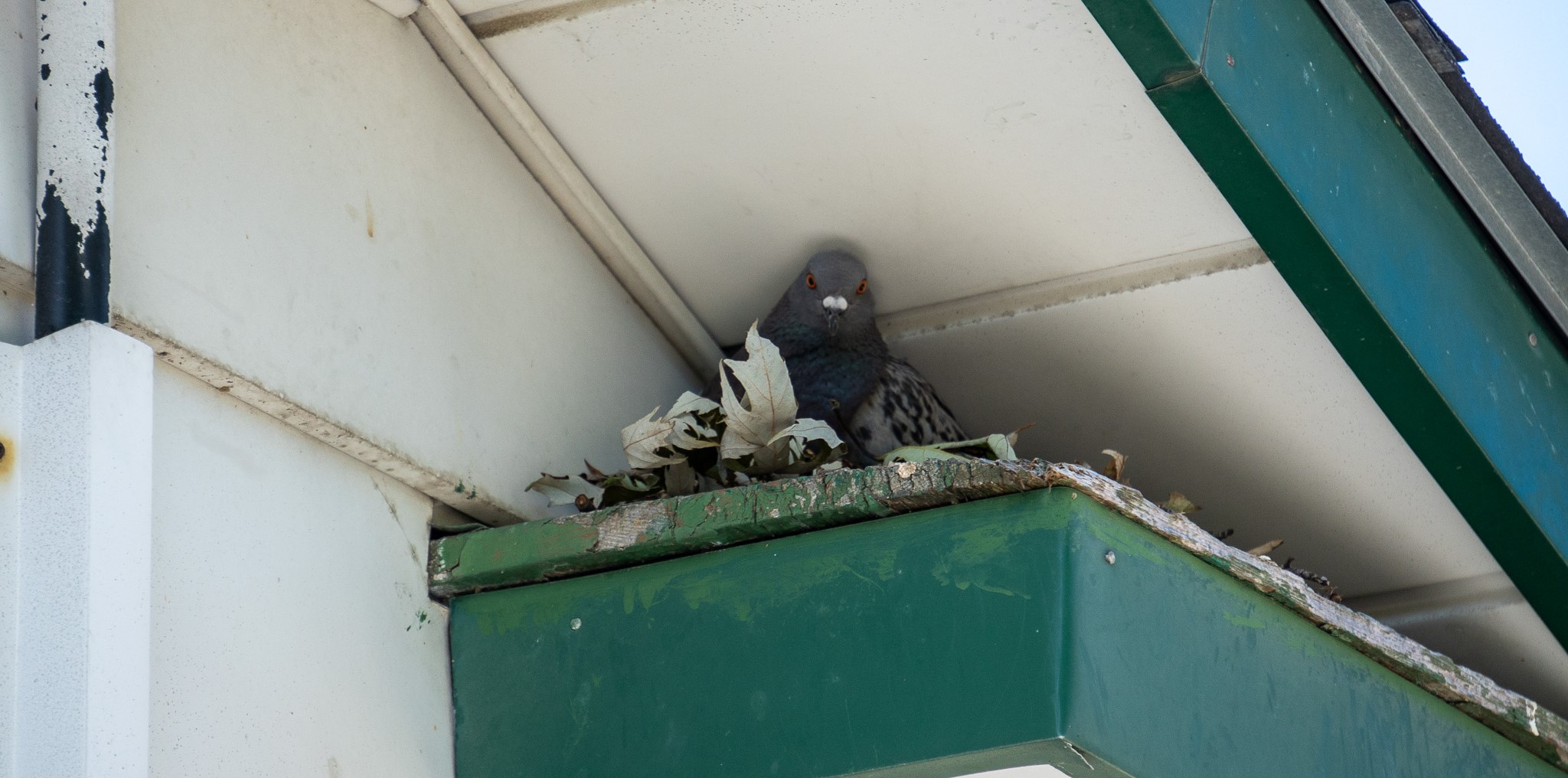

You notice sounds coming from above, soft tapping, fluttering, or chirping, and right away, you wonder what’s happening. When you hear birds in the roof, it usually means they’ve found a warm space to nest. You might feel unsure about what to do next, but the right steps will protect your home and keep the animals safe. You want clear direction and real solutions, not quick fixes that create bigger problems later.
When any roof bird infestation starts, the best move is to call trained professionals who know how to guide animals out safely.
At Skedaddle Humane Wildlife Control in Pickering, we use humane methods, including one-way doors, to help you solve the problem without harming the animals. In the next sections, you’ll learn bird removal tips, what our team looks for, and the steps we take to keep your home protected.
1. We Start by Confirming What’s Happening Inside Your Roof
Before anything can be fixed, we need to understand the full situation. Every home is different, and every roof has spots where wildlife can slip in. You want someone who can locate the noises, see what the animals are doing, and determine if any young animals are present.
Our team looks carefully at:
- Where the Animals Entered: We inspect the outside of your home to find weak points. Openings often appear along roof edges, vents, soffits, or small gaps in siding. Even a small space can give animals just enough room to settle in.
- Whether Young Animals are Present: A key part of humane work is checking for babies. Young ones cannot leave on their own, so we make sure they stay safe during the process. If babies are found, we plan carefully around their needs.
- The Activity Level Inside: We listen for movement, scratching, or chirping to understand how the animals are using the space. This helps us decide which humane tools to use and how to guide them out.
This early inspection matters because it tells us exactly what we are dealing with. Instead of guessing, we create a plan that is safe, humane, and effective.
2. We Use Humane Strategies to Remove Animals From Your Roof
Once we confirm what’s inside, our team builds a plan that protects both your home and the animals. A roof bird infestation can spread quickly if openings stay exposed, so we use humane steps that guide the animals out safely. One of the most effective tools we rely on is the one-way door, which lets wildlife leave on their own but blocks them from coming back. This method avoids trapping, relocating, or harming anything inside.
One-way doors work because they match the animal’s natural behaviour. When the animal goes out to search for food, it uses the familiar opening—now fitted with the one-way door—and cannot re-enter afterward. This keeps the process calm and reduces stress for everyone involved. Our team studies the entry point the animals already use so the door is placed in the right location. By sealing the rest of the roof, we guide the animals to exit naturally and keep the area secure behind them.
If young animals are present, we always adjust our approach. We never separate families, and we carefully time each step to make sure the removal stays safe and humane. When the process is handled this way, the animals leave on their own and your home can begin returning to normal without disruption.
3. We Clean and Repair Roof Damage Caused by the Infestation
When animals nest in a roof, they often leave behind materials that can affect air quality, insulation, or structural surfaces. You want a team that knows how to clean safely and restore the space without causing more damage.
Here is what our professionals focus on:
- Removing Nesting Materials: Animals bring in leaves, twigs, and debris. These materials can block airflow, trap moisture, or lead to unwanted smells. We take out every part of the nest to prevent future issues.
- Addressing Contaminated Areas: Droppings or damp insulation can create health risks. Our specialists handle these materials safely and prepare the space for repair.
- Securing Insulation and Interior Surfaces: Nesting may push or tear insulation. We check the area to ensure everything is solid, dry, and ready to support your home again.
This stage ensures your home stays safe long after the animals are gone.
4. We Seal Openings and Protect Your Home From Future Intrusions
You want to make sure the problem does not return. That’s why long-term prevention is one of the most important steps after dealing with birds in the roof. Our goal is to create a strong barrier and close every possible entry point.
This part of the process often includes:
- Sealing Gaps with Durable Materials: Openings may appear along soffits, siding, roof vents, or trim. We seal these with strong, long-lasting materials that animals cannot reopen.
- Reinforcing Weak Spots: Sometimes the structure shows signs of wear. We strengthen those areas to stop new animals from trying to push their way inside.
- Protecting Vents and Other Openings: We cover vents with secure screening that lets air move freely but blocks wildlife.
These steps turn your home into a protected space. Even if animals try to return, they can’t get back inside.
5. We Help You Understand Why Animals Chose Your Roof in the First Place
Animals choose roofs for simple reasons—warmth, shelter, and easy access. When you understand what draws them in, it becomes much easier to prevent future issues. Our team looks closely at the conditions around your home to see what might be inviting wildlife to settle in your roof.
One common factor is nearby trees. Branches that rest against the roof give animals a clear path straight into vulnerable areas. Another issue is small openings under rooflines. Gaps along soffits or roof edges often go unnoticed, but animals spot them right away and use them to enter. These areas might look harmless from the ground, yet they can lead directly into your attic space.
We also pay attention to gutter buildup. Leaves and debris can create moist, protected areas that attract insects or nest-building materials. When these conditions exist, wildlife is more likely to explore and settle in. By identifying these patterns, we can explain why a roof bird infestation may have started and show you how our team can prevent it from happening again.
Bird Removal Tips From Our Skedaddle Team
You want clear information so you know what happens next. These professional steps show how we handle situations involving animals in your roof:
- We Always Start with a Full Inspection: This lets us find entry points, nesting areas, and any structural concerns. A proper inspection guides every decision.
- We Use Humane One-Way Doors When Possible: These allow wildlife to exit safely without causing harm. They also protect your home by preventing re-entry.
- We Protect Young Animals: If babies cannot move on their own, we adjust the timing to keep them safe and connected to their mother.
- We Repair and Secure Your Home Afterward: Once the animals leave, we seal everything and protect your roof with long-term solutions.
- We Customize Every Plan: Different homes and different animals need different strategies. Our team uses what works best for your situation.
These steps show how our professionals approach every case with care, safety, and long-term results in mind.
Bring Peace Back to Your Home
If you hear birds in the roof, you want things handled quickly and safely. With the right bird removal tips and a team that understands humane methods, you can stop the activity and protect your home from future problems. A roof bird infestation can grow fast, but our experts at Skedaddle Humane Wildlife Control in Pickering know how to manage it with care and long-lasting solutions.
We guide animals out safely, use one-way doors to block re-entry, and secure your roof so the issue doesn’t repeat. When you’re ready to make your home quiet, safe, and protected again, request an estimate to learn more about how we can help.

 Loading...