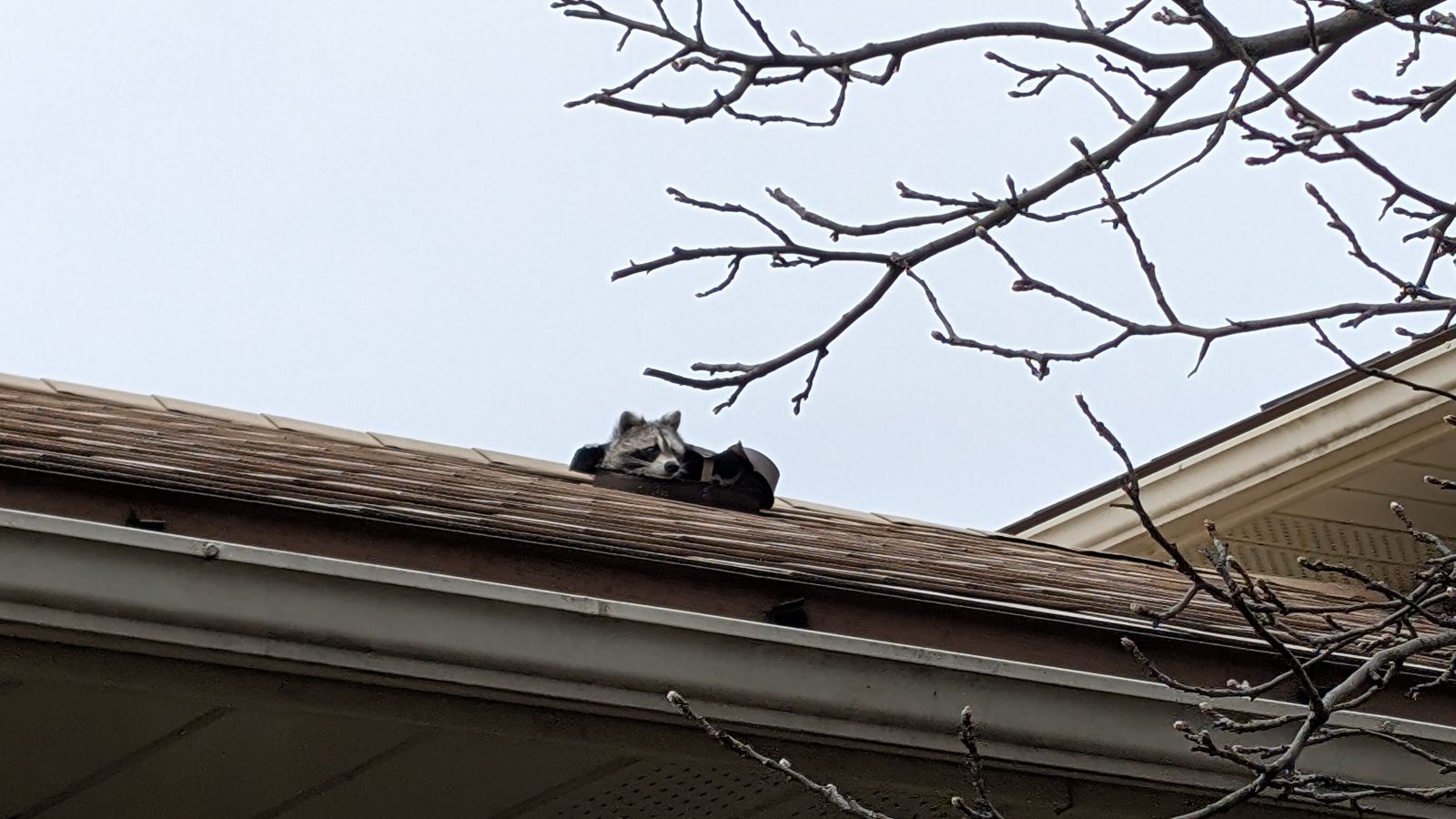
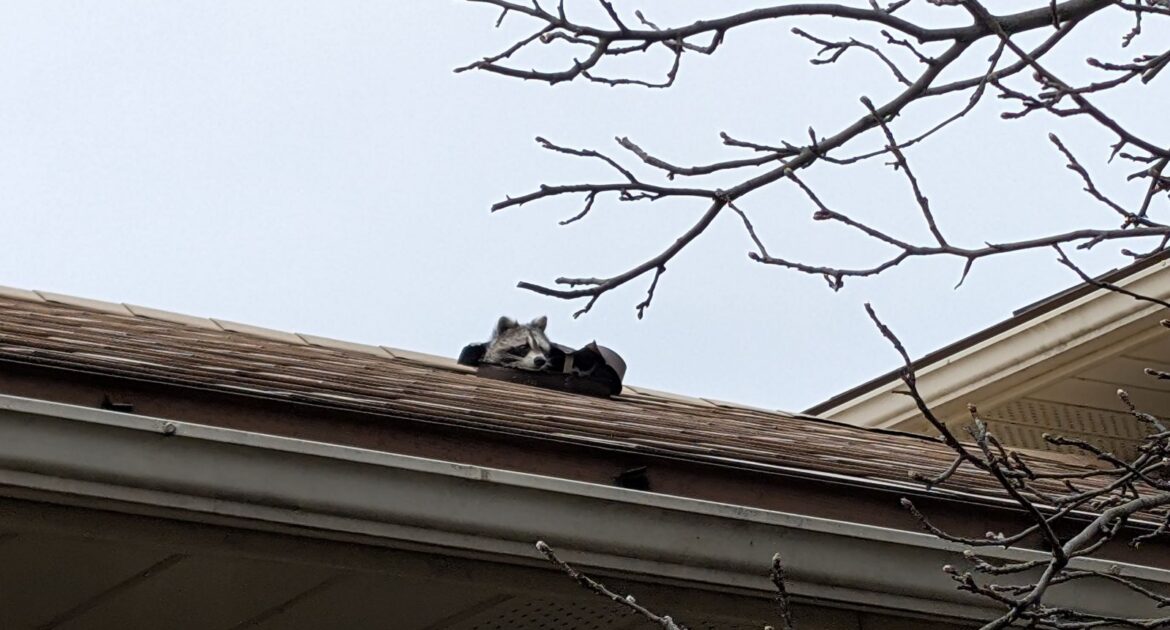
Forests and open fields are often the first places that come to mind when people think about nature. Busy streets, rooftops, and neighbourhood parks rarely make that list. Yet cities are becoming the new wilderness for wildlife, and the urban wildlife increase makes that clear. Animals like skunks, bats, and raccoons are no longer just passing through. They are settling in, raising young, and adapting to life among buildings and traffic.
Backyards, decks, and rooflines now offer what many shrinking natural areas cannot. Food is steady and easy to find. Shelter is solid and warm. Winters in built-up areas are often milder because buildings and pavement hold heat. When people ask why wildlife lives in cities, the answer comes down to survival. Cities provide reliable resources and fewer large predators.
This shift is happening all around us. As development expands into forests and fields, animals adjust to what is available. That is why cities and wildlife coexistence is becoming more common in neighbourhoods across Pittsburgh. In this blog, we will explain how cities are becoming the new wilderness for wildlife, what is driving the urban wildlife increase, and what it means for your home. At Skedaddle Humane Wildlife Control in Pittsburgh, we see these changes every day.
Why Are More Animals Living in Cities?
You may wonder why animals are choosing city blocks over quiet woods. The direct answer is that cities now meet many of their basic survival needs. As natural habitats shrink, animals move toward places with steady food, water, and shelter. That is a big reason behind the urban wildlife increase.
You are surrounded by resources that animals quickly learn to use. Garbage bins, gardens, attics, and sheds all provide opportunities. When survival depends on adapting, many species choose the environment that works best. For some, that place is now your neighbourhood.
Cities also offer fewer natural predators than rural areas. Large predators that once kept animal numbers in balance are often not present in urban settings. Streetlights and buildings can create warmer spaces in winter, which helps animals survive cold months. Over time, animals that adjust well to city life pass those skills on, making urban areas feel like home for the next generation.
Abundant Food and Shelter
You may not realize how attractive your city is to animals. Urban areas provide year-round resources that are often easier to find than in the wild. Here is how cities are becoming the new wilderness for wildlife:
- Reliable Food Sources: Garbage bags, compost bins, pet food, and bird feeders offer steady meals. Unlike forests, where food can be scarce in winter, cities provide food every day. Even small scraps can support a raccoon or skunk. Over time, animals learn which streets are most reliable.
- Warm Shelter Options: Attics, soffits, garages, and sheds feel like hollow trees. They protect animals from wind, rain, and predators. In colder climates like Pittsburgh, buildings hold heat. That warmth makes homes very appealing.
- Fewer Natural Predators: Large predators are rare in most cities. Without constant threats, smaller animals feel safer raising their young. This safety supports the urban wildlife increase.
You can see how easy access to food and shelter turns cities into strong habitats.
Unique Ecological Niches
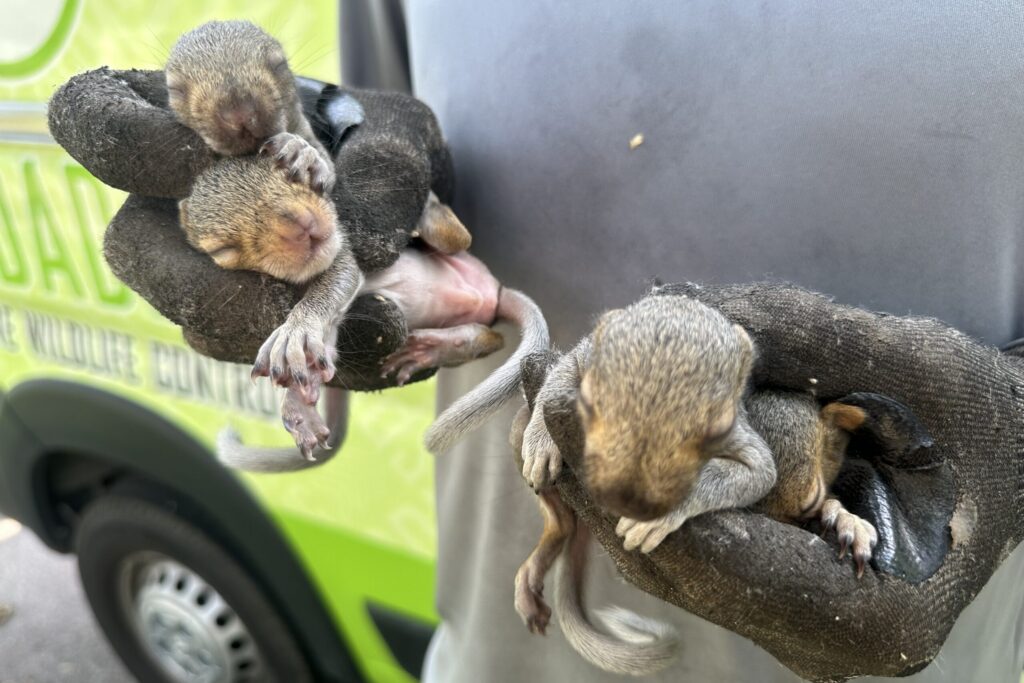
You may think cities are made of concrete, glass, and steel, and that there is no room left for nature. It can feel that way when you look at busy roads, tall buildings, and crowded sidewalks. But if you slow down and really look, you will see that cities are filled with small, hidden habitats. Parks, ravines, green roofs, backyard gardens, and even abandoned lots create safe pockets where animals can live and find food.
These spaces may not look like forests or wetlands, but they serve many of the same purposes. They provide shelter from weather, places to raise young, and access to water and food. Over time, animals learn how to use these spaces in creative ways. What may seem like an ordinary city block to you can be a thriving ecosystem for local wildlife.
Animals adapt quickly to these urban spaces:
- Green Spaces as Mini Habitats: Parks, tree-lined streets, and river valleys often function like small forests within a city. Large trees offer branches for birds to build nests and safe spots to rest. Bats may roost under bridges or in quiet corners near water, where insects gather at night. Even small patches of grass and shrubs can support insects, which then support birds and other animals higher up the food chain. These green spaces create a network of mini habitats that allow many species to survive right alongside people.
- Built Structures as Habitat: Buildings and other structures often replace natural features that animals once used. Bridges, warehouses, rooftops, and even parking garages can act like cliffs and caves. Bats may slip into small gaps in buildings the same way they would hide in rock crevices in the wild. Raccoons often treat attics and chimneys as safe dens, similar to hollow trees. These structures may not have been built for animals, but wildlife quickly learns how to use them for shelter and protection.
- Evolution in Action: Cities do not just change landscapes; they also influence how animals behave and, in some cases, even how they look. Some species become more active at night to avoid heavy traffic and busy streets during the day. Others may change their diet to include food scraps, garden plants, or insects drawn to city lights. Over time, these behavioural shifts can shape survival patterns and even lead to small physical changes. This flexibility shows how wildlife continues to adapt in real time, adjusting to life in an urban environment.
Cities are not empty spaces without life. They are living, changing ecosystems where humans and animals share space every day.
Adaptations to Urban Life
You may notice that animals in cities sometimes behave differently than those in rural areas. That difference is not random. It is the result of ongoing adaptation to a new environment filled with noise, light, traffic, and people. Wildlife adjusts in order to survive, find food, and avoid danger.
Common adaptations include:
- Nocturnal Behaviour: Many animals become more active at night in urban areas. Nighttime offers fewer cars, less foot traffic, and lower noise levels. By shifting their activity to darker hours, animals reduce the risk of conflict with people. This behaviour also allows them to move more freely between feeding and resting areas. Over time, this pattern can become a regular survival strategy for urban wildlife.
- Dietary Shifts: Animals eat what is easiest to find and safest to access. In cities, that often includes human food waste, compost bins, fallen fruit from backyard trees, or plants grown in gardens. These new food sources can change daily habits and feeding routines. Some species even become skilled at opening containers or exploring new areas to find meals. As food sources change, so do the behaviours that help animals survive.
- Reduced Fear of Humans: Animals that live in cities see people regularly. Because of this constant exposure, they may appear calmer or less reactive. They are not tame or friendly, but they are used to movement, noise, and activity. This reduced fear can help them navigate crowded areas more easily. However, it also increases the chances of close encounters, which is why awareness and prevention are important.
These changes show that cities and wildlife coexistence is still evolving. Animals are not invading urban spaces out of nowhere. They are responding to opportunities and adjusting to a world that continues to grow around them.
Urban Heat and Climate Effects
You may feel that cities are warmer than the surrounding areas. This is called the “heat island” effect. Concrete and asphalt trap heat.
Warmer temperatures affect animal behavior:
- Milder winters allow more animals to survive.
- Longer warm seasons support more breeding cycles.
- Water runoff creates new drinking sources.
Climate and development together support the urban wildlife increase. For many species, cities feel stable compared to changing forests.
Challenges of the New Wilderness
You may assume cities are perfect habitats for wildlife because there is food, shelter, and fewer natural predators. However, cities are not without risks. Roads, highways, and large buildings divide natural areas into smaller pieces, which is called habitat fragmentation. When animal territories are split apart, it becomes harder for them to move safely and find mates.
Urban living also creates health risks for wildlife. When many animals live close together, diseases can spread more quickly through a population. Crowded spaces increase stress, which can weaken animals and make them more vulnerable to illness. Close contact between animals can also lead to more competition and conflict.
Property damage is another challenge that comes with city wildlife. When animals search for shelter, they may enter attics, vents, or crawl spaces. In doing so, they can damage insulation, wiring, or wood as they create nesting areas. Cities offer opportunity for survival, but they also require balance between wildlife needs and protecting your home.
City Wildlife Prevention With Our Professional Team
You want long-term protection for your home, not constant stress or repeated problems each year. Hearing scratching sounds or finding new damage can make you feel uneasy. A quick fix may seem helpful at first, but it often does not solve the root cause. Lasting protection starts with a careful and thorough approach.
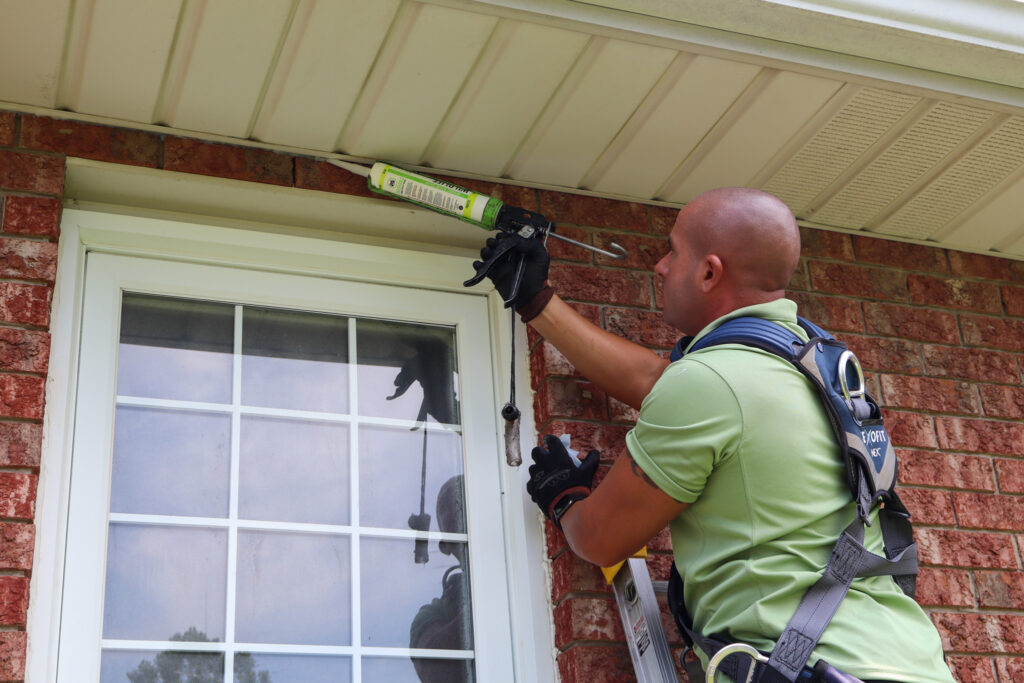
We begin with a detailed inspection of your roof, vents, soffits, and foundation. During this inspection, we look closely for gaps, weak spots, and small openings that animals may use as entry points. Even openings that seem minor can become major access routes over time. Identifying these areas early allows us to build a clear and effective prevention plan.
We use one-way doors that allow animals to leave safely but prevent them from returning inside. Once they exit, we secure entry points with durable materials designed for long-term protection. This method supports cities and wildlife coexistence while keeping your property safe. Our goal is not harm; our goal is balance, safety, and peace of mind for you and your family.
Frequently Asked Questions
Why is there an urban wildlife increase?
Urban wildlife increase happens because cities offer steady food and safe shelter throughout the year. As natural habitats shrink, animals adapt to what is available. Cities become attractive places where survival is often easier and more predictable.
Why do wildlife live in cities instead of forests?
Cities provide reliable meals, warmer shelter, and fewer predators in some cases. Forests may be fragmented or disturbed by development. Animals choose environments that provide the best chance for survival and successful reproduction.
Are raccoons and skunks moving into cities permanently?
Many species now live in cities year-round instead of passing through. They raise young and establish territories in neighbourhoods. Urban living has become a normal and stable habitat for them.
Do cities and wildlife coexistence always cause conflict?
Not always. Many animals live quietly in parks, ravines, and green spaces without being noticed. Conflict often occurs when animals enter homes in search of shelter or food.
Is the trend likely to continue?
Yes. As development grows and natural spaces change, animals continue to adapt. Cities will remain important habitats for many species in the future.
A New Wilderness Is Growing Around You
Cities are changing in ways many people never expected. What once seemed like purely human spaces are now shared with adaptable wildlife. The urban wildlife increase shows no sign of slowing because animals adjust quickly to new environments. Food sources, shelter, and fewer natural predators make city life possible for many species. This shift has created a new kind of wilderness built into neighbourhoods and communities.
Understanding why wildlife lives in cities helps make sense of daily encounters. Skunks, bats, and raccoons are not trying to cause harm or disrupt homes. They are responding to opportunity and using the resources available to them. Cities and wildlife coexistence is part of a larger environmental change that continues to unfold. Awareness allows homeowners to respond calmly and responsibly.
Protection and balance can exist at the same time. At Skedaddle Humane Wildlife Control in Pittsburgh, long-term prevention focuses on keeping homes secure while respecting wildlife. Professional inspections and durable exclusion methods help reduce repeat problems. Request an estimate today and take the next step toward securing your home in this evolving urban wilderness.

 Loading...







