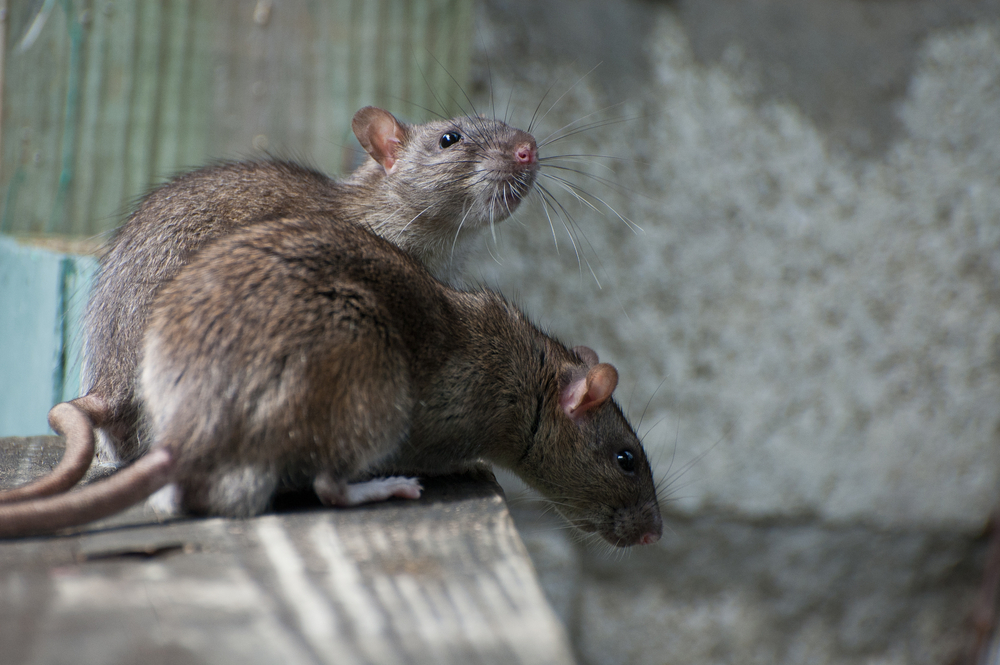
You may not think of Pittsburgh as one of the top rattiest cities in the US, but the numbers tell a different story. Pittsburgh was recently ranked 16th out of 50 cities. In 2024, it slipped to 21st, but it’s still far higher than most cities its size. This shows the Pittsburgh rat problem is real and growing.
You might be wondering why rat infestations in Pittsburgh are so common. After all, the city is only the 68th-largest in the country. The truth is, a mix of old infrastructure, food sources, trash problems, and even climate change all play a role. At Skedaddle Humane Wildlife Control in Pittsburgh, we see these issues up close when helping families protect their homes.
This article explains why Pittsburgh is in the “rat race,” what makes infestations so hard to control, and the health risks that come with them. You’ll also learn what steps can help keep these pests out of your home for good.
Trash and Food Waste
Rats thrive in places where food is easy to find. Pittsburgh’s restaurants, food events, and crowded neighborhoods give them plenty of options. For example, after the Picklesburgh festival, businesses nearby reported an uptick in rodent activity because trash was left sitting out for too long.
When garbage piles up on sidewalks, alleys, or near dumpsters, rats move in quickly. They can chew through bags, climb into bins, and feed on scraps. Once they know a food source is reliable, they’ll keep coming back. This is one of the main reasons the Pittsburgh rat problem keeps growing year after year.
Old Buildings and Infrastructure
Pittsburgh is full of older homes, brick rowhouses, and aging buildings. While they give the city character, they also provide plenty of entry points. Cracks in foundations, loose masonry, and gaps around pipes act like open doors for pests.
Rats don’t need a big space to get inside. A hole the size of a quarter is enough for them to squeeze through. Once inside, basements, crawl spaces, and storage areas give them warm, dark places to hide. This is a big part of why rat infestations in Pittsburgh are so tough to stop.
Sewer and Utility Systems
Another reason Pittsburgh ranks among the rattiest cities in the US is its network of sewers and utility lines. These underground systems give rats a safe highway that connects neighborhoods, homes, and businesses.
When construction disturbs these systems, rats scatter and look for new places to live. Basements often become a target, especially when openings around sewer lines or drains aren’t sealed properly. Without help from professionals, homeowners may not even know how rats are getting inside.
Climate Change and Warmer Winters
Decades ago, cold winters killed off many rat populations. But now, winters in Pittsburgh are milder than before. This allows more rats to survive year-round, which leads to faster population growth.
Studies show that climate change is reshaping rodent populations in major cities. Without harsh weather to limit their numbers, rat infestations in Pittsburgh can spiral out of control much more quickly than in the past.
Population Density and Events
Rats do well in busy areas where people live close together. Pittsburgh’s downtown, college neighborhoods, and popular restaurants all create the perfect environment. The more people, the more trash—and the more trash, the more rats.
Big events, like street festivals or sporting games, can also spike activity. Food scraps left behind provide a feast, and if cleanup is slow, rats move in overnight. This cycle makes it hard for the city to keep numbers down.
Weak Sanitation and Inconsistent Control Programs
The city of Pittsburgh runs a Rodent Baiting Program to try to reduce infestations. Residents can request baiting stations to be placed on their property, and hundreds of requests are made each year. But while this helps, it’s not enough to keep up with the demand.
Health inspections and citations are common, but even high-end restaurants and businesses struggle. In early 2025, inspectors found rodent droppings and dead mice at a popular Fox Chapel restaurant, which eventually closed its doors. Problems like this show how stubborn the Pittsburgh rat problem really is.
Health Risks From Rats
The biggest concern with rat infestations in Pittsburgh isn’t just the damage they cause—it’s the diseases they carry. Rats can spread illness through bites, scratches, urine, and droppings. According to the CDC, some of the most dangerous include:
- Leptospirosis: Spread by rat urine, leading to kidney or liver damage.
- Rat-Bite Fever: Caused by bites or scratches, leading to fever, rash, and joint pain.
- Hantavirus: Spread through droppings and saliva, sometimes leading to severe lung problems.
- Lymphocytic Choriomeningitis: A virus that is dangerous for pregnant women and those with weak immune systems.
- Bubonic Plague: Historically linked to rats, it spreads when fleas bite humans after feeding on infected animals.
Even if you don’t see a rat, droppings and urine can contaminate food storage areas or air vents. That’s why infestations are considered a major health hazard.
Why the Problem Persists
The Pittsburgh rat problem continues despite control efforts for several reasons:
- Fast Breeding: A pair of rats can lead to hundreds in a single year.
- Adaptability: They can survive in sewers, alleys, or homes with ease.
- Food Availability: With trash always around, they don’t need to search far.
- Limited Resources: City programs help but can’t fully handle the scale of infestations.
These factors make it nearly impossible for Pittsburgh to fall off the list of rattiest cities in the US without stronger long-term strategies.
How Rats Impact Homes and Families
For families, the risks go beyond health. Rats chew through wires, insulation, and wood, which can cause fires or structural damage. They also destroy food packaging and leave droppings in kitchens, pantries, and storage areas.
Even the sound of scratching in the walls or attic can create stress. Once rats establish a nest, they’re difficult to remove without professional help. That’s why infestations often grow before homeowners even realize what’s happening.
Preventing Rat Infestations With Professionals
While the city focuses on baiting and cleanup, protecting your home requires more specific solutions. At Skedaddle Humane Wildlife Control in Pittsburgh, we use proven methods that are safe for both families and animals. Our one-way doors let rats exit but block them from coming back in, which solves the problem long-term.
We also seal entry points and help families keep their homes safe from future infestations. Unlike DIY methods, our approach addresses the root cause, not just the symptoms. With infestations spreading across the city, professional help is the best way to make sure your home doesn’t become part of the rat race.
Take Control of the Pittsburgh Rat Problem
Pittsburgh may never fully escape its place on the list of rattiest cities in the US, but you can protect your own home. From trash buildup to old infrastructure and warmer winters, the reasons behind rat infestations in Pittsburgh are clear.
At Skedaddle Humane Wildlife Control in Pittsburgh, we help families deal with the problem safely and for good. Request an estimate today to learn more about how we handle the Pittsburgh rat problem and keep homes protected from future infestations.

 Loading...







