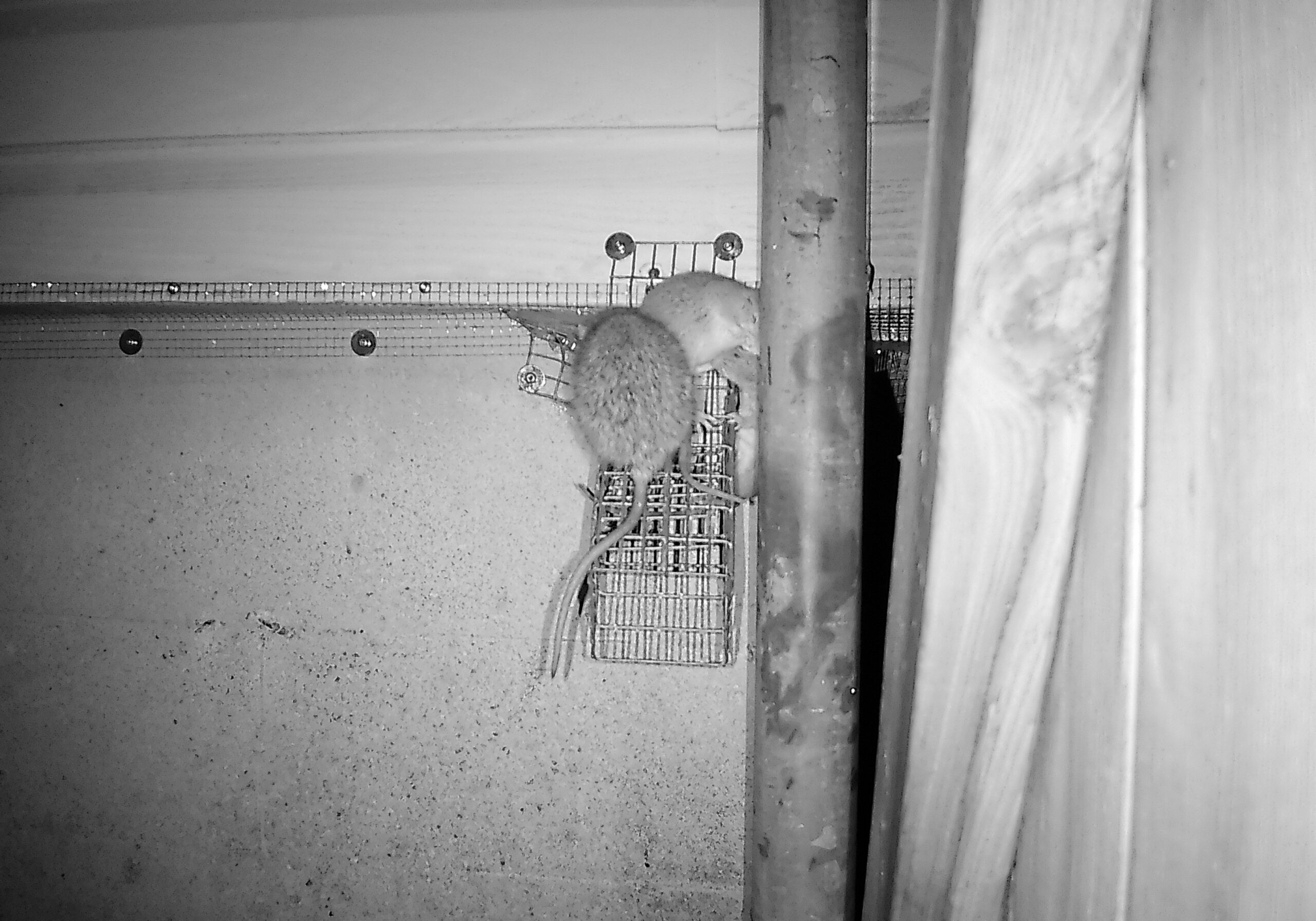
Finding signs of rats in your commercial property can be alarming. From gnawed wiring to droppings in storage areas, rats in commercial buildings pose more than just a nuisance—they can create serious health and financial risks. Many business owners underestimate how quickly an infestation can escalate, and the consequences can affect employees, customers, and your bottom line.
At Skedaddle Humane Wildlife Control in Pittsburgh, we help businesses identify and address these risks safely and humanely. By understanding the behaviors of rats and recognizing the signs of activity, business owners can take informed steps to protect their property and maintain a safe environment for staff and patrons.
Why Rats Are Attracted to Commercial Buildings
Rats are highly adaptable and resourceful animals. In urban areas like Pittsburgh, commercial buildings provide ample opportunities for food, shelter, and reproduction.
Common attractants in businesses include:
- Food sources: Restaurants, cafes, and markets with exposed or poorly stored food
- Garbage and waste: Overflowing bins or unsecured dumpsters
- Cluttered storage areas: Boxes, crates, or unused equipment
- Structural gaps: Holes, cracks, vents, and other small openings that provide access
Rats reproduce rapidly, with a single female capable of producing up to 60 offspring in a year. This explains why rats in commercial buildings can quickly become a major problem if early signs are ignored.
Health Risks to Employees and Customers
One of the most critical reasons to address rat infestation business risks is the health of everyone on the property. Rats can carry diseases that spread through urine, droppings, saliva, and contaminated surfaces.
Some of the key health concerns include:
- Bacterial infections: Salmonella and E. coli, which can contaminate food and surfaces
- Viral diseases: Hantavirus and lymphocytic choriomeningitis virus (LCMV)
- Parasites: Fleas, ticks, and mites that can transmit additional illnesses
According to health studies, 33% of restaurant closures in urban areas are linked to rodent activity. Protecting staff and customers from these risks requires professional intervention rather than DIY attempts.
Property Damage Caused by Rats
Rats are not only a health concern—they also cause significant property damage in commercial buildings. Their teeth grow continuously, so they gnaw on materials to keep them filed down.
Some common damages include:
- Electrical wiring: Chewing on wires creates fire hazards
- Insulation and structural materials: Damaged insulation can reduce energy efficiency and lead to costly repairs
- Inventory and supplies: Boxes, packaging, and food products may be destroyed
- Plumbing and HVAC systems: Rats can damage pipes and ducts while searching for shelter
Research shows that businesses experiencing rat activity can face repair costs that are up to 25% higher than similar properties without infestations. Early detection and professional management are essential to minimizing damage.
Financial and Reputational Impacts
Ignoring rats in commercial buildings can have major financial consequences beyond repair costs.
- Operational disruptions: Cleaning, inspections, and repair work can delay daily business operations.
- Regulatory fines: Health inspections can result in penalties or license suspensions if rat activity is documented.
- Reputation damage: Customers may leave negative reviews or avoid businesses with visible rodent signs, reducing sales.
Studies indicate that 40% of consumers are unlikely to return to a business with known rodent problems. Professional intervention helps mitigate these risks before they escalate.
Signs of Rat Activity in Commercial Properties
Recognizing early signs of rats allows for timely action. During our inspections, Skedaddle Pittsburgh looks for:
- Droppings in storage areas, kitchens, or near entrances
- Chewed wires, boxes, or insulation
- Scratching or scurrying noises at night
- Strong, musky odors indicating nests or denning
Even small indications should be treated seriously. Acting early can prevent larger infestations and reduce rat infestation business risks.
How Skedaddle Pittsburgh Helps Businesses
At Skedaddle, we provide professional, humane commercial rat control tailored to urban properties. Our approach focuses on both addressing immediate concerns and preventing future issues.
Our services include:
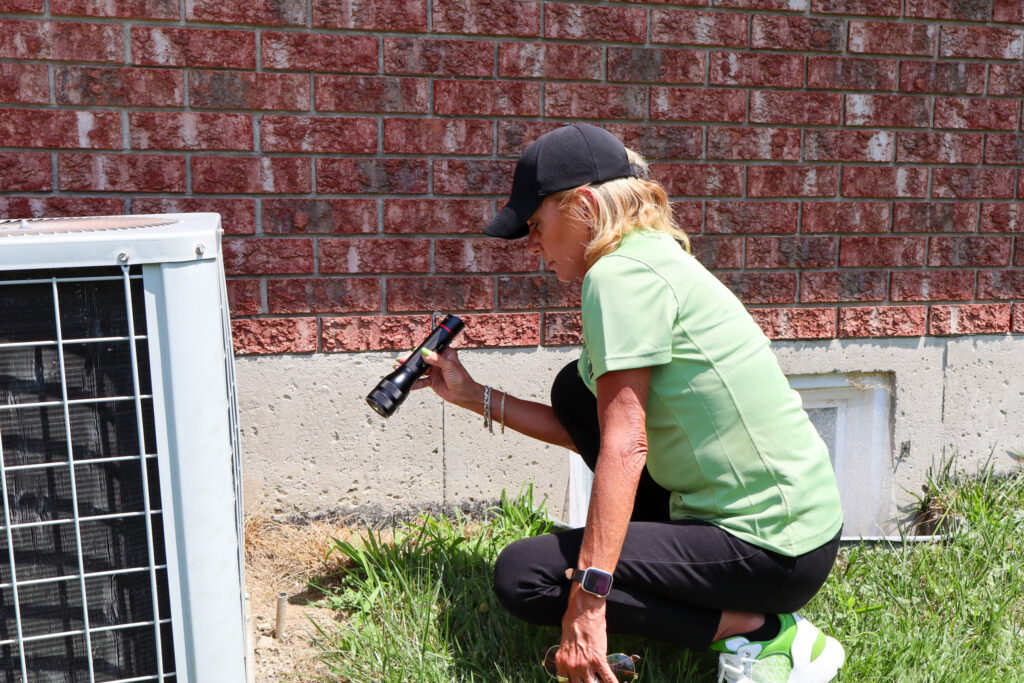
- Property inspections: Identify entry points, nesting areas, and potential attractants
- Preventive guidance: Recommend structural improvements, sanitation practices, and staff protocols
- Education: Teach staff how to safely monitor for activity and maintain a rat-free environment
- Follow-up support: Seasonal guidance and monitoring to reduce the chance of reoccurrence
Our professional methods prioritize safety, long-term results, and respect for wildlife. Unlike DIY solutions, our approach reduces health and property risks without exposing employees to hazards.
Why Professional Intervention Matters
Attempting to manage rats without professional support can increase risk rather than reduce it. Rats are quick, nocturnal, and highly adaptive. Female rats reproduce rapidly, so even a small population can explode into a full-scale infestation within weeks.
Professional intervention ensures:
- Safe handling and monitoring of activity
- Comprehensive assessment of entry points and attractants
- Advice tailored to the unique layout and operations of the business
Studies suggest that businesses using professional rat management experience 70% fewer reoccurrences than those relying on DIY methods.
Protecting Your Business
Rats in commercial properties are more than a nuisance—they are a serious business risk. Professional, humane management ensures that employees, customers, and property remain safe.
At Skedaddle Humane Wildlife Control in Pittsburgh, we specialize in commercial rat control, providing inspections, prevention guidance, and expert advice tailored to your property. By addressing potential threats early and using safe, professional methods, business owners can protect their reputation, revenue, and staff.
With expert guidance and proactive measures, your business can remain rat-free while respecting urban wildlife.

 Loading...