

If you notice increased activity from squirrels in Pittsburgh’s rooflines as winter approaches, you are not alone. Many homes and businesses near well-known sites like PNC Park experience these furry visitors seeking warmth as temperatures drop. Squirrels are quick to find any small gap or weakness in rooflines and attics, using these cozy spaces to create indoor nests for the cold months.
Understanding what attracts them inside and how to prevent them in your roofline can help you protect your property before the colder weather sets in.
Why Squirrels Nest in Pittsburgh Rooflines
Squirrels are experts at adapting to urban environments. In a city with dramatic seasonal shifts like Pittsburgh, rooflines become crucial shelters. So, why do these adaptable rodents choose our homes over outdoor sites?
- Squirrels seek warmth and safety as temperatures fall.
- They look for protection from predators, particularly in areas with limited tree cover.
- They desire to build sturdy nests close to reliable food sources.
- From late fall through early spring, they search for insulated, elevated sites to escape snow, wind, and predators.
- Rooflines and attics provide abundant shelter and nesting opportunities.
- Once inside, squirrels gather leaves, twigs, and insulation to create cozy nests, remaining indoors until conditions outside improve.
Roofs and attics attract squirrels because they retain heat better than exposed tree branches. Nearby mature trees and power lines serve as highways for easy access, while aging roof materials, loose soffits, and vents are vulnerable to gnawing. People living and working near downtown or in tree-lined neighborhoods, including those close to the Allegheny River, often see increased squirrel activity as the seasons change. This pattern is anything but coincidence; it is a result of both squirrel behavior and environmental factors found in urban areas.
Let’s dive into what drives their movements and how urban living supports these instincts.
Urban Heat Islands and Indoor Squirrel Nests in Winter
Pittsburgh’s cityscape creates “urban heat islands,” where the abundance of buildings, roads, and reduced green space causes temperatures to remain higher than rural areas. As a result, squirrels view rooflines and attics as natural extensions of these warmer zones, benefiting from access to manmade structures that trap and emit heat, reduced risks from freezing winds and heavy snowfall, and reliable cover throughout the coldest months.
In neighborhoods dense with older homes and less natural canopy, squirrels quickly learn that indoor nesting options are both warmer and safer. This behavioral flexibility explains why so many property owners encounter squirrel activity during winter—especially when outdoor nesting becomes less comfortable. Understanding how the city’s microclimate attracts these rodents helps us to spot warning signs and take preventive action.
How Seasonal Changes Influence Squirrel Behavior
The shift from mild autumns to cold winters triggers significant changes in squirrel routines. Unlike some wildlife, squirrels do not hibernate; they remain active and adjust how often they leave their nests based on conditions.
- During the colder months, squirrels spend more time resting in their dens or nests.
- They only venture outside briefly to gather cached food, becoming less noticeable, which makes detection in homes harder until spring.
Their drive for food and warmth is strongest when temperatures drop below freezing. Squirrels born during Pittsburgh’s two breeding seasons may be especially likely to seek indoor shelter, as young squirrels often struggle to cope with extended cold. Our observations across neighborhoods show that preliminary infestations begin or worsen each winter. Squirrels that found suitable access points in the fall settle in and may go unnoticed until significant damage occurs.
Staying ahead of their movements is key to stopping these creatures from moving in next season. Now, let’s address what truly attracts them, and how to safeguard your home.
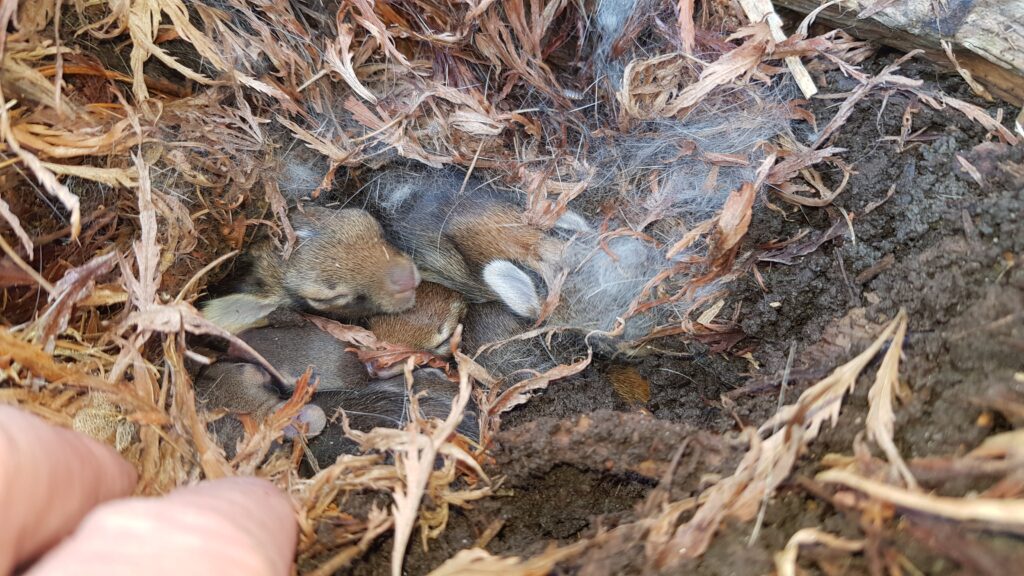
Environmental and Behavioral Factors Leading to Indoor Nesting
Several reasons compel squirrels to seek our rooflines, and not all stem from temperature or shelter alone. Indoor squirrel nests during winter occur for both behavioral and environmental reasons unique to Pittsburgh’s climate and architecture.
Drivers include:
- Growth of squirrel populations in urban centers
- Increasing competition for shelter
- Loss of mature trees due to development or storms
- Remarkable problem-solving and climbing abilities
- Deteriorating roof materials and incomplete home repairs
Mothers, particularly during nesting seasons, are motivated to find secure and dry sites to raise their young. Once a squirrel has successfully nested indoors, her scent trail may attract other wildlife and future generations.
Urban wildlife also benefits from easy access to bird feeders, garden waste, and unsecured garbage, making our neighborhoods even more appealing.
Keeping these factors in mind helps us see why prevention is more than a seasonal concern—it’s about addressing the needs and behaviors that make squirrels return year after year. Next, let’s explore strategies to prevent them from nesting in your roofline and how professional help can make a difference.
How to Prevent Squirrels in Rooflines
Prevention always yields better results than reacting to an active infestation. Knowing the habits of squirrels in rooflines gives you a head start in making your home less inviting.
- Schedule annual inspections of attics, soffits, and eaves, especially before winter.
- If you hear scratching or scurrying above your ceiling—especially during dawn or dusk—it’s time to investigate. Identifying entry points early prevents costly repairs and hazards that come with a full nest.
- Another helpful step is watching for bedding materials protruding from vents or soffits, which signals nesting activity.
We recommend these steps to prevent squirrels in rooflines: trim overhanging tree branches, ensure all roof access points are clear, repair damaged shingles, vents, or siding swiftly to eliminate weak spots, and install high-quality screening over chimneys and ventilation openings. Additionally, remove outdoor food sources such as fallen birdseed and unsecured trash. Even well-maintained homes can be vulnerable, since these animals only need a small opening to gain entry.
Homeowners and business owners alike benefit most from a thorough, hands-on inspection by professionals. That’s where our experience comes in.
Skedaddle’s Humane Approach to Squirrel Removal and Prevention
At Skedaddle, we understand the unique challenges posed by urban squirrels in rooflines. Our team draws on over three decades of experience in humane wildlife removal and prevention, prioritizing the safety of your family, pets, and the animals themselves.
Our process begins with a detailed assessment to locate every entry point—even those in hard-to-reach areas like roof peaks or wall cavities.
From there, we offer services tailored to your property, including:
- Safe removal of adult squirrels and their young using gentle, hands-on methods
- Specialized thermal imaging to locate baby squirrels hidden in nests
- Professional sealing and screening of vulnerable areas to prevent future access
- Careful removal of soiled insulation, nests, and contaminated debris
Comprehensive cleaning and deodorizing to minimize health risks and lingering nesting odors
One of the most significant risks of indoor squirrel nesting in winter is the extensive, often hidden damage—chewed wiring, torn insulation, and weakened supports. Our technicians are trained not just to remove the squirrels, but to clean and fortify your home so you are protected long-term.
Choosing professional help means peace of mind before winter returns, a reduced chance of future invasions, and lower long-term repair costs. Our safe, tried-and-true solutions are specifically for homes and businesses. By combining expert knowledge of local wildlife behavior with proven exclusion strategies, we help you stay ahead of the problem instead of scrambling to catch up.
Key Takeaways for Property Owners
Understanding the relationship between squirrels and urban rooflines, especially during the winter, can save you time, money, and stress. Making your home less appealing to wildlife is a year-round task, but each small step contributes to the effort.
Best practices for preventing squirrel issues include regularly inspecting your roof and attic for signs of entry, keeping exterior trees trimmed back from your home, ensuring all roof openings are securely screened, addressing minor repairs promptly before they attract unwanted guests, and calling a local expert like Skedaddle if you suspect indoor nesting.
Our approach centers around proactive care, humane wildlife management, and thorough follow-up to ensure squirrels move elsewhere—never back inside your home near places like the Strip District or Mount Washington.
Taking these steps means both homeowners and business leaders can enjoy peace of mind even through another winter. With prevention and professional assessment, your roofline won’t become a squirrel’s shortcut to comfort next season.
Secure Your Home Before Squirrels Settle In
Squirrels may seem like harmless city dwellers, but once they infiltrate rooflines, the risks to your property and health add up quickly. As urban environments and cold weather drive these clever animals indoors, even the smallest vulnerabilities in rooflines and attics can become gateways to extensive damage and hidden hazards. Proactive prevention and expert intervention are crucial for keeping your home safe, especially as the seasons change.
At Skedaddle, our proven approach blends humane removal with tailored exclusion strategies that address every unique entry point and nesting risk. By choosing our experienced team, you protect not only your property but also your peace of mind—knowing your home is thoroughly assessed, wildlife-free, and guarded against future invasions. Don’t let squirrels turn your roofline into their winter haven. Reach out to Skedaddle today, and let our specialists keep your home secure all year long.

 Loading...







