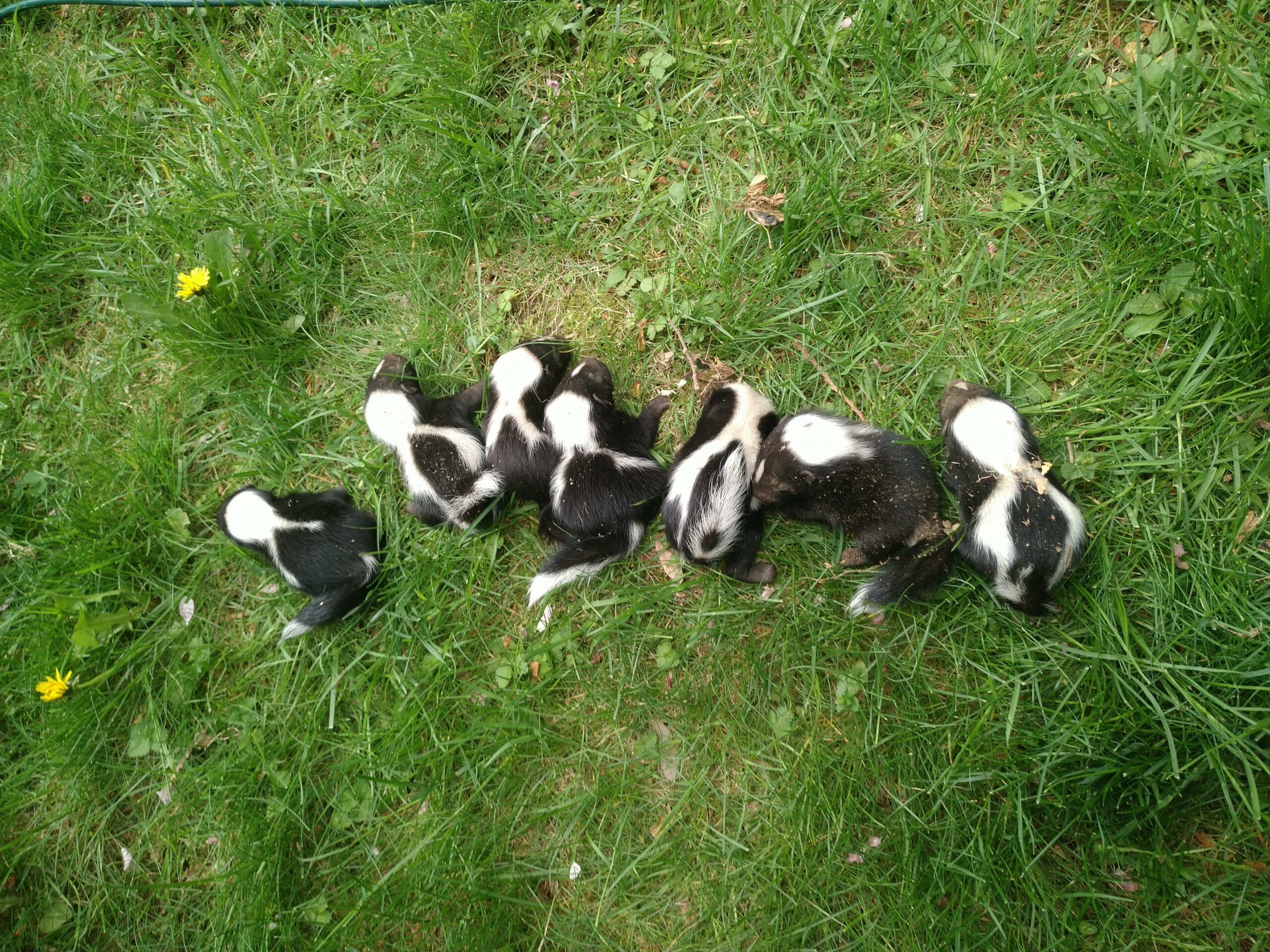
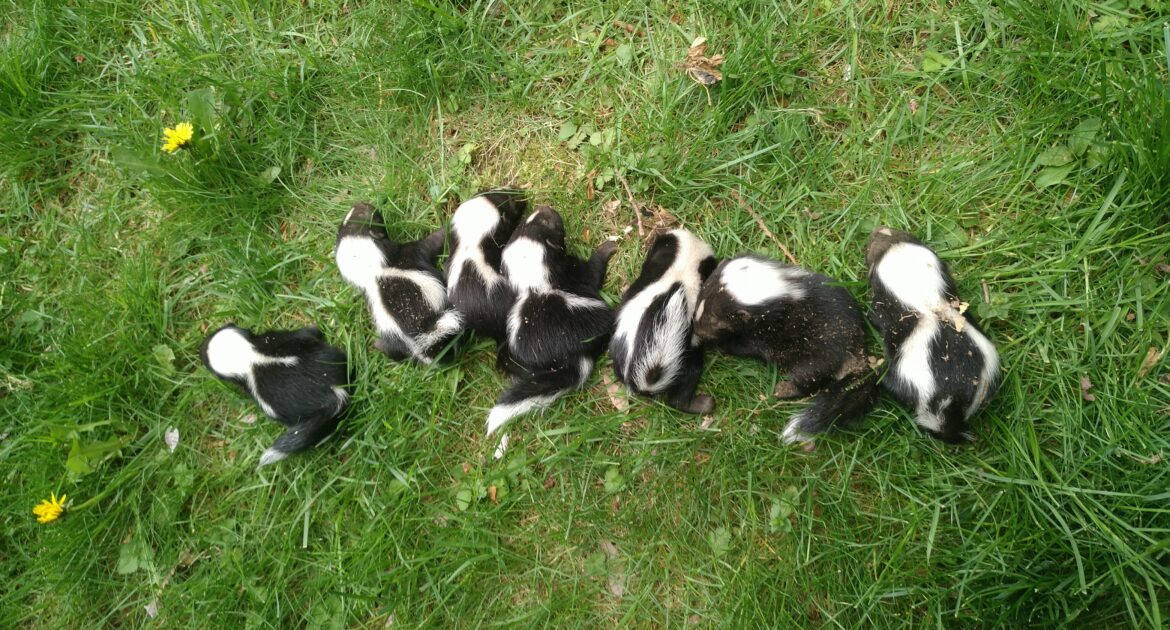
Springtime in Pittsburgh isn’t just a season of blooming flowers and warmer days—it’s also the beginning of skunk breeding season. Homeowners may notice more skunk activity during this time, from increased movement at night to the discovery of new den sites. Understanding skunk behavior during this period helps residents coexist safely with these nocturnal animals.
At Skedaddle Humane Wildlife Control in Pittsburgh, we see firsthand how skunks adjust their routines during breeding season. By learning about their habits, including where they mate and raise their young, homeowners can take proactive steps to protect their property while respecting wildlife.
When Skunks Breed
Skunk breeding season typically occurs between late February and early April in Pennsylvania. This timing ensures that kits are born in late spring, when food is more abundant and weather conditions are favorable.
Key facts about skunk reproduction include:
- Gestation period: Approximately 60–77 days.
- Litter size: Usually 4–7 kits per female.
- Peak mating period: March is the most active month for mating behaviors.
Female skunks are very selective when choosing a mate, and males may compete for access, increasing nocturnal movement around urban and suburban areas. Research shows that during this period, skunk sightings in neighborhoods can increase by up to 40%, making it important for homeowners to understand what to expect.
Understanding Skunk Mating Habits
Skunk mating habits are fascinating and involve a combination of scent marking, chasing, and territorial behaviors. Male skunks may follow a female for days, leaving scent trails and engaging in mild confrontations with rival males.
Some interesting aspects of skunk mating habits include:
- Males often travel farther during breeding season, increasing the likelihood of crossing residential areas.
- Females choose mates based on scent, health, and strength, which affects which males get to breed.
- In urban areas, skunks have adapted their routines to avoid heavy human activity while still engaging in mating behavior.
Studies have shown that male skunks can increase their nightly travel distance by up to 50% during peak mating weeks, which explains why homeowners may notice skunks more frequently at night.
Birth and Raising Kits
After the breeding season, female skunks prepare to give birth and raise their kits. Female skunks choose secure, hidden locations such as burrows, brush piles, or quiet urban corners.
Key points about the early life of skunk kits:
- Eyes open: Approximately 3 weeks after birth.
- Weaning: Kits are usually ready to eat solid food at about 2 months old.
- Independence: By late summer, kits begin exploring beyond the den, but often stay close to their mother for guidance.
During this time, skunks are generally more protective and less likely to roam, which helps reduce human-skunk interactions in neighborhoods.
Seasonal and Environmental Influences
Skunk behavior during breeding season is influenced by environmental conditions such as weather, food availability, and urbanization.
- Weather: Mild winters followed by early spring can trigger earlier mating activity.
- Food availability: Abundant food allows females to support gestation and nursing, while scarcity can reduce litter sizes.
- Urbanization: City skunks may shift den locations to quieter areas and adapt their activity patterns to avoid humans.
Research indicates that urban skunks have smaller home ranges than rural skunks—averaging 0.5–1 square mile compared to 1.5–2 square miles for rural populations—demonstrating how the environment affects movement and breeding behavior.
Signs of Skunk Activity in Spring
During spring, homeowners may notice indicators that skunks are nearby without ever approaching them. Common signs include:
- Scratching or digging in yards, particularly near sheds or woodpiles
- Increased nocturnal movement and sightings
- Strong musky odors from scent marking
- Evidence of dens such as disturbed soil or hidden burrows
Observing these signs safely allows homeowners to appreciate skunks without putting themselves or the animals at risk. At Skedaddle Pittsburgh, we encourage people to watch from a distance and avoid handling or disturbing wildlife.
How Skedaddle Helps Homeowners
At Skedaddle, our goal is to provide humane, professional solutions that prevent conflicts with skunks during breeding season.
- Property assessment: We evaluate potential den sites, access points, and areas of frequent skunk activity.
- Preventive guidance: Recommendations include reducing attractants, securing trash, and maintaining outdoor spaces to discourage unwanted denning.
- Education: Homeowners learn about skunk mating habits, seasonal behaviors, and safe ways to coexist.
- Monitoring: We offer follow-up advice during peak breeding months to ensure skunks and people remain safe.
By addressing both immediate concerns and long-term prevention, our approach helps homeowners maintain a safe property while respecting wildlife.
Why Professional Guidance Matters
Trying to manage skunk activity without professional guidance can lead to stress, property damage, and unsafe interactions.
- Skunks are nocturnal and can spray when threatened.
- Female skunks with kits are especially protective and may be more reactive.
- Professional guidance ensures safety for homeowners while respecting animal behavior and natural cycles.
Statistics show that homes that receive professional assessments during breeding season experience fewer property issues and reduced human-skunk conflicts.
Living Safely With Skunks
Skunks are fascinating animals whose seasonal behaviors can impact urban and suburban areas. By understanding skunk breeding season and skunk mating habits, homeowners can anticipate increased activity and make informed decisions about property safety.
At Skedaddle Humane Wildlife Control in Pittsburgh, we provide professional, humane solutions that help families live safely alongside skunks. From property assessments to education and prevention guidance, our team ensures your home remains protected while treating wildlife with respect.
With the right knowledge and professional support, skunk season can be a safe and even interesting time of year for homeowners and their local wildlife.

 Loading...