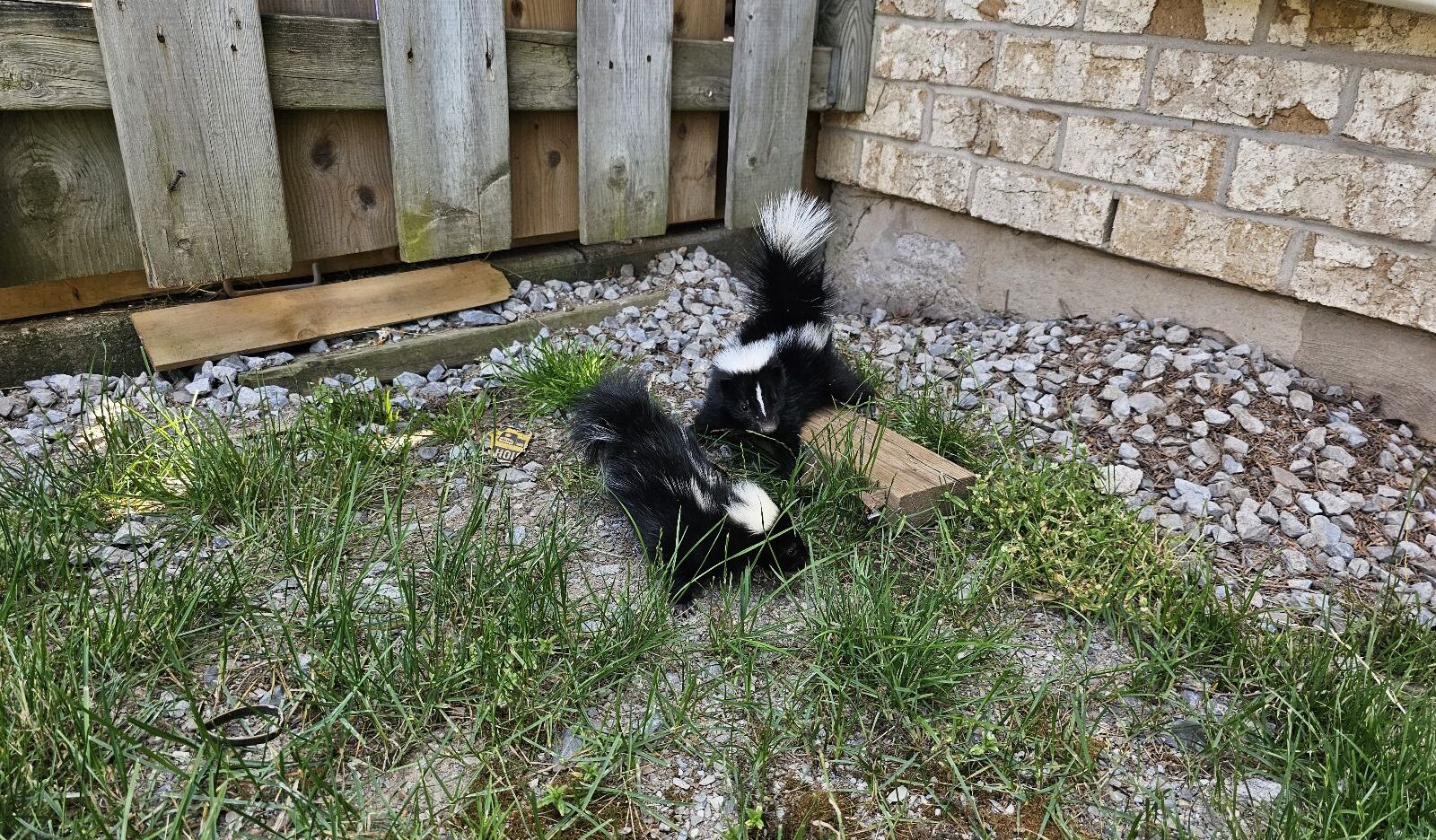
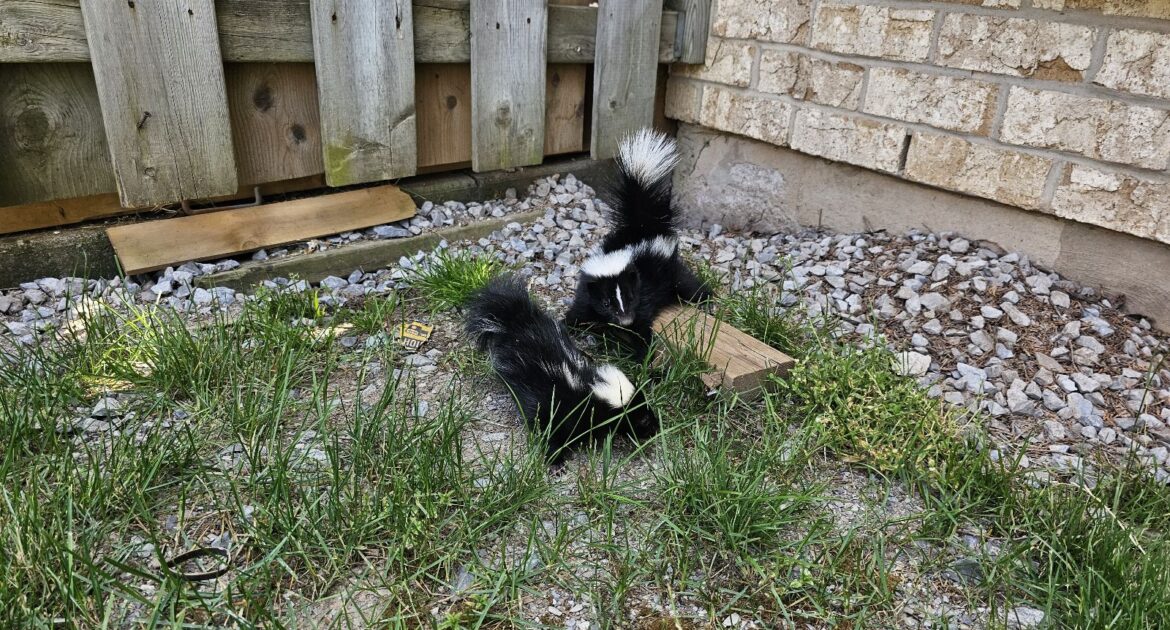
Landscaping plays a bigger role in wildlife activity than most homeowners expect. When animals begin visiting a property, the first question is often what attracts skunks to yards in the first place. In many cases, the answer is not garbage or neglect. Mulch beds, rock piles, and open crawl spaces quietly create the perfect mix of food and shelter.
Certain yard features make it easy for wildlife to settle in. Damp mulch holds insects. Rock piles provide hidden cover. Gaps under decks create ready-made dens. When these elements come together in one space, animals do not need to search far for what they need. That is often when homeowners begin noticing digging, soil pushed outward, or even skunks under decks.
Knowing how to keep skunks out of yard spaces starts with understanding what draws them in. Small landscaping details can turn into long-term problems if left unchecked. Below, we break down the most common features that invite wildlife and explain how our team at Skedaddle Humane Wildlife Control in Pittsburgh helps protect properties safely and professionally.
What Attracts Skunks to Yards?
Food is only part of the picture. Shelter is just as important. These animals look for dark, quiet spaces where they can rest during the day and raise young safely.
Many yards unknowingly offer both. Soft soil filled with insects provides an easy meal. Covered areas under structures provide safety from weather and predators. When food and shelter exist side by side, wildlife has little reason to leave.
Early signs are often subtle. Small cone-shaped holes may appear in garden beds. A mild odour might linger near a deck. By the time clear signs show up, the animals may already feel secure on the property.
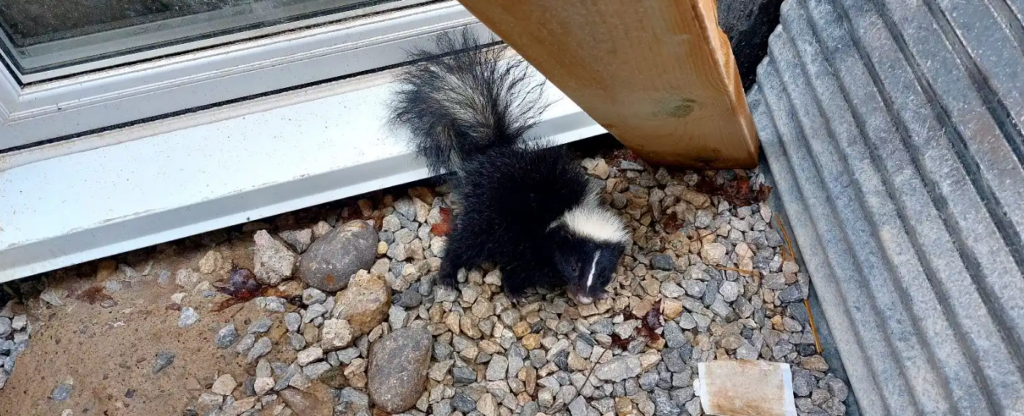
Mulch, Woodchips, and Garden Beds
Fresh mulch looks neat and helps plants grow, but it can also attract wildlife activity. Damp ground cover holds moisture, which draws beetles, ants, grubs, and worms. These insects are a steady food source.
Soft soil makes digging simple. Wildlife can move mulch aside quickly to reach insects below. Over time, garden beds may look disturbed or uneven.
Common issues we see include:
- Damp Mulch Filled with Grubs: Damp mulch holds moisture close to the soil. That moisture attracts insects like grubs, beetles, and worms. These insects are a favourite food source for many animals. When mulch stays wet for long periods, it becomes an easy feeding area that wildlife will revisit often.
- Loose Soil that is Easy to Dig: Soft soil makes digging simple and fast. Animals can move dirt aside without much effort. This allows them to search for insects just below the surface. Over time, repeated digging leaves small holes and disturbed patches throughout the yard.
- Dense Shrubs that Provide Hiding Spots: Thick shrubs and low bushes create shaded, hidden areas. These spots give animals cover during the day. Dense plants also protect them from wind and rain. When shelter and food are close together, wildlife feels safe staying nearby.
- Garden Beds that Stay Wet After Watering: Garden beds that remain damp attract insects and earthworms. Wet soil brings food closer to the surface. This makes it easier for animals to feed without digging deeply. Regular moisture can turn garden areas into steady feeding grounds.
When feeding happens repeatedly, animals return night after night. Professional inspection helps identify which areas are attracting activity and why.
Rock Piles, Woodpiles, and Yard Debris
Stacked materials may seem harmless, but they create ideal shelter. Rock piles and woodpiles act like small caves. They are dark, quiet, and hidden from view.
These areas protect animals from harsh weather and predators. They also provide a secure place to rest during daylight hours.
We often find:
- Woodpiles Placed Close to Foundations: Woodpiles stacked near a home create dark, quiet shelter. The gaps between logs form small spaces where animals can hide. When placed close to foundations, these piles make it easy for wildlife to move toward the house. Over time, the area can turn into a regular resting spot.
- Rocks Stacked Beside Sheds: Rocks piled beside sheds form tight spaces that feel safe and protected. These stacks block wind and rain while keeping activity hidden from view. Animals can slip between the stones and stay undisturbed during the day. When shelter is this secure, they often return night after night.
- Brush Left Along Fence Lines: Brush and yard debris along fences create shaded hiding areas. Thick piles make it hard to see what is happening underneath. These spots provide cover from predators and people. When food is nearby, animals may choose to stay close to this shelter.
- Materials Stored Under Decks: Stored items under decks reduce open space and create enclosed areas. Boxes, lumber, or outdoor supplies can form barriers that make the space feel secure. Animals look for areas that are dark and protected like this. Once settled, they may use the space as a den if it is not professionally sealed.
Activity may go unnoticed for weeks because these animals are active at night. Once shelter is established, the space can quickly become a long-term den.
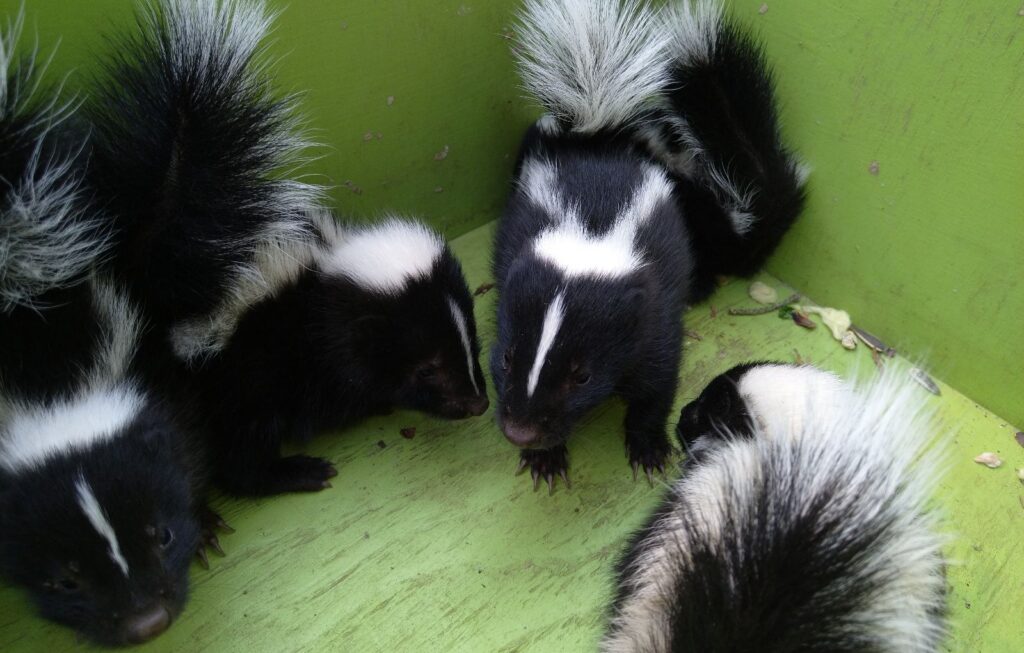
Open Crawl Spaces and Under-Structure Areas
Raised decks, porches, and sheds create empty spaces beneath them. Small gaps around the edges allow easy access. These areas are especially attractive because they are dry, dark, and protected.
Open crawl spaces function like ready-made dens. They offer safety for raising young and protection during cold weather.
During inspections in Pittsburgh, we frequently see:
- Open Areas Under Decks: Open space beneath decks provides easy access to shelter. The area is often dry, shaded, and hidden from view. Animals can dig slightly and create a comfortable den. Once inside, they may return often if the space remains open.
- Gaps Near Shed Foundations: Small gaps around shed foundations allow wildlife to slip inside. These openings may seem minor but can lead to larger access points over time. The space beneath a shed offers protection from weather and noise. When left unsealed, it becomes an inviting den site.
- Loose Skirting Along Structures: Loose or damaged skirting creates openings along the base of decks or porches. Even a small gap can allow animals to squeeze through. These hidden areas are dark and feel secure. Without proper sealing, they often become long-term shelter spots.
- Entry Points Around Stairs: Stairs leading to decks or porches sometimes leave small side gaps. These openings are easy to miss during routine yard checks. Animals use these narrow spaces to access the area below structures. Professional inspection ensures these hidden entry points are properly secured.
Homeowners often first notice skunks under decks when soil is pushed outward or odour becomes strong. These spaces must be professionally sealed to prevent repeat entry. We use one-way doors that allow wildlife to exit safely but not re-enter, then secure access points with durable materials designed to last.
Other Landscaping Features That Add to the Problem
Beyond mulch and shelter, small yard habits can increase activity. Consistent watering brings earthworms closer to the surface. Fallen fruit provides easy meals. Bird seed scattered on the ground attracts rodents, which in turn draw larger animals.
Common attractants include:
- Overwatered Lawns: Lawns that stay very wet bring earthworms and grubs closer to the surface. Soft soil also makes digging easier for wildlife. When food is easy to reach, animals return often. Over time, wet patches can become regular feeding areas.
- Fruit Left Under Trees: Fallen fruit provides a simple and steady meal. As it ripens and softens, the smell spreads through the yard. Animals can feed without much effort. If fruit remains on the ground, it encourages repeat visits.
- Vegetable Gardens with Ripe Produce: Ripe vegetables offer fresh food that is easy to access. Gardens that are not harvested quickly can attract feeding animals. Soft soil around plants also makes digging simple. This combination makes garden beds especially appealing.
- Seed Buildup Beneath Feeders: Bird seed often falls to the ground below feeders. That scattered seed attracts rodents and other small animals. Larger wildlife may feed on the seed directly. When food collects daily in one spot, animals learn to check the area regularly.
Individually, these may seem minor. Together, they create a reliable food supply that keeps wildlife returning.
Why This Matters in Pittsburgh
Many homes in Pittsburgh have raised decks and thick landscaping. These features can create sheltered spaces that wildlife finds appealing. The local climate also plays a big role in animal behaviour throughout the year.
Cold winters push animals to search for warm and protected shelter. Wet springs soften the soil, making it easier to dig for food. When damp mulch and open spaces exist at the same time, yards become more inviting.
Older homes often have small gaps or loose areas around foundations and decks. These openings can turn into safe den sites if left unsealed. Spring and fall are especially active seasons, so early professional prevention helps reduce long-term problems.
Professional Prevention That Protects Your Property
Stress often begins when digging appears or odour lingers near a structure. Handling wildlife directly is never safe. Professional exclusion ensures animals leave without harm and cannot return.
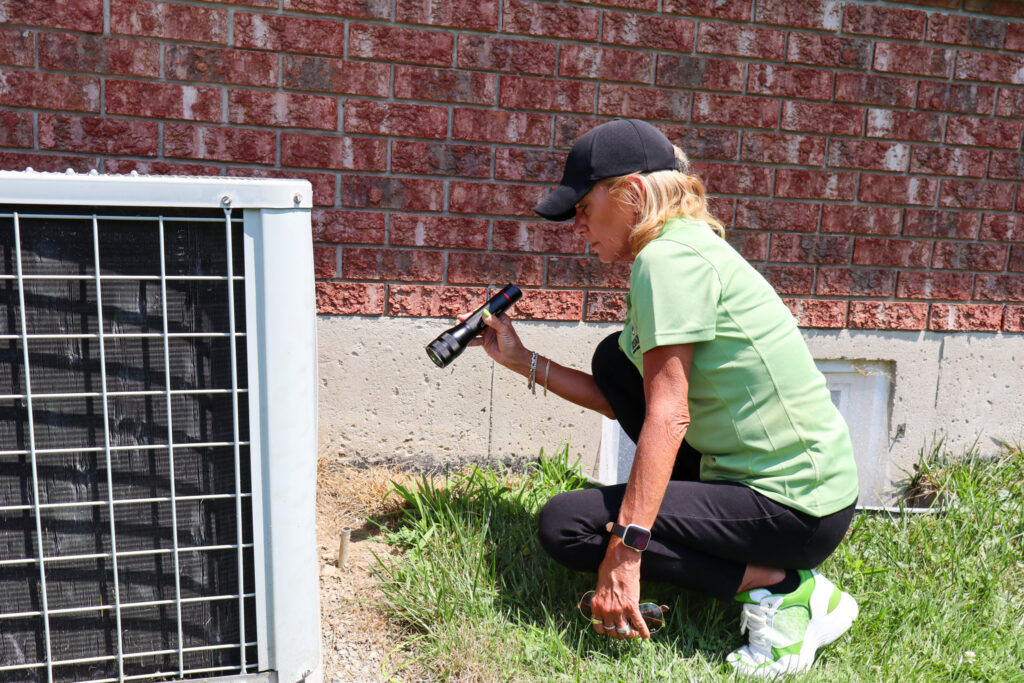
Our team begins with a detailed inspection of the yard and structures. We identify what attracts skunks to yards and explain how each feature is contributing. The focus remains on long-term protection.
One-way doors allow wildlife to exit safely. After they leave, entry points are sealed using strong materials designed for durability. This approach protects the property while preventing repeat denning.
Frequently Asked Questions
How do I know if animals are living under my deck?
Loose soil near the edge of the deck, small digging holes, and strong odour are common signs. Animals often push dirt outward to create space. A professional inspection can confirm activity safely.
Are mulch beds a common attractant?
Yes, mulch beds are a common reason wildlife visits yards. Damp mulch attracts insects like grubs and worms. These insects provide an easy and steady food source for feeding animals.
Why do these animals choose homes over forests?
Homes offer steady food and safe shelter. Yards often have fewer predators than forests. Spaces under decks and sheds provide warmth and protection, especially during colder months.
How to keep skunks out of yard areas long term?
Long-term protection requires professional exclusion services. Entry points must be identified and sealed properly. One-way doors allow wildlife to leave safely while preventing them from returning.
Stop the Invitation Before It Becomes a Problem
Landscaping choices often explain what attracts skunks to yards. Mulch beds, rock piles, and open crawl spaces may look neat and harmless, but they can provide food and shelter at the same time. When these features sit close to your home, they make it easier for animals to settle in. Skunks under decks are often the result of these small, unnoticed conditions.
Once wildlife feels safe, it may return night after night. Waiting too long allows animals to dig deeper and turn sheltered spaces into long-term dens. Preventing repeat activity starts with identifying the exact features that are inviting them. Understanding how to keep skunks out of yard areas means addressing both food sources and entry points.
Skedaddle Humane Wildlife Control in Pittsburgh provides professional exclusion services designed for long-term protection. We use one-way doors that allow wildlife to exit safely and then secure entry points so they cannot return. Request an estimate today and let our team protect your yard the right way.

 Loading...