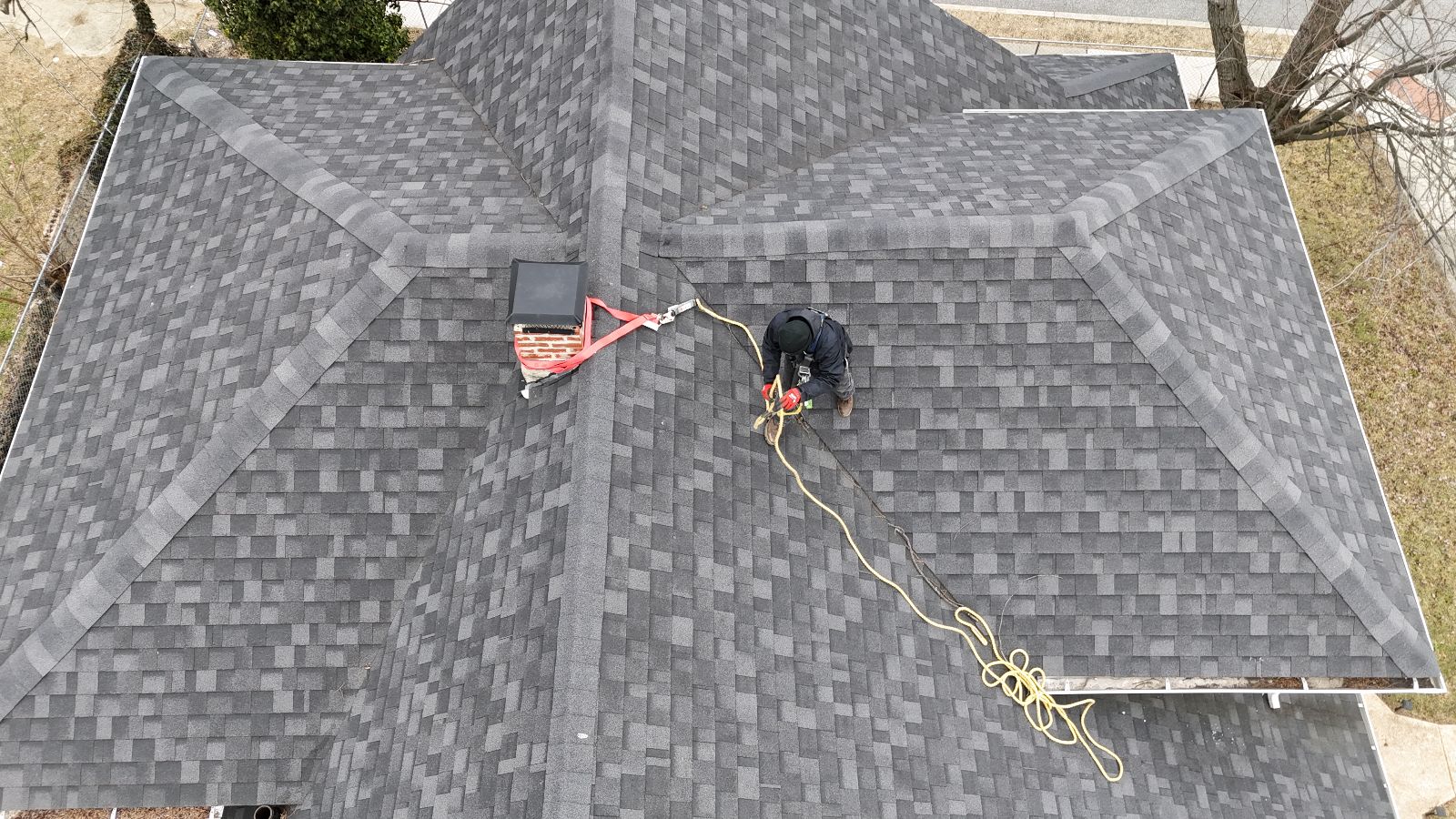
When you think about keeping your Pittsburgh home safe, wildlife entry points are likely not on your radar—but they should be. Just as the towering presence of the Cathedral of Learning is a cornerstone of Pittsburgh’s skyline, securing your home’s wildlife entry points should be a cornerstone of your property maintenance. At Skedaddle Humane Wildlife Control, we’ve seen firsthand how even the smallest openings can become gateways for determined animals seeking shelter, especially during our harsh Pennsylvania winters.
Understanding these common access points is the first step toward effective prevention and protection of your most valuable asset—your home. Let’s explore the most frequent entry points that wildlife use to move from your yard into your living space.
The Most Vulnerable Wildlife Entry Points in Your Home
Your home has several areas particularly susceptible to wildlife intrusions. Identifying these zones can help you take preventative measures before animals make themselves at home.
Roof and Attic Access Points
The roof and attic are prime targets for wildlife entry, especially for climbing animals like squirrels and raccoons.
- Roof Vents: These essential ventilation components often have plastic covers that animals can chew through or damage.
- Soffit Intersections: The areas where different sections of soffit meet create potential gaps that can widen over time due to weather and natural settling.
- Roof Edges: The junction where your roof meets the fascia boards can develop gaps, particularly in older homes where materials have begun to deteriorate.
Be attentive to signs of animal activity, like chewed areas, scratch marks, or discolored shingles that might indicate repeated wildlife traffic.
Foundation-Level Entry Points
While many homeowners focus on the roof, the foundation of your home can be equally vulnerable:
- Foundation Cracks: Even small fissures in your foundation can provide access for mice and other small rodents.
- Improperly Sealed Utility Entrances: Gaps around pipes, electrical lines, and gas lines entering your home are common entry points.
- Basement Windows: Damaged screens, cracked glass, or deteriorated frames create easy access for smaller animals.
- Crawl Space Vents: These are often inadequately protected and can provide direct entry for wildlife seeking shelter.
Chimney and Vent Vulnerabilities
Chimneys and vents serve as vertical tunnels into your home, making them particularly attractive to certain wildlife:
- Uncapped Chimneys: Without a proper chimney cap, your chimney becomes an inviting nesting site for raccoons, squirrels, and various bird species.
- Dryer Vents: These warm, humid exit points often have flimsy covers that can be pushed aside or broken by determined animals.
- Kitchen and Bathroom Exhaust Vents: Similar to dryer vents, these openings may have inadequate protection against wildlife entry.
Common Wildlife Access Points by Species
Different animals have different methods for accessing your home. Understanding these behaviors can help target your prevention efforts effectively.
Squirrel Entry Tactics
Squirrels are among the most agile and persistent home invaders we encounter in Pittsburgh. Their powerful teeth are constantly growing, allowing them to chew through surprisingly tough materials.
- Use their sharp teeth to chew openings in soffits, fascias, and roof edges
- Require only a two-inch gap to squeeze inside
- Take advantage of pre-existing weaknesses in building materials
- Often create multiple entry points around the same property
One Pittsburgh homeowner we assisted found that squirrels had created three separate entry points around her dormer windows, causing over $2,000 in damage before they were discovered.
Raccoon Breaking and Entering
Unlike squirrels, raccoons rely more on brute strength than gnawing ability:
- They use their dexterous paws to pull at loose shingles or soffit panels.
- They exploit weather-damaged areas by forcefully widening them.
- They can tear through roof vents or push aside improperly secured chimney caps.
- They often return to the same entry points seasonally if not properly excluded.
Mice and Rat Infiltration Patterns
These smaller rodents can be the most difficult to exclude because:
- They can squeeze through openings as small as a dime (mice) or a quarter (rats).
- They gnaw continuously to maintain their teeth and expand entry points.
- They often follow utility lines into homes.
- They can climb vertical surfaces to access higher vulnerabilities.
New Homes: Even newly constructed houses can have small gaps around piping and electrical entries that these rodents can exploit.
Older Properties: Settling foundations often create numerous small cracks that provide easy rodent access.
The Seasonal Patterns of Wildlife Intrusions
Wildlife entry into homes isn’t random—it follows predictable seasonal patterns that you should be aware of.
Spring Entry Concerns
Spring brings the first baby squirrel season (February-April) and increased activity as animals seek nesting sites:
- Female squirrels and raccoons actively search for safe, warm spaces to birth and raise their young.
- Animals are more likely to chew or break into attics as nesting instincts peak.
- Wildlife becomes more visible as they gather nesting materials.
Summer Wildlife Activity
Summer presents its own challenges with the second wave of baby squirrels (July-August) and increased wildlife presence.
- High Humidity Factor: Summer moisture can soften wood materials around your home, making them easier for wildlife to damage and penetrate.
- Construction Vulnerability: Home renovation projects often temporarily expose areas of your house, creating opportunities for wildlife entry.
- Secondary Den Preparation: Many animals establish multiple dens during summer months, including inside homes, as backup options for the coming winter.
Fall and Winter Entry Points
As temperatures drop in Pittsburgh, wildlife urgently seeks shelter:
- Animals become more persistent in their attempts to access warm spaces.
- Previously minor damage to your home may suddenly become active entry points.
- Falling leaves and debris can hide evidence of new entry attempts.
- Desperate animals may create new openings where none previously existed.
Prevent Wildlife in Your Home
Taking proactive measures is always more effective than dealing with an infestation after it occurs.
Inspection and Maintenance Priorities
Regular home inspections can prevent wildlife problems before they begin:
- Schedule seasonal roof checks to identify damaged shingles, vents, and soffit areas.
- Examine attic spaces with a flashlight, looking for light penetration that indicates gaps.
- Check foundation perimeters seasonally for new cracks or widening gaps.
- Inspect all exterior vents to ensure covers are intact and properly secured.
Professional Sealing and Exclusion
At Skedaddle, we use proven techniques to secure homes against wildlife entry:
- Heavy gauge screening installed over vulnerable vents and openings.
- Custom metal flashing applied to roof edges and transition points.
- Professional-grade sealants for foundation cracks and utility entrances.
- Chimney caps and vent covers designed specifically to prevent wildlife access while maintaining proper function.
Quality Materials Matter: Our experience has shown that using high-quality materials for wildlife exclusion pays dividends in longevity and effectiveness.
The Importance of Professional Assessment
While DIY efforts can address some obvious entry points, professional wildlife technicians bring specialized knowledge:
- They understand animal behavior and can predict likely entry attempts.
- They identify hidden or difficult-to-access vulnerabilities that homeowners might miss.
- They perform thorough 35-50 point inspections covering areas from foundation to roof peak.
- They recognize the early warning signs of wildlife interest on your property.
The Psychological Impact of Wildlife Intrusions
Beyond physical damage, wildlife invasions take a significant emotional toll on homeowners. The stress and anxiety from having wild animals intruding on your living space can be overwhelming, affecting your peace of mind and daily life.
Understanding the complex nature of wildlife intrusion patterns and their varied entry tactics is crucial. Not only can these pests cause significant damage to structures, but they also disrupt your home environment. Emotional distress from intrusions can range from worry over potential health risks to the inconvenience of property repairs and wildlife removal services.
If you suspect your home has entry points vulnerable to wildlife, now is the time to act. Contact Skedaddle Humane Wildlife Control in Pittsburgh and take the first step toward a wildlife-free home. With over three decades of experience, we provide expert assessments and customized solutions to protect your property effectively. Don’t wait until you have a problem; ensure your home is secure today.

 Loading...







