You may see a skunk in your yard, a bat near your roof, or a raccoon by your garbage and feel nervous right away. You may wonder, are wild animals dangerous, or are they just misunderstood wildlife animals trying to survive? You should know that skunks, bats, and raccoons are not the villains many people think they are. Most of the fear around them comes from common wildlife myths, not facts.
You might picture these animals as aggressive or dirty. You might believe they attack without warning or carry disease at all times. The truth is very different. These are some of the most misunderstood wildlife animals in our neighbourhoods, and they usually avoid people whenever possible.
You deserve clear information instead of fear. You need to know why these animals act the way they do and how to protect your home safely. At Skedaddle Humane Wildlife Control in Pittsburgh, we see these animals every day. In this blog, we will explain why skunks, bats, and raccoons are not the villains we think, clear up common wildlife myths, and show you how we humanely prevent problems.
Are Wild Animals Dangerous?
You may ask this question when you see one near your home. The honest answer is that most wild animals are not dangerous unless they feel trapped or threatened. They do not want to fight you. They want food, shelter, and safety.
You should understand that fear often grows from stories, not real-life behaviour. Many common wildlife myths paint these animals as aggressive. In reality, they use warning signs, avoid humans, and only defend themselves as a last resort.
You may also notice that most encounters happen because an animal is surprised or protecting its young. When given space, these animals usually move away on their own. They do not see you as prey or as something to attack. They simply want to feel safe and return to their normal routine.
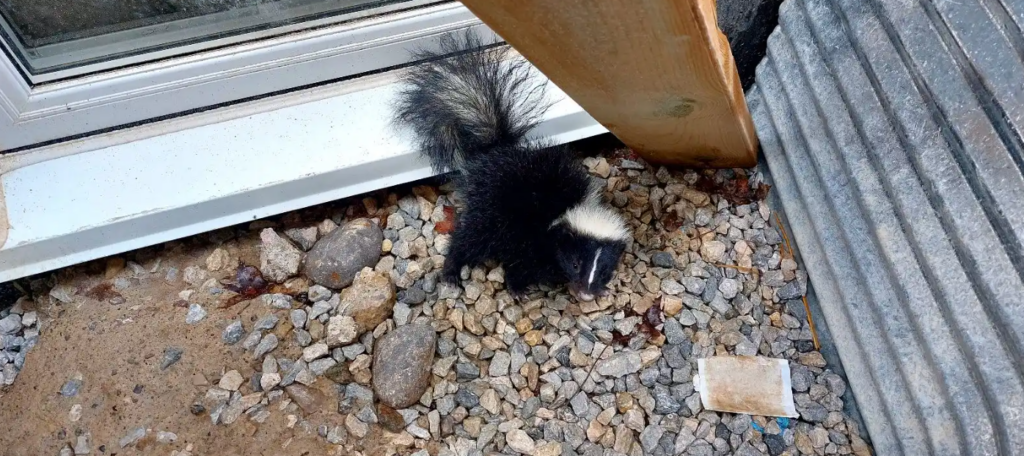
Skunks: Quiet Helpers in Your Yard
You may think of skunks only for their strong smell. You may assume they spray without warning or act aggressively. That belief is one of the most common wildlife myths.
Here is why skunks are not villains:
- They Use Spray as a Last Resort: Skunks do not spray right away. They stamp their feet, hiss, and even lift their tail as a warning first. Spraying takes time to recharge, so they use it only when they feel cornered. Most of the time, they simply walk away.
- They Help Control Pests: Skunks eat beetles, grubs, wasps, and small rodents. These insects can damage lawns and gardens. By feeding on them, skunks provide natural pest control. That helps balance the environment around your home.
- Daytime Sightings Do Not Always Mean Illness: You might see a skunk during the day and assume something is wrong. Nursing mothers sometimes search for food during daylight hours. That does not automatically mean the animal is sick.
You can see how misunderstood wildlife animals like skunks get blamed for normal behaviour. They are shy animals that prefer peace over conflict.
Bats: Nighttime Insect Controllers
You may feel uneasy about bats because of movies or scary stories. You may wonder, are wild animals dangerous when they fly overhead at night? The truth about bats is far calmer than the myths.
Here is why bats are not the villains we think:
- They Are Not Blind or Aggressive:
Bats can see quite well. They also use echolocation to navigate in the dark. Healthy bats avoid human contact. They do not want to land in your hair or attack you. - They Eat Huge Numbers of Insects:
Some bats can eat thousands of insects in a single night. That includes mosquitoes and crop pests. This natural control reduces the need for chemical sprays. - They Support Plant Life:
In many regions, bats help pollinate plants and spread seeds. This supports forests and farms. Their role in nature is much bigger than most people realize.
You should know that fear of bats is built on common wildlife myths. In reality, they play an important part in keeping insect populations down.
Raccoons: Intelligent and Curious Survivors
You may call them “trash pandas” and think they are simply troublemakers. You may assume they are reckless or destructive on purpose. That idea misses the bigger picture.
Here is why raccoons are not villains:
- They Are Highly Intelligent: Raccoons can solve puzzles and remember solutions for years. Their paws are very sensitive and work almost like hands. This intelligence helps them adapt to city life.
- They Avoid Conflict When Possible: Raccoons prefer to escape rather than fight. They may hiss or make noise to scare off threats, but that is defensive behaviour. They do not seek out confrontation.
- They Are Driven by Survival: When raccoons search through garbage, they are looking for food. Urban areas offer easy meals. Their behaviour is not malicious; it is practical.
You can see how misunderstood wildlife animals like raccoons are labelled unfairly. Their actions are about survival, not harm.
Why These Animals Get a Bad Reputation
You may wonder why these animals seem so feared. The answer often lies in misunderstanding and lack of knowledge. Many people grow up hearing stories that make these animals sound dangerous or mean. Over time, those stories turn into strong beliefs, even if they are not true. When you look at the facts, you start to see that much of the fear comes from myths, not real behaviour.
Here are a few reasons common wildlife myths continue:
- Media and Stories: Movies and news reports often focus on rare negative events. A single dramatic story can spread quickly and make it seem like danger is everywhere. These stories are designed to grab attention, not to show normal behaviour. Because of this, people may believe that every encounter will end badly, even though most do not.
- Unexpected Encounters: Seeing an animal near your home can feel alarming at first. Sudden movement or noise can trigger fear before you have time to think clearly. That quick reaction can make the situation seem more serious than it really is. In most cases, the animal is just as surprised as you are and wants to move away.
- Property Damage Concerns: Animals can cause damage when they enter attics, sheds, or vents. This can feel stressful and costly, which adds to frustration. When damage happens, it is easy to label the animal as a villain. In reality, the behaviour is about finding shelter and warmth, not about being aggressive.
You deserve facts, not fear-driven assumptions.

Coexisting Safely With These Animals
You may not want these animals inside your home, and that is understandable. Your house is meant to feel safe and clean. At the same time, you can respect their role in nature while still protecting your property. Skunks, bats, and raccoons are simply trying to survive, not cause harm.
You should remember that wild animals can be dangerous. When left alone outdoors, they rarely pose a threat to people. Most of the time, they avoid human contact and move away when approached. Problems usually begin when they find shelter inside attics, soffits, or rooflines.
You do not need to handle that alone. When animals move into parts of your home, the situation can quickly feel overwhelming. Noise, smells, or damage can add stress to your daily life. That is when professional help becomes important to protect both your home and the animals.
Prevention With Our Professional Team
You want protection without harm. You do not want to hurt animals, and you do not want repeat problems each season. You deserve a solution that is safe, respectful, and built to last. That balance is possible with the right approach.
We begin with a full inspection of your roof, vents, and foundation. We carefully check for weak spots where animals may enter or nest. Small gaps or loose materials can become easy access points. Our focus is always on long-term prevention, not short-term fixes.
We use one-way doors that allow animals to leave safely but not re-enter. Once they are out, we secure entry points with strong, durable materials designed to last. This stops repeat visits and protects your home year-round. Our goal is to keep your home protected while respecting misunderstood wildlife animals and their role in nature.
Frequently Asked Questions
Are wild animals dangerous around homes?
Most are not dangerous unless they are cornered, sick, or protecting their young. They usually prefer to avoid people and will run away if given space. Many common wildlife myths make them seem more aggressive than they really are. Problems usually happen when they feel trapped or cannot escape safely.
Why do skunks spray?
Spraying is a defence tool that skunks use only as a last resort. They give clear warning signs first, like stamping their feet or raising their tail. If the threat backs away, they often will not spray at all. It takes time for them to produce more spray, so they do not waste it unless they feel truly threatened.
Do bats attack humans?
Healthy bats avoid contact with people and do not chase them. They are focused on catching insects at night, not bothering humans. Bats use echolocation to navigate and hunt, which can make them seem like they are swooping near you. In most cases, they are simply flying past while feeding.
Are raccoons aggressive?
Raccoons will defend themselves if they feel threatened or cornered. They are not naturally aggressive toward people. In most situations, they are cautious and prefer to escape rather than fight. Their behaviour is usually driven by curiosity or the search for food and shelter.
Why do these animals enter homes?
They look for warmth, shelter, and a safe place to raise their young. Attics, vents, and rooflines can feel like hollow trees to them. Once inside, they may stay because the space offers protection from weather and predators. Without proper removal and prevention, they may return to the same safe spot again.
Respect the Role, Protect Your Home
You now know that misunderstood wildlife animals like skunks, bats, and raccoons are not the villains we think. You have seen how common wildlife myths shape fear and how the question, “Are wild animals dangerous?” often has a calmer answer than expected.
You can respect these animals and still protect your home. You do not have to accept damage or stress. You deserve a solution that keeps animals out while treating them humanely.
At Skedaddle Humane Wildlife Control in Pittsburgh, we provide professional prevention that works long-term. Request an estimate today to learn more about how we protect your home while respecting nature.

 Loading...







