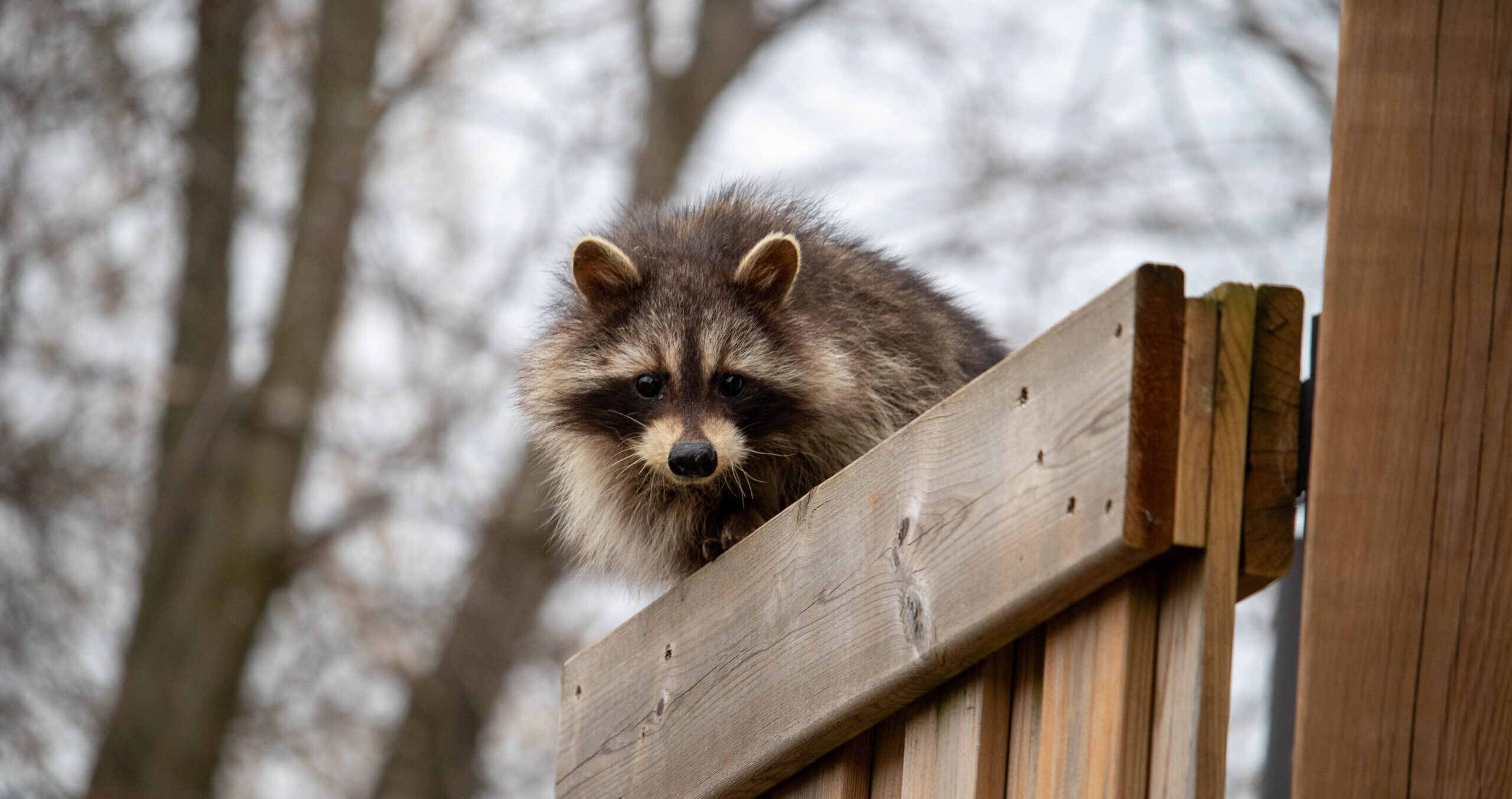
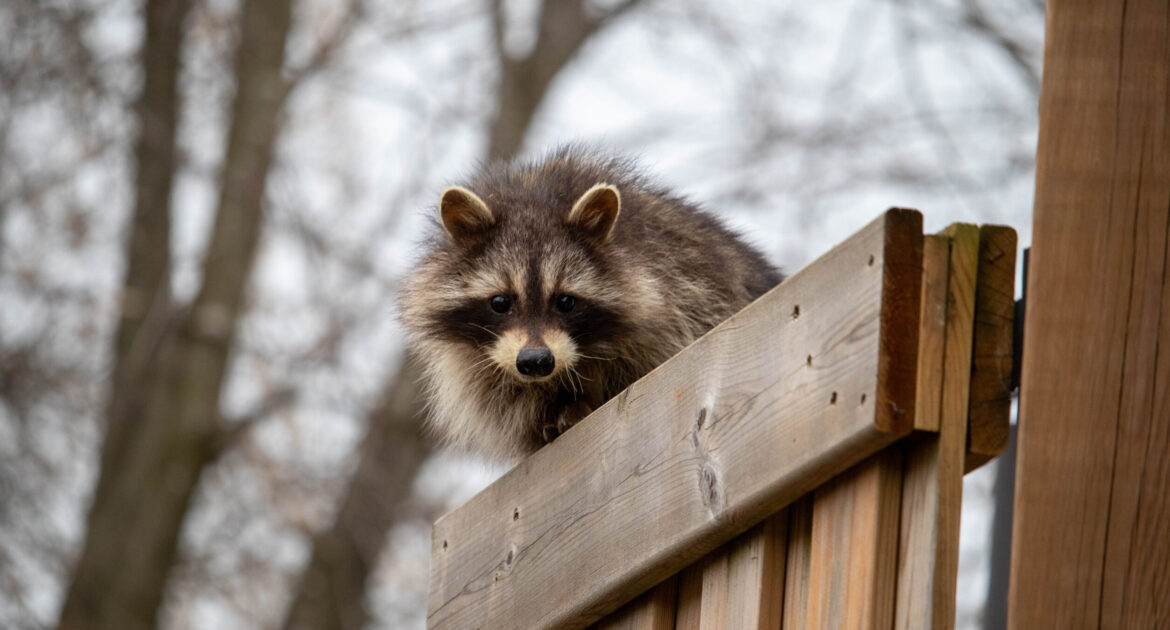
Raccoons in Pittsburgh often target chimneys during winter because they’re seeking warm, sheltered places to stay while temperatures drop. Urban areas provide abundant food and safe hiding spots, and chimneys offer a cozy refuge that protects them from the cold and predators. While iconic city sights like the Duquesne Incline or the Andy Warhol Museum are scenic in snow, the scurry of raccoons in chimneys is a common winter nuisance. Understanding why these clever animals choose chimneys—and how to prevent them—can help homeowners avoid unwelcome disruptions during the colder months.
Let’s explore the reasons behind winter raccoon chimney problems, the potential risks, and, most importantly, how Skedaddle can help you keep your chimney—and your home—secure.
Why Raccoons Choose Pittsburgh Chimneys in Winter
Raccoons are experts at adapting to city life, especially when temperatures plummet. Unlike some animals that hibernate, they remain active throughout winter, searching for safe, warm places to wait out the coldest weeks. Our urban landscape—full of chimneys, attics, and crawl spaces—offers ideal shelter.
Common Reasons Urban Chimneys Attract Raccoons
Several factors make chimneys attractive to raccoons in Pittsburgh’s unique winter climate:
- Chimneys provide insulation and protection from the wind and cold.
- Urban areas retain more warmth than rural landscapes, making them a reliable heat source.
- The design of many chimneys allows easy access for wildlife—especially if caps or screens are missing or damaged.
- Raccoons are drawn to the scent of leftover soot, creosote, or even food scraps that have fallen down the flue.
- Baby raccoons, born late winter to early spring, benefit from a secluded, elevated den above ground level.
It’s no coincidence that raccoon sightings and reports spike during extended cold snaps—the same period when keeping them out can be most challenging. The local climate plays a significant role, as Pittsburgh’s dense neighborhoods and extensive housing stock offer warmth and proximity to food sources.
A raccoon looking for refuge seeks what every homeowner values: security, comfort, and safety from harsh elements. This urban environment provides those needs in ways nature sometimes cannot during freezing temperatures.
The Risks and Damages Caused by Winter Raccoon Chimney Problems
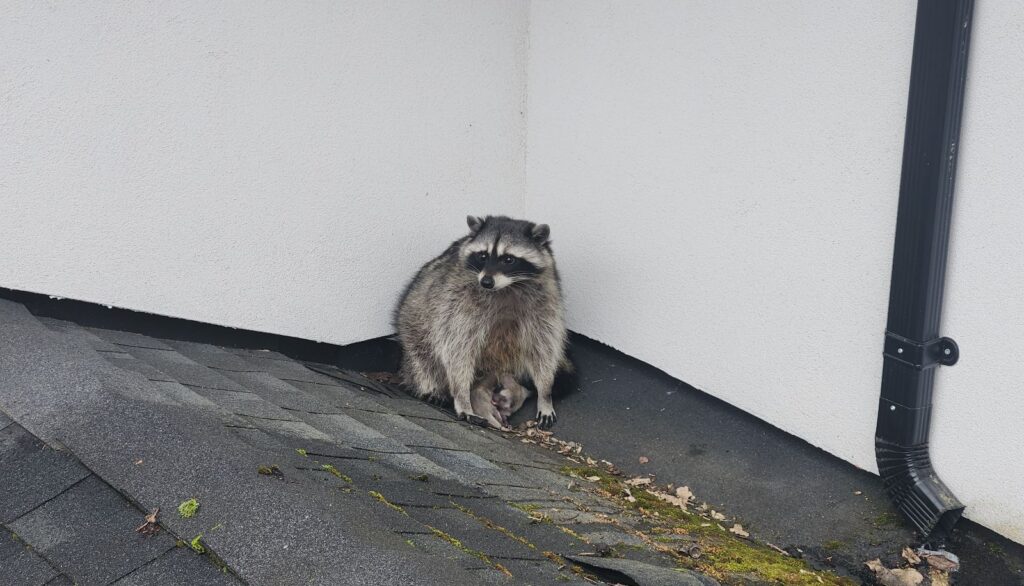
While sightings of these animals in chimneys may seem merely an annoyance, the damage they can inflict is anything but minor. Raccoons use their dexterous paws to widen even small cracks or holes, often causing both immediate and long-term issues for homeowners.
Health Hazards and Property Damage
Once inside your chimney, raccoons can cause multiple problems:
- Accumulation of nesting materials (twigs, leaves, debris), creating a fire hazard.
- Damage to the flue, dampers, and sometimes the masonry itself.
- Introduction of harmful droppings and urine, risking disease transmission such as salmonella, leptospirosis, giardiasis, or baylisascaris (roundworm).
- Loud nighttime activity, contributing to sleepless nights for residents.
- Deterioration or blockage of your chimney, leading to potential smoke or carbon monoxide buildup in your home.
A single raccoon’s activities can mean hundreds or even thousands of dollars in repairs if not addressed quickly. If a mother raccoon gives birth inside, the complexity—and damage—can increase dramatically.
Why Are Raccoons More Active in Urban Areas During Winter?
Raccoons thrive in cities because urban environments provide greater food availability in garbage bins and compost, plenty of secure spaces for dens, fewer natural predators, and consistent warmth from buildings.
Winter heightens these needs, and chimneys mimic hollow trees that raccoons would use in the wild but with added protection from harsh weather.
Now that we’ve covered the “why,” let’s move on to effective prevention—an essential focus for keeping your chimney raccoon-free.
How to Prevent Raccoons in Chimneys
Solving winter raccoon chimney problems requires a blend of proactive measures and professional support. Raccoons are resourceful, but some simple steps can significantly reduce your risk of an intrusion.
Practical Steps Homeowners Can Take
We recommend the following strategies to help prevent raccoons in chimneys:
- Install secure, heavy-duty chimney caps or screens rated for wildlife exclusion.
- Inspect chimneys, roof vents, and soffits each fall for any signs of wear, loose materials, or damage that could provide access.
- Trim tree branches near the roof that could serve as raccoon runways.
- Keep your yard free of easily accessible garbage, pet food, and fallen fruit.
- Schedule routine cleaning and inspections to avoid buildup and identify vulnerabilities early.
These steps greatly improve your odds, but raccoons will often find weaknesses even in well-maintained homes. That’s where professional support comes in.
If you hear rustling or see signs of activity in or around your chimney, it’s time for an expert inspection. Trying to remove raccoons on your own is risky; they can be aggressive when cornered and may be caring for babies you can’t see.
Skedaddle’s Expertise: Humane Raccoon Removal and Chimney Protection
We understand how stressful winter raccoon chimney problems can be for homeowners. Skedaddle’s approach is grounded in safety, reliability, and humane practices, developed and refined through over three decades of experience.
What Makes Our Chimney Raccoon Services Different
Here’s how we manage and prevent raccoons in Pittsburgh chimneys during winter:
- Comprehensive Assessment: Our team examines all potential entry points for hidden vulnerabilities, paying attention to details homeowners might miss.
- Humane Removal: If raccoons—or their babies—are present, our skilled technicians use gentle methods and specialty equipment to ensure safety for both your family and the animals.
- Thorough Clean-up: We clear contaminated debris and disinfect affected areas, significantly reducing health risks and odors that could attract more wildlife.
- Chimney and Roof Repairs: All entry points are professionally sealed using heavy-gauge screening and wildlife-proof materials to ensure long-term protection.
- Ongoing Support: Our customer service promise includes continued support for follow-up concerns, because we know every home and raccoon intrusion is unique.
By using the latest tools, thermal imaging, and deep knowledge of home construction and raccoon behavior, our technicians ensure no detail goes unnoticed.
Real-World Example: How Chimney Intrusions Are Handled
Consider a typical scenario we encounter every winter: A homeowner in Squirrel Hill contacts us after hearing scratching sounds above the fireplace. Our inspection reveals a mother raccoon preparing a winter den in the chimney flue. Using humane methods, we safely remove the animal, identify and secure the entry point, clear debris, and walk the homeowner through the process to prevent a return visit.
With our support, families can enjoy winter evenings in their living rooms without worry—knowing their chimneys are secure from wildlife.
The Local Climate’s Role in Urban Raccoon Activity
It’s essential to recognize why raccoons are so attracted to chimneys during colder months. Our city’s urban environment retains more warmth than surrounding rural areas. This makes chimneys particularly valuable as dens for raccoons looking for shelter—not only because they’re dry and sheltered, but also due to the ambient heat from the home’s structure aiding survival during freezing nights.
Additional reasons Pittsburgh’s local climate drives raccoon behavior include snow and ice making natural dens less accessible, central heating leaking warmth into unused flues, and the density of homes providing multiple options if one access point becomes blocked.
Keeping these local conditions in mind helps us create more effective prevention and management strategies tailored specifically for Pittsburgh residents.
Chimney Safety: Going Beyond Prevention
While preventing raccoons in chimneys is critical, regular maintenance and seasonal preparation also play significant roles in keeping your home secure.
Here are five essential tasks to consider each fall:
- Schedule a professional chimney cleaning and inspection before the first freeze.
- Replace or reinforce old or damaged chimney caps.
- Check for droppings or nesting materials around your roofline.
- Repair any loose flashing, bricks, or mortar promptly.
- Consult with Skedaddle for a full property assessment if you suspect any wildlife presence.
By taking these steps before winter arrives, you reduce the risk of raccoon intrusions and the potential for expensive repairs or hazardous situations.
With this approach, you can enjoy all the best parts of winter—whether it’s riding the Duquesne Incline for a snowy city view or visiting a warm museum downtown—knowing your home is protected from unexpected wildlife guests.
Take Control of Your Chimney’s Safety This Winter
Raccoons invade Pittsburgh chimneys in cold months in search of warmth, shelter, and safety. They take advantage of aging structures and vulnerable access points. While these urban explorers are resourceful, their presence can lead to costly property damage, fire hazards, and significant health risks for homeowners. Prevention is key, but even the most diligent efforts can fall short against determined wildlife—making expert intervention essential.
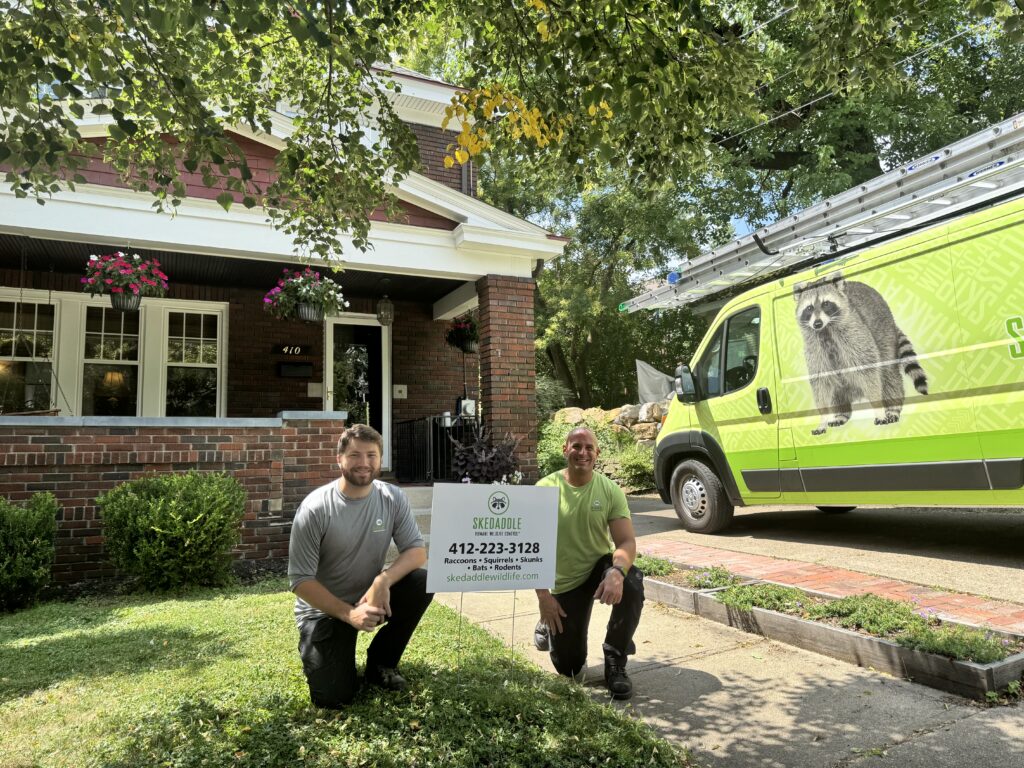
Don’t wait for unwanted guests to turn your chimney into a winter den. Trust Skedaddle’s experienced, humane wildlife technicians to assess your property, offer safe removal, repair entry points, and secure your home against future invasions. Enjoy peace of mind and a warm, raccoon-free winter—contact Skedaddle today and let our proven expertise protect your home for seasons to come.

 Loading...